News | 26/11/2026

Success for LMU: New Collaborative Research Center approved

The German Research Foundation is funding a new research group to study the role that inflammation plays in cardiovascular diseases.
In the most recent round of funding of the German Research Foundation (DFG), LMU together with its partner institutions successfully secured funding for a new Collaborative Research Center (CRC). The new research group, led by LMU, will study how inflammatory processes in the area surrounding blood vessels contribute to the development and progression of cardiovascular diseases.
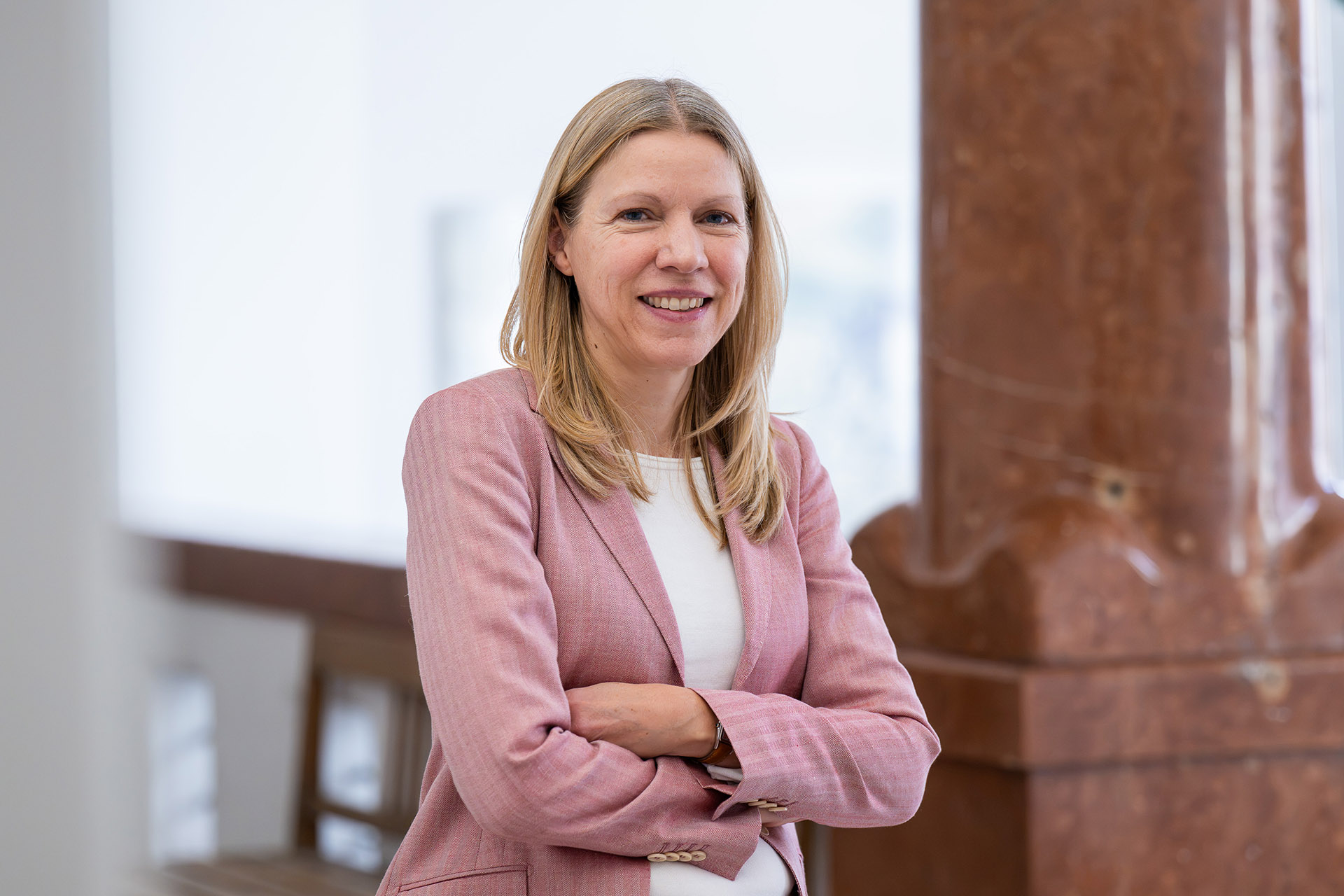
Sabine Steffens, Professor of Clinical Pathobiochemistry at the Institute of Cardiovascular Prevention of LMU University Hospital Munich and spokesperson for the new CRC.

Focus on inflammation outside the vessel wall

Cardiovascular diseases are among the most common causes of illness and death around the world. One aspect that plays a key role in this is atherosclerosis, where deposits form in the arteries and chronic inflammatory processes damage the vessels. Although there is now good evidence to show that the immune system plays a major role in this context, anti-inflammatory medications have not so far proven sufficiently successful in treating cardiovascular diseases over the long term.

Up until now, research has focused primarily on studying inflammation inside atherosclerotic vessels. However, more recent findings show that the inflammatory processes also extend to the outer vessel wall and the surrounding fat tissue. The inflamed perivascular tissue can be influenced by distal regulatory networks, including the central nervous system and circulating endocrine factors secreted by adipose tissue. There is currently insufficient understanding of which cells and messenger substances contribute to outer vessel inflammation and how this perivascular inflammation influences organ disease in the heart, brain, and kidney.

This is where the new, LMU-based CRC 1845 PVasc (Perivascular Inflammation Interfaces) comes in. Its focus will be on the so-called perivascular areas, which are tissue niches around the blood vessels where immune cells, nerve signals and hormonal messenger substances interact. “We want to understand how the local inflammatory environment around affected blood vessels interacts with distal regulatory interfaces and what consequences this has for organs like the heart, brain and kidney,” explains Sabine Steffens, Professor of Clinical Pathobiochemistry at the Institute of Cardiovascular Prevention of LMU University Hospital Munich and spokesperson for the new CRC.

Local processes and connections between organs

The researchers will be studying two closely linked areas. Firstly, they want to decipher how different cell types interact with each other in the local microenvironment of inflamed vessels. Secondly, they will explore overarching communication pathways: How do the nervous system, immune system and signals from the fat tissue influence inflammatory processes in vessels and in distant organs?

To visualize these interactions, the group will be combining preclinical models with the very latest imaging methods as well as single-cell and molecular analyses. This should enable the researchers to study cell types that have previously been difficult to access in their spatial context and their connections within the entire organism. “With our holistic approach, we want to find new approaches for possible therapies so we can reduce the burden that cardiovascular diseases place on healthcare systems around the world,” says Steffens.

“The new Collaborative Research Centre strengthens cutting-edge medical research at LMU and focuses on previously understudied inflammatory processes in the tissues surrounding blood vessels,” says University President Matthias Tschöp. “Investigating the interactions between blood vessels, the immune system, and organs will lay important foundations for new therapeutic approaches. I congratulate all the researchers involved on this success!”

In addition to LMU, the Technical University of Munich (TUM), Helmholtz Munich and RWTH Aachen University will be participating in CRC 1845. An integrated graduate program will also support the training of young scientists.

Originally translated with DeepL