News from fundraising at the LMU Hospital
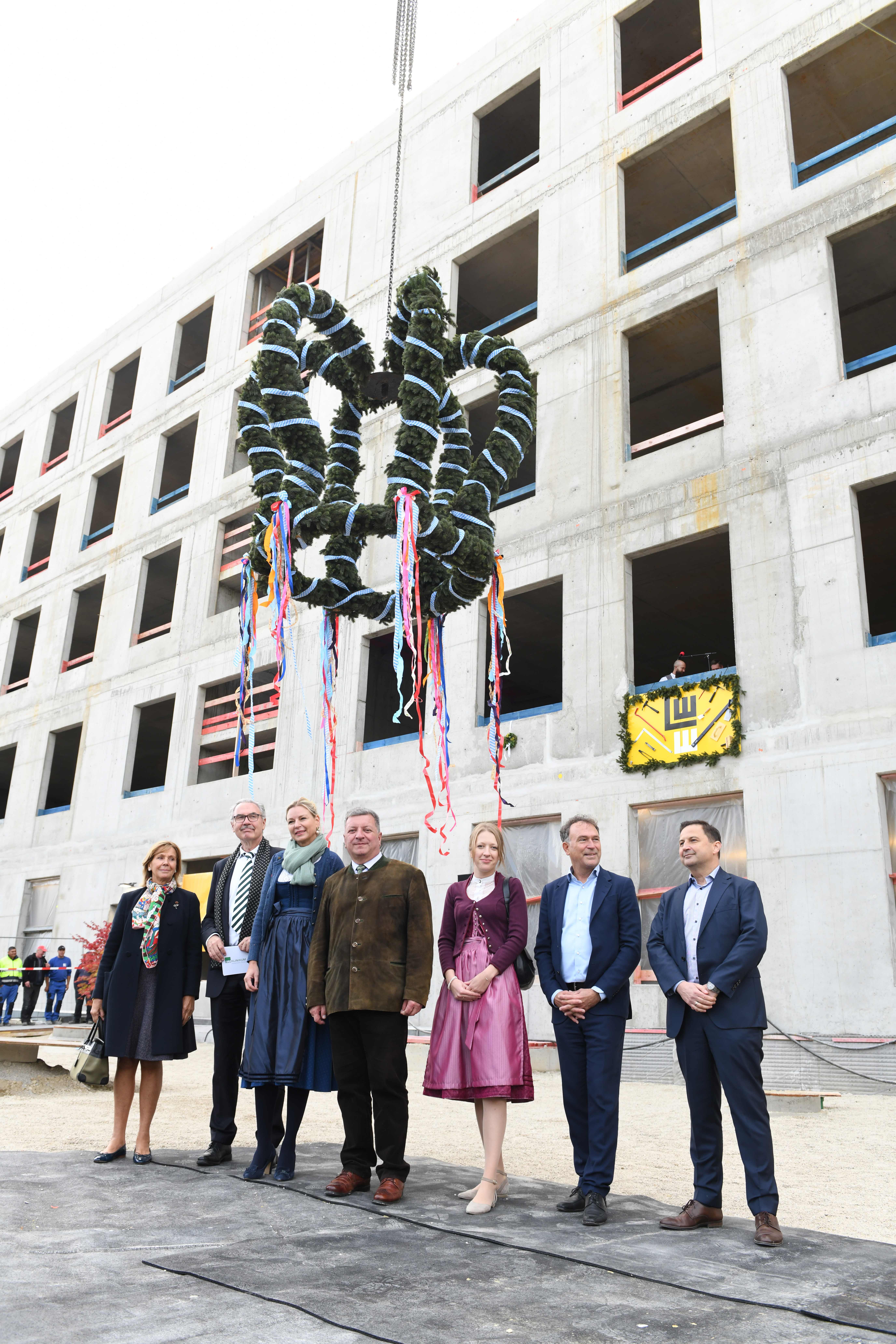
Another milestone has been reached: the NEUE HAUNER celebrated its topping-out ceremony in October andconstruction is progressing rapidly. Soon , seriously ill children - from premature babies to young adults - will be able to receive even better care in Europe's most modern children's hospital and be supported in their recovery. Whether the young patients really feel at home in the new children's hospital depends not only on the best medical and nursing care, but also on a lovingly child- and family-friendly interior and design. We are working on raising the necessary funds for this, which unfortunately goes beyond the often tight clinic budget.
Hith your Christmas donation, you can help us to create a feel-good atmosphere in the NEUEN HAUNER. atmosphere so that sick children feel completely at ease with us and can recover more quickly.recovery. Because we want tofor sick, often seriously ill childrenand their families an optimal environment to get well: with playrooms,rooms and parent-child rooms, calming lighting concepts and interactive installationsinstallations, a therapy and patient garden and much more. Any Christmas donations, even small ones, help us to achieve this - because sometimes they come from the heart!
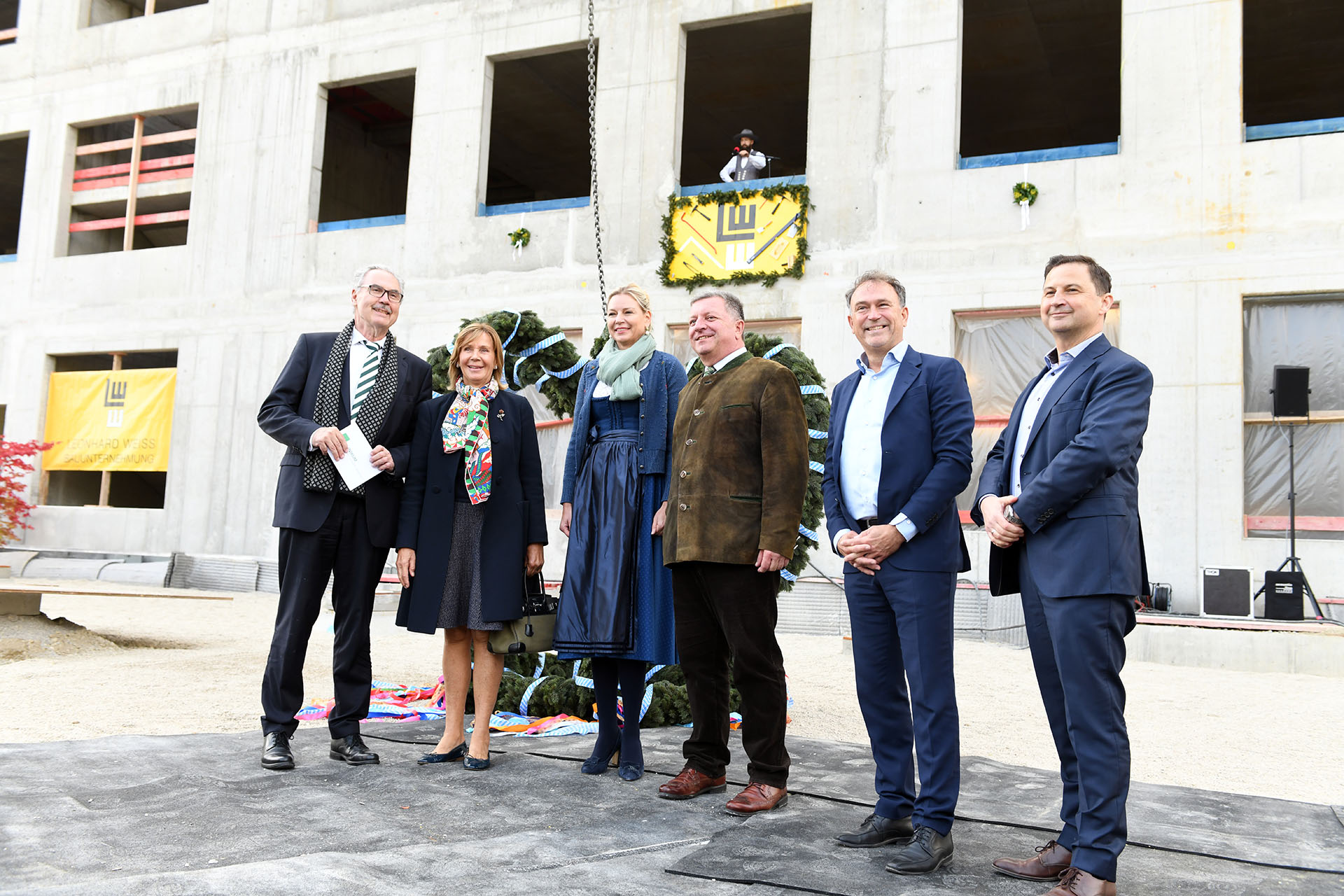
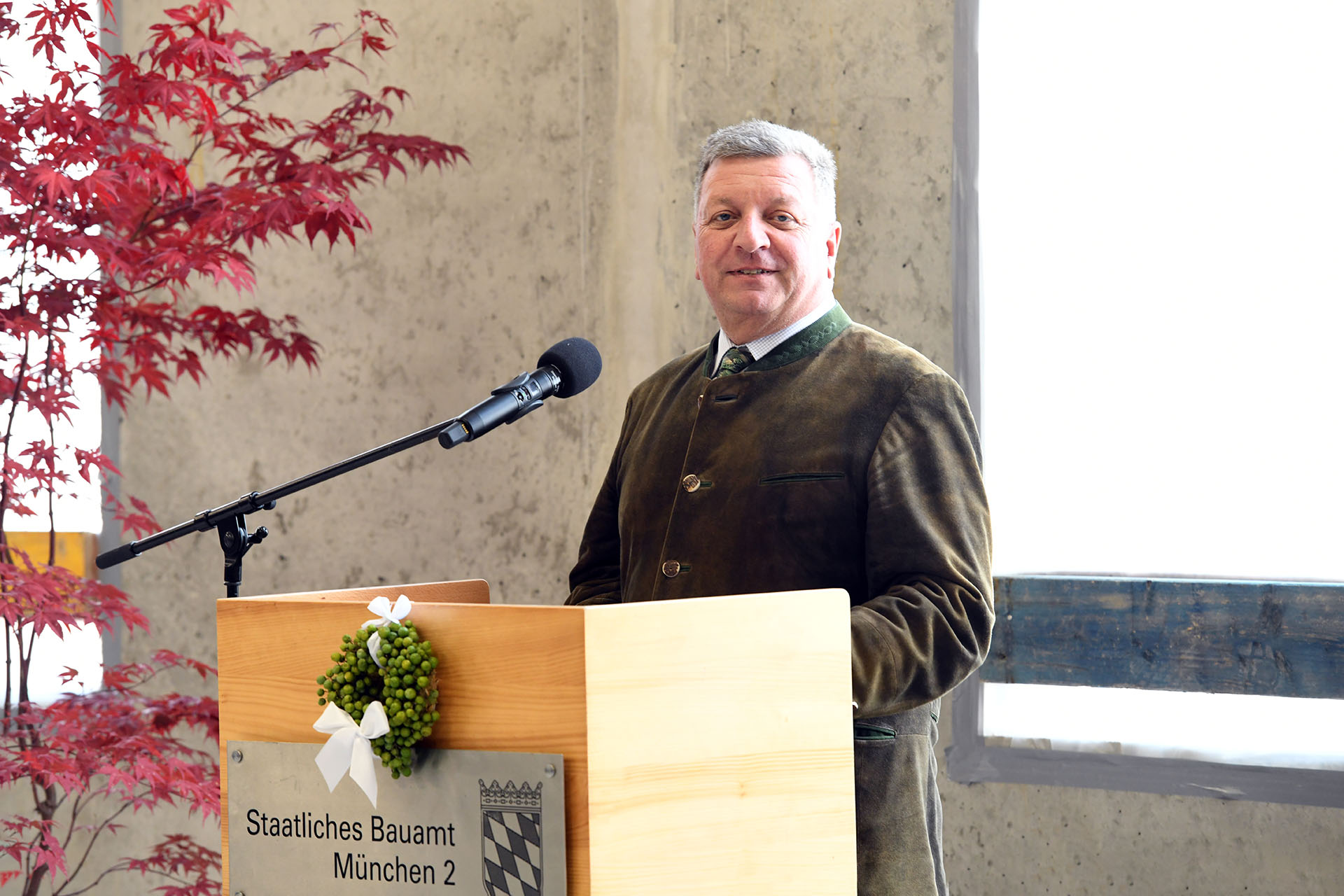
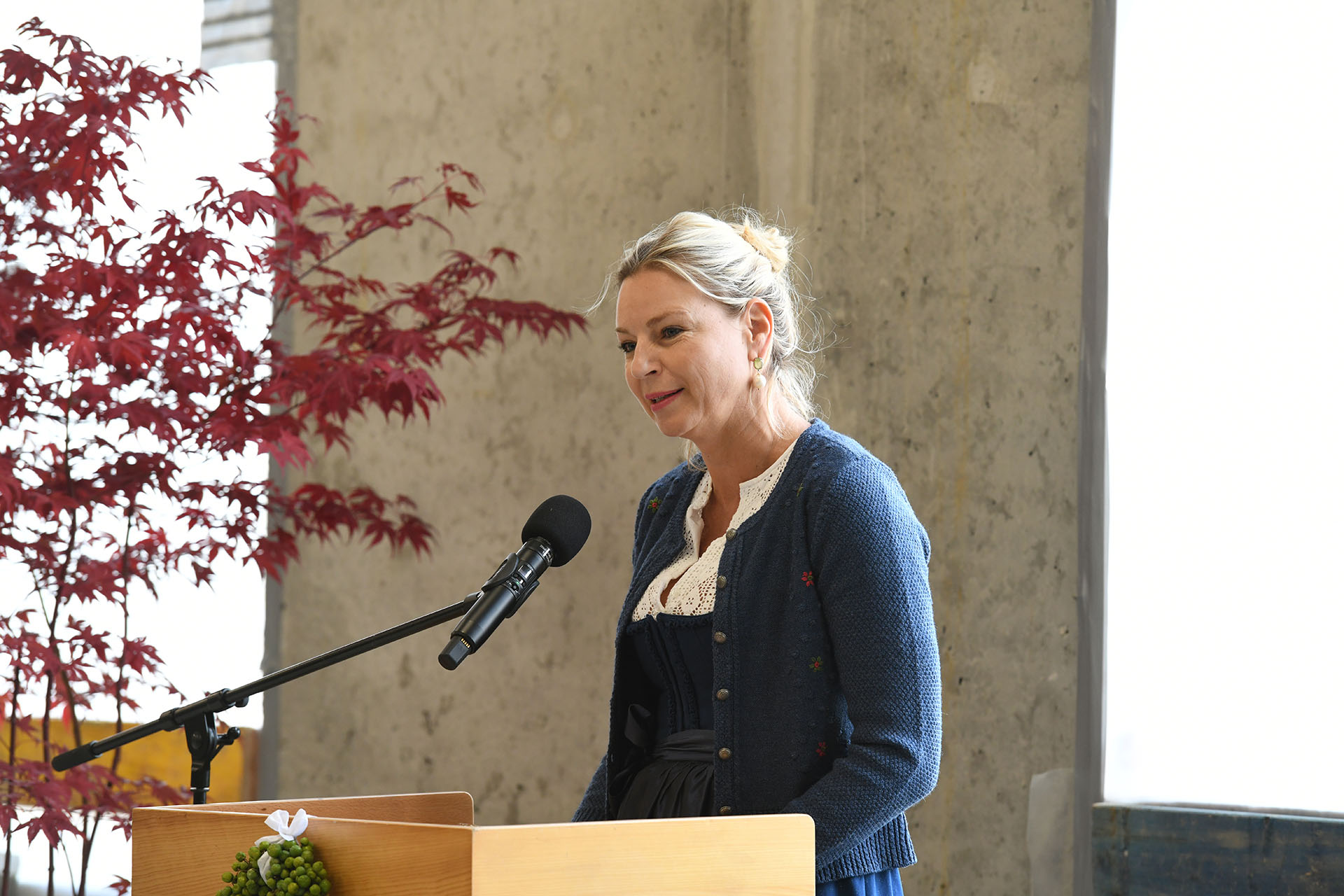
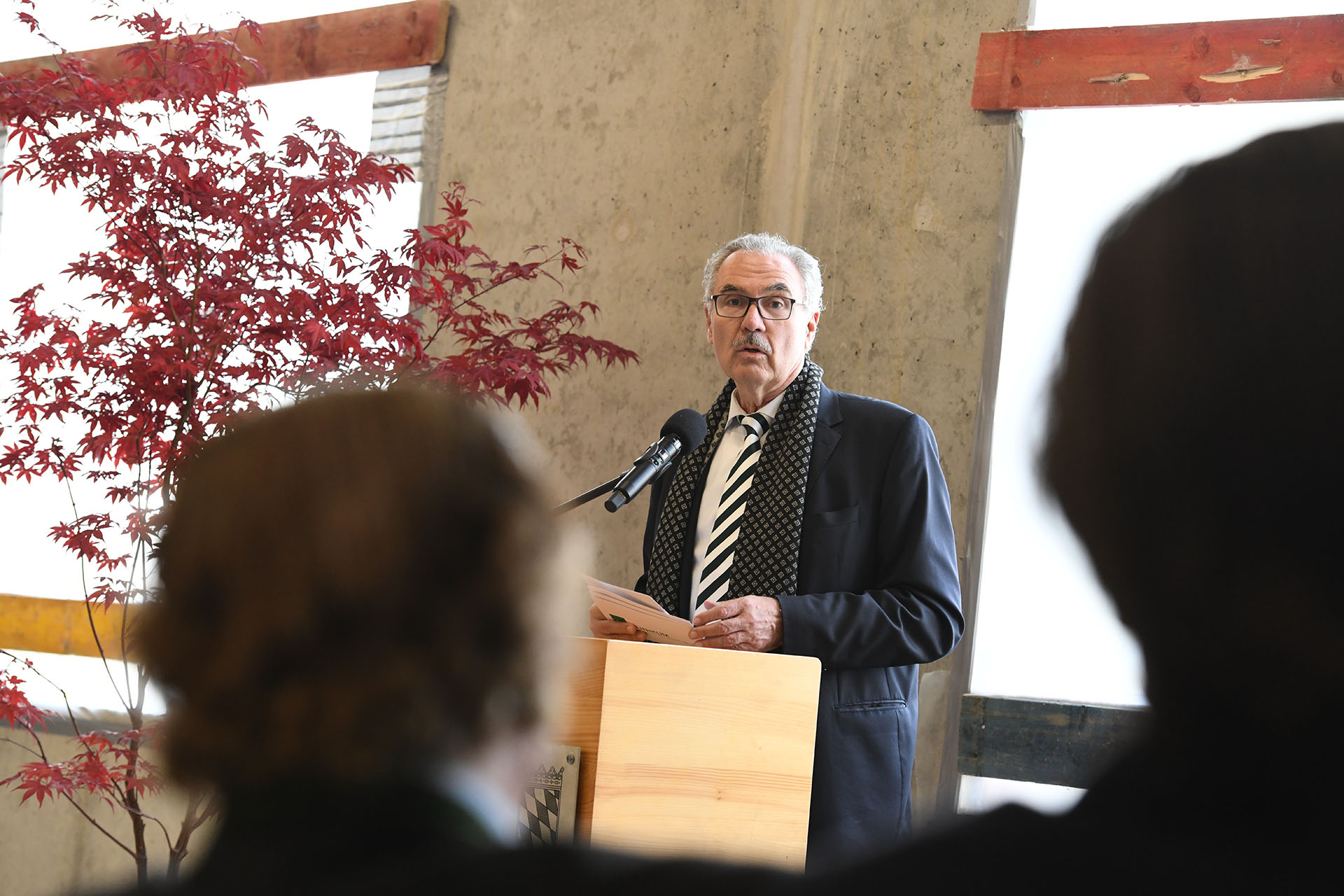
The topping-out ceremony for the Neue Hauner on September 29 marked another important milestone on the way to this forward-looking facility. Christian Bernreiter, Minister of State for Housing, Construction and Transport, gave the keynote speech. Stephanie Jacobs, Head of Office for the State Ministry of Science and the Arts, was on site, and other guests of honor such as Princess Ursula von Bayern and well-known donors and supporters of the New Hauner were also present.
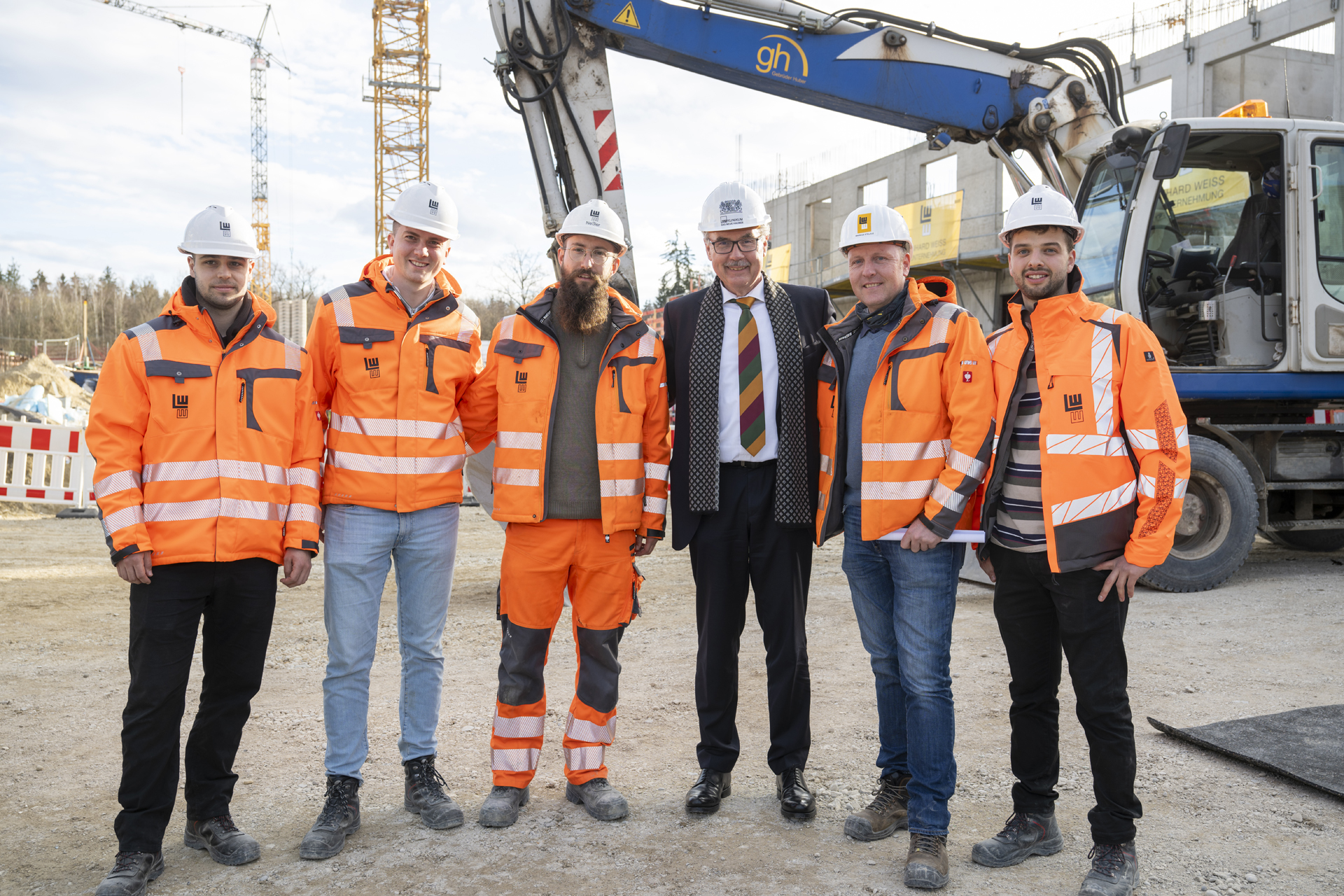
The topping-out ceremony marks an important milestone for the New Hauner: it symbolizes the progress that has been made on the building and at the same time a look ahead. The building builds on the rich history of the children's hospital, combining state-of-the-art research, cutting-edge medical care and elements of "healing architecture", a contemporary design concept for hospital buildings. The result is a place that combines healing, care and future-oriented medicine and will shape the development of the Großhadern hospital campus. We would like to thank everyone involved - the craftsmen and women, the planners and all partners who have contributed to the success of this project with great commitment and passion.
Construction work going according to plan
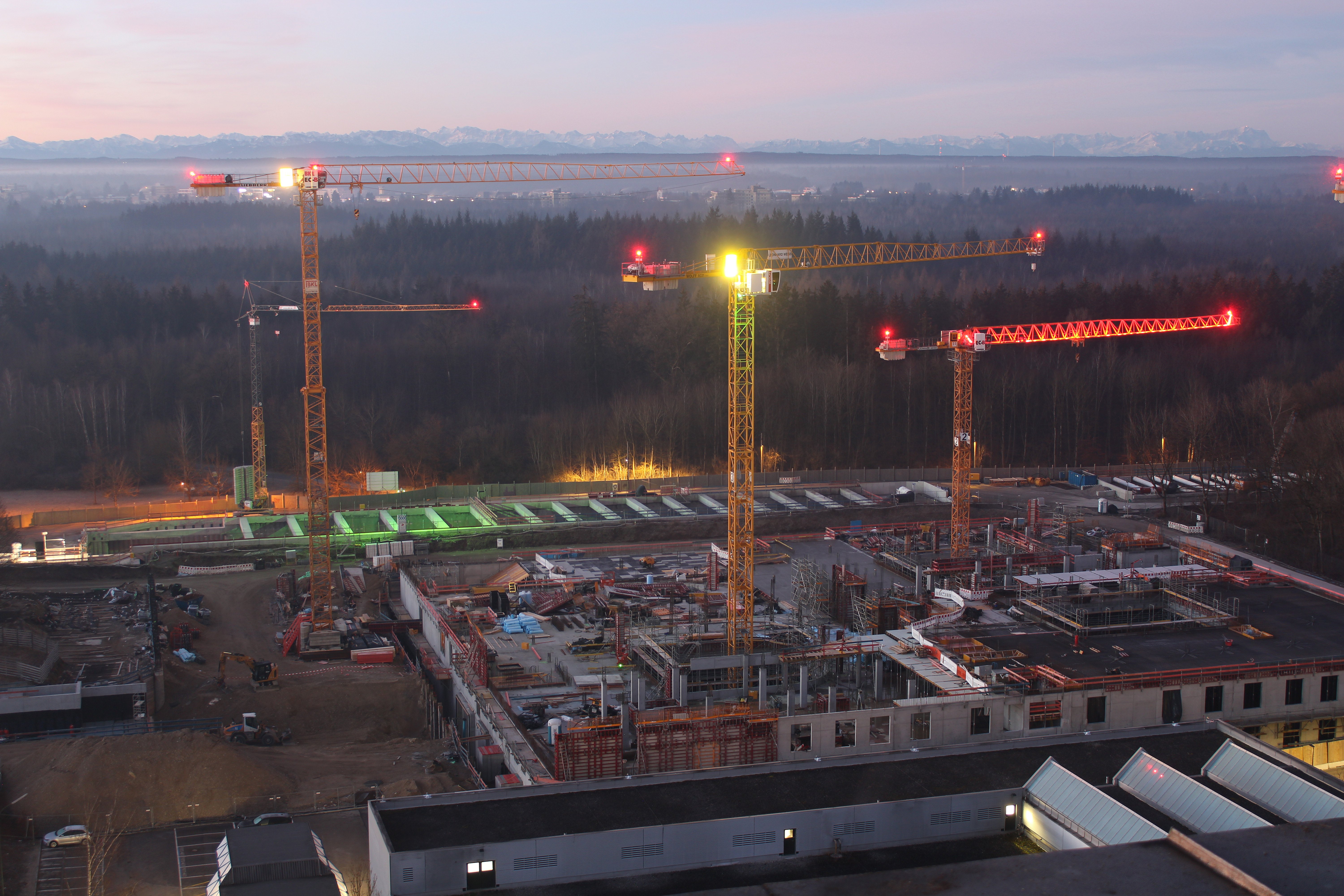
The ground-breaking ceremony for the Neue Hauner took place in March 2023. Once the shell construction work has been completed, four upper floors and two basement floors will be visible on the campus, and the access tunnel with a length of over 320 meters to connect the supply and disposal systems is almost complete. Construction of the façade and interior work is scheduled to begin in 2026, with technical commissioning starting in mid-2028. Handover to the LMU Klinikum is planned for the turn of the year 2029/2030.
Christian Bernreiter, Minister of State for Housing, Construction and Transport
"The New Hauner is currently one of the most important construction projects in Bavaria: the new building stands for the aspiration to offer all children the best possible medical care. With the ultra-modern clinic building, we are creating a child-friendly environment in which the focus is not only on physical healing but also on the mental well-being of the young patients. Healing architecture is the keyword here.
At the topping-out ceremony, we can draw a small interim balance: We are right on schedule and on budget - so praise and thanks to everyone involved in the construction."
Image
Image
Image
Image
Image
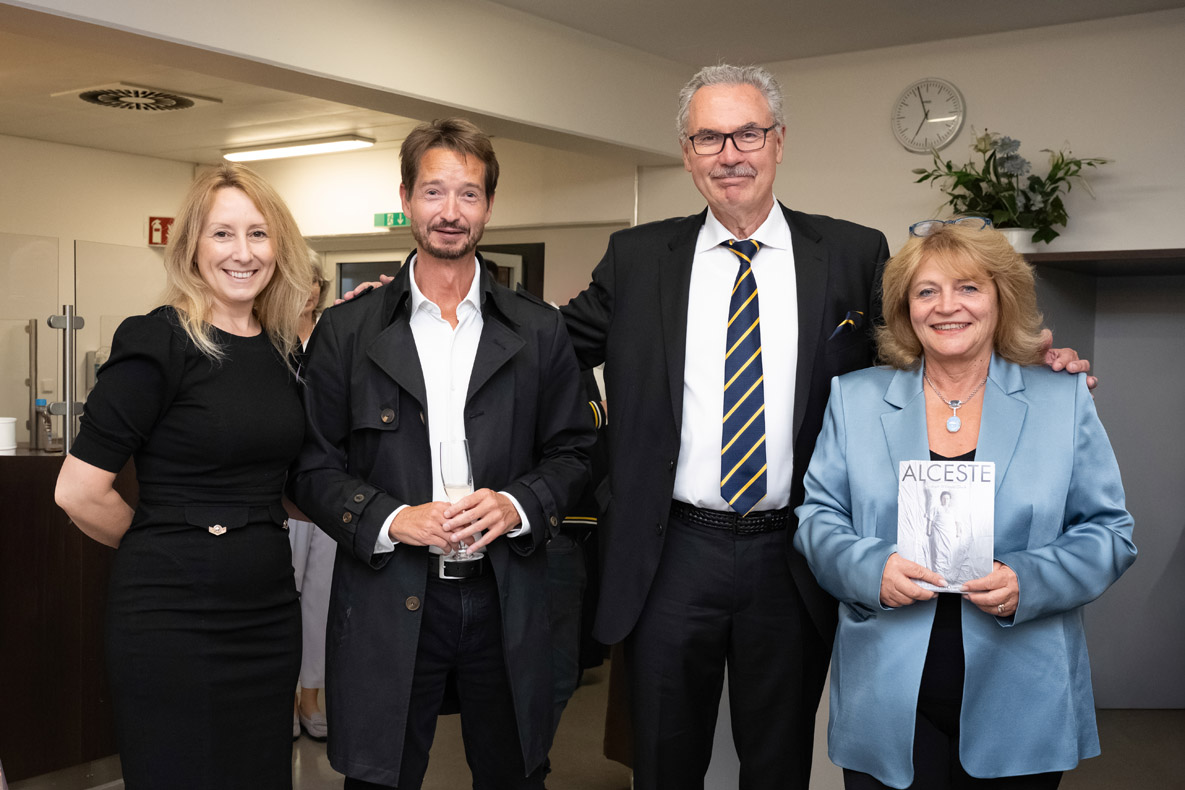
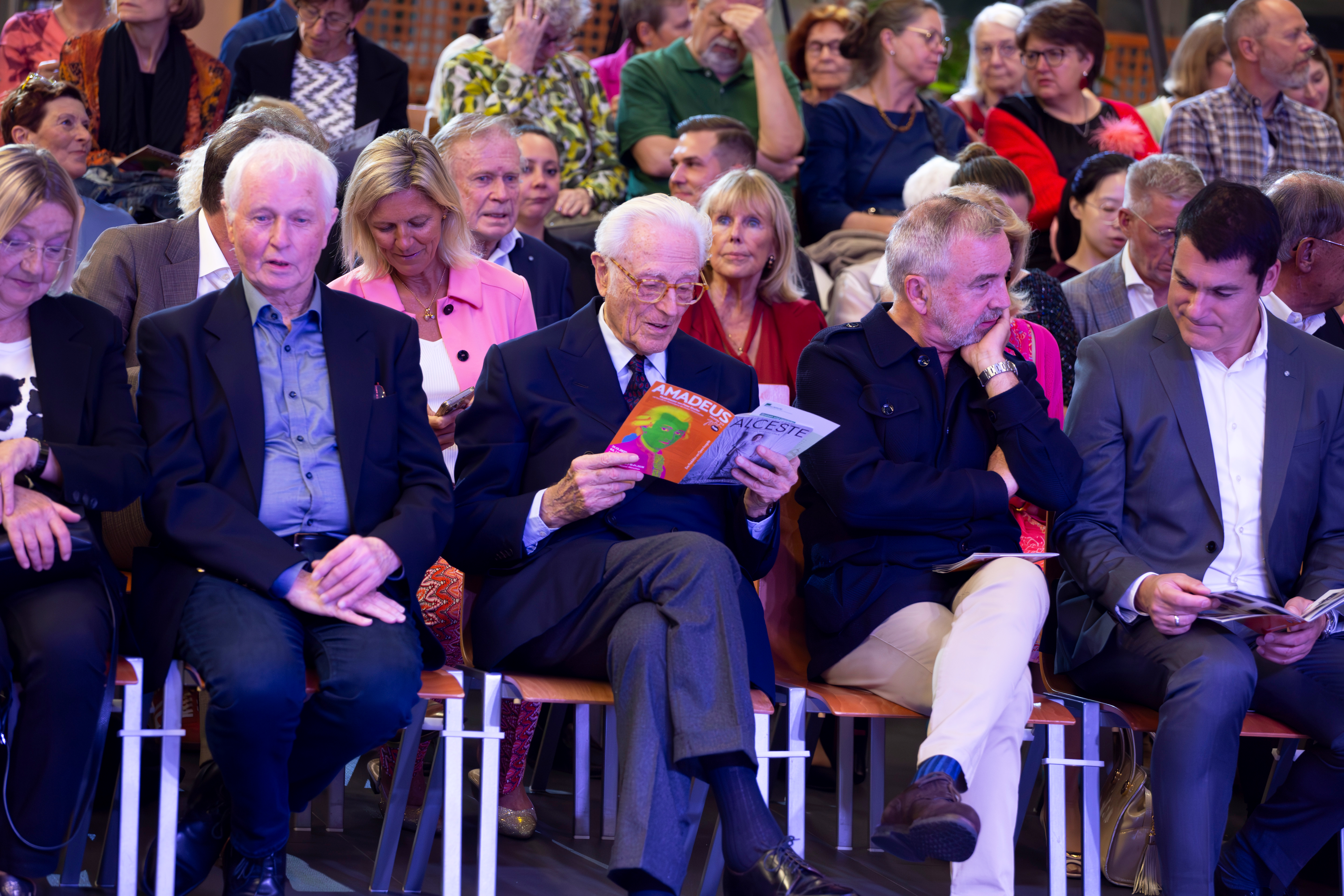
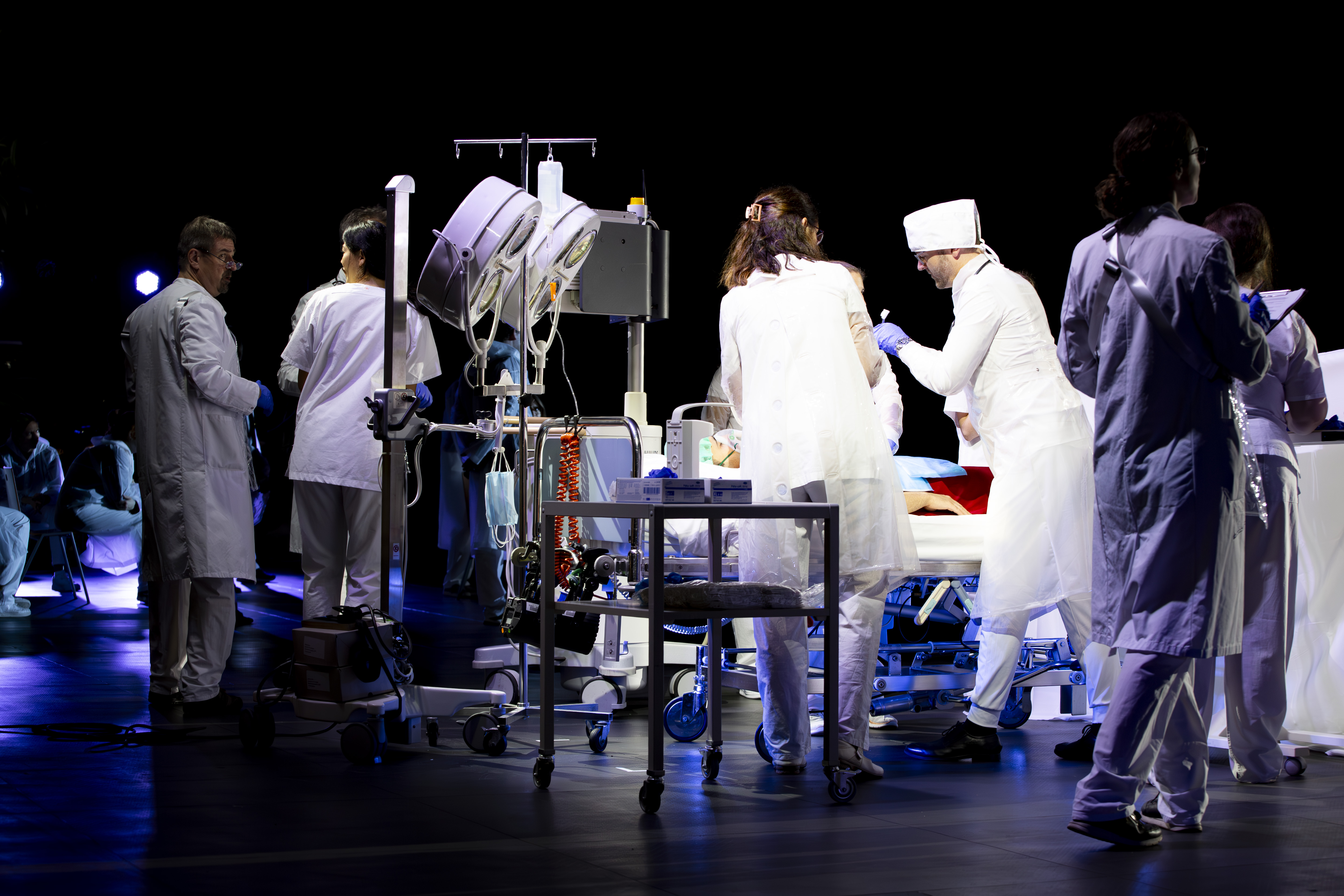
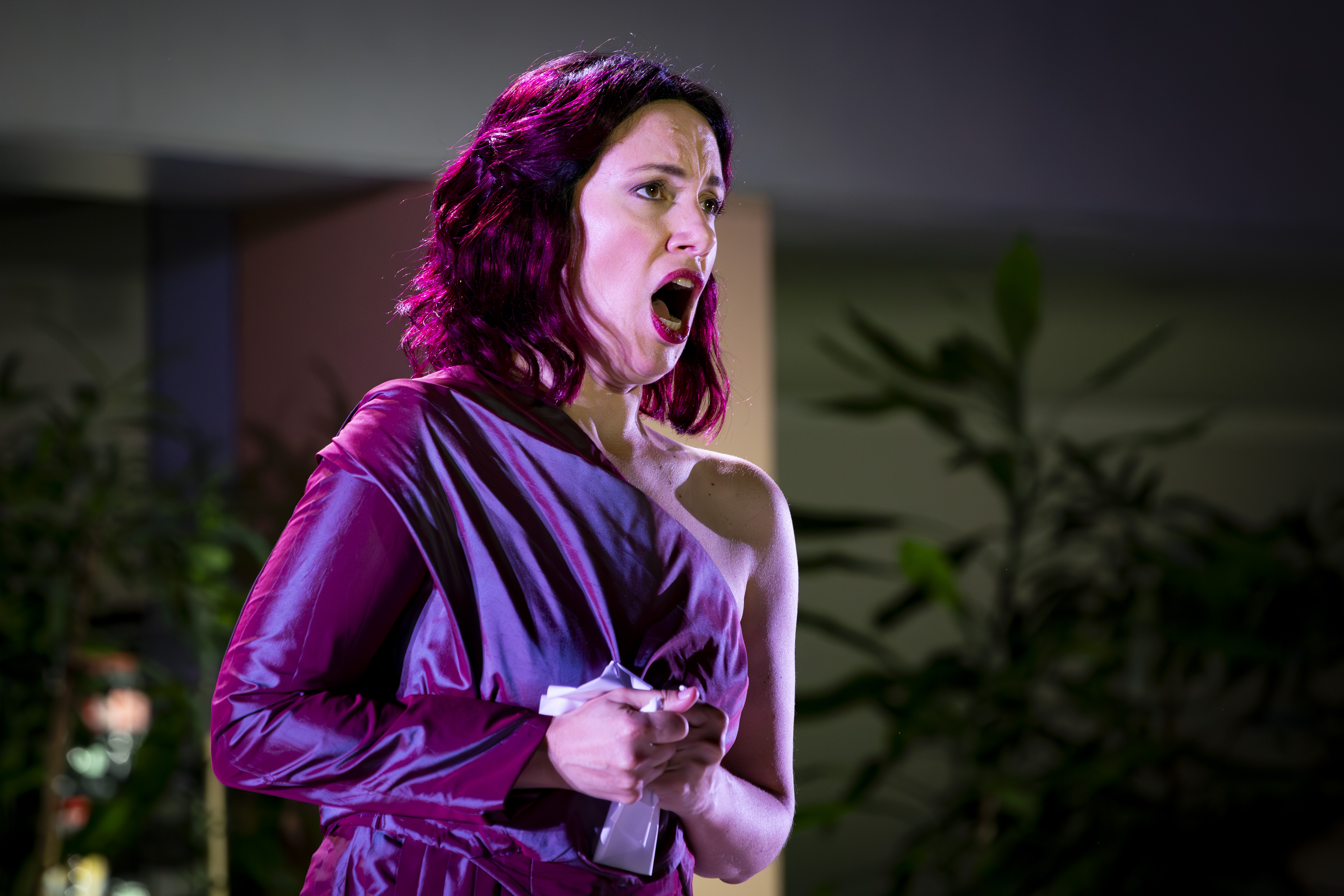
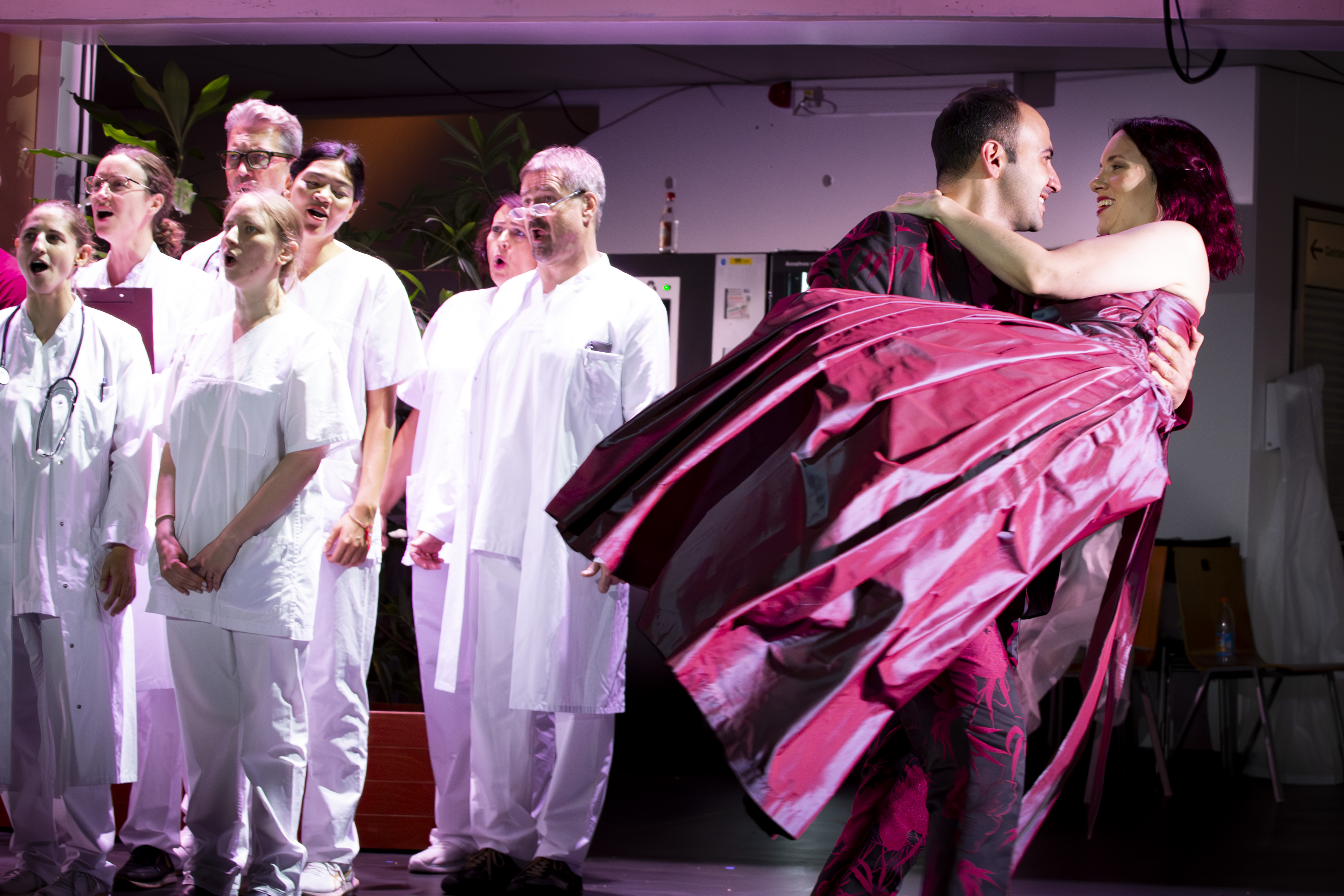
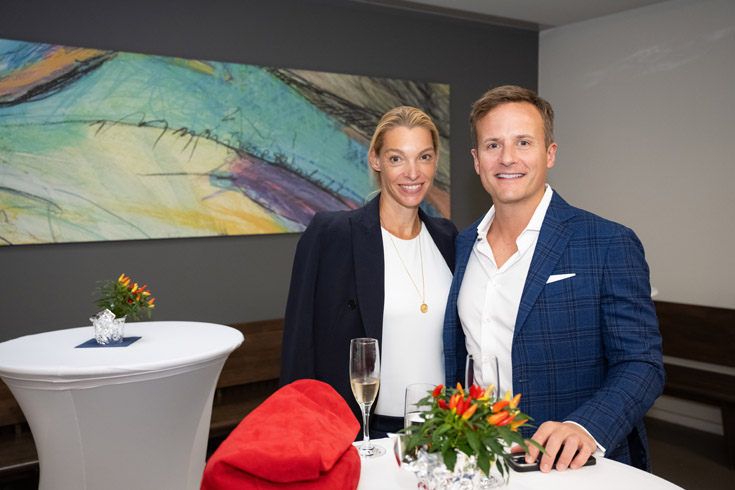
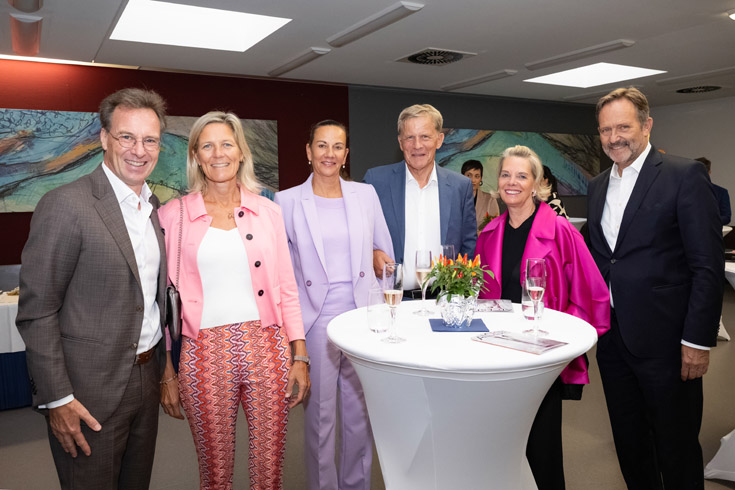
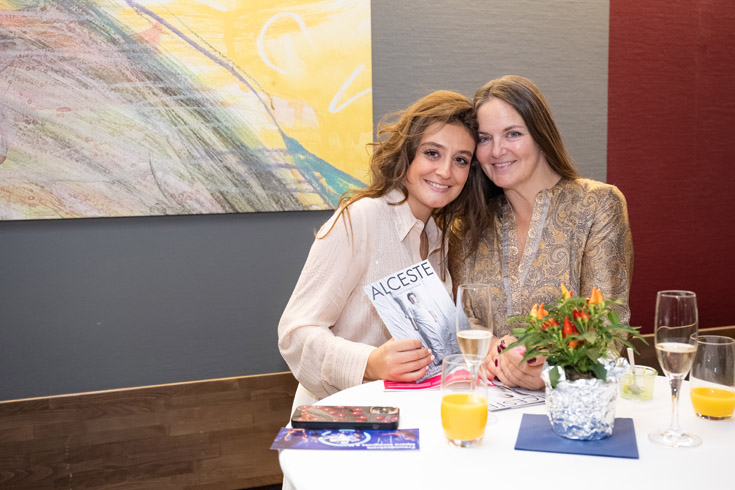
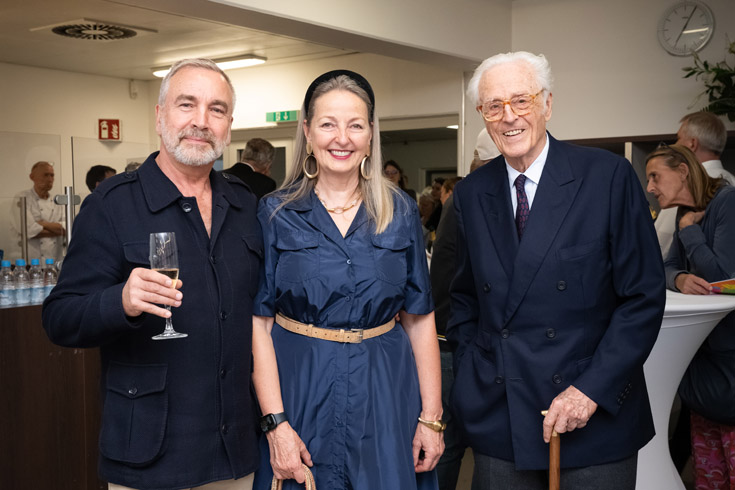
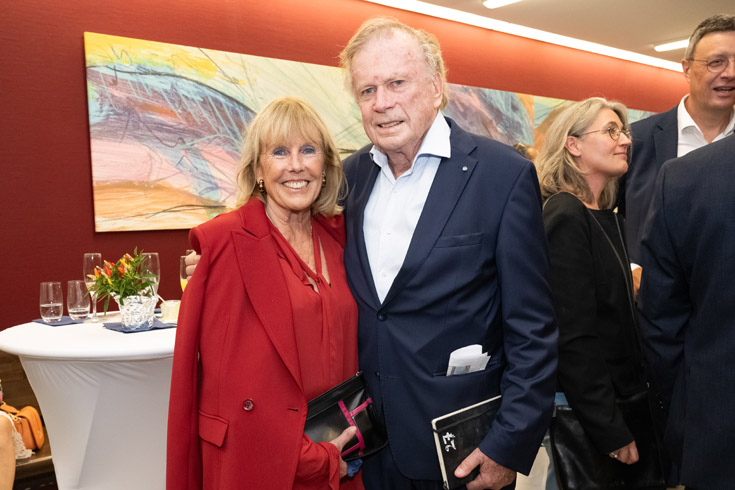
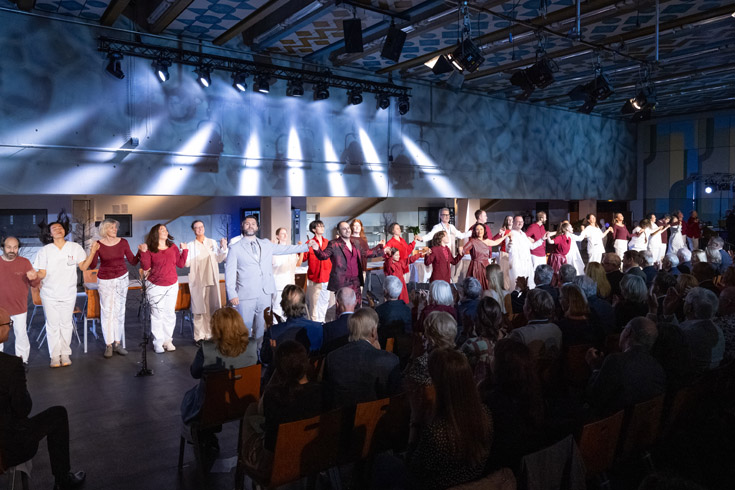
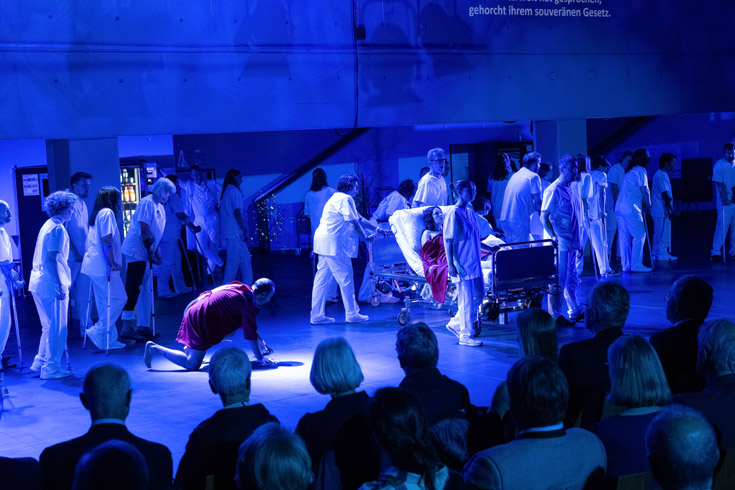
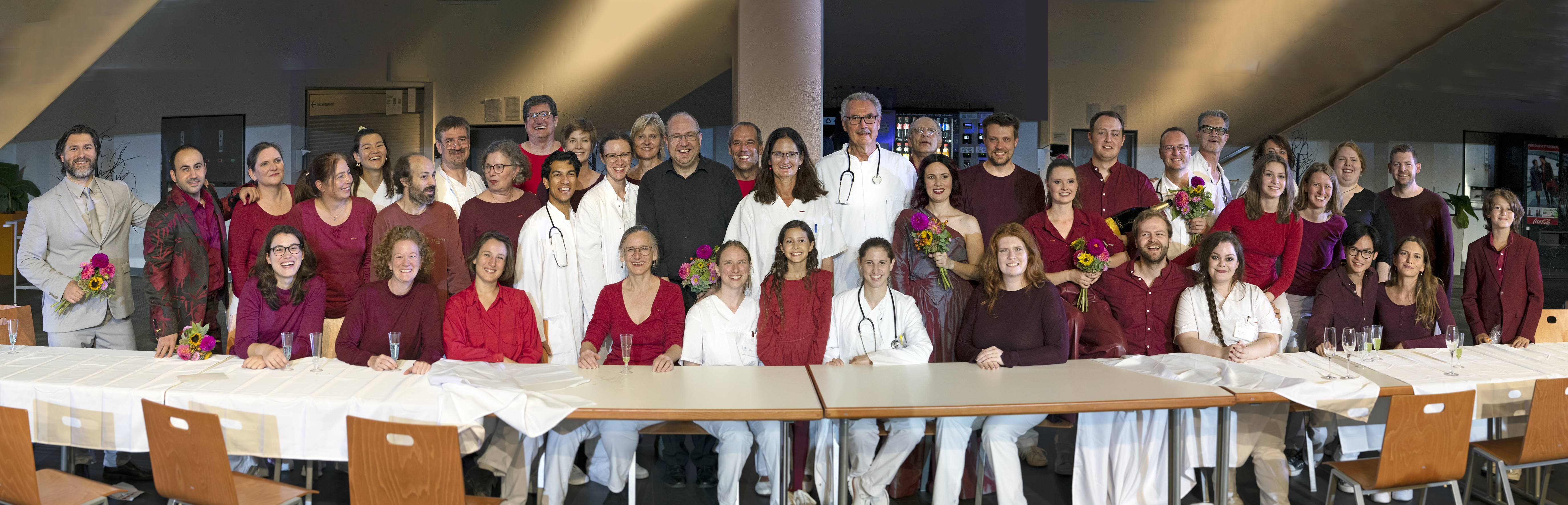
On August 29, there was a premiere of a special kind at LMU Klinikum Großhadern: the Opera Incognita ensemble performed Gluck's "Alceste" not on a classical stage, but in the middle of the LMU Klinikum's casino. Between operating theater lights and spotlights, an atmosphere was created that touched patients, staff and guests alike.
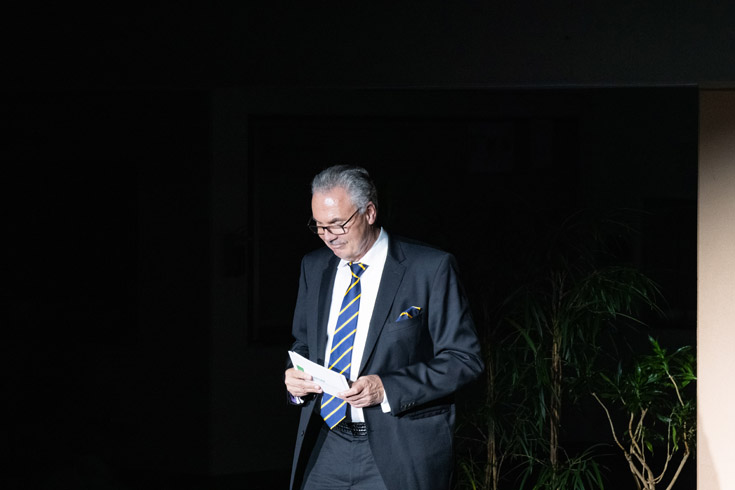
The initiative by Medical Director Prof. Markus M. Lerch shows how powerful the combination of medicine and culture can be - and that a hospital can also be a place for inspiration, community and great art. What is particularly nice is that the performance also supports the valuable work of DKMS Germany. With around 1,800 visitors, all six ALCESTE performances at the Großhadern campus were very well attended.
🙏 A big thank you to Prof. Lerch for this extraordinary project.
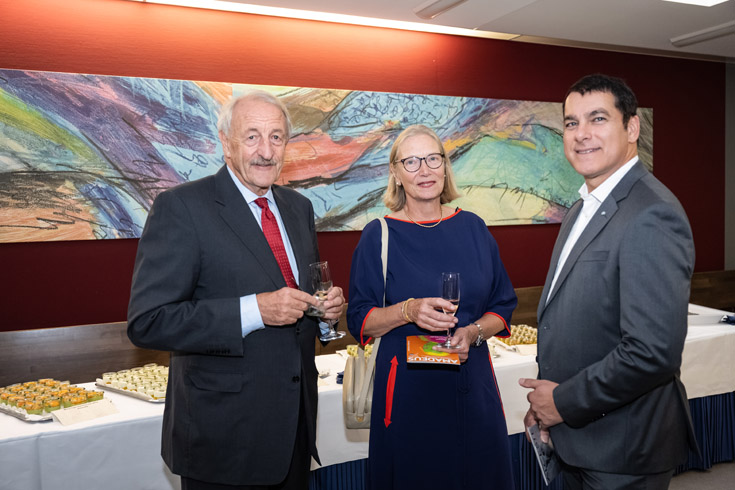
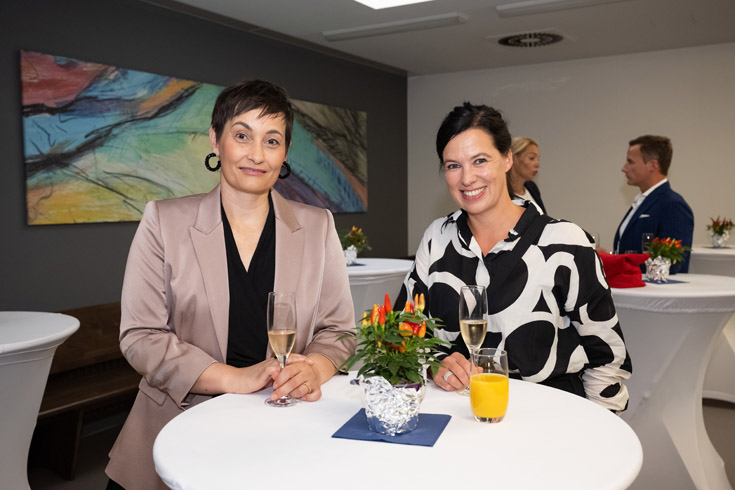
In addition to the highest-ranking lover of opera, HRH Duke Franz of Bavaria (with HRH Gabriela von Habsburg), many other renowned guests from society, business and politics enjoyed the musical performance. Patients were also entertained for a few hours.Here are a few impressions in the picture gallery:
Image
Image
Image
Image
Image
Image
Image
Image
Image
Image
Image
Image
Image
Image
Image
Image
Image
Image
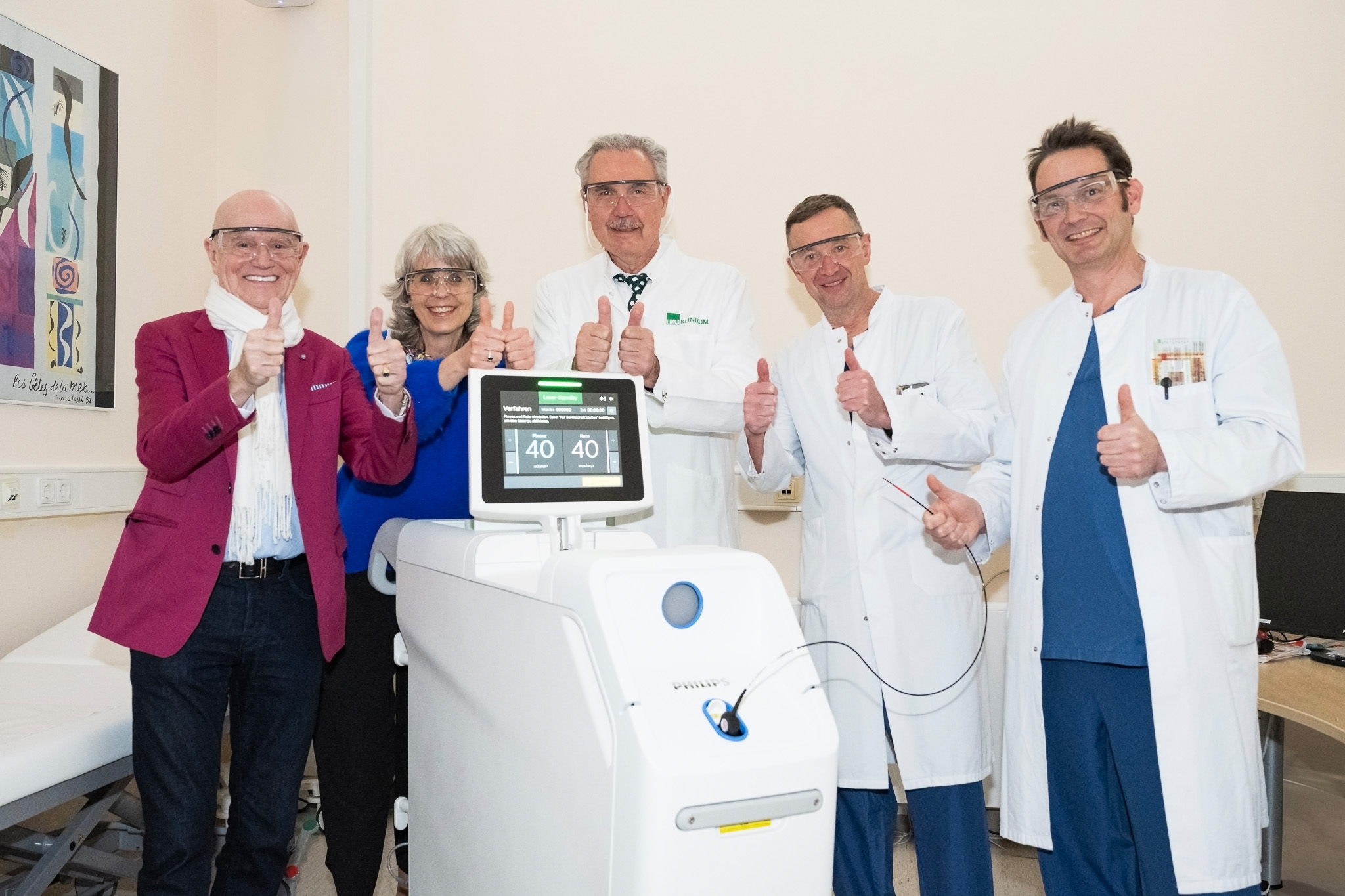
The time had finally come: at the end of March, the Medical Director of the LMU Clinic, Prof. Dr. Markus M. Lerch, was able to hand over the state-of-the-art laser device for patients with heart disease in the pacemaker outpatient clinic to the Director of the Clinic for Cardiac Surgery, Prof. Dr. Christian Hagl. This acquisition of the latest laser technology was made possible in part by the generous donation from Prof. Dr. phil. h.c. Erich Lejeune, who donated 20,000 euros via the Heart for Heart Foundation. A total of 250,000 euros was raised for cardiac medicine at the LMU Clinic through private donations.
The new state-of-the-art laser device makes it possible to perform minimally invasive procedures on patients with heart disease, e.g. to open narrowed coronary vessels or remove defective pacemaker probes. With this gentle method, operations can often be avoided. This provides patients with lasting relief, also because they recover better and faster.
Prof. Dr. Markus M. Lerch: "The LMU Clinic is one of the largest and best maximum care hospitals in Europe. In addition to research and teaching, it is very much about providing the best possible care for sick people, but money also plays a role here. Without the donations collected through fundraising, many things would not be possible at the hospital. I am delighted that we have now been able to purchase this ultra-modern heart laser, which can save some of our heart patients an operation. And the next project, an innovative cardiac ultrasound device, is also already waiting to be realized: here we still need around 60,000 euros, which we hope to raise around Easter. The interior design for the NEUE HAUNER is also very important to us: Because, of course, the most modern children's hospital in Europe, whose foundation stone was laid on March 11 in the presence of Bavarian Minister President Dr. Markus Söder and Science Minister Markus Blume here at the Großhadern campus, also needs a child-friendly interior design for the patient rooms, examination rooms and emergency room. We are constantly working on this."
Easter final spurt for the innovative cardiac ultrasound device
Congenital heart defects, like little Mia's, are usually diagnosed and treated at an early stage. However, even if the affected children are able to participate in everyday life again without symptoms after successful treatment, regular check-ups are important throughout their lives - usually using ultrasound. The more accurately the ultrasound device images the vascular and organ structures, the more precise the diagnosis and the more targeted the treatment. This is why research is constantly developing the procedures further. By acquiring the latest generation of cardiac ultrasound equipment, the LMU Clinic aims to make these advances available to its patients as quickly as possible.
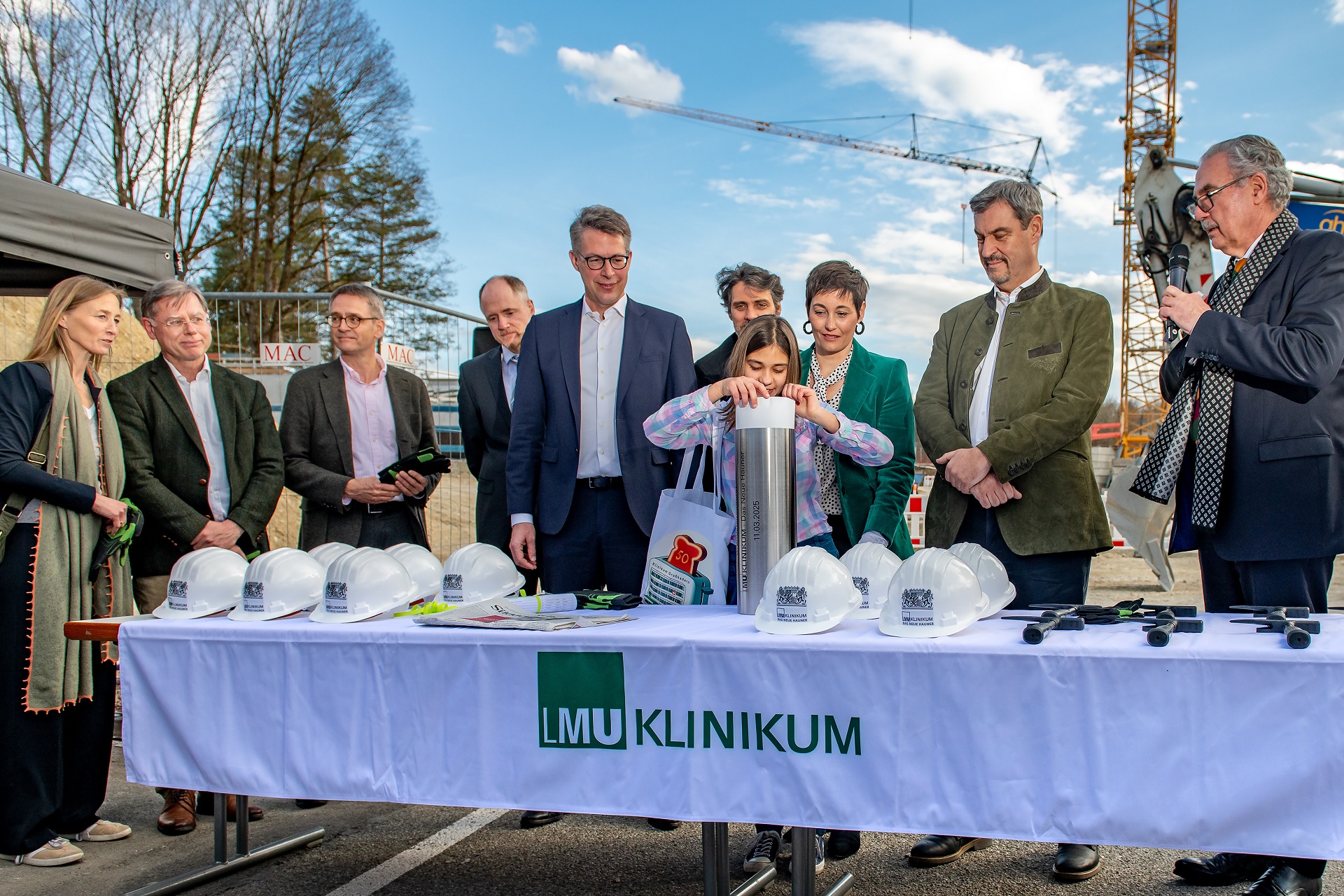
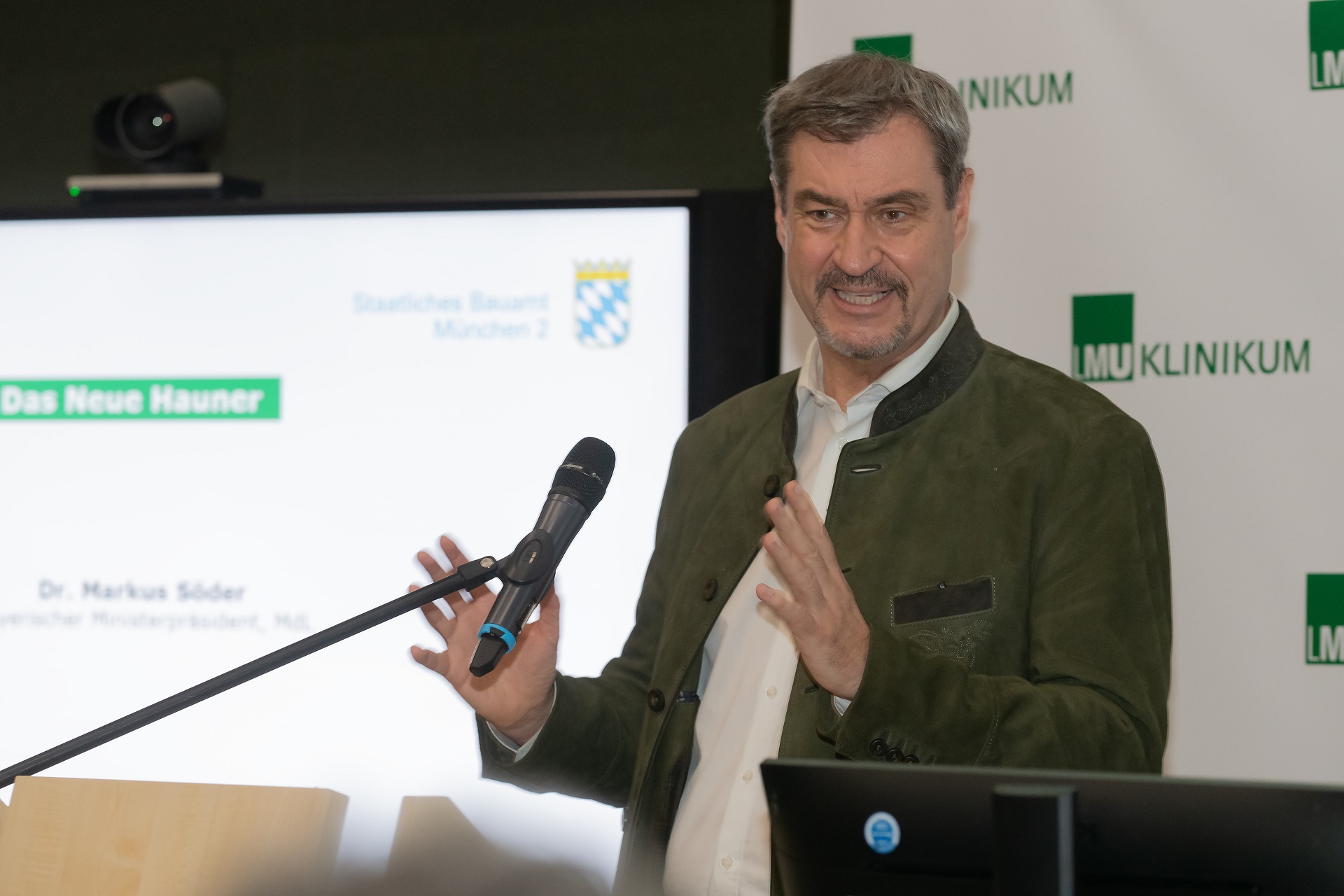
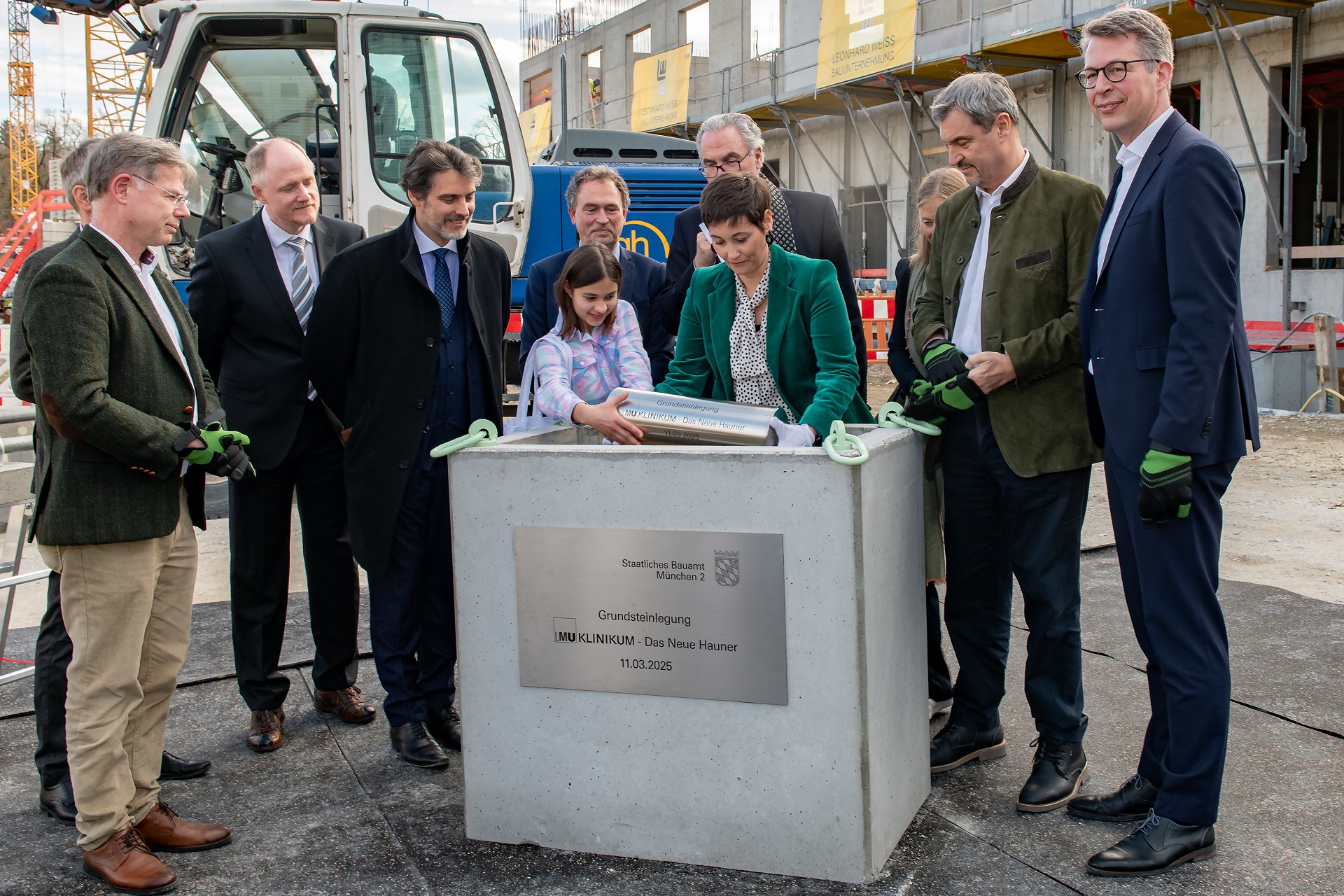
The New Hauner will succeed the internationally renowned Dr. von Hauner Children's Hospital at the end of this decade. With the laying of the foundation stone on March 11, the LMU Klinikum celebrated an important milestone on the way to a state-of-the-art children's hospital on the Großhadern campus in the presence of Bavarian Minister President Dr. Markus Söder and Science Minister Markus Blume. Prince Ludwig of Bavaria was present as ambassador of the NEW HAUNER. Around 300 guests from politics, society and LMU Klinikum attended the laying of the foundation stone under a white and blue sky. The new building with almost 200 beds will bring together the Clinics for Pediatrics and Pediatric Surgery with the integrated Social Pediatric Center and other facilities.
Heartfelt wishes went into the time capsule
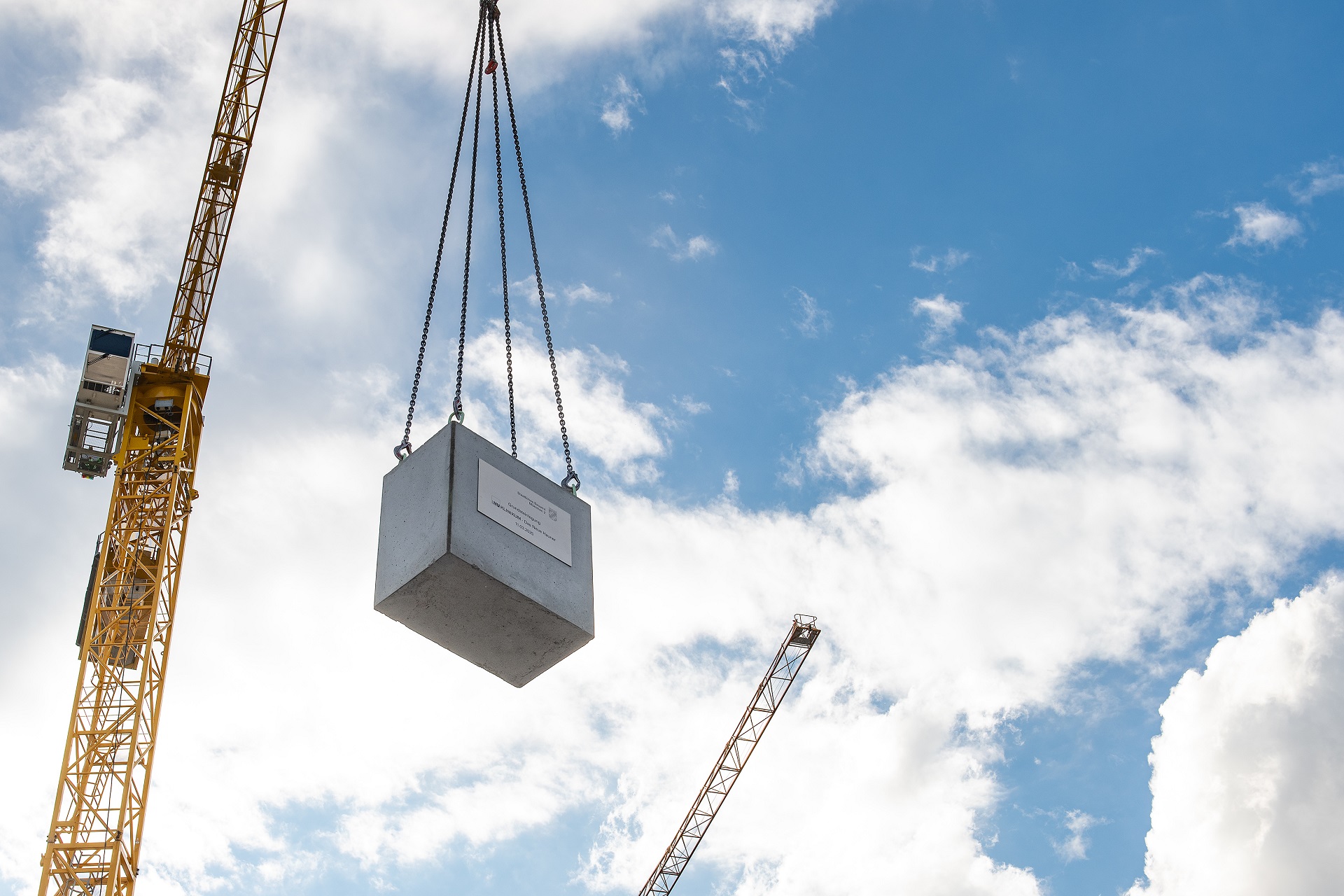
Of course, a time capsule was also filled, containing, among other things, daily newspapers, euro coins, a pterosaur figurine, the planning and continuation order for the new Hauner and the guest list. Minister President Markus Söder placed a Bavarian lion in the time capsule, while Science Minister Markus Blume contributed a Bavarian sippy cup. Twelve-year-old Romina, who received a new heart transplant at LMU Hospital in 2022, formulated her and her brother Valentin's wishes for the new building especially for the time capsule: including a good Wi-Fi connection and a school avatar so that the children can go to school virtually, a playground, activities such as pottery, yoga and games afternoons. "But the most important things are the things that money can't buy!" she wrote. Romina also put her wish list in the capsule. The time capsule was sunk into the symbolic foundation stone with the traditional hammer blows, and a crane then lifted it into the foundations of the new building.
Greeting from Dr. Markus Söder, Bavarian Minister President: "A great day for children's medicine in Bavaria: today's laying of the foundation stone for Das Neue Hauner on the LMU Großhadern campus marks the construction of the most modern children's hospital in Europe. Another important milestone for the health of our children and young people and a shining mosaic stone for medical care in Bavaria as a whole. Medicine is currently experiencing the most dynamic development in the history of mankind. We want to be part of this development. That is why we are investing heavily in technology and medicine. Both are key factors for current and future health and quality of life. The Free State's investment of around 550 million euros in Das Neue Hauner is money well spent, because our children deserve the best possible medical care! Thanks to all employees and all the best for the further construction."
Bavaria's Minister of Science Markus Blume: "This is the beginning of a new era for Großhadern, for Munich, for the whole of Bavaria: we are giving one of the most renowned children's hospitals in Germany a new home for 600 million euros. In future, the focus in Großhadern will also be on the little ones - right next to the existing clinic building. Our aim is to provide the best conditions for the care of sick children and research into new treatment methods. The 'Hauner' is a real institution here and an international flagship for the Free State of Bavaria. The new building is both a project close to our hearts and a promise for the future, because the health of our youngest patients is the most important thing of all. And the laying of the foundation stone today is also a real milestone for the overall Großhadern project. It underpins our claim to be the number one medical location."
Prof. Dr. Markus M. Lerch, Chairman of the Board and Medical Director of LMU Klinikum: "With the construction of the New Hauner, the Free State of Bavaria is setting an example more than 170 years after August von Hauner's founding idea. The first new building of the Dr. von Hauner Children's Hospital on Goetheplatz from 1882 has developed into one of the world's most renowned children's hospitals. The New Hauner on the Großhadern campus will continue its tradition and, once completed, will be the most modern and child-friendly clinic for pediatric and adolescent medicine in Europe. As LMU Klinikum, we are very grateful for this major investment by the Free State of Bavaria, which has also given the go-ahead for the renewal of our entire medical campus in Großhadern after more than 50 years."
Construction work on schedule. Support through broad civic engagement.
The Free State of Bavaria is contributing 550 million euros to the total construction costs of 600 million euros, with 50 million euros coming from donations and LMU Klinikum's own contribution. The construction of the New Hauner is largely supported by a broad civic commitment. So far, donations of around 28 million euros have been collected for the construction, the realization of special projects in patient care as well as for research and teaching. The current focus of fundraising is on the child-friendly interior design of examination rooms, outpatient clinics and patient rooms in the New Hauner. The aim is the holistic well-being of all those involved in the recovery process - a concern that was already particularly close to the heart of the founder of the Dr. von Hauner Children's Hospital.
Image
Image
Image
Image
Image
Image
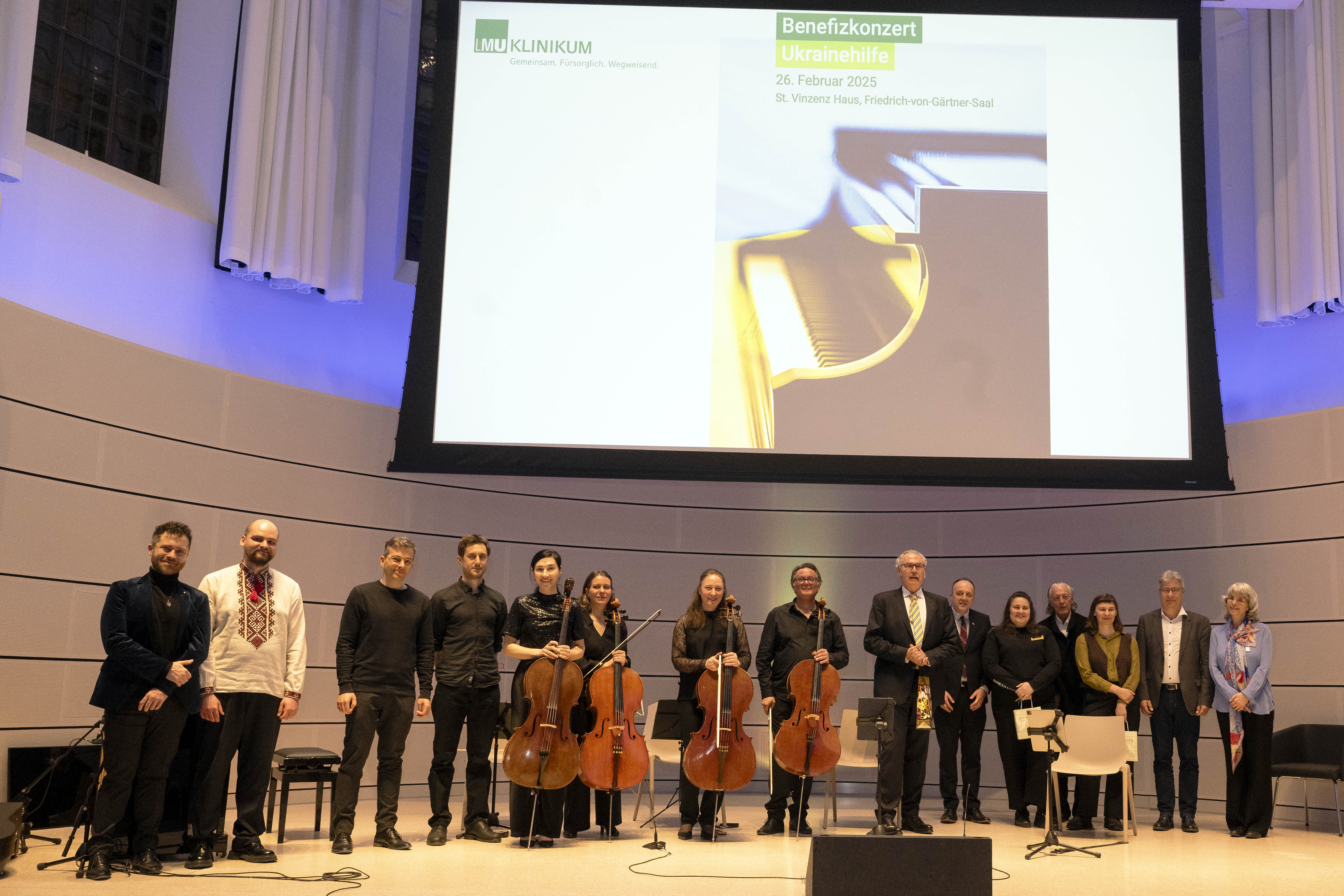
On February 26, 2025, around 180 visitors experienced a musically varied and moving benefit concert at the St. Vinzenz Haus of the LMU Hospital.Organized by PD Dr. Christian Schulz and historian PD Dr. Iryna Klymenko, renowned artists as well as the Ukrainian Bachmann Prize winner Tanja Maljartschuk performed, reminding us that we in Germany are not spectators, but have long been victims. Chairman of the BoardProf. Dr. Markus M. Lerch hosted the charity evening.
More than 8,000 euros were raised for Ukrainehilfe that evening.One hundred percent of the proceeds will go to Unbroken, which runs a rehabilitation center in Lviv for people with severe war injuries.Maryana Svirchuk, the director of the Unbroken rehabilitation center, impressively explained the medical challenges that have to be overcome there on a daily basis. "The team has now treated more than 19,000 war-wounded people, including children and civilians. After an attack, several hundred wounded often have to be treated, many of them with severe injuries such as burns, severed limbs and psychological trauma." Specialist areas such as reconstructive surgery and prosthetics are among the core areas. "However,Unbroken not only focuses on acute medical treatment, but also supports the injured and their families during rehabilitation. That's why psychology and psychiatry as well as sport and resocialization are also part of the repertoire," explained Maryana Svirchuk.
"The beginning of the Russian war of aggression against Ukraine marks a profound turning point in the history of Europe. Since the beginning of the war in Ukraine, the LMU Klinikum has continuously provided support for those affected by donating money and goods. It is important and necessary for us to give this commitment new impetus," says Professor Markus M. Lerch.
Donations are requested.
LMU Klinikum donation account atBayerische Landesbank,
IBAN: DE73 7005 0000 0011 0200 40,Purpose: 1012007 Benefit concert Ukrainehilfe
If you would like to donate directly online directly online, you can do so here via the new LMU Klinikum endowment fund:
LMU Clinic Endowment Fund
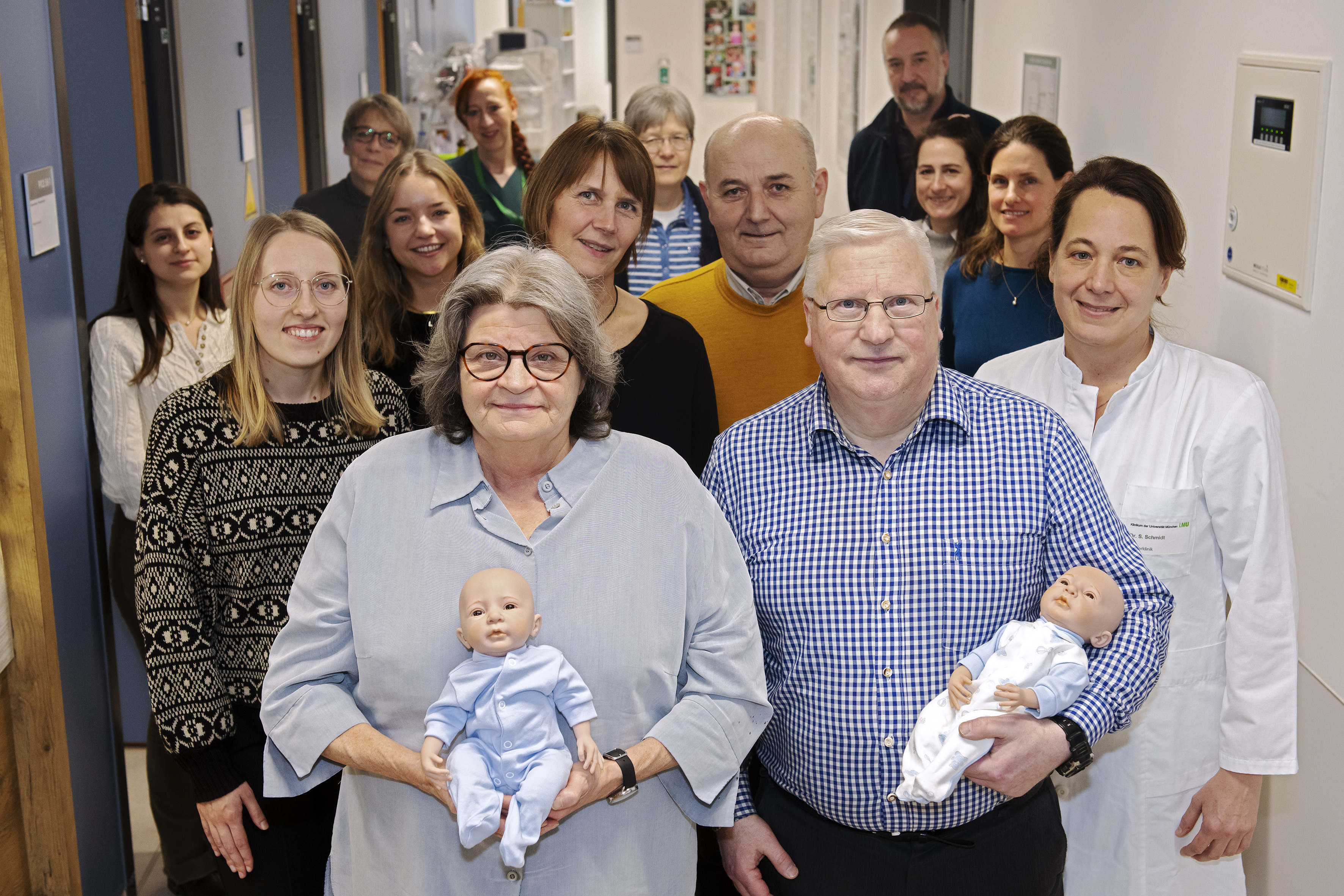
The "EFIB®" project, funded by the Förderverein FrühStart ins Leben e.V., is available at three neonatology sites of the LMU Clinic. EFIB® stands for development-promoting, individual, family-centered care for premature and newborn babies and includes the precise observation of the behaviour of premature and newborn babies, the recognition and early alleviation of stress stimuli and the strengthening of parental skills. The interprofessional project team implements the knowledge acquired in a certified EFIB® training course at the neonatology departments of the Innenstadt and Großhadern campuses. For practical exercises on the implementation of special development-promoting handling, the Neo team was presented with two premature baby demonstration dummies by two employees of the LMU Clinic, Markus Busse and Ilka Stewen-Ischep. The funds came from donations that were generated from the book trolley at the Großhadern campus, among other things.
Thank you for your commitment! After all, the smaller contributions from individuals, which often come from the heart, are very important for the LMU Klinikum.
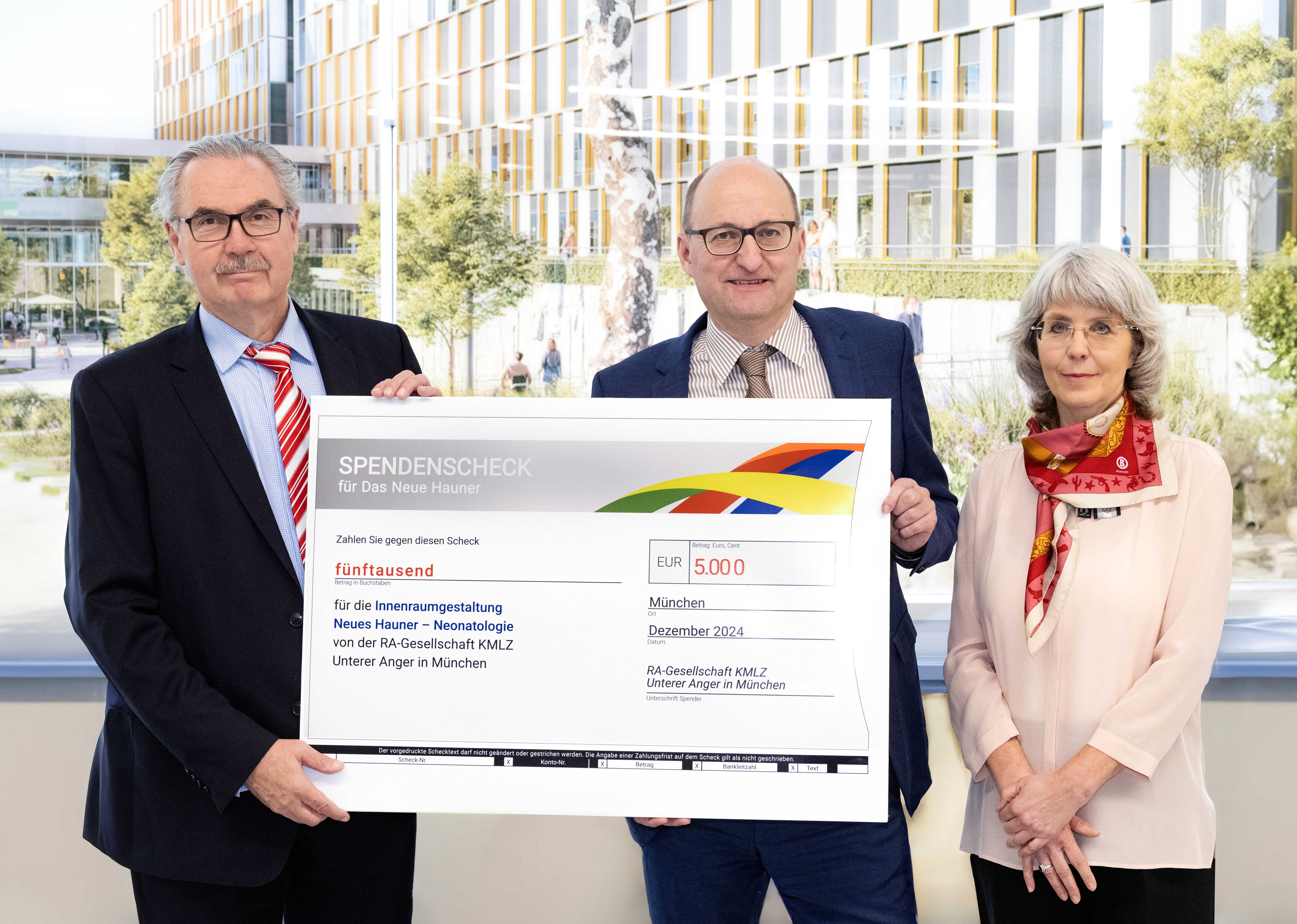
For newborns in particular, being close to their parents is invaluable. When a child is born ill and needs intensive medical care, this connection is particularly important. The little fighters need good medical care as well as warmth and security. It is also extremely important for parents to be able to be close to their babies during this challenging time. The so-called Family Worlds in the New Hauner are designed to make this possible: With a protected retreat where families can be together - even in intensive care. A great project that the Munich-based law firm KMLZ is very happy to support in order to give the affected families a little bit of normality during a difficult time.
#If you would also like to support the child-friendly facilities in the NEUEN HAUNER, the most modern children's hospital in Europe, which is currently being built on the Großhadern campus, you are very welcome to make a donation to:
Stiftung Das Neue Hauner, IBAN: DE44 7015 0000 0000 8008 88 (please specify the purpose: interior design).
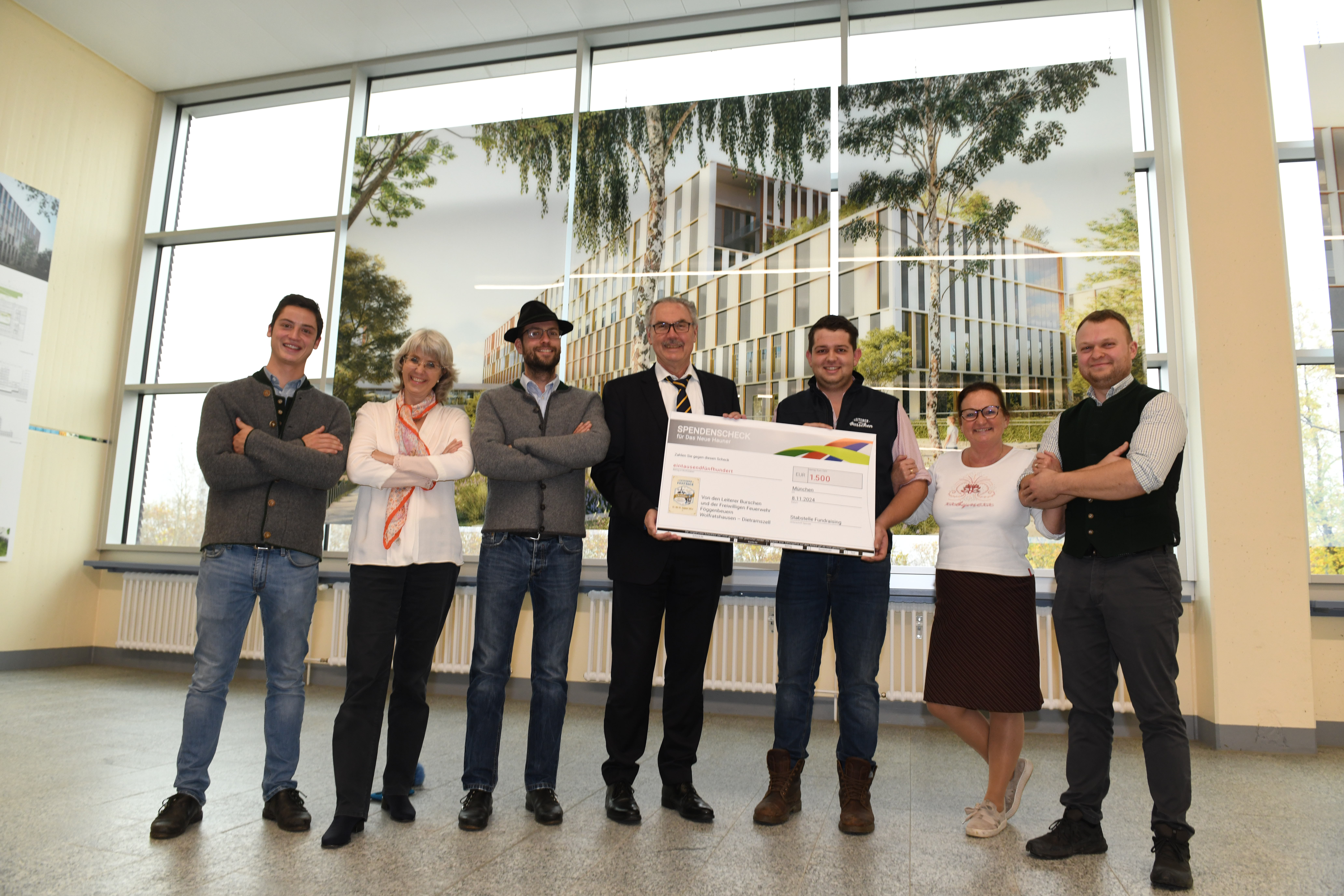
The Leiterer Burschen e.V. and the Föggenbeuern volunteer fire department celebrated their club anniversary in August this year together with other clubs. Together they decided to donate the proceeds from the big anniversary party to the interior design of the NEUEN HAUNER. The board of the boys around Tobias Killer and the volunteer fire department came to the LMU Klinikum to hand over their donation cheque for 1,500 euros to the Chairman of the Board, Prof. Dr. Markus M. Lerch.
We say thank you for this great commitment!
If you would also like to support the interior design of the NEUEN HAUNER, you can do so with your Christmas donation to: Stiftung Neues Hauner, IBAN: DE44 7015 0000 0000 8008 88 (please state the purpose: interior).Every donation helps to ensure that the patient rooms, the parent-child rooms, the pediatric emergency rooms or the recreation rooms of the NEUEN HAUNER are furnished and designed with children in mind.
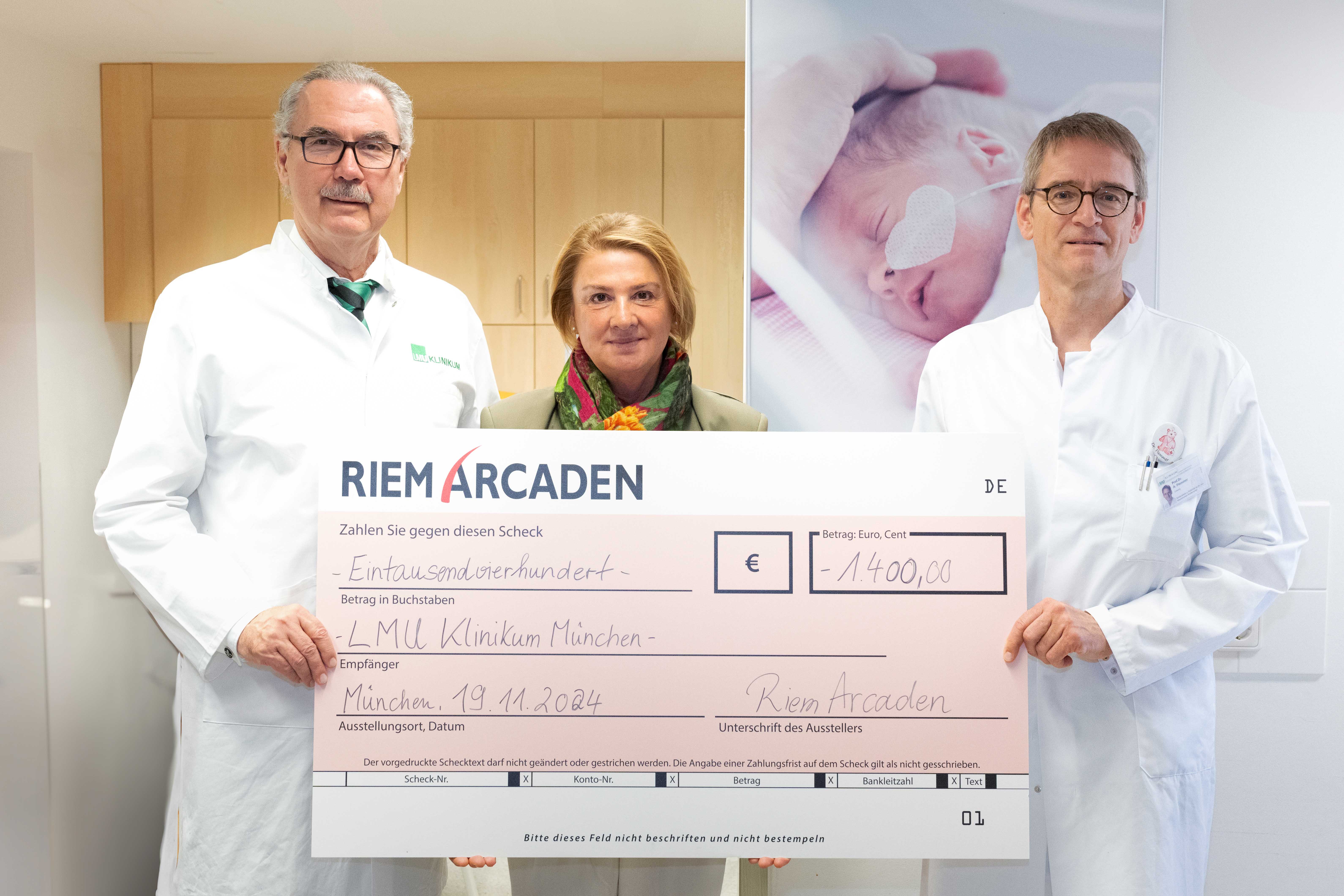
This year, Riem Arcaden once again demonstrated its social commitment at Christmas time. They presented a donation check in the amount of 1,400 euros to the LMU Clinic. The donation, handed over to Medical Director Prof. Markus M. Lerch, will enable 40 Christmas vouchers worth 35 euros each to be issued to families whose children are being treated in the neonatal intensive care unit.
The support will benefit families who are often in a tense life situation for months due to the perinatal treatment of their premature or high-risk children. In addition to the emotional stress and worry about their children, they often also face financial difficulties. The vouchers enable the affected families to do some small Christmas shopping and experience a bit of normality in the midst of their worries. "Small gestures can make a big difference. Every donation helps to give a little Christmas joy," emphasizes Yvonne Schiffner-Schwarz, center manager of Riem Arcaden, who has been committed to supporting families in need for years.
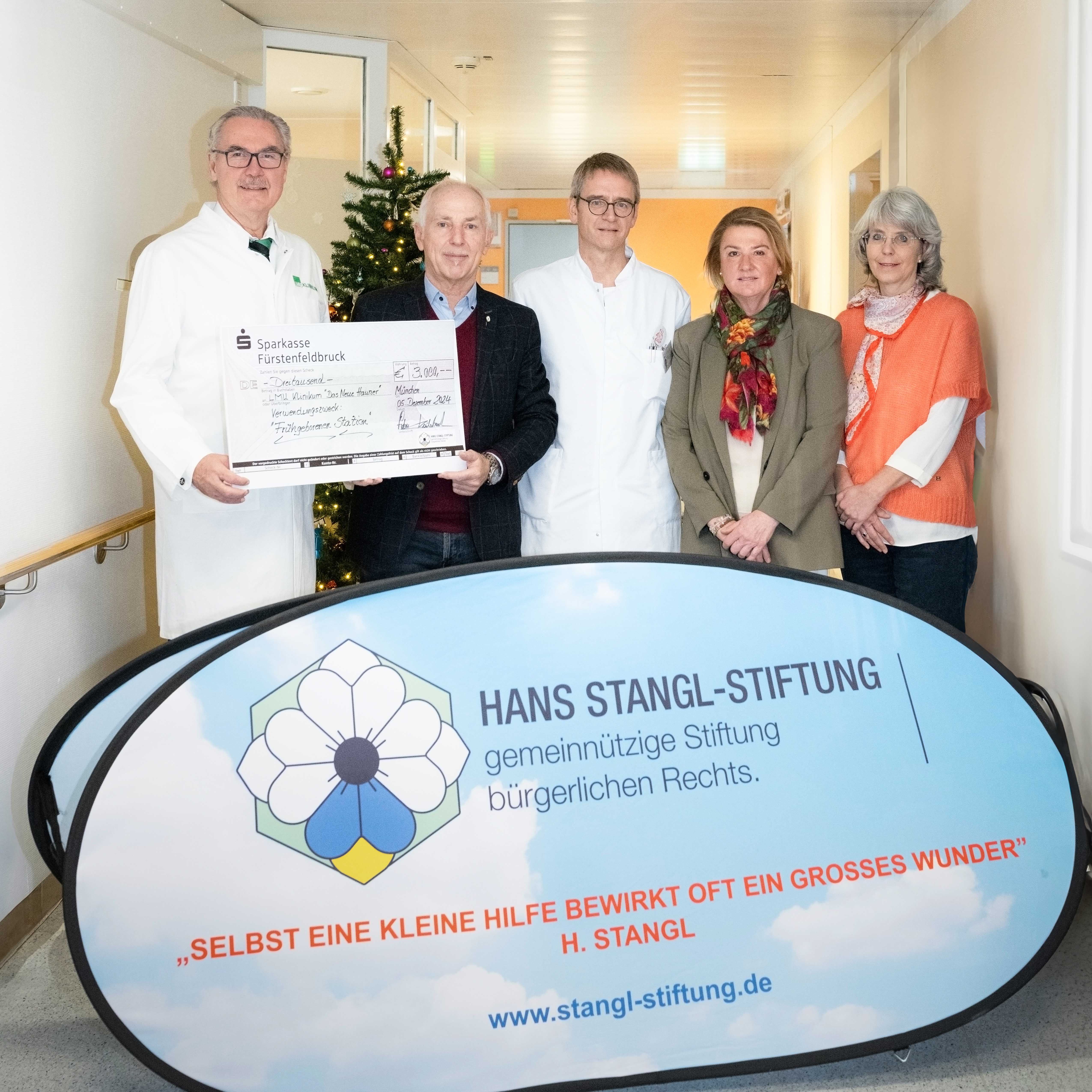
Anton Reichenbach from the board of the Hans Stangl Foundation presented a donation check for premature babies and their families on December 5. Professor Dr. Markus M. Lerch, Chairman of the LMU Klinikum, and Professor Andreas Flemmer are delighted with the generous donation from the district of Fürstenfeldbruck. The donation will be used to furnish the interior of the neonatal intensive care unit in the NEW HAUNER, the most modern children's hospital in Europe, which is currently being built on the Grosshadern campus. With the NEUEN HAUNER, the LMU Klinikum aims to create optimal conditions for the future to provide the smallest patients with the best possible care and help them to recover. Whether in the patient rooms, the parent-child rooms, the emergency rooms or the common rooms - a modern children's hospital needs loving, child-friendly furnishings and design.
If you would also like to help:DAS NEUE HAUNER Foundation, Stadtsparkasse München, IBAN: DE44 7015 0000 0000 8008 88, BIC: SSKMDEMM (Please always state the purpose: interior design).
#We wish you and your family a peaceful Christmas and a healthy 2025.
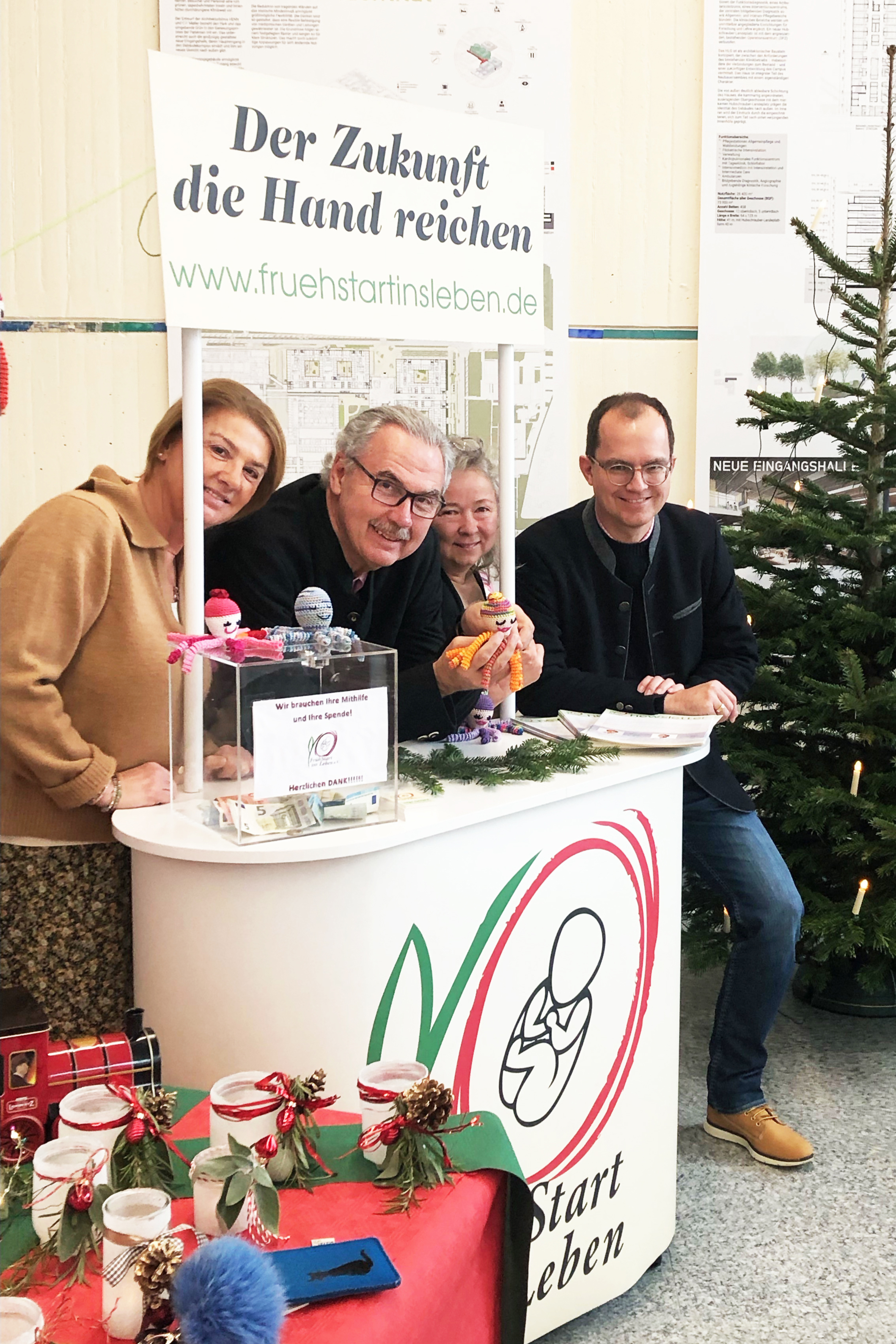
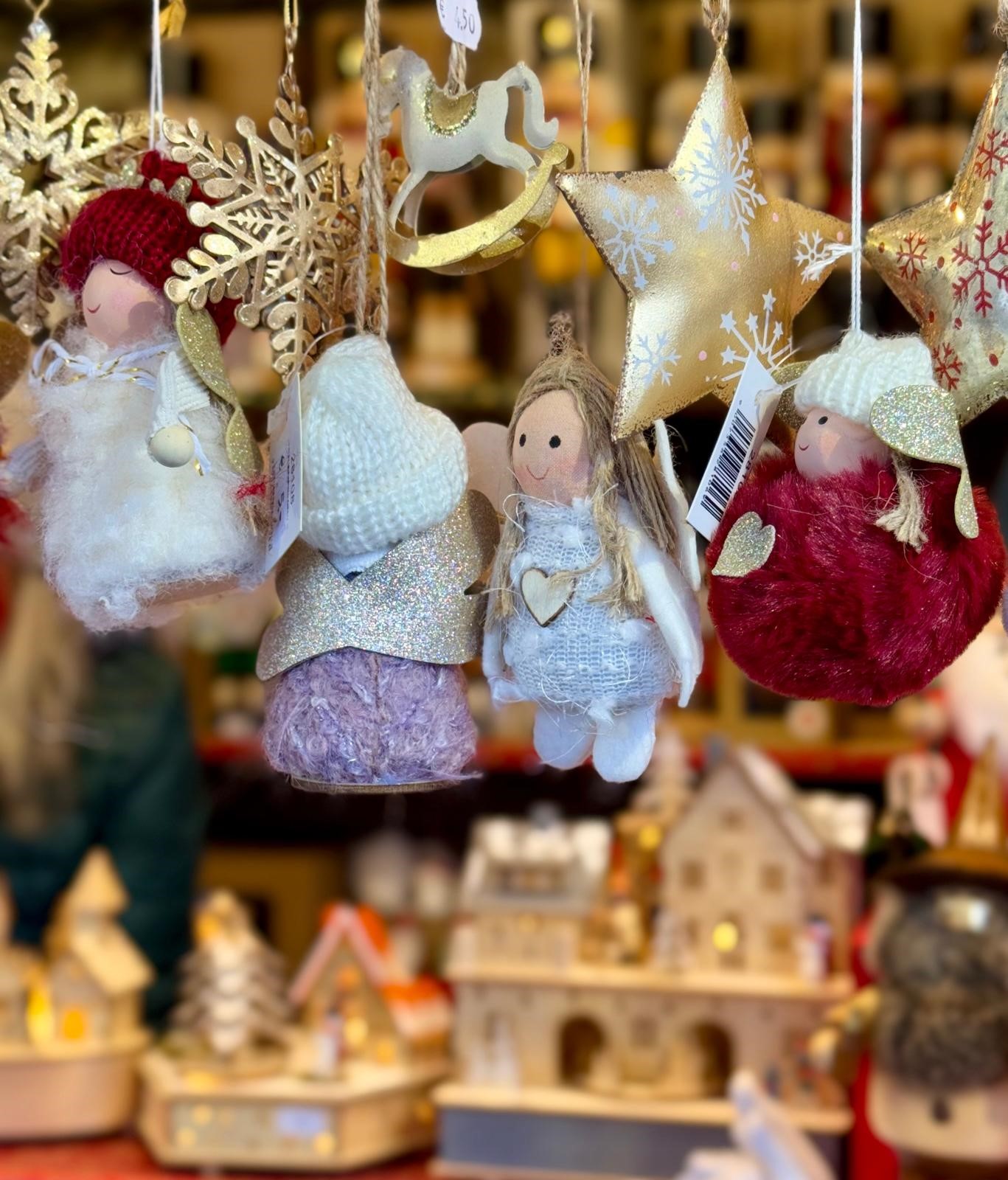
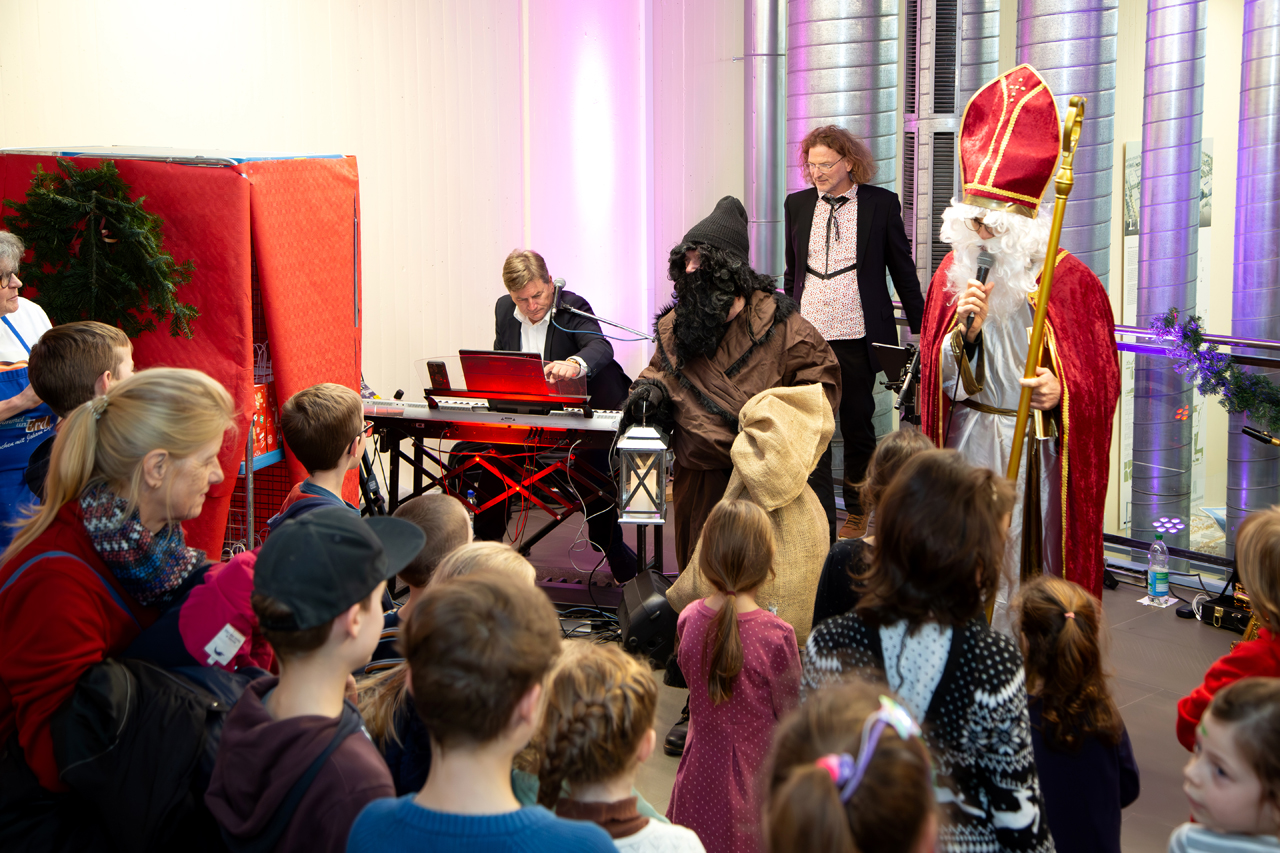
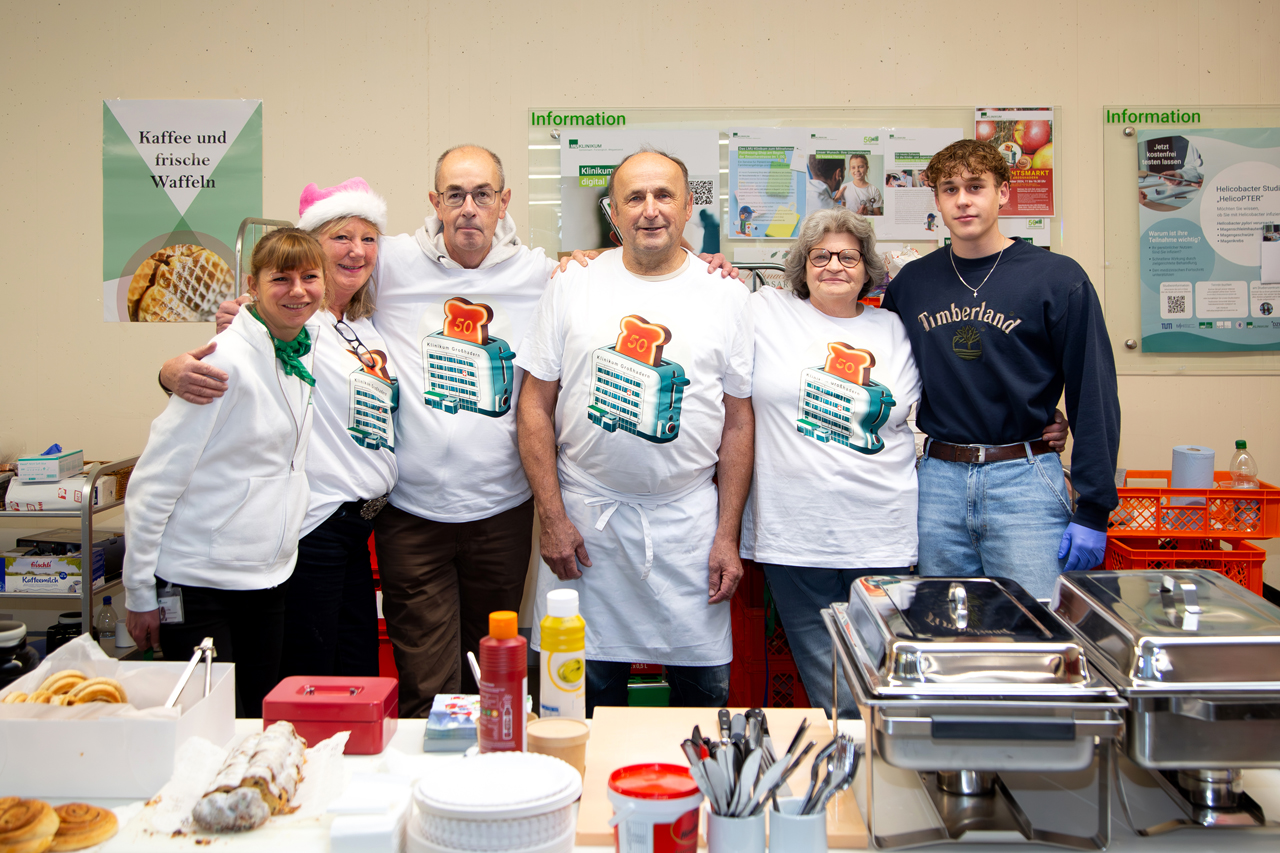
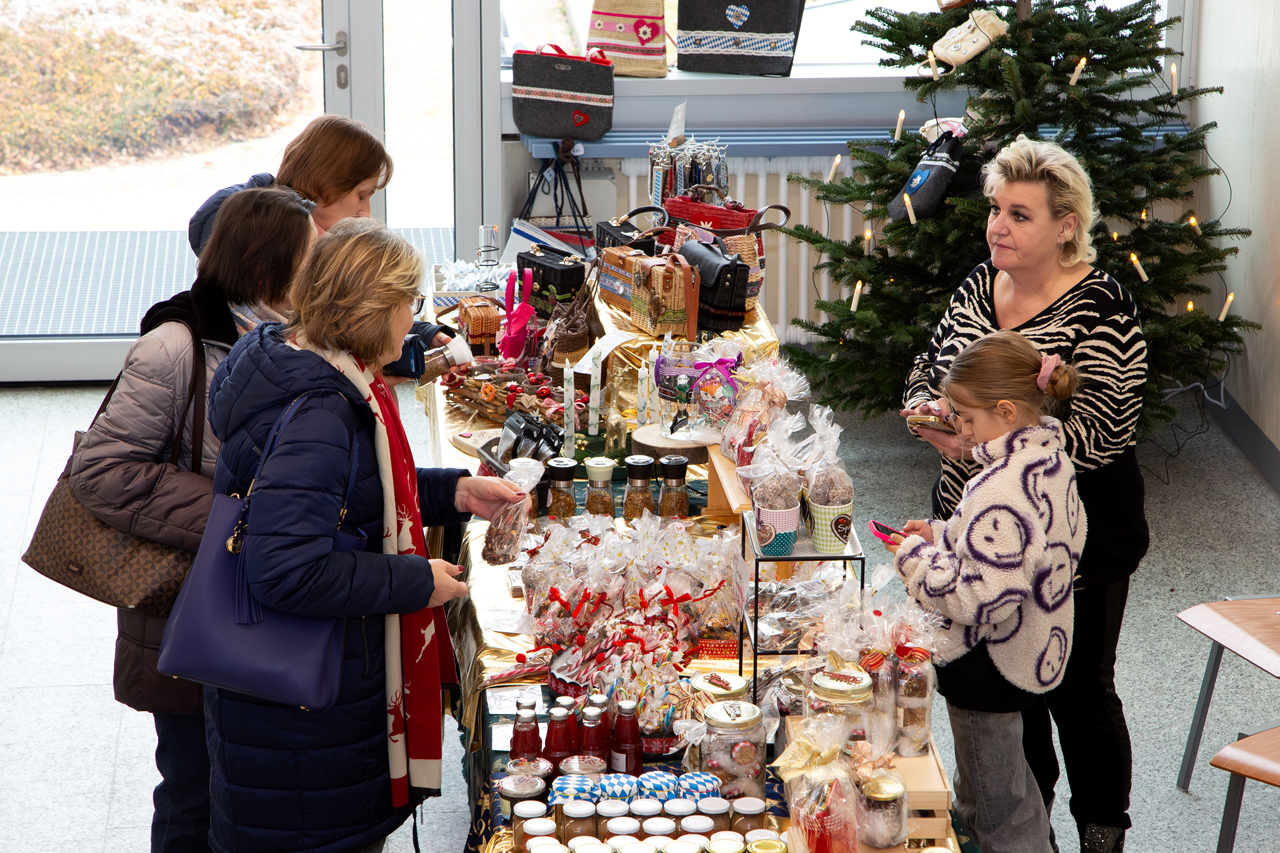
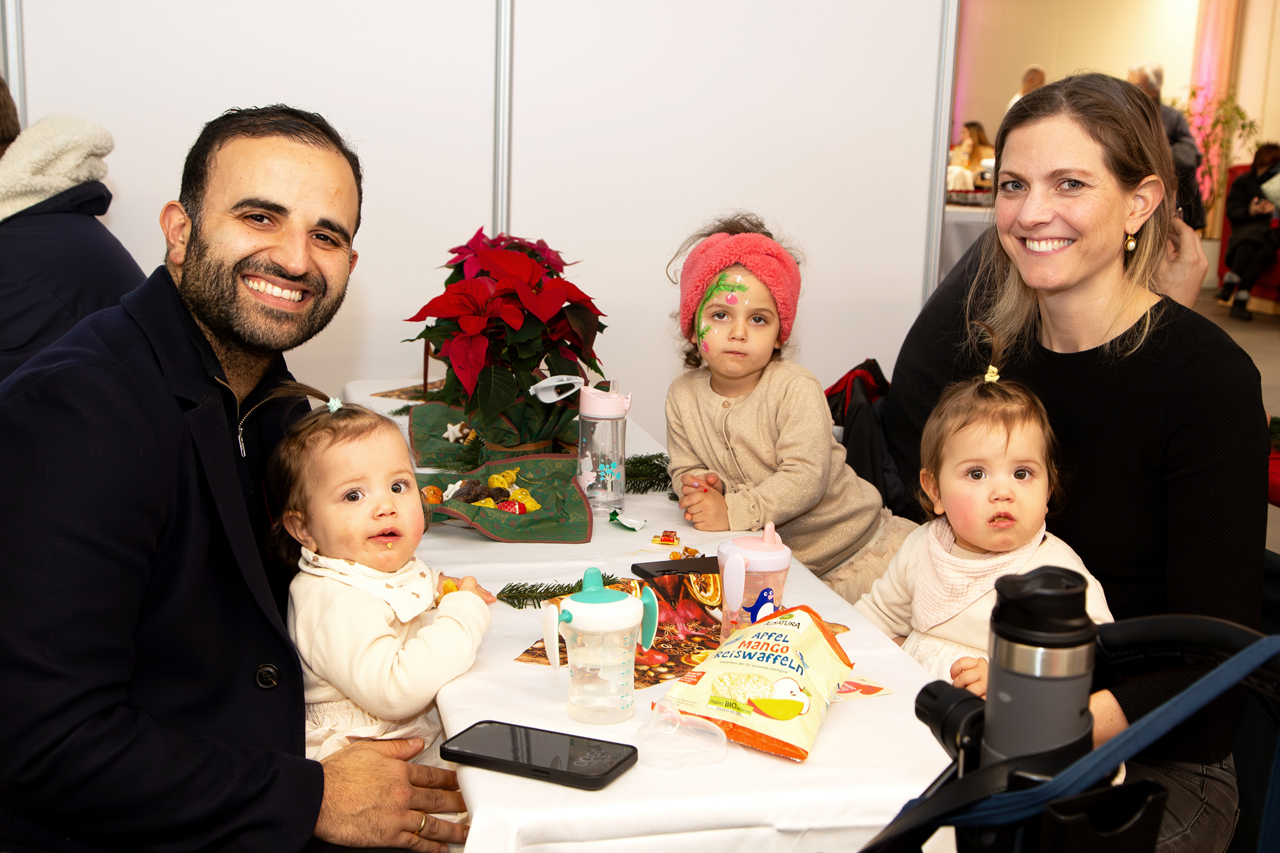
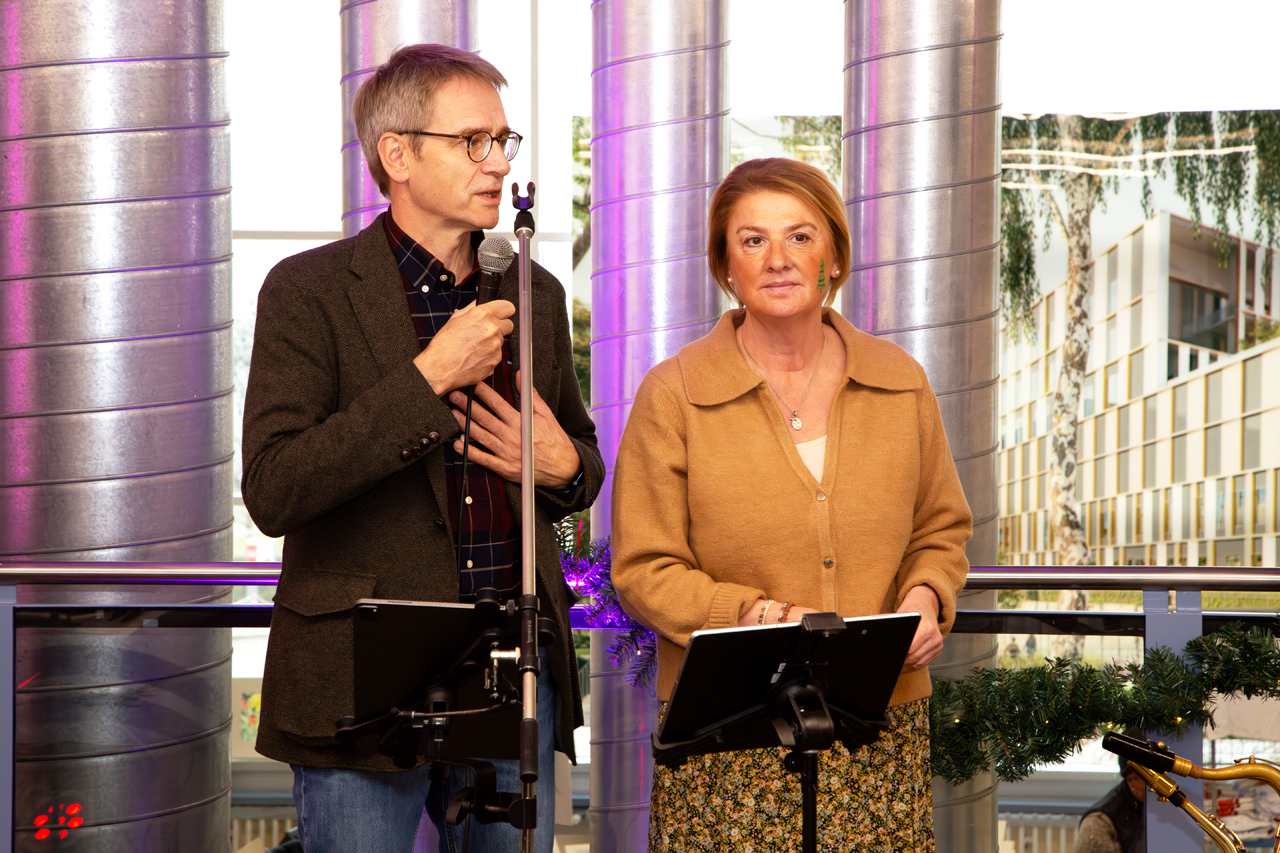
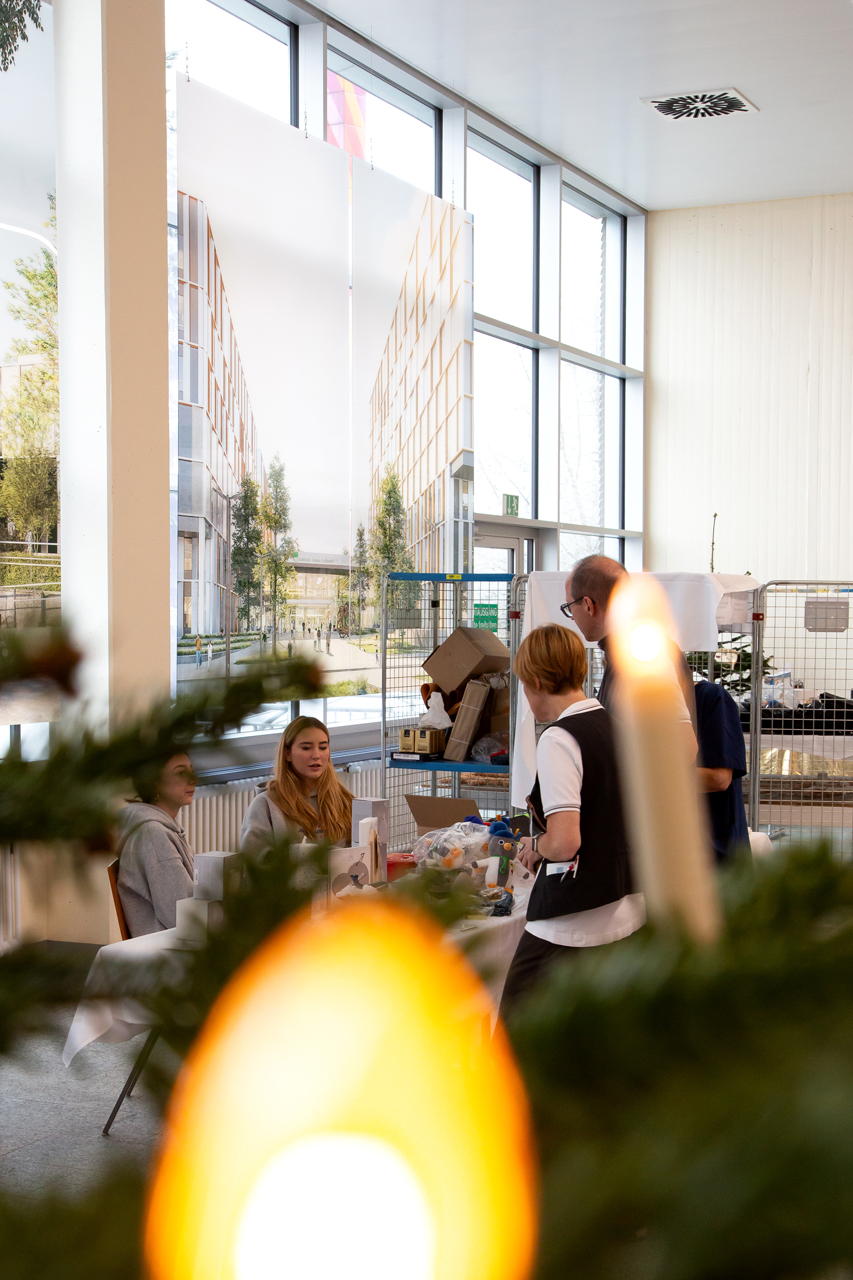
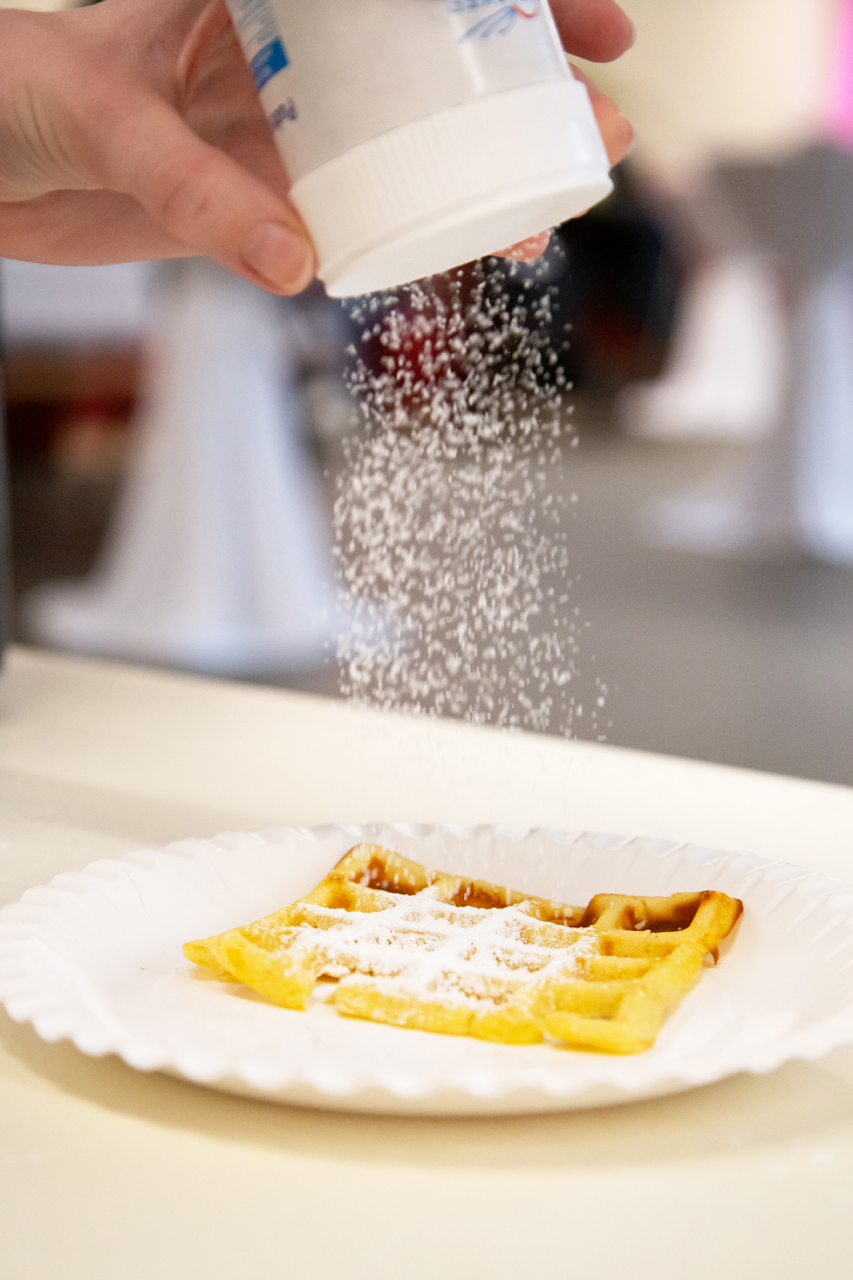
Just in time for the first Advent, the LMU Klinikum München and "FrühStart ins Leben e.V.", the neonatology support association on the Großhadern campus, invited visitors to a festive Christmas market. Around 500 visitors, including numerous premature baby families with their children, patients from the clinical wards, family members and staff, got in the mood for Advent on December 1 with freshly baked waffles, cinnamon buns and coffee as well as delicious Bavarian delicacies.
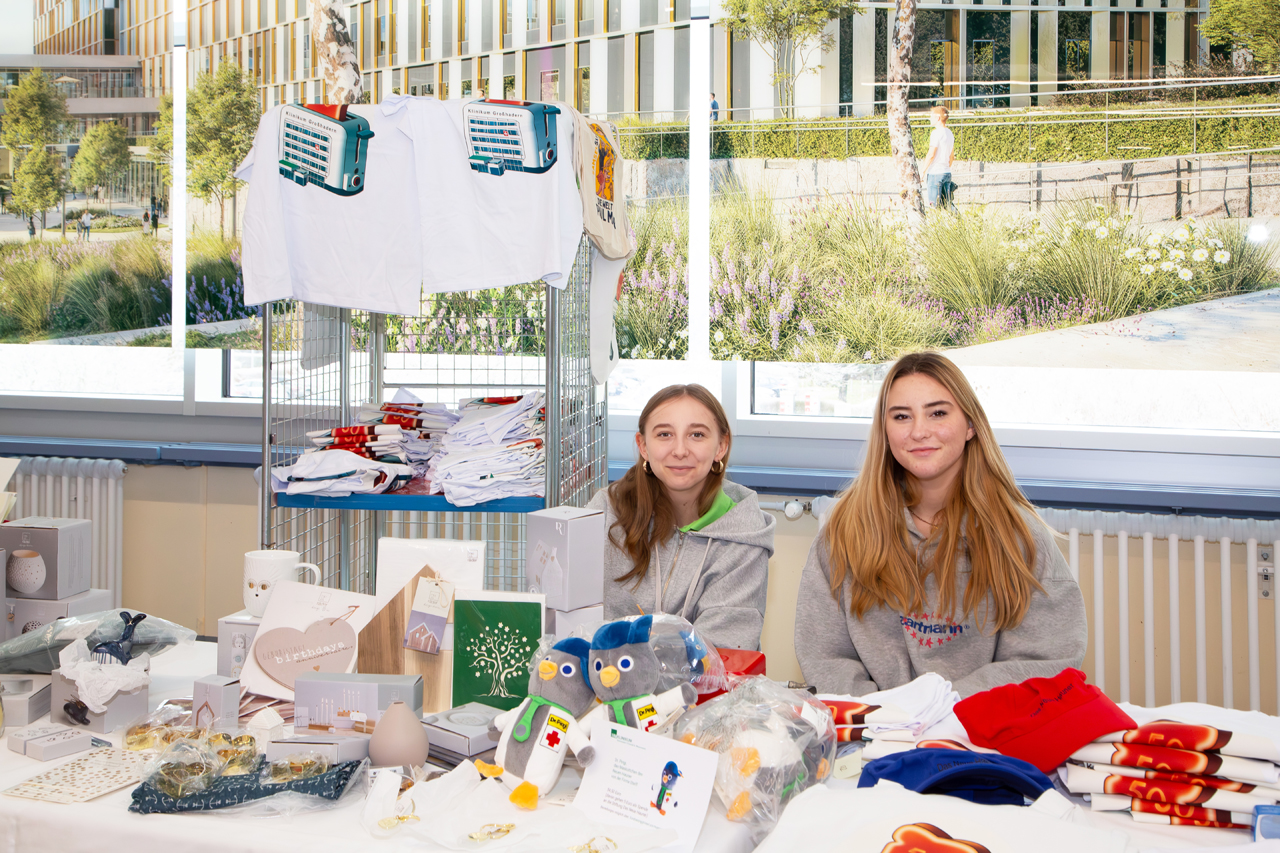
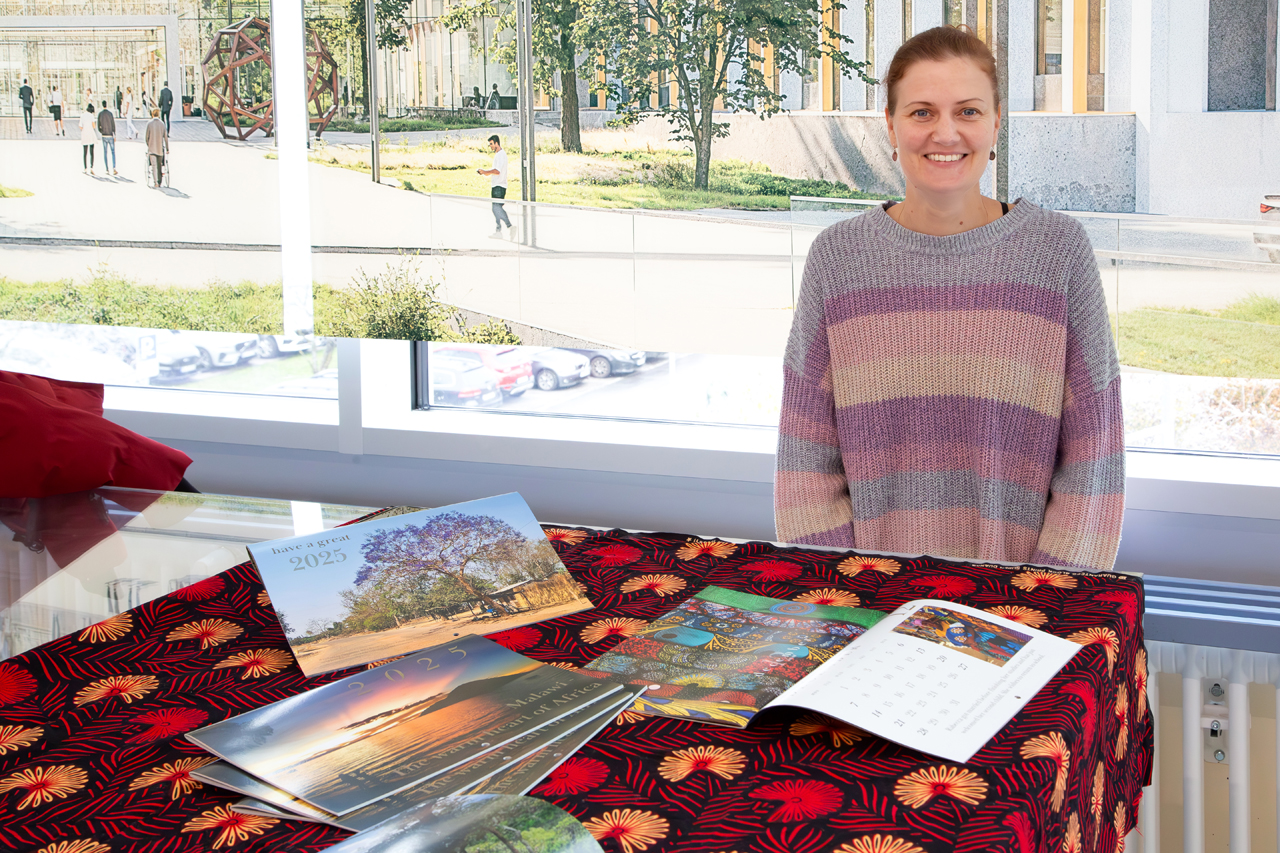
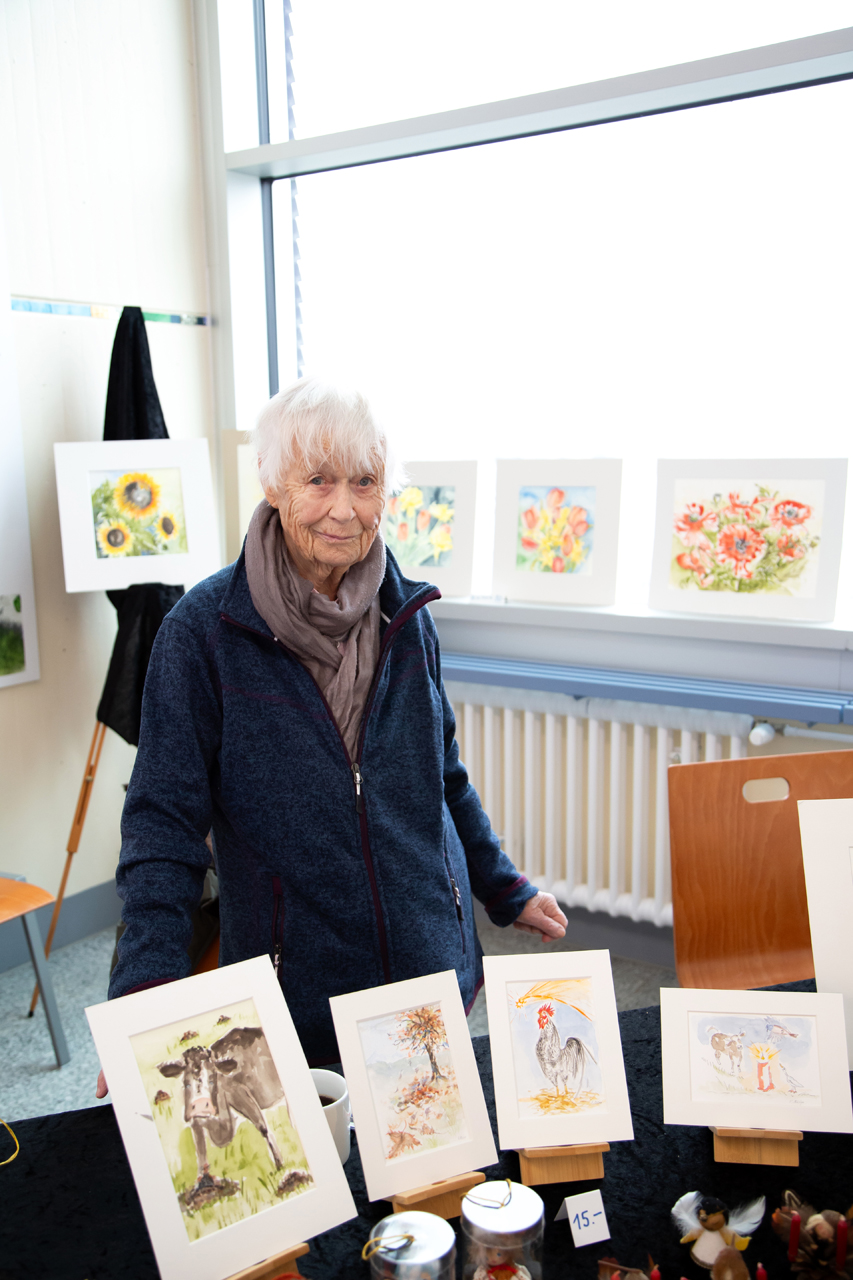
Of course, the first small Christmas purchases were also made: In addition to the newly arrived T-shirts and tote bags with the legendary toaster print in honor of 50 years of Campus Großhadern (available in the fundraising store at the beginning of the visitors' street), there was handmade Bavarian jewelry, homemade "Marmaladen", wall calendars from Malawi as well as other smaller souvenirs from the fundraising store.
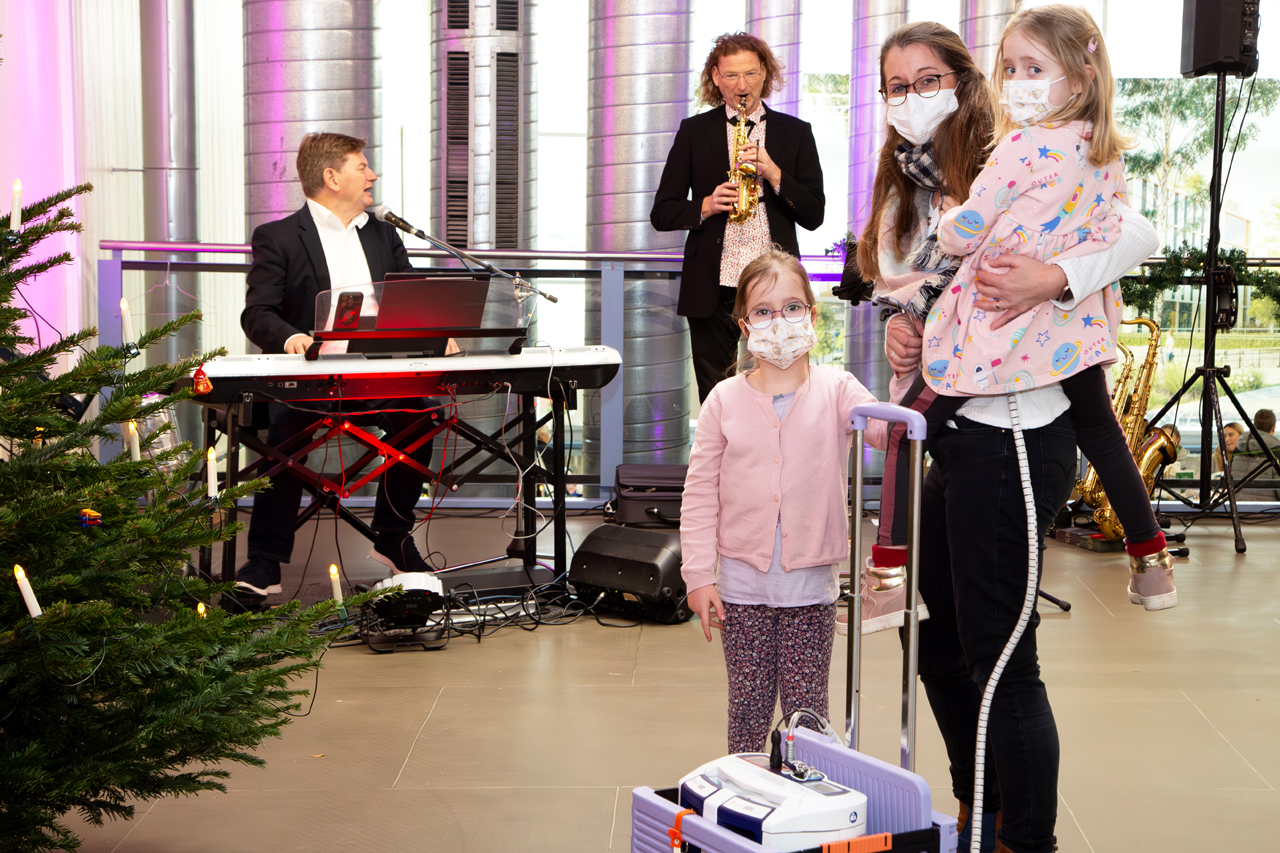
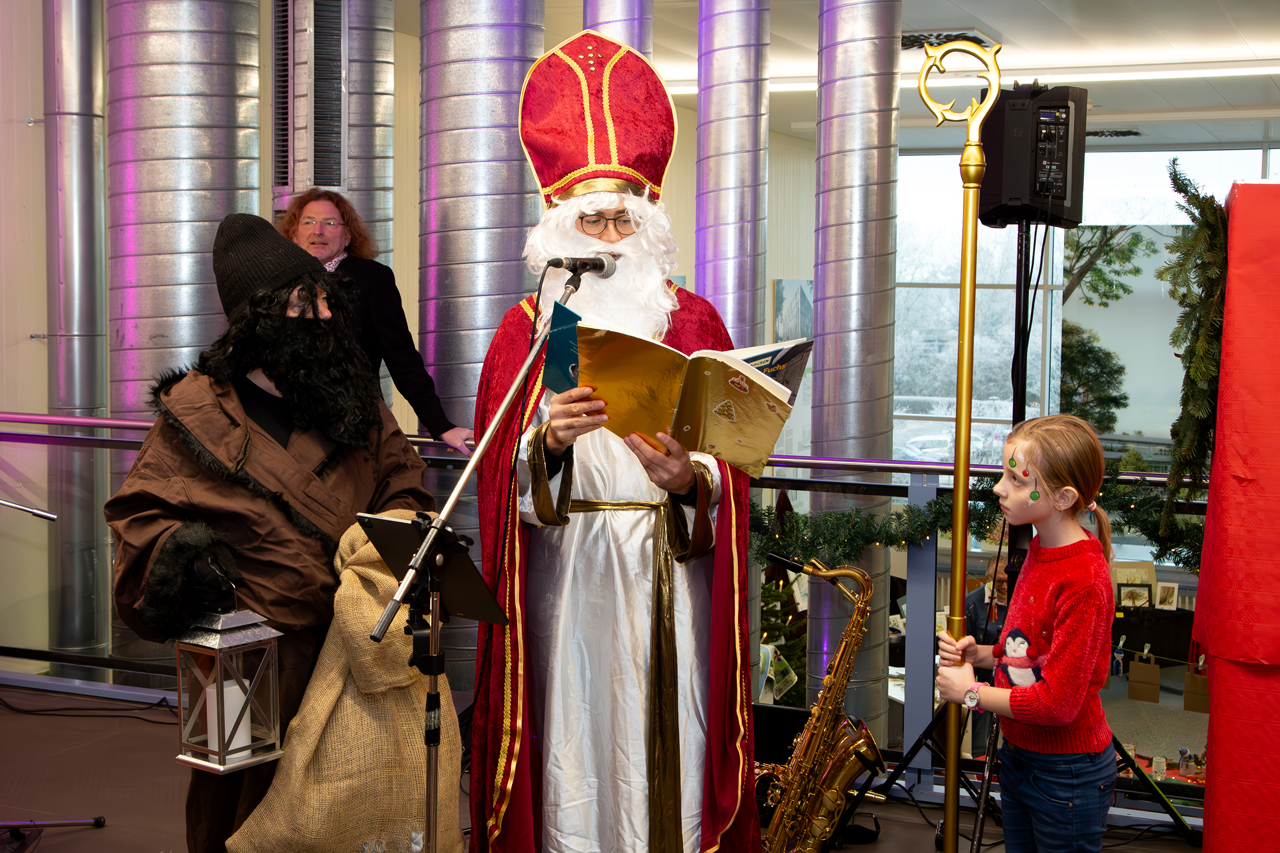
Matthias Köhler and Wolfgang Schöttner provided an atmospheric musical backdrop with "JingleBells" and the song "Aus der Weihnachtsbäckerei" for the children to sing along to.
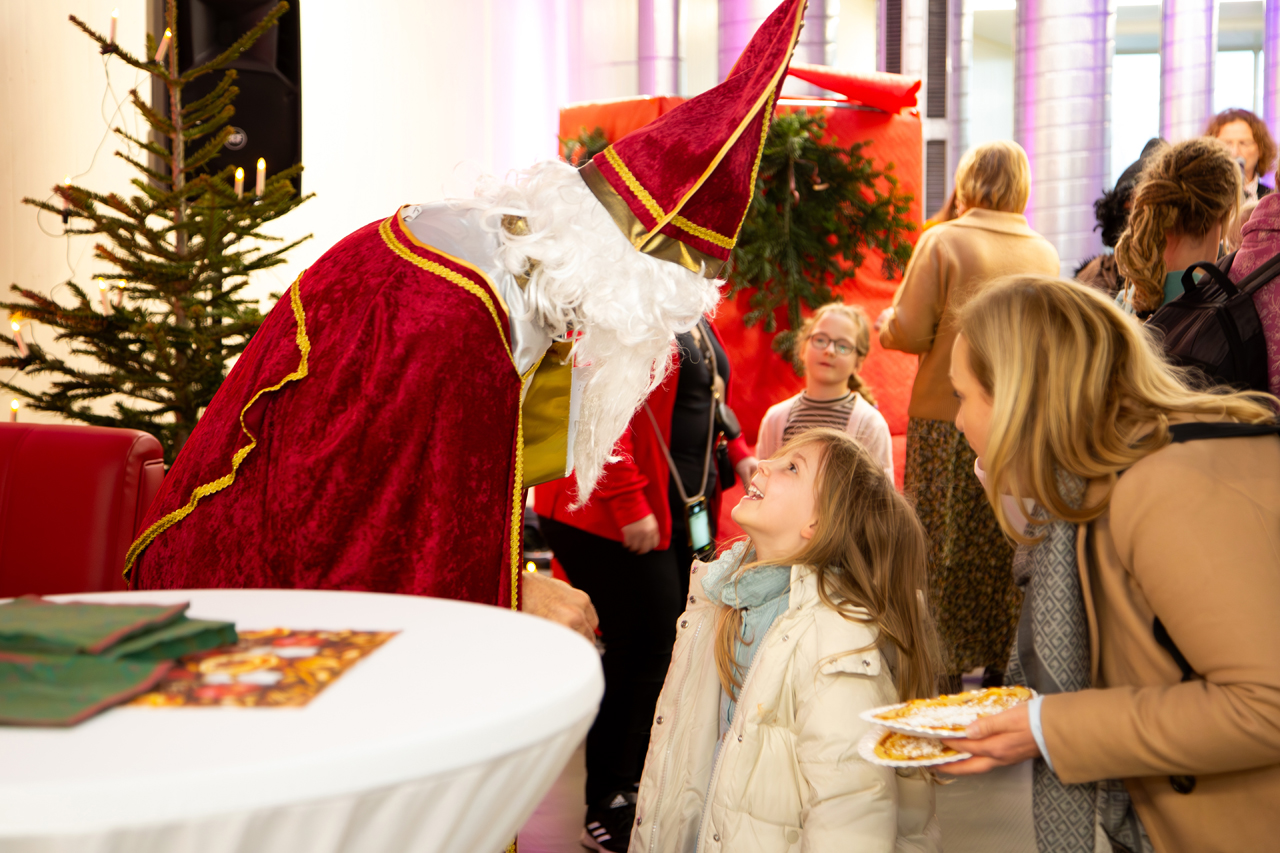
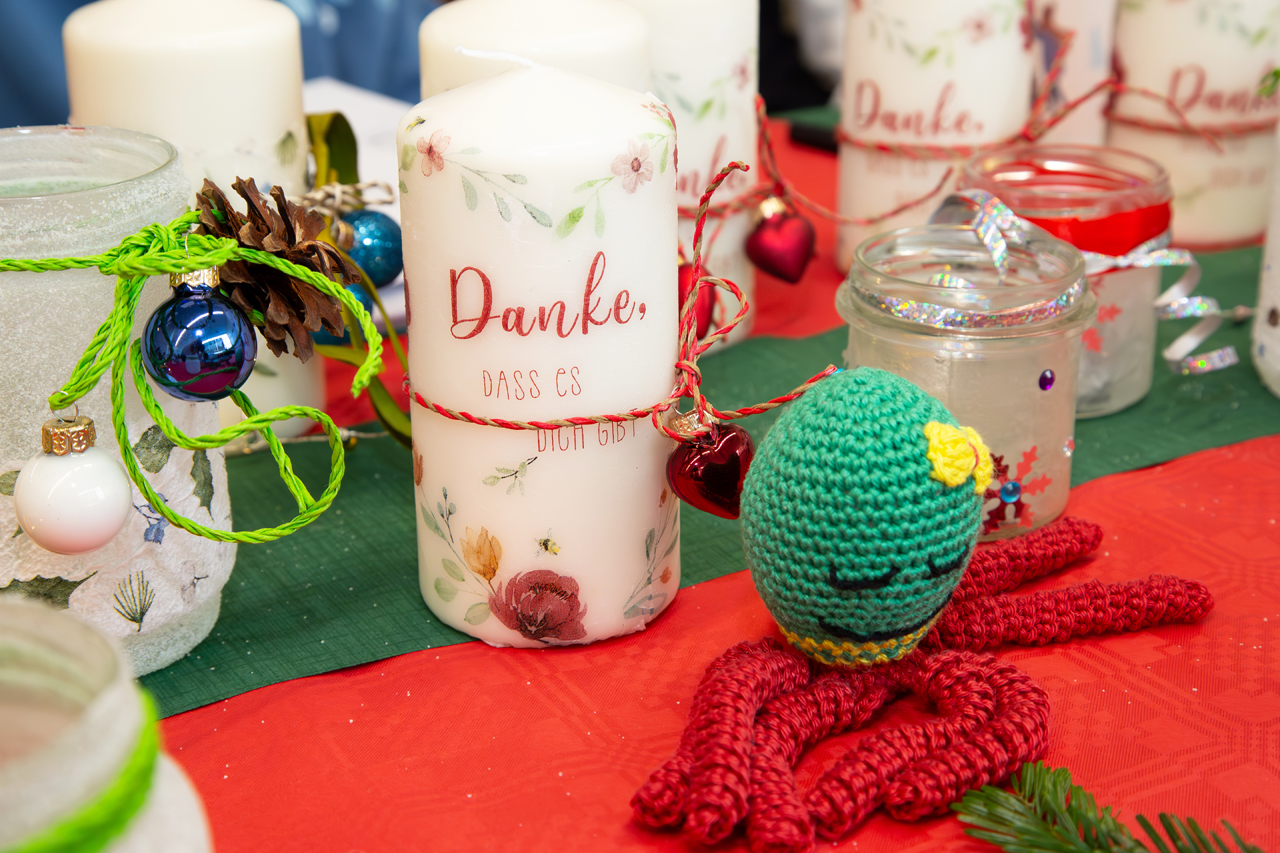
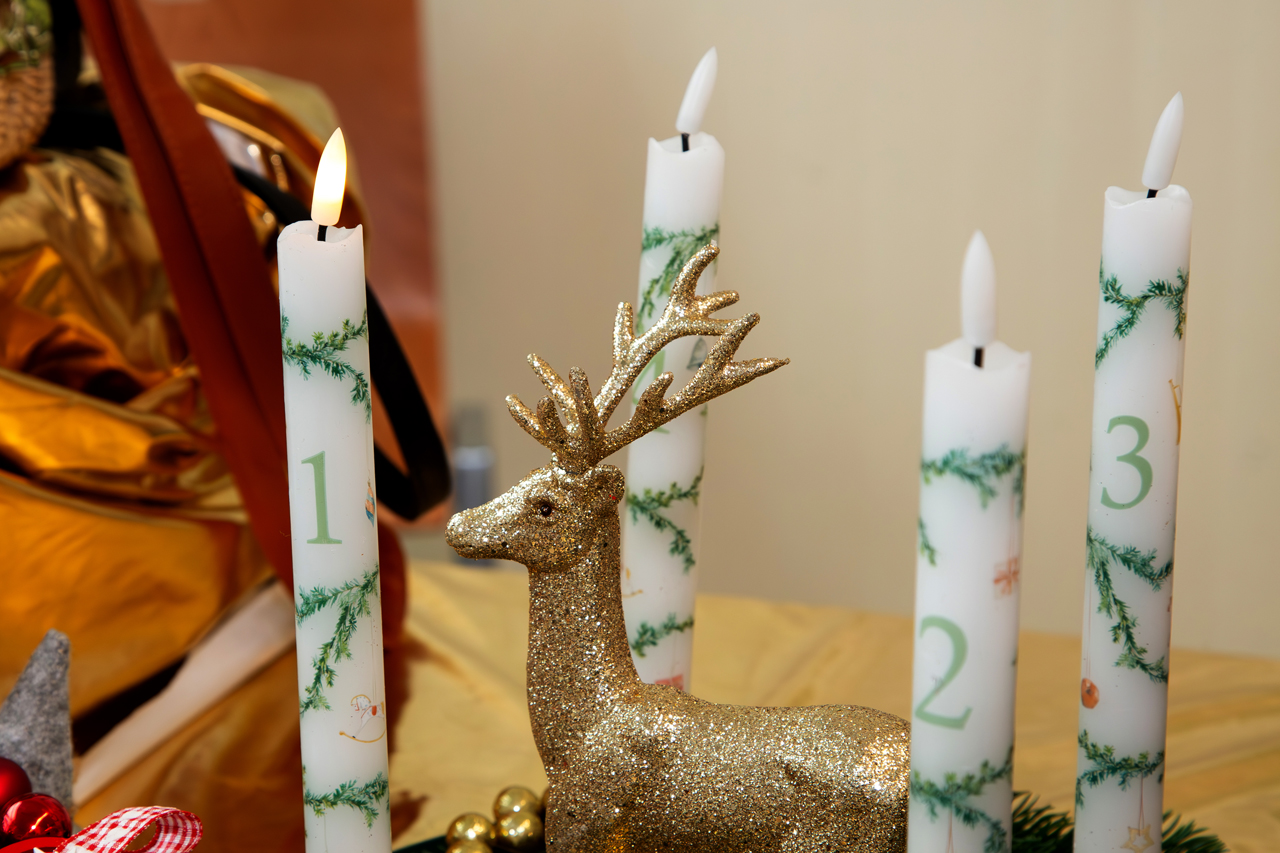
Later in the afternoon, Santa Claus also came to the house:He read out a wonderful Nordic Christmas story and, together with Prof. Flemmer, Martina Lingel and Anja Seitz (all Frühstart ins Leben e.V.), distributed 180 lovingly packed Christmas bags to the children. In Conny Diez's play corner, children's faces were artistically painted and Christmas candles were diligently made. It is particularly pleasing that the staff council of the LMU Clinic donated two lifelike resuscitation dolls to the premature baby ward of the LMU Clinic this year for further specialist training. The proceeds from the waffle sale by the patient management staff will also benefit the Grosshadern premature baby ward.#We wish you a peaceful Advent season.
Image
Image
Image
Image
Image
Image
Image
Image
Image
Image
Image
Image
Image
Image

Image
Image
Image
Bavaria's largest university hospital celebrated its 50th birthday with a magnificent open day.
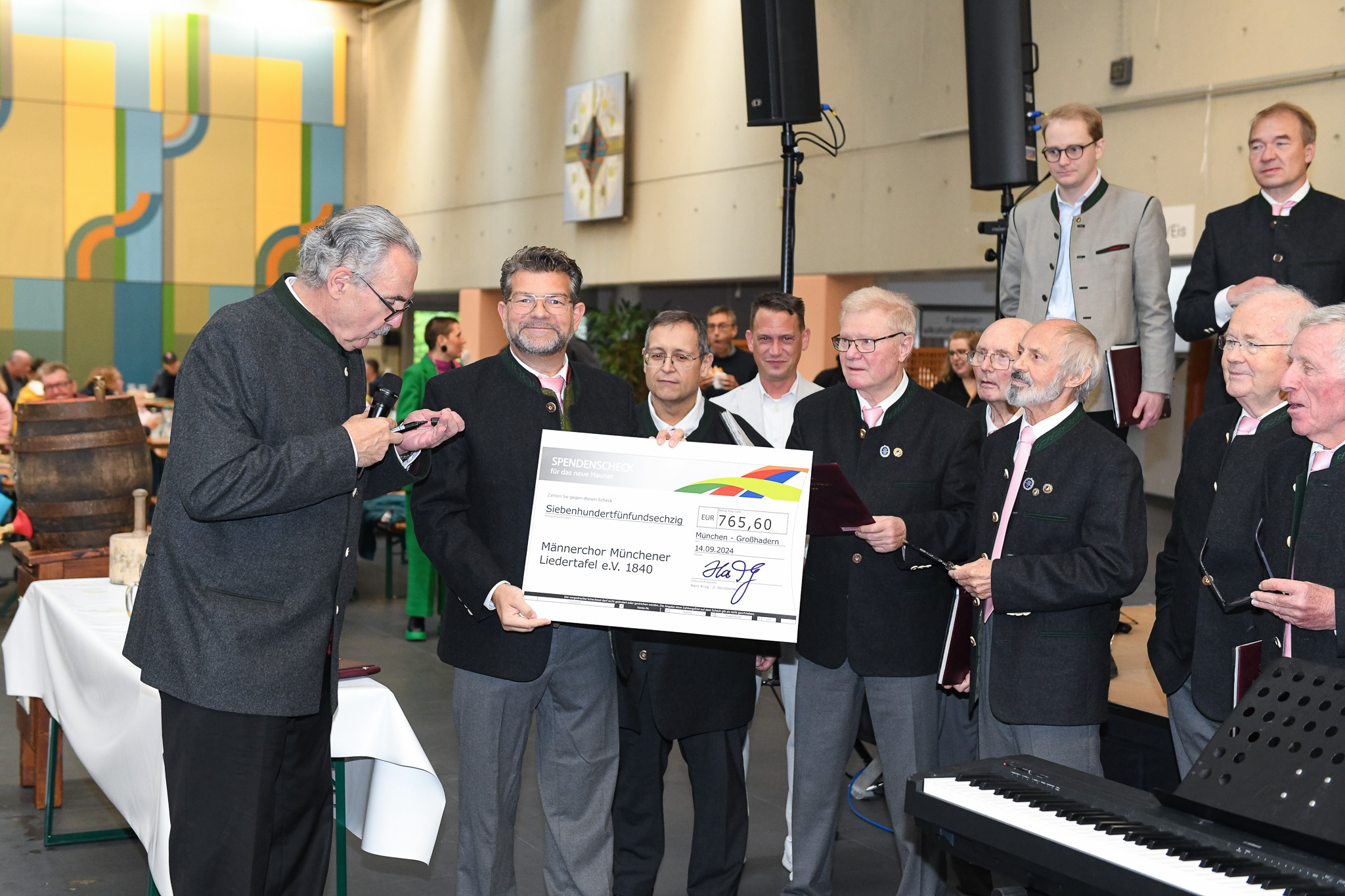
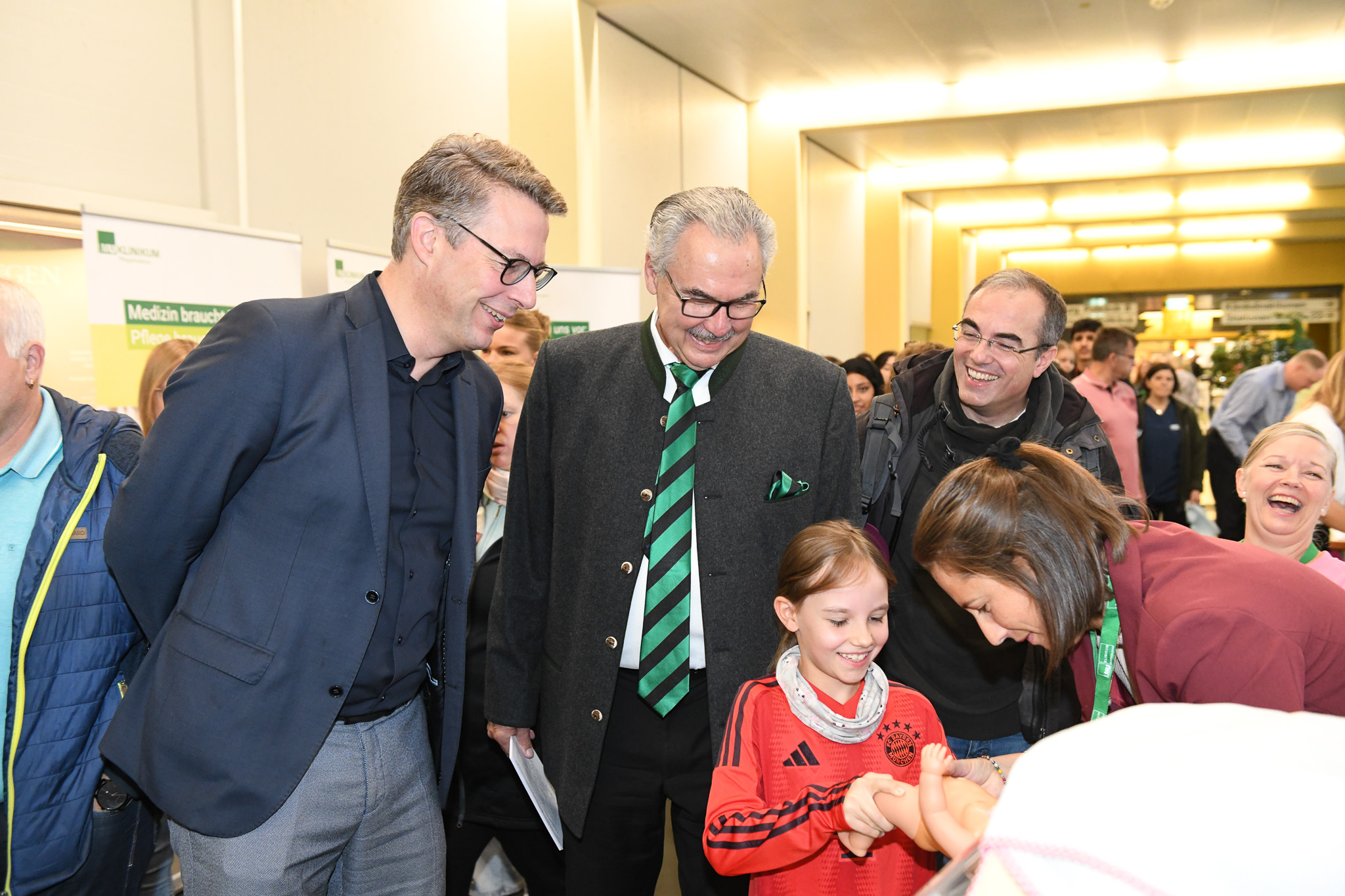
For 50 years, LMU Klinikum Großhadern has been a place of outstanding medicine, excellent research and teaching as well as a landmark building for the district. On September 14, 2024, Bavaria's largest university hospital celebrated its 50th birthday. As part of LMU Klinikum Großhadern's 50th birthday celebrations, the men's choir of Münchner Liedertafel e.V. 1840 sang and presented the medical director with a donation cheque for the NEUEN HAUNER facility.
LMU Clinic - Committed
The LMU Klinikum is one of the largest and best maximum care hospitals in Europe. In addition to research and teaching, its main focus is on providing the best possible care for sick people, but money also plays a role here. Without the donations collected through fundraising, many things would not be possible at the hospital.Dhe newsletter published on September 14 LMU Hospital - Committed provides information on current and completed fundraising projects, the various ways in which citizens, companies and foundations can support the hospital, and why civic engagement helps to advance medicine.
If you also have the opportunity to support us, you are welcome to contact us: fundraising@med.uni-muenchen.de
Image
Image
Image
Image
Image
Image
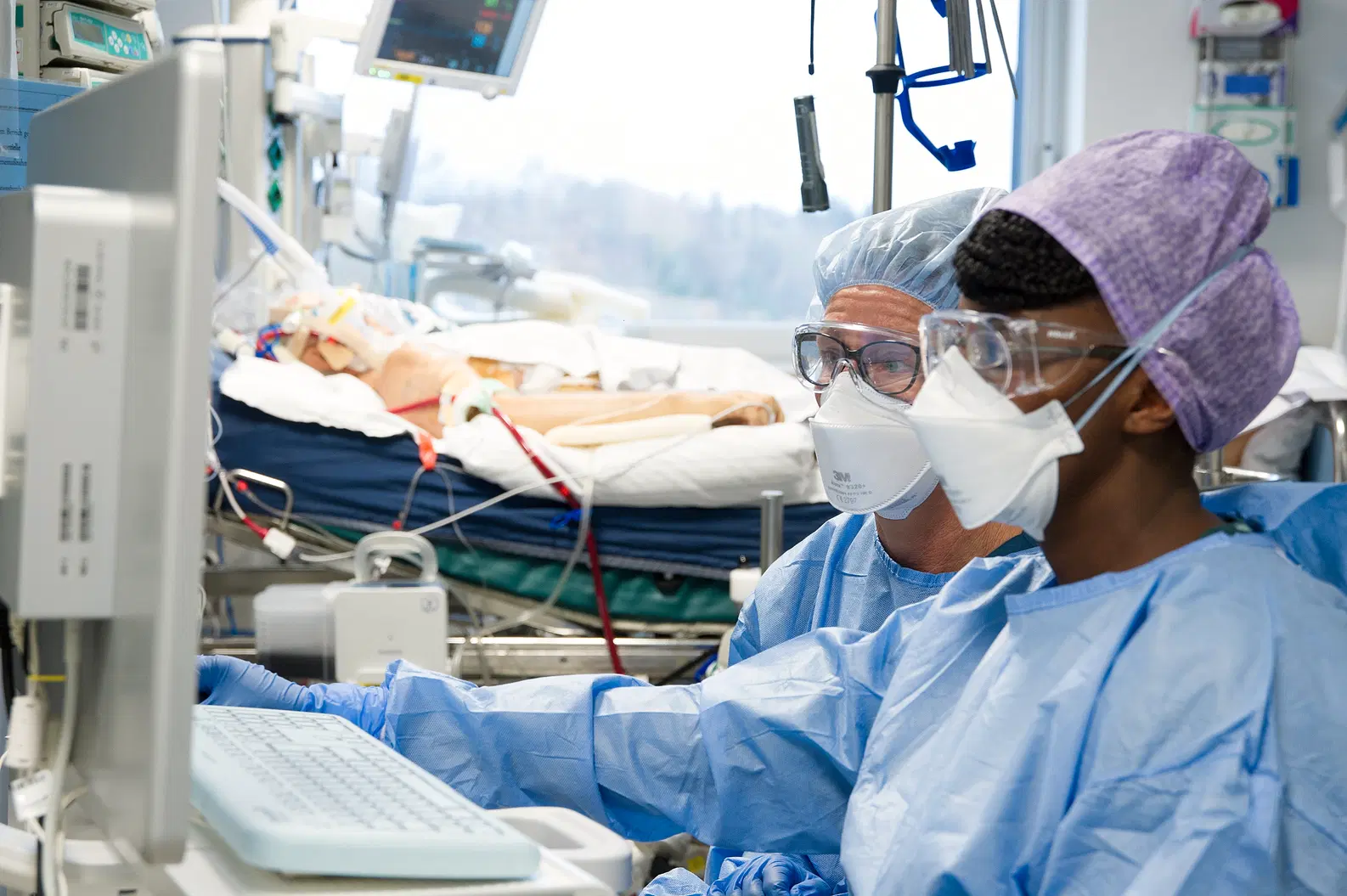
May 12, the birthday of nursing pioneer Florence Nightingale, is "International Nurses' Day" every year. Nursing is as diverse as it is multifaceted. The coronavirus pandemic has shown just how intensively medicine and nursing do everything they can to provide patients with the best possible care and often work to the limit to provide comprehensive care for sick and seriously ill people. In a university hospital like the LMU Klinikum, this is standard practice.
To mark International Nursing Day 2024, the LMU Hospital has set up the donation-funded project "Resilience for Nursing" to provide sustainable support:
Resilience for professionals who care for sick and seriously ill fellow human beings on a daily basis.
Working with sick and seriously ill people, from premature babies and children with cancer to palliative care patients, can be fulfilling but also stressful. Experiencing fates up close, people who die prematurely or suddenly, or terminally ill patients, requires strength. In order not to leave employees alone here and to offer them opportunities for exchange and reflection, there is the offer of professional supervision. In individual, group or team discussions, stressful work situations can be discussed, personal development promoted and professional skills expanded. Participants receive professional support in a protected space: Stability, support and well-being are important factors in order to be able to convey these to patients.
Director of Nursing Carolin Werner would therefore like to fund a supervisor for nursing, with the aim of strengthening the resilience of nursing staff, both for themselves and for their patients. This is not provided for in the hospital budget. The LMU Clinic therefore needs support from the public for this important additional project: every donation helps!
Keyword: "Nursing: Resilience for nursing staff"
Bayerische Landesbank
IBAN DE41 7005 0000 0000 0200 40
Cost center 1312002 (please be sure to specify)
BIC BYLADEMM
The Association of German University Hospitals VDK has already supported the new project on the occasion of thethe new project with a generous donation of 800 euros to mark International Nursing Day. We say thank you!
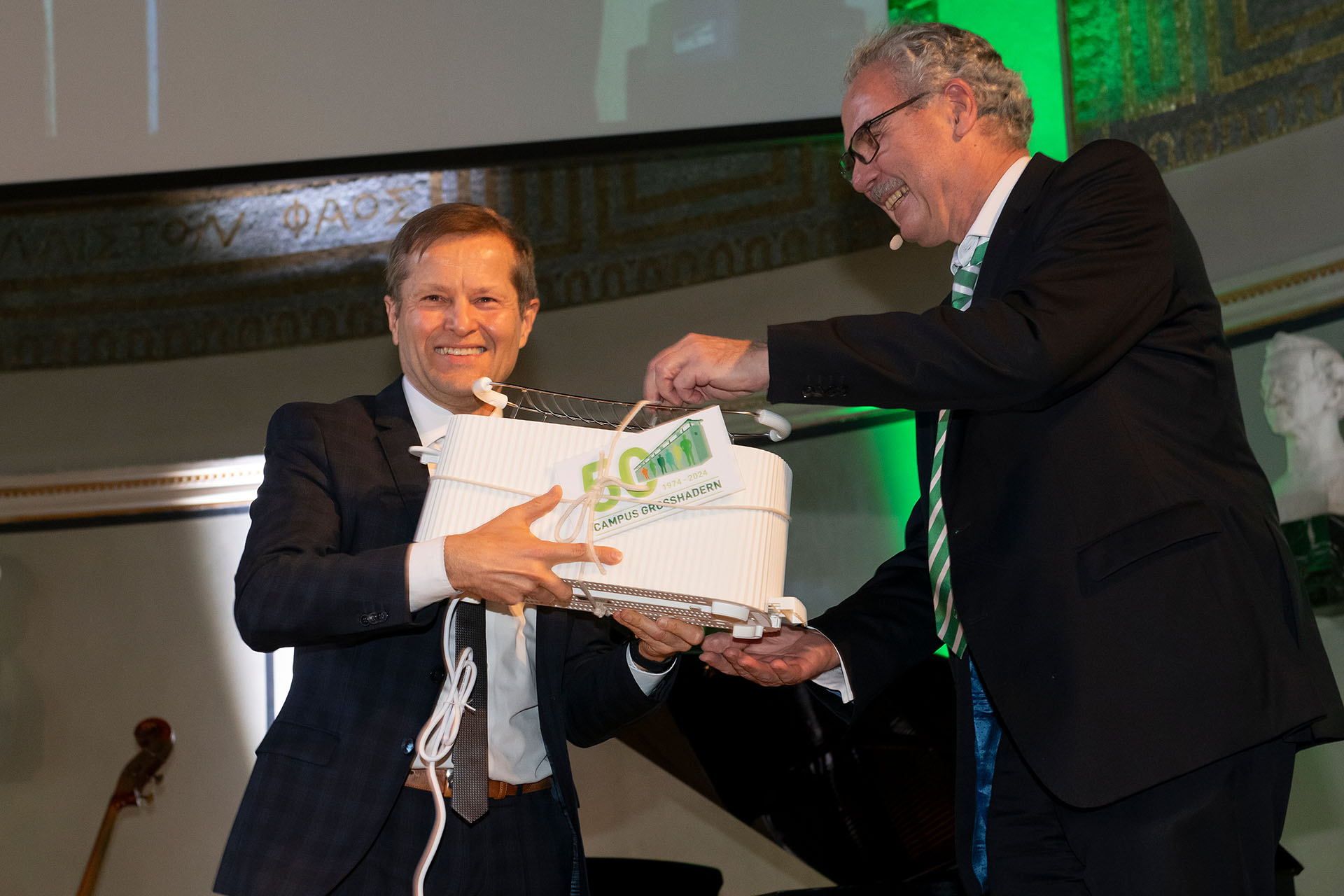
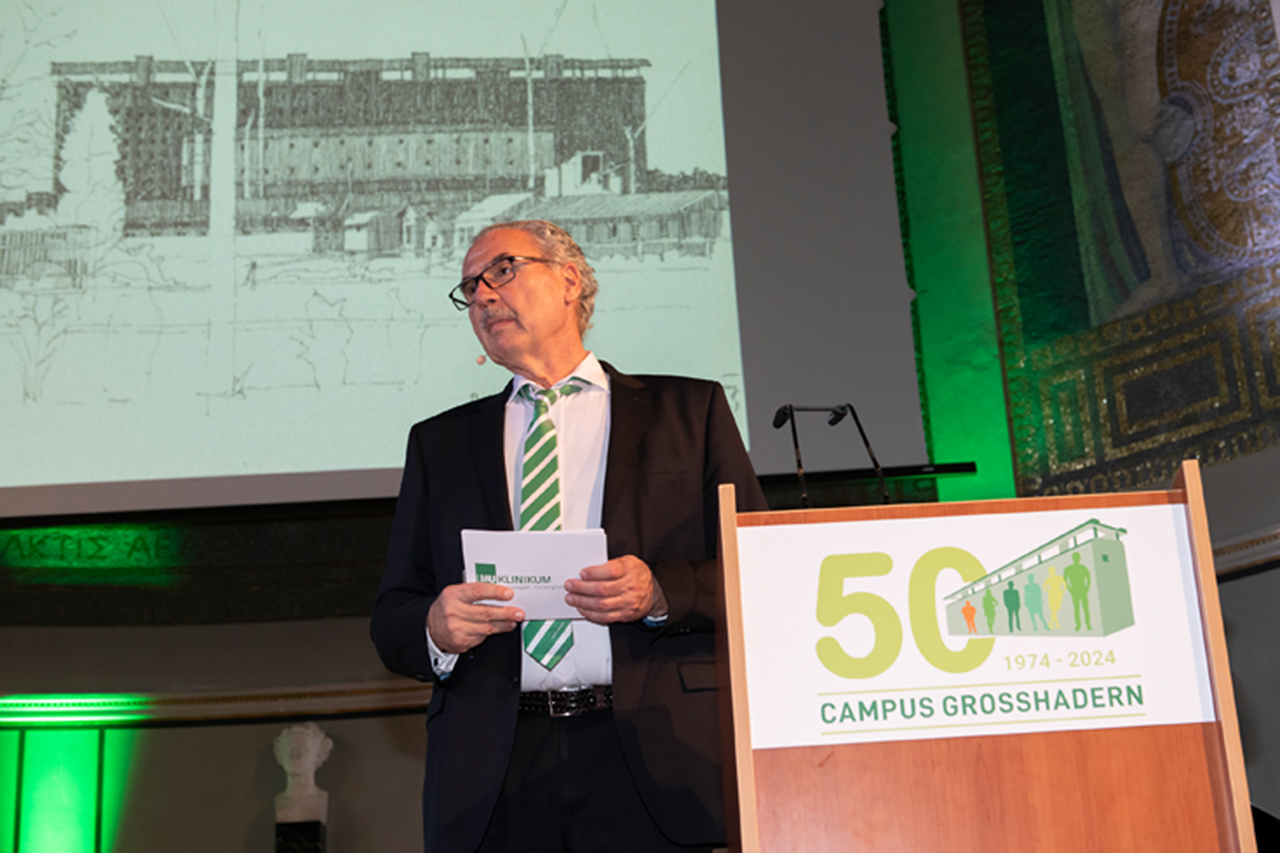
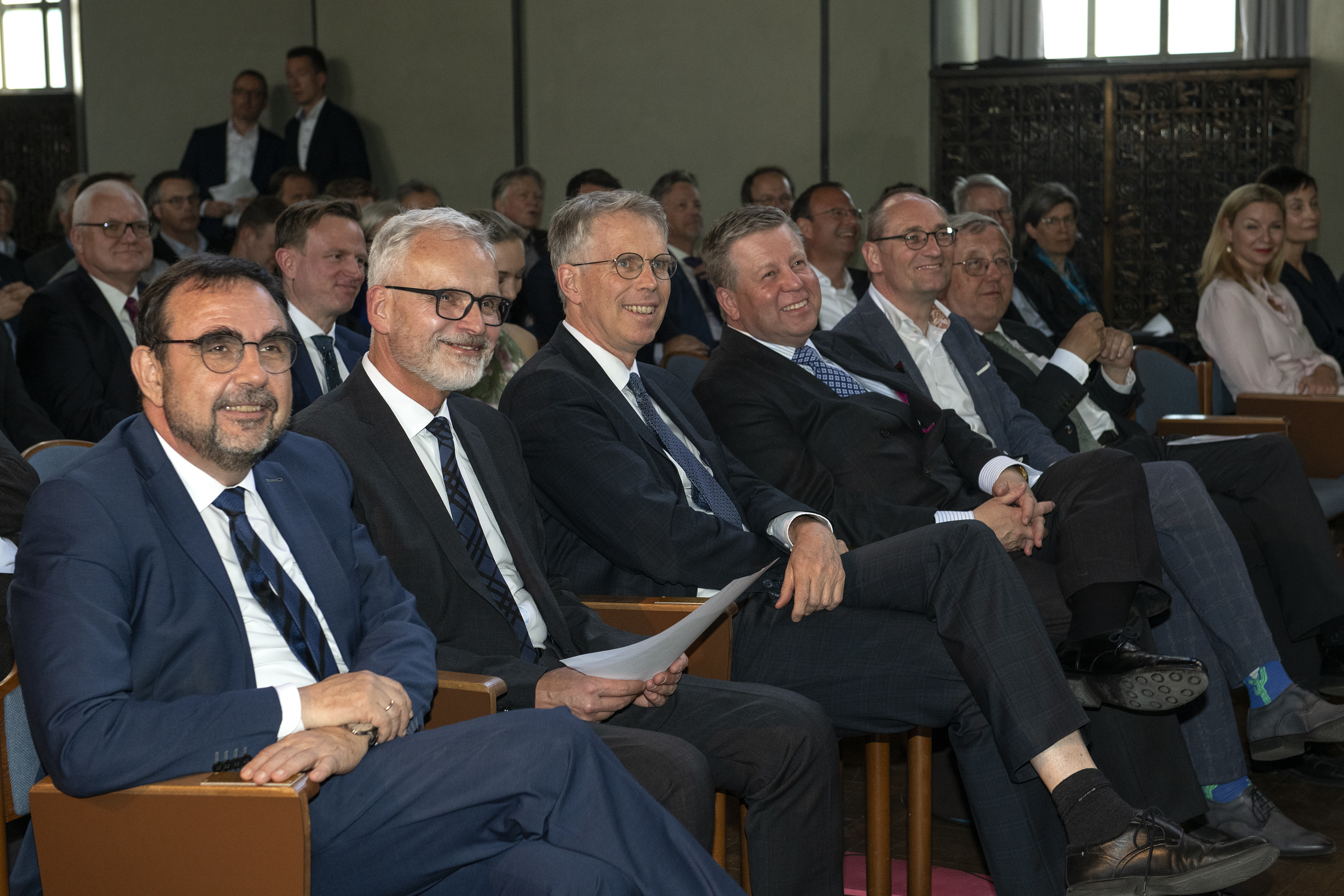
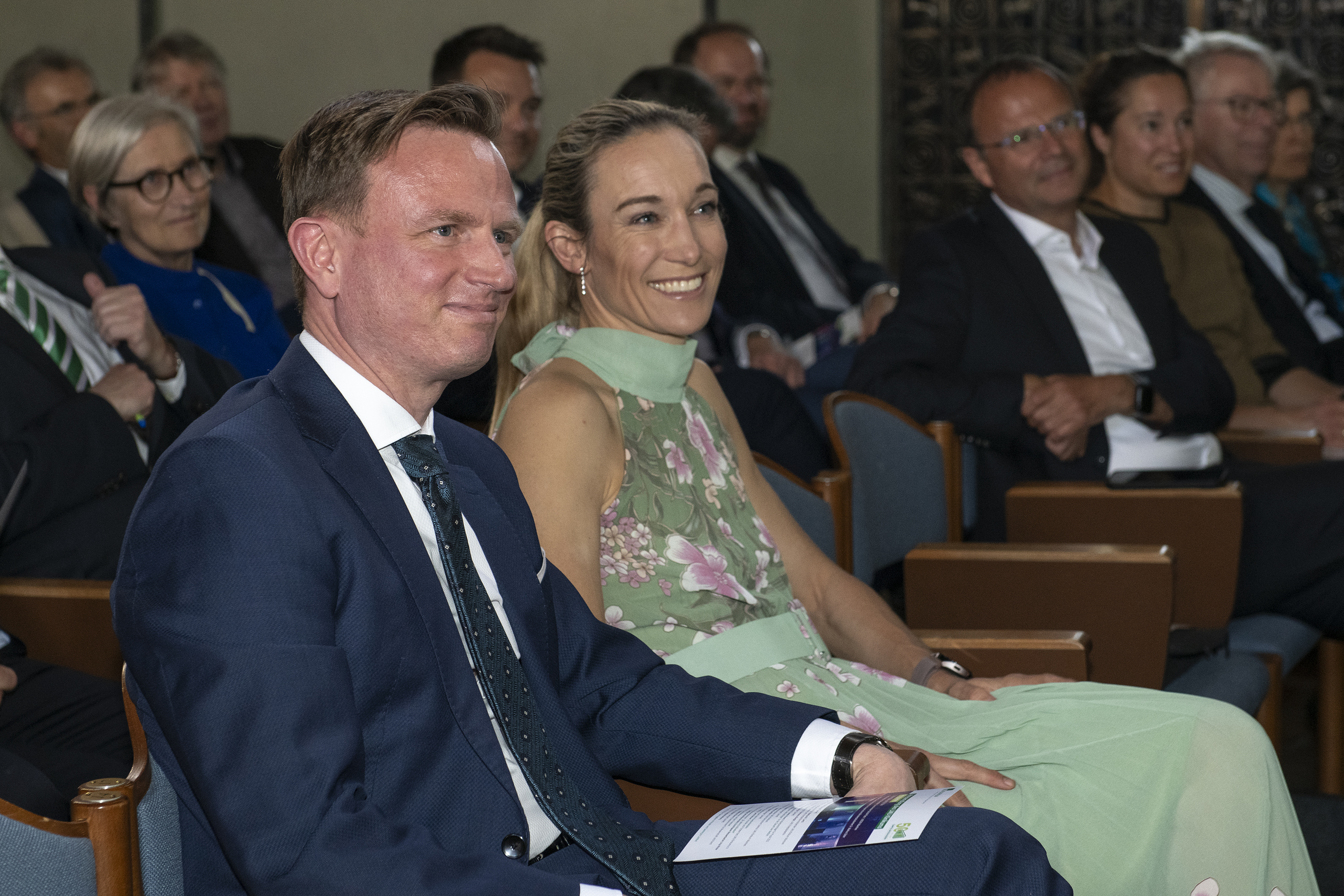
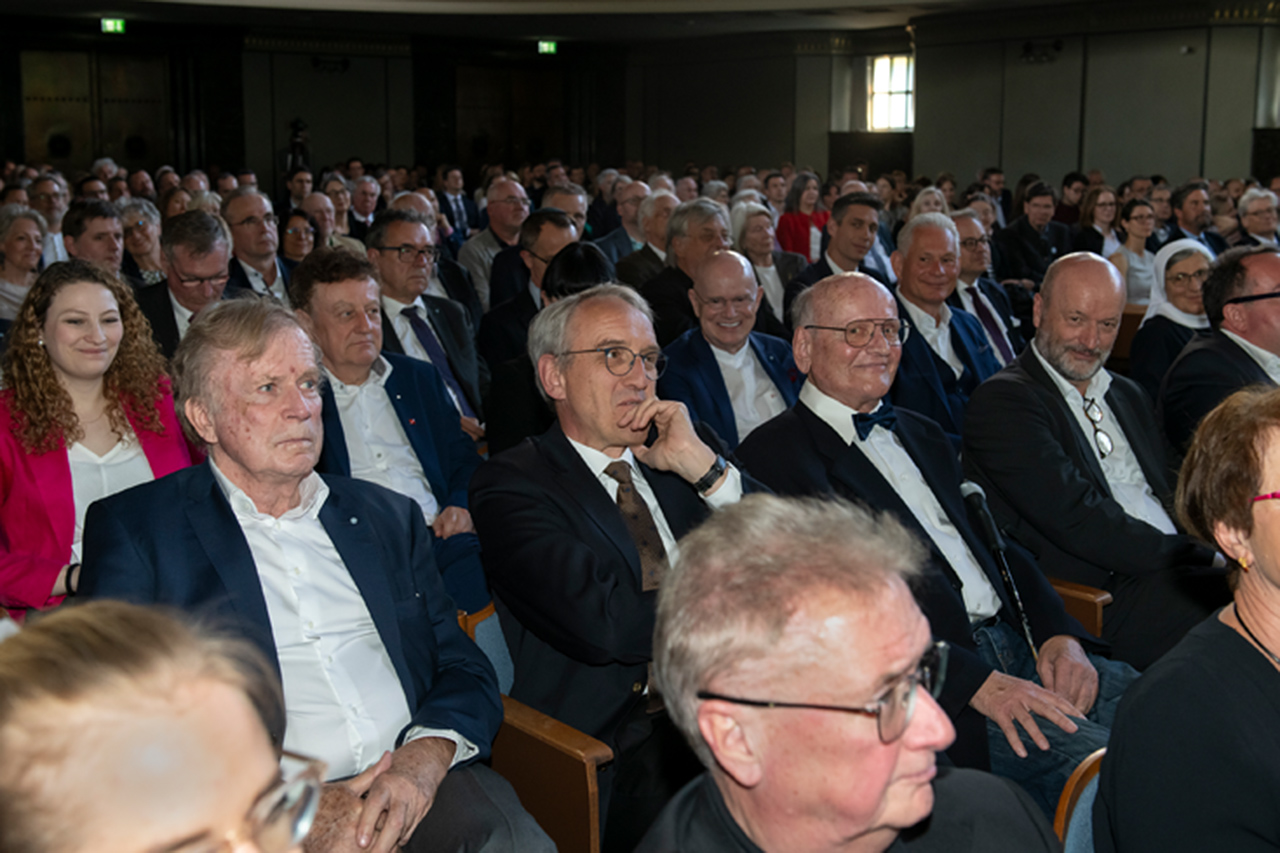
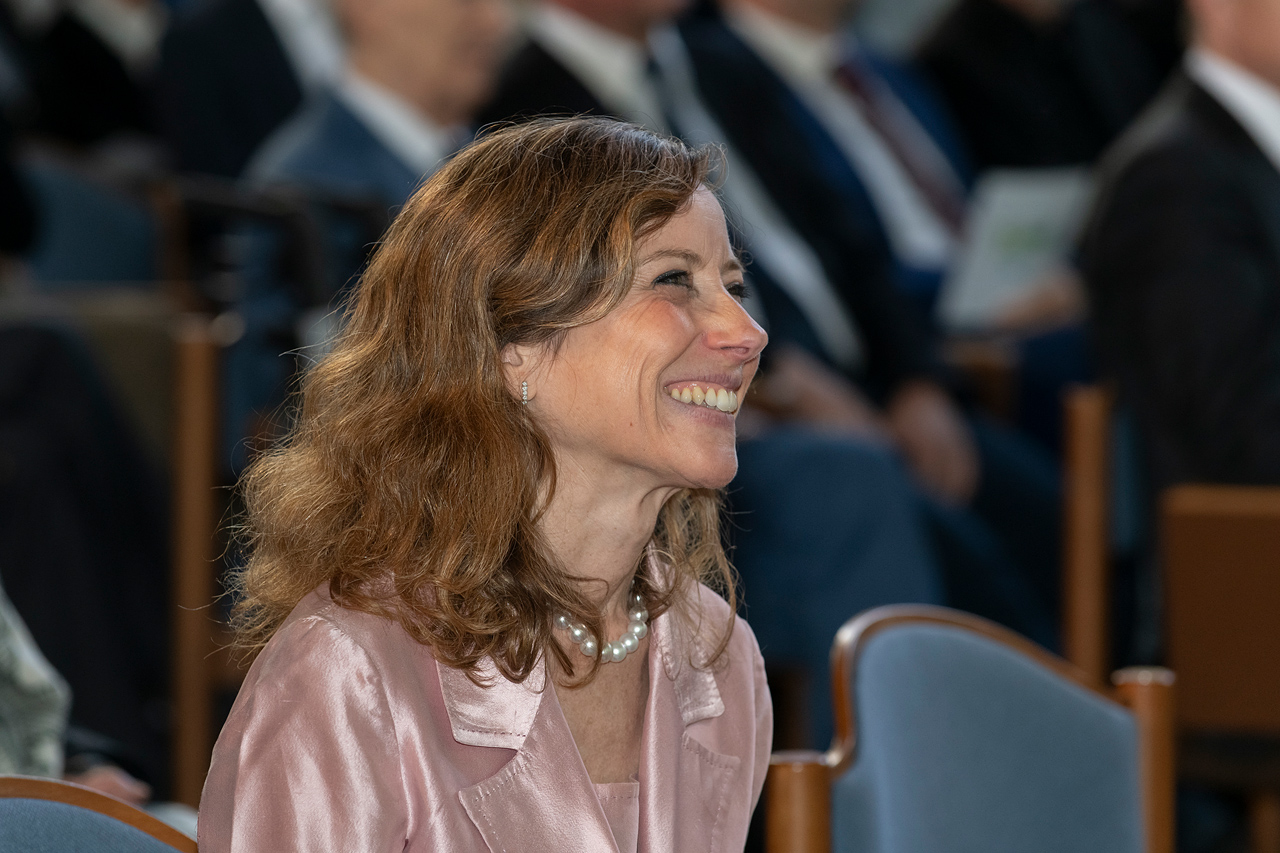
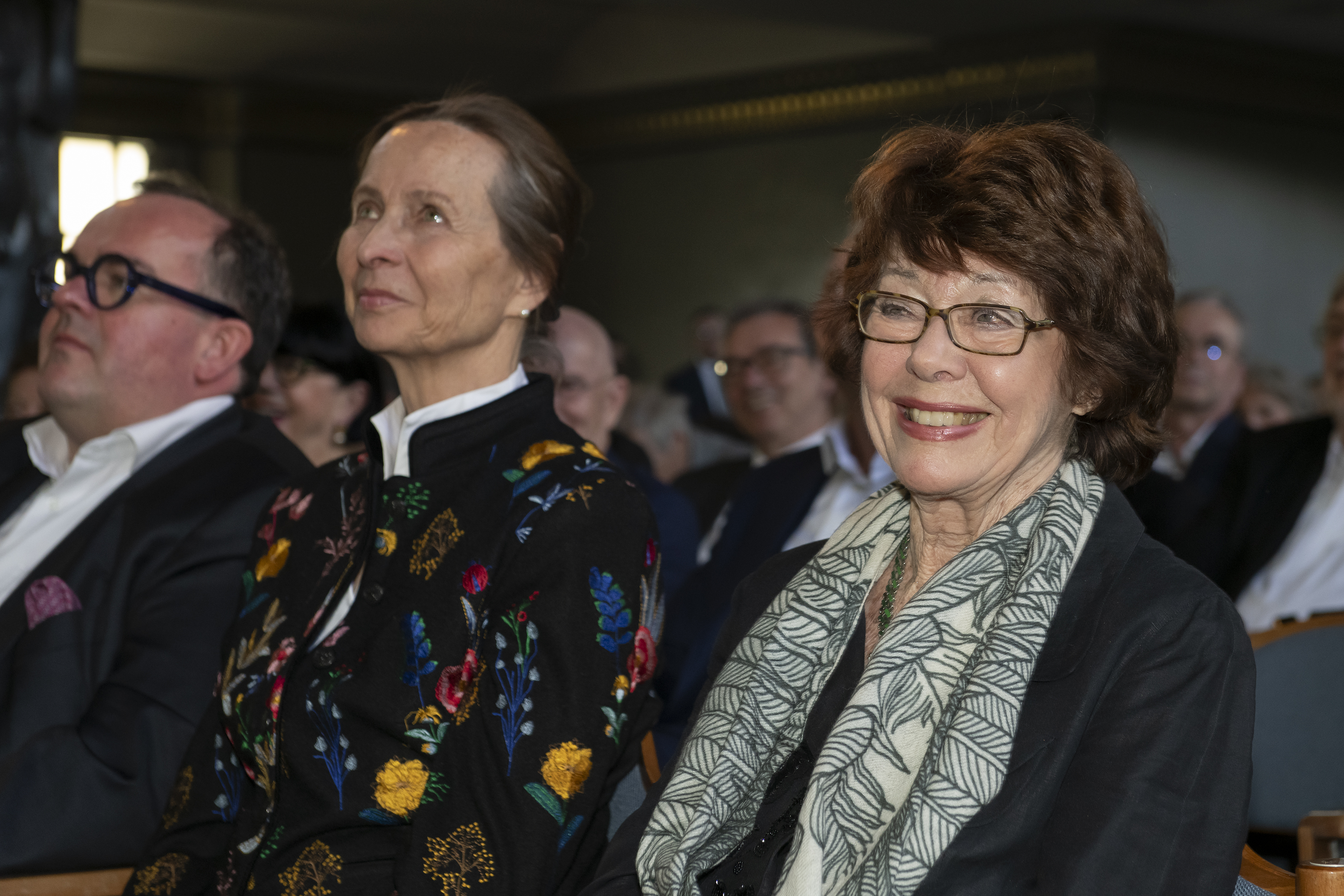
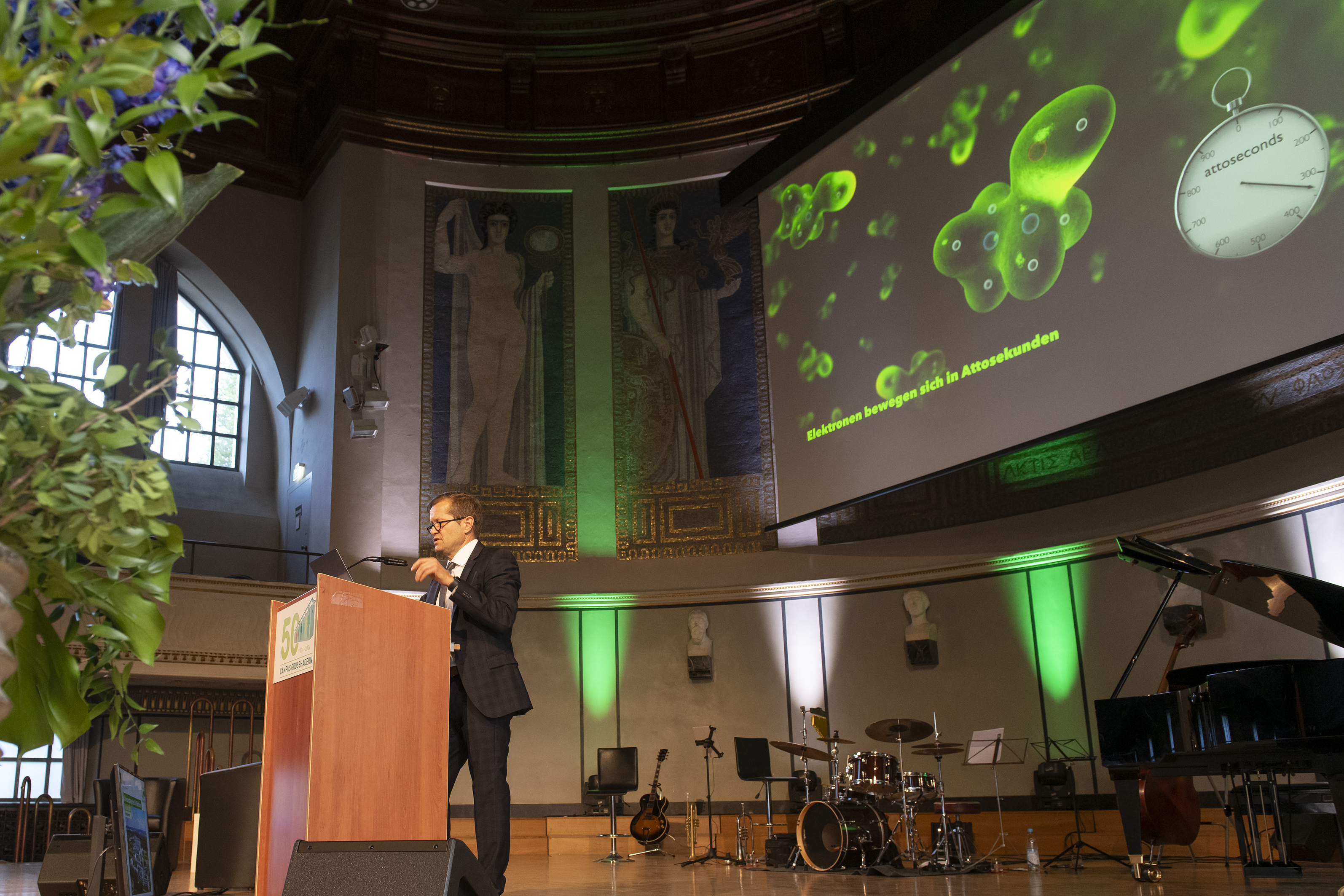
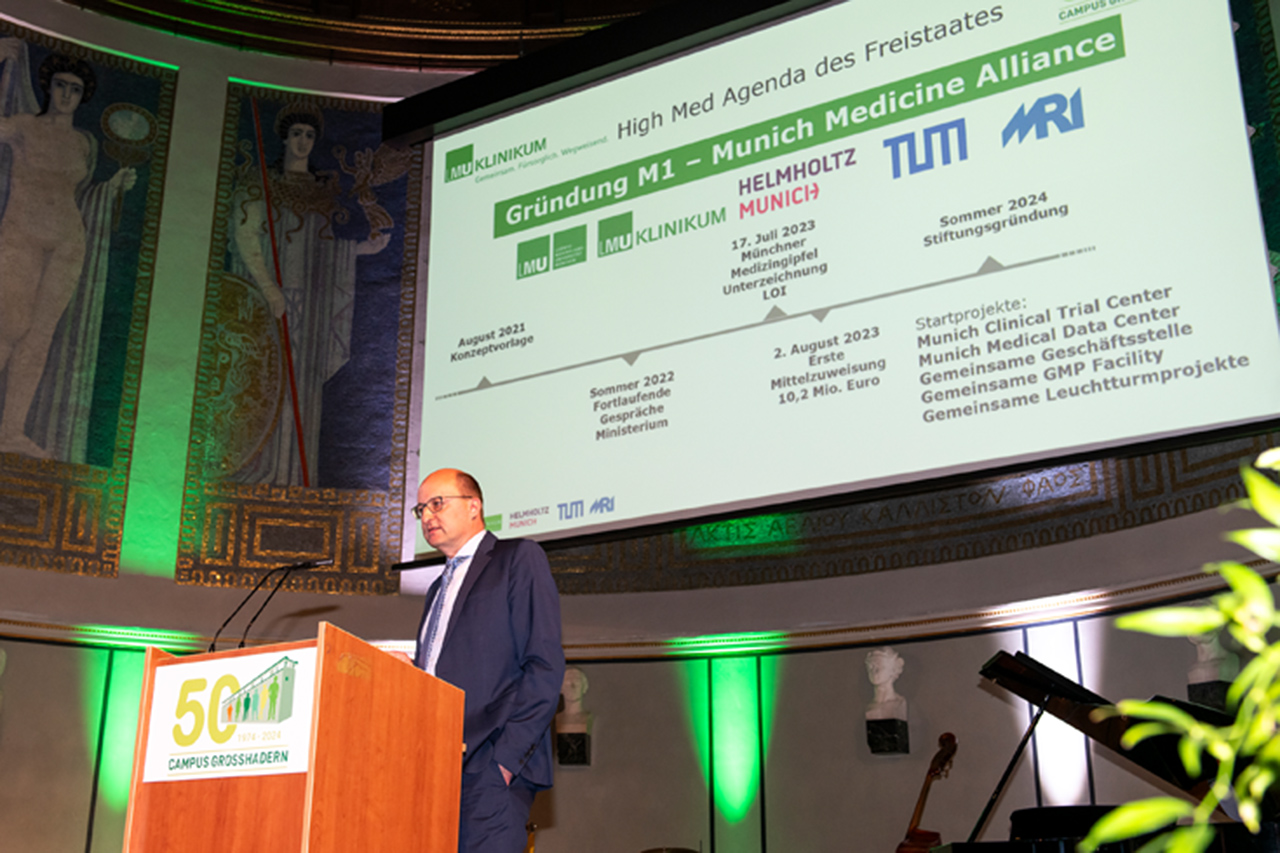
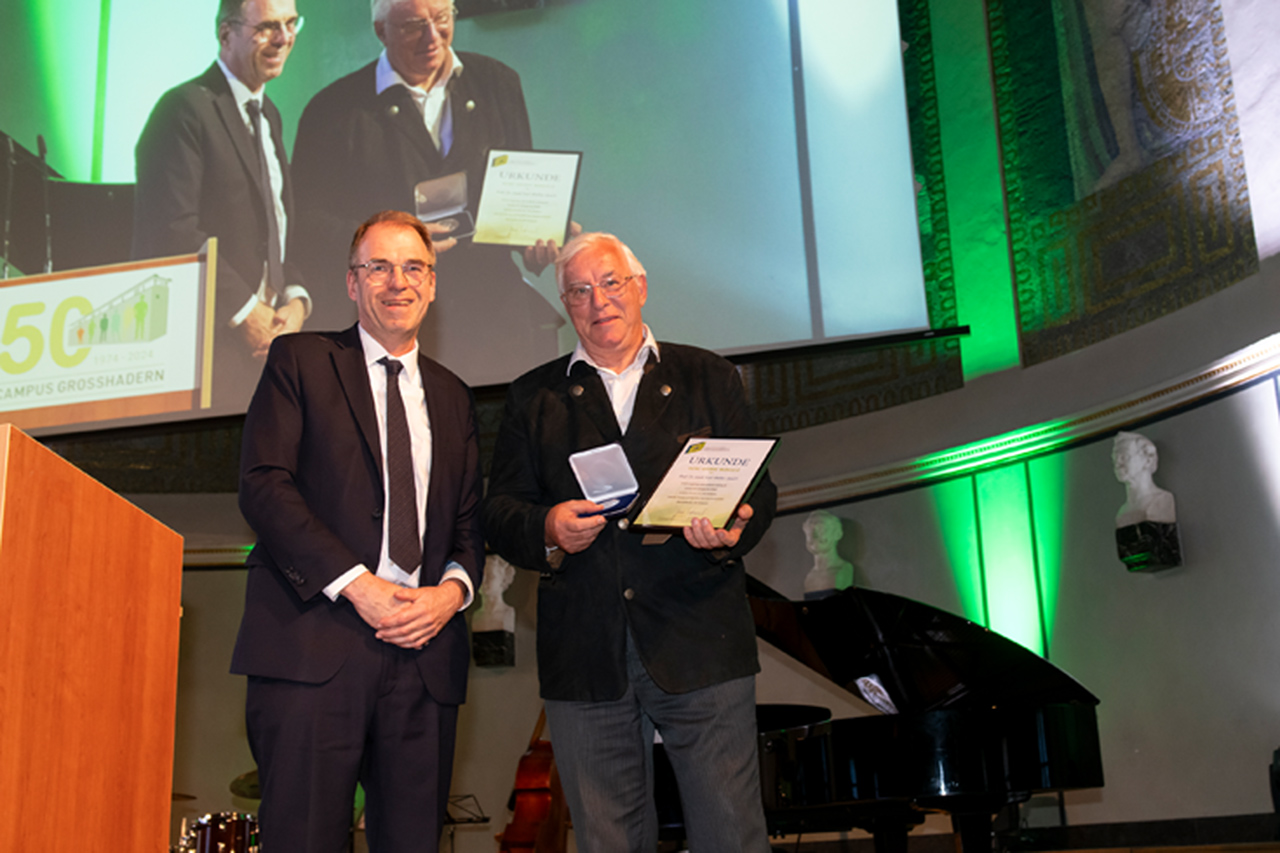
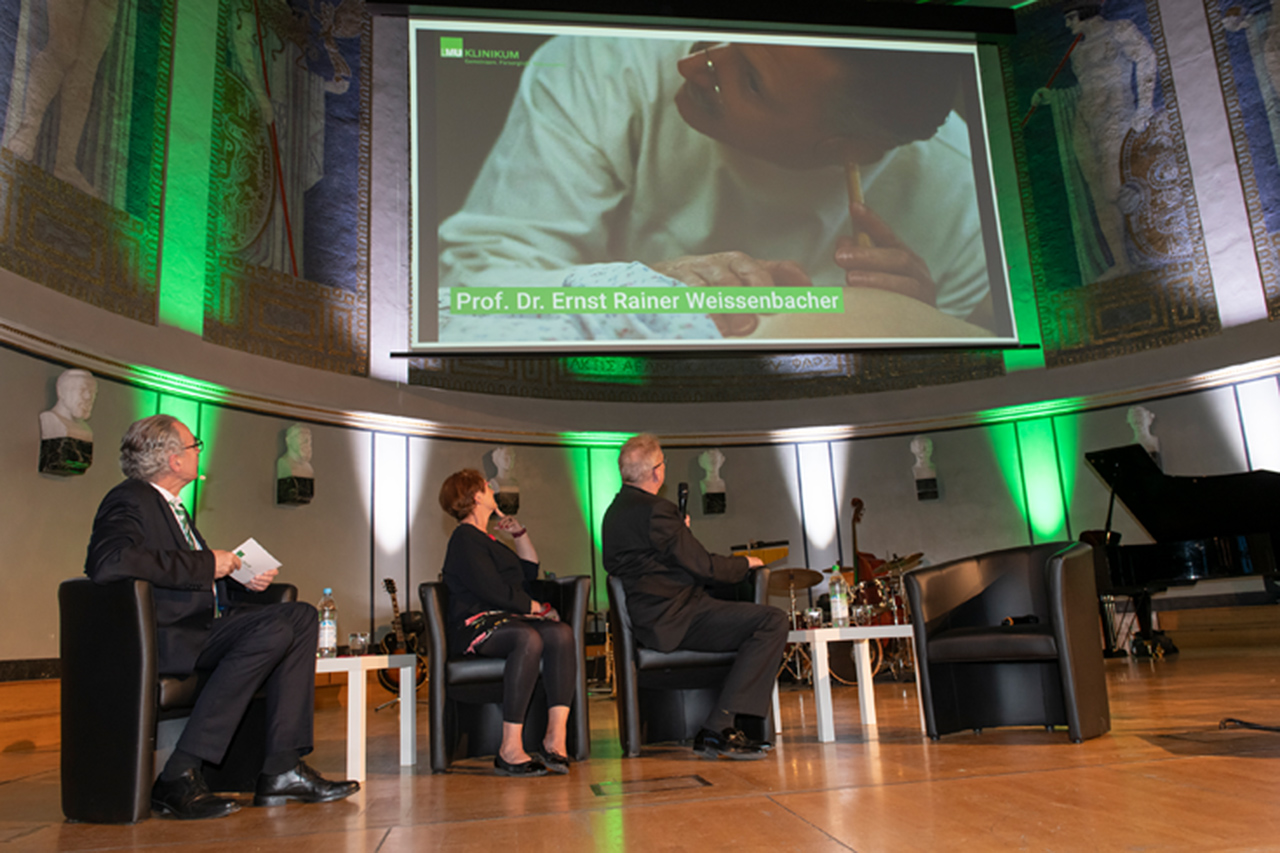
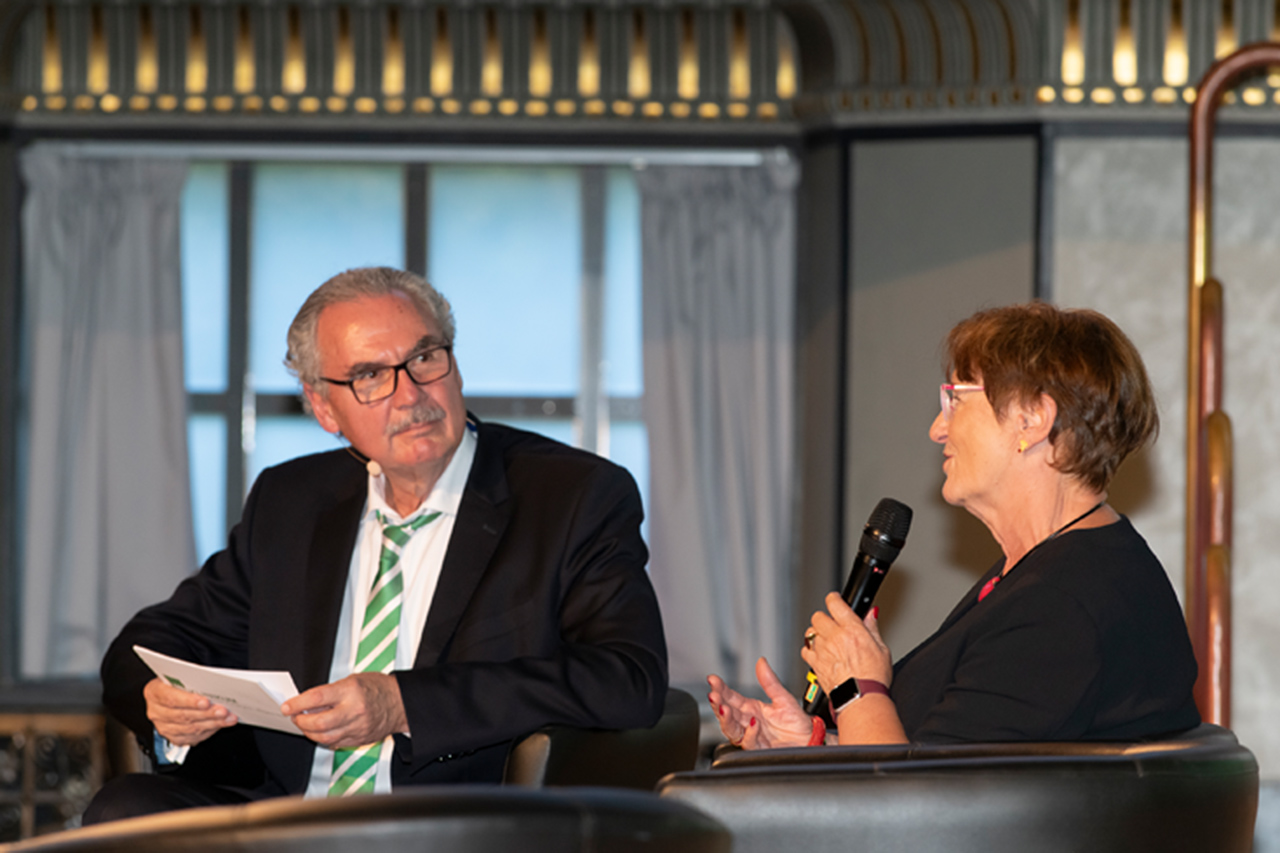
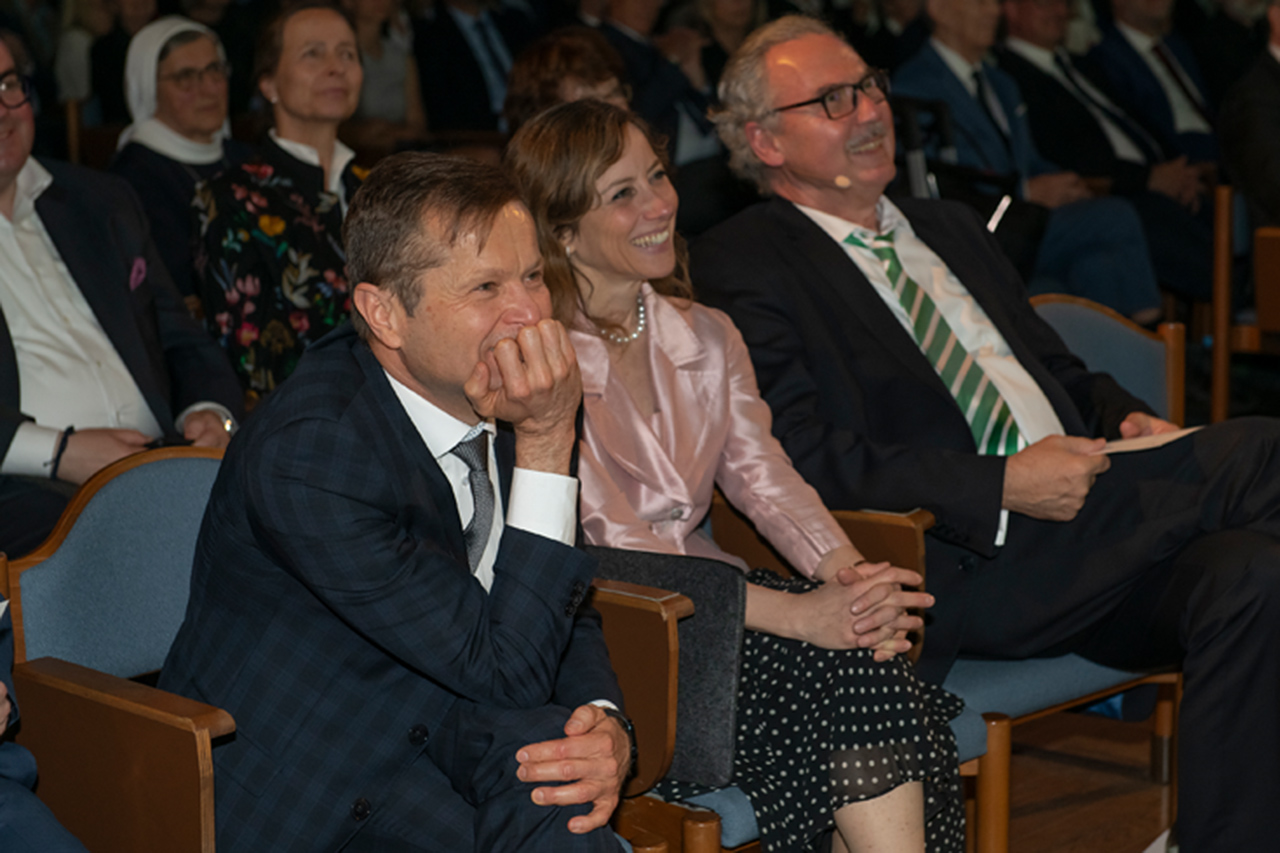
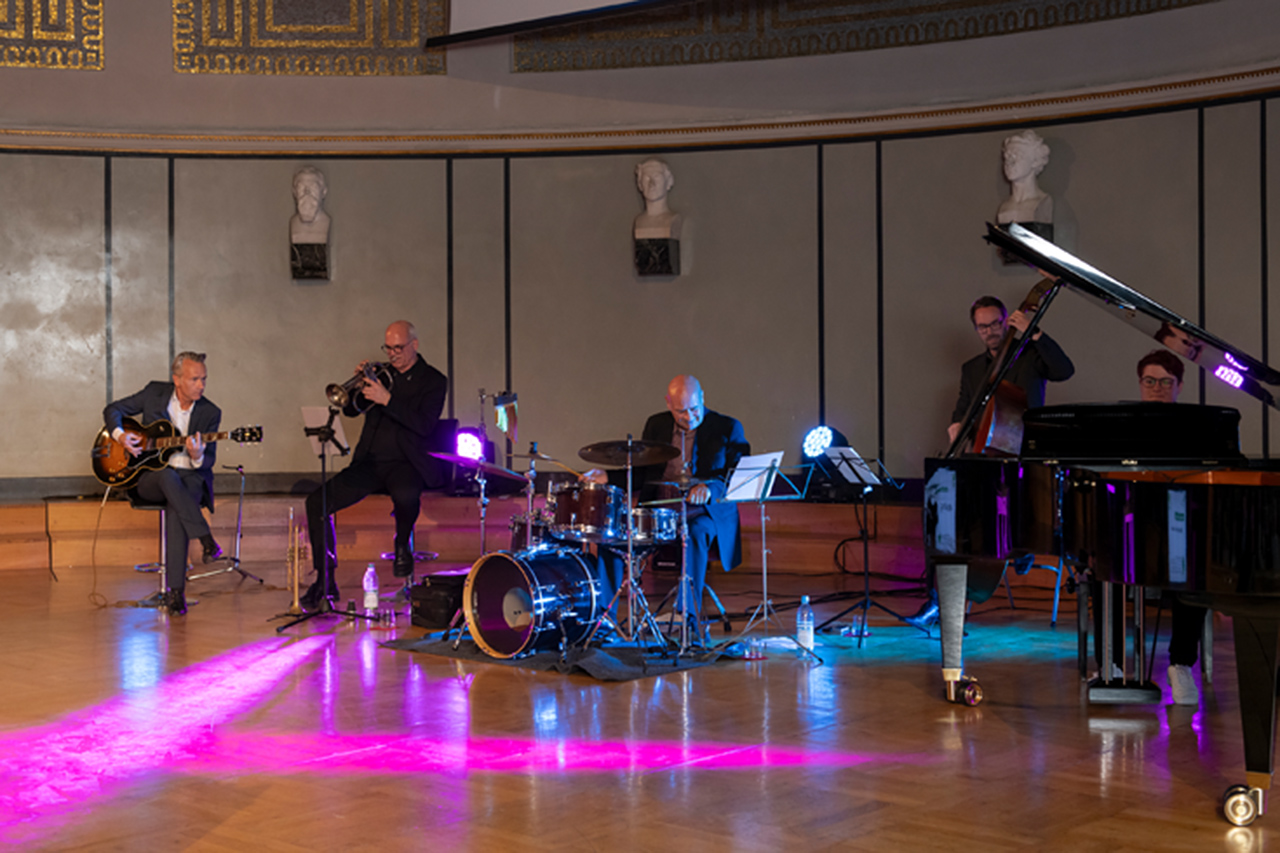
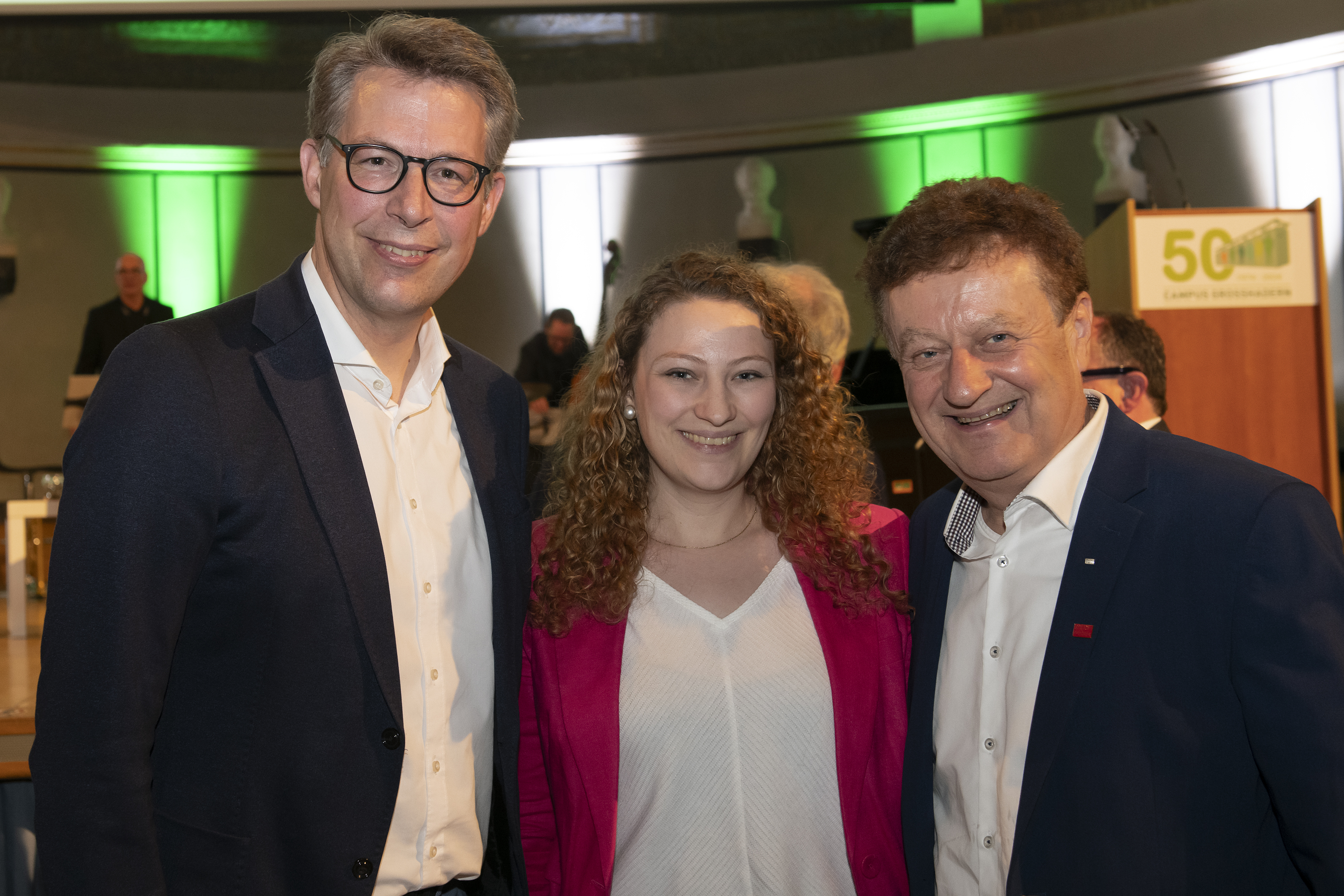
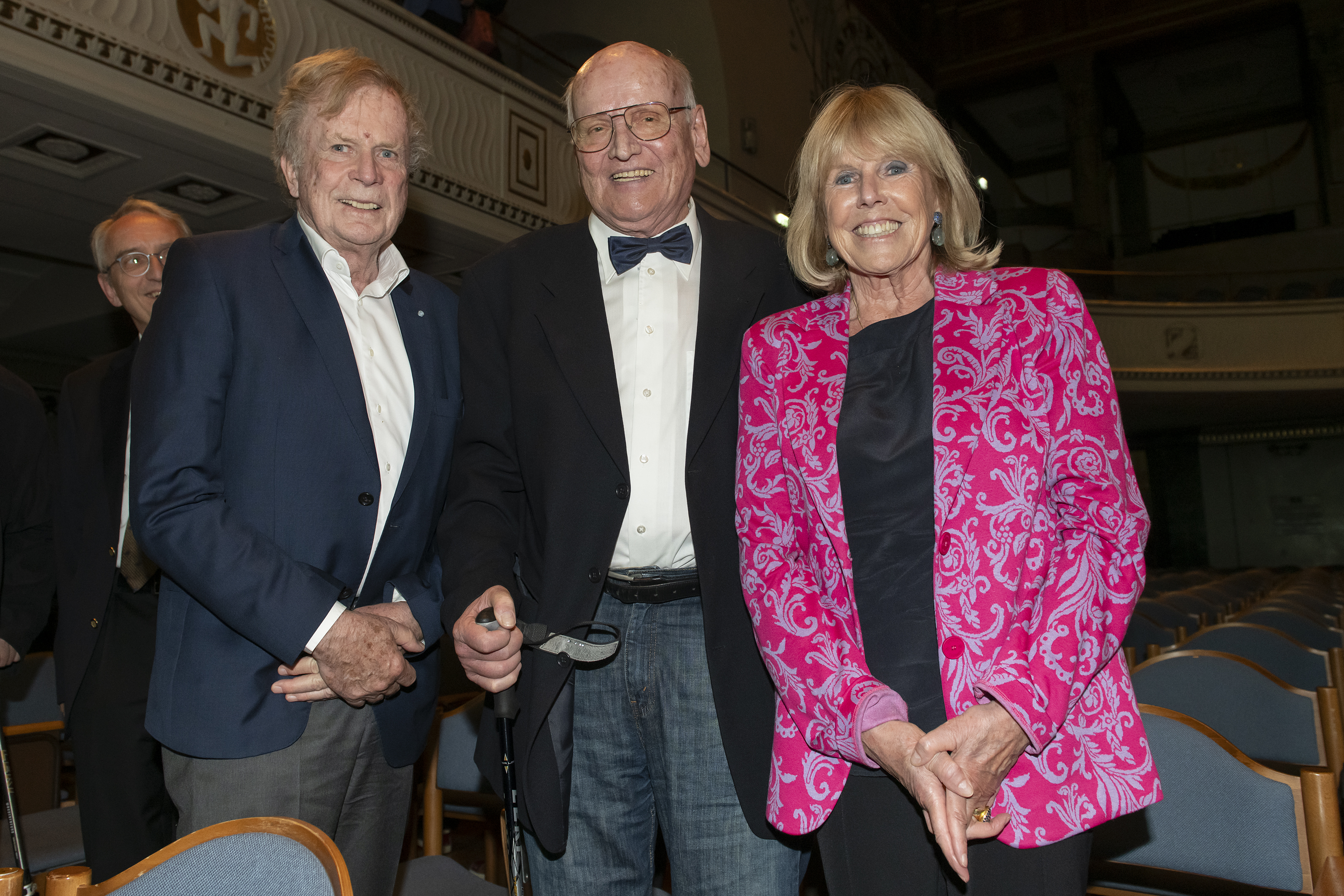
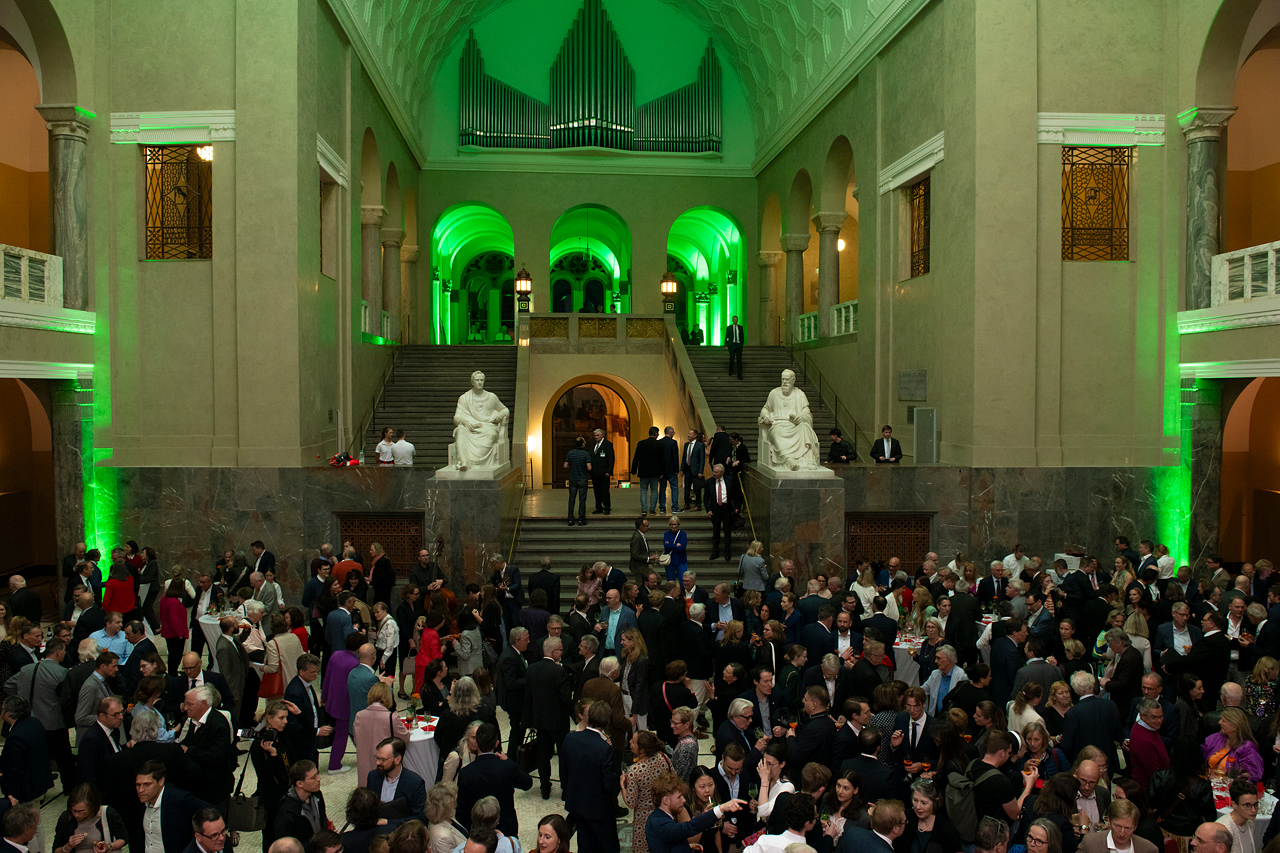
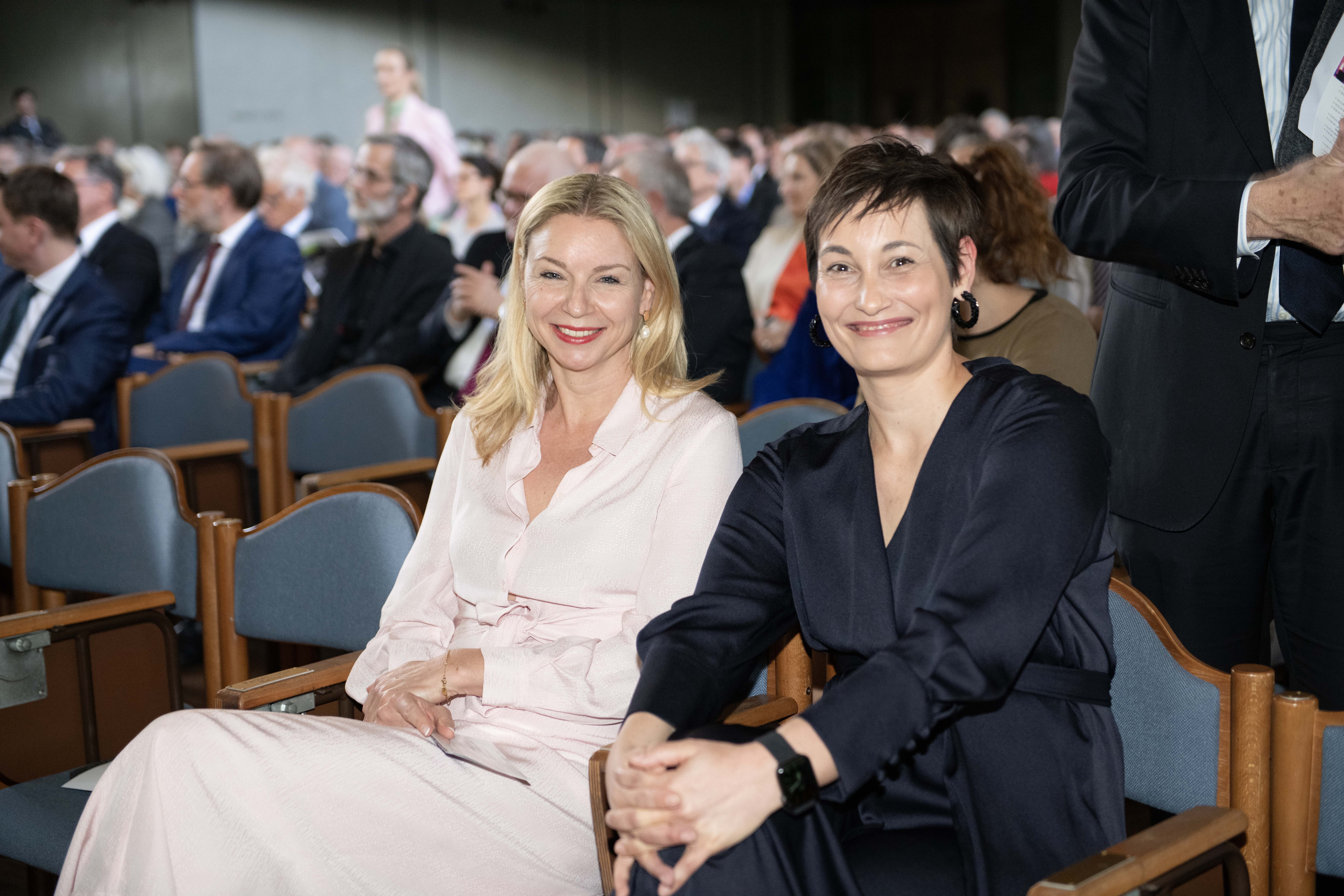
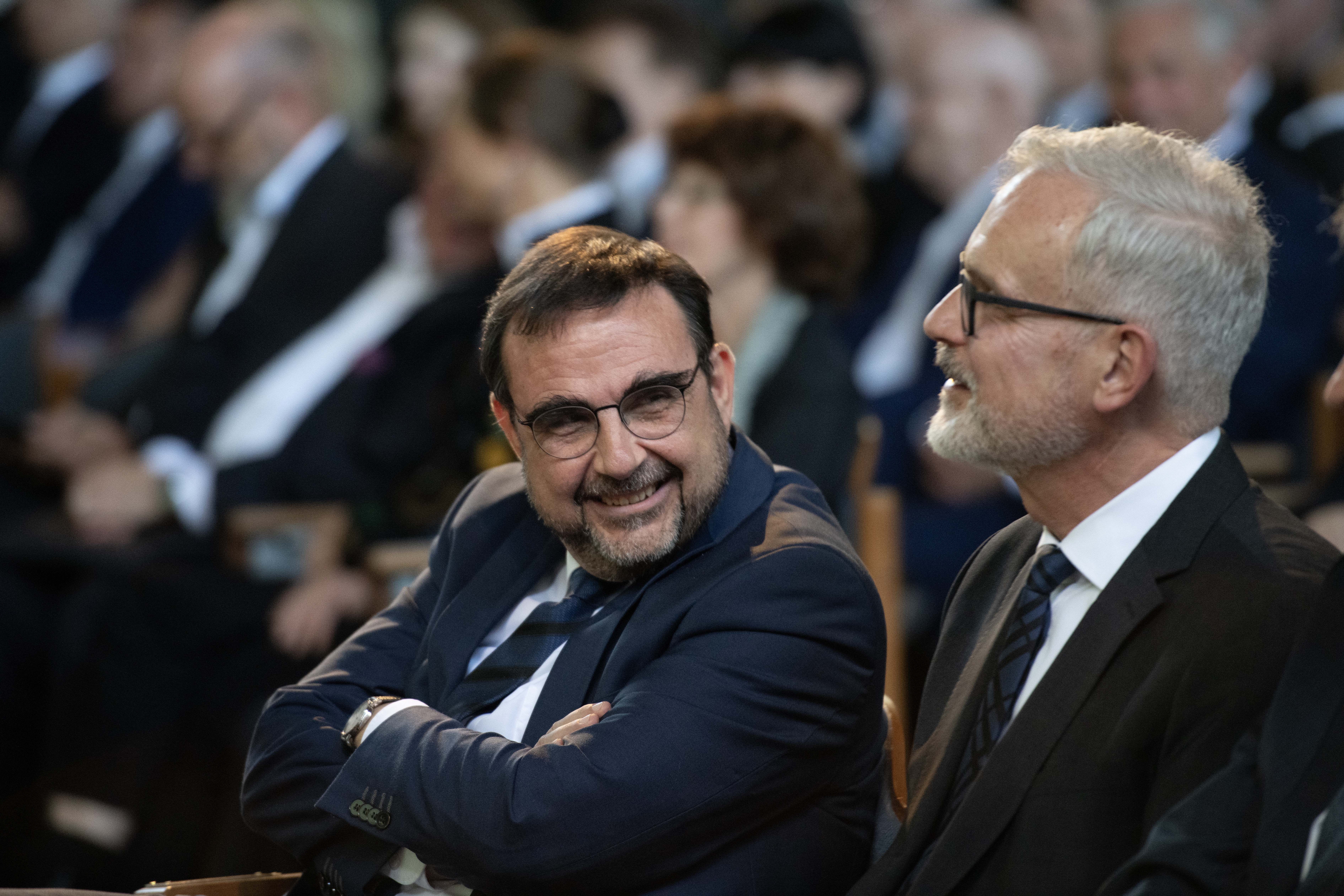
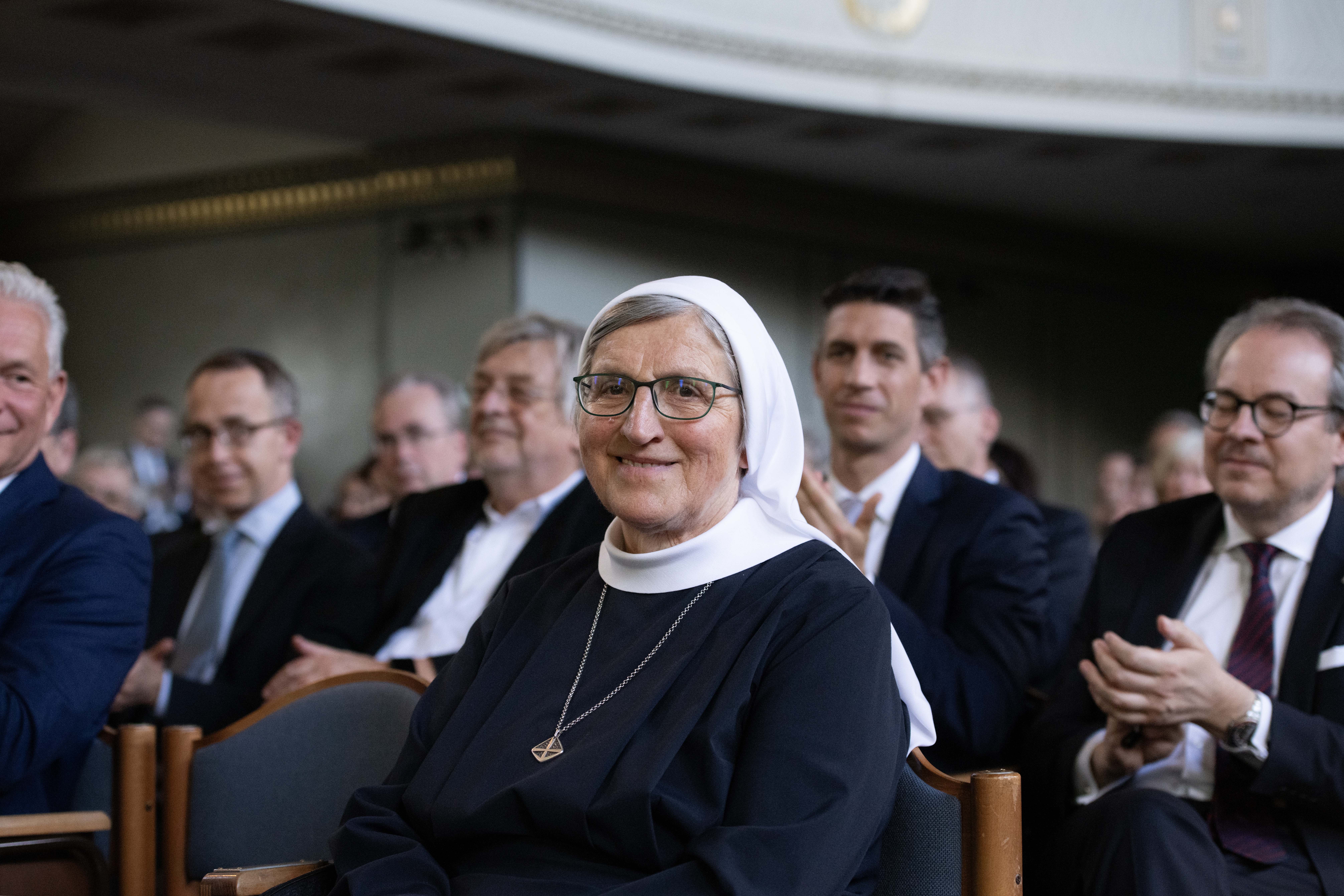
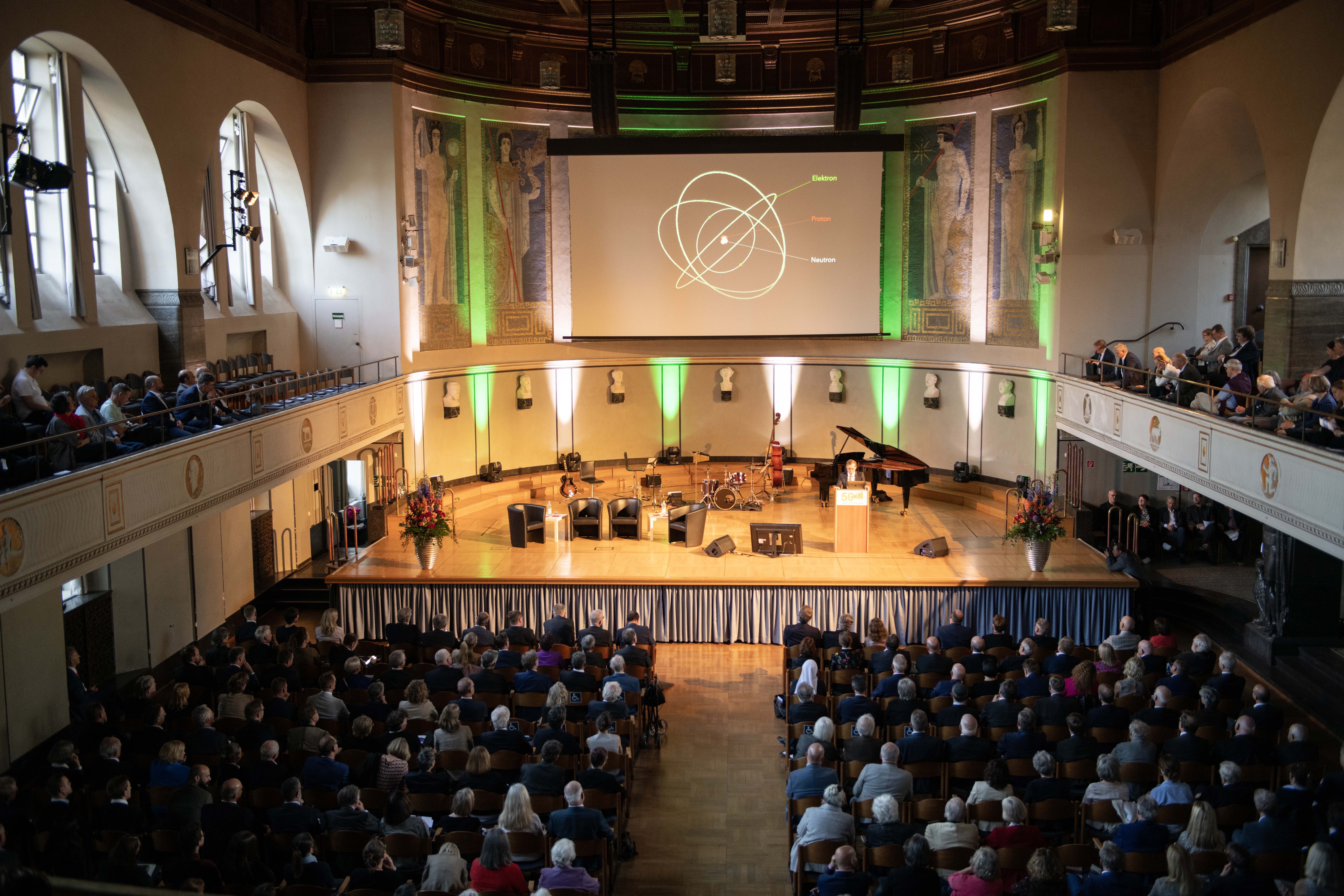
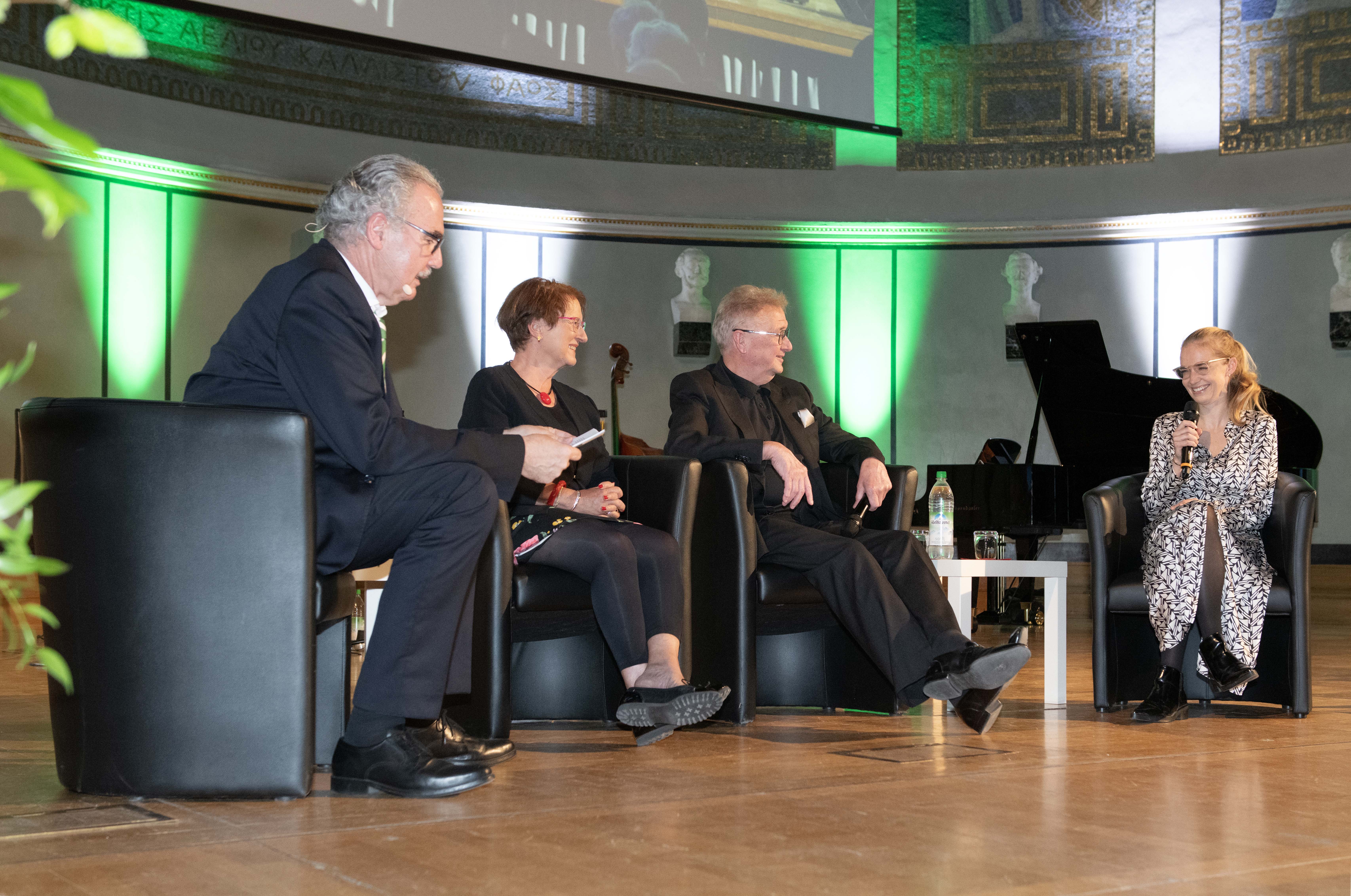
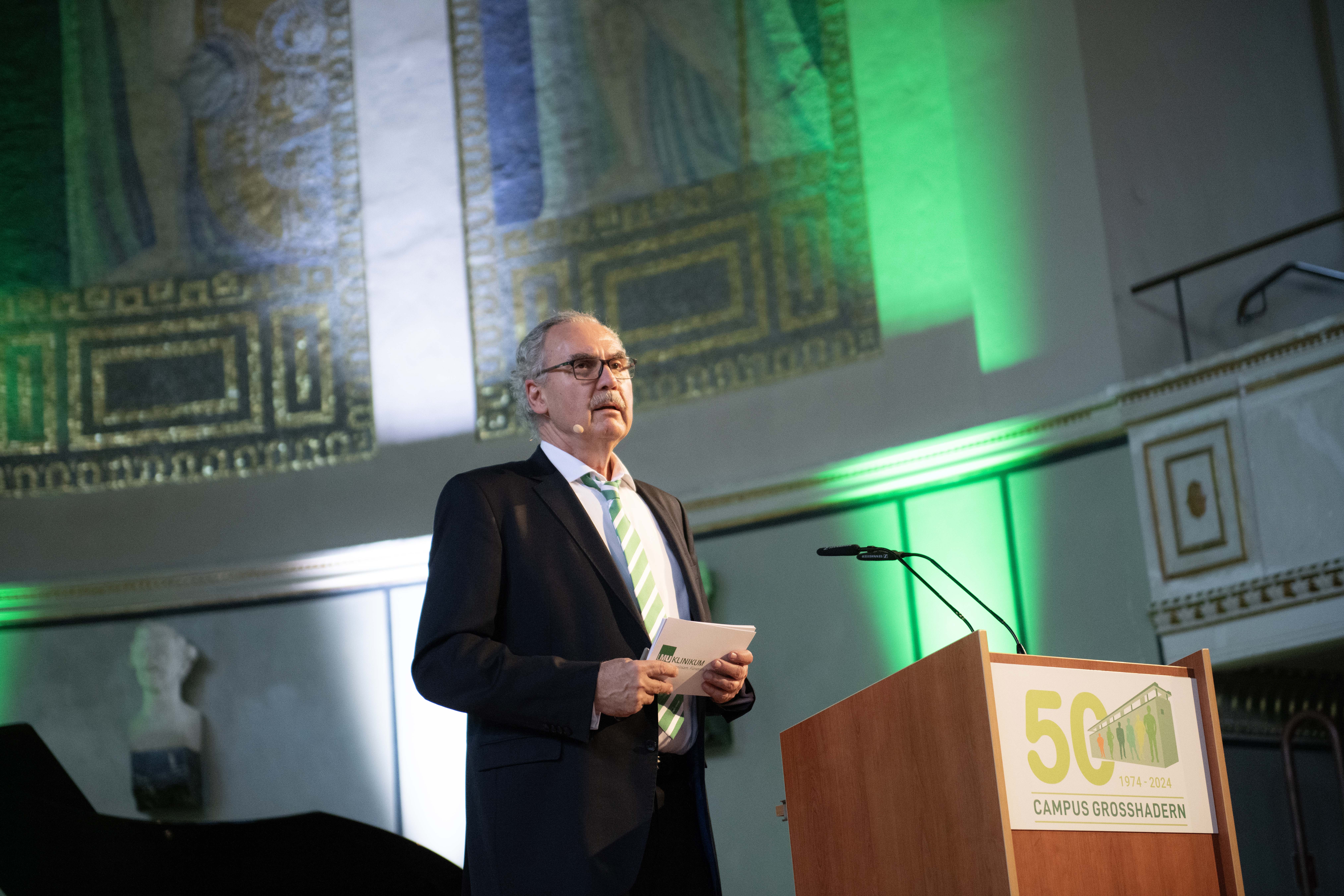
50 years of Großhadern Hospital: Nobel Prize winner Ferenc Krausz, Prof. Ernst-Rainer Weissenbacher and Theresa Vilsmaier, who was born there on camera, were among those celebrating. Around 720 guests accepted the invitation of the LMU Hospital Board of Directors to the annual reception this year, including Science Minister Markus Blume, well-known personalities from society, politics and science, many hospital directors and, of course, employees, friends and supporters of the LMU Hospital. At the ceremony on May 2 in the Great Hall of the LMU, moderated in a light and lively manner by Medical Director and Chairman of the Board Prof. Dr. Markus M. Lerch, the focus was on the past, the present and the future of the LMU Klinikum. The focus was of course on the lecture by the 2023 Nobel Prize winner for Physics, Prof. Ferenc Krausz, entitled "Molecular 'heartbeats' for the future of medicine". Commercial Director Markus Zendler reported on the current situation at LMU Klinikum and also looked to the future and the major construction projects of the coming years. Former Medical Director Prof. Karl-Walter Jauch was awarded the Heinz Goerke Medal for his special commitment. Above all, however, the evening told many stories - that was the particularly charming part: about Otto Schmidt, for example, former construction manager for the new building in 1974, who recorded the construction history of the Grosshadern campus in 250 black and white sketches. These were all projected onto the large screen in the auditorium. Bernd Ulrich, now 84 years old, was there, the longest surviving heart transplant patient in the world - 41 years ago today he received his new heart from Prof. Bruno Reichart in Großhadern. At the panel discussion, the well-known Prof. Dr. Ernst-Rainer Weissenbacher, former head of the Großhadern Women's Clinic, will be joined by Theresa Vilsmeier, who was born in Großhadern in 1991 in front of the camera, at the request of her father, the famous director Joseph Vilsmaier. Now 35 years old, she works as a doctor at the Großhadern Fertility Center. Alsoon board is Prof. Dr. Orsolya Genzel-Borovicény, neonatologist and employee from the very beginning. The development of shock wave therapy, the first bone marrow transplant, pioneering scientific work in immunotherapy for cancer, the first heart-lung transplant - these are just a few examples of the many medical innovations from 50 years of LMU Klinikum Großhadern. Since its opening in 1974, the Grosshadern Campus, together with the City Campus, has stood for progress and innovation in research, teaching and patient care. But above all, "Großhadern is one of the places where two things are united: outstanding excellence and humanity. "And this empathy", everyone agrees, "must be preserved".
Impressions of the 2024 annual reception here in the picture gallery
Image
Image
Image
Image
Image
Image
Image
Image
Image
Image
Image
Image
Image
Image
Image
Image
Image
Image
Image
Image
Image
Image
Image
We sincerely wish you and your families a peaceful andhappy Easter days.
For families with relatives who are often seriously ill, the current crisis-ridden period is causing many additional burdens. Families with developmentally vulnerable and chronically ill children are particularly grateful for any support that is offered to them.
If you have the opportunity to support the LMU Clinic and its current donation project, the heart laser, with a private donation at Easter, we would be delighted 🌺🌸
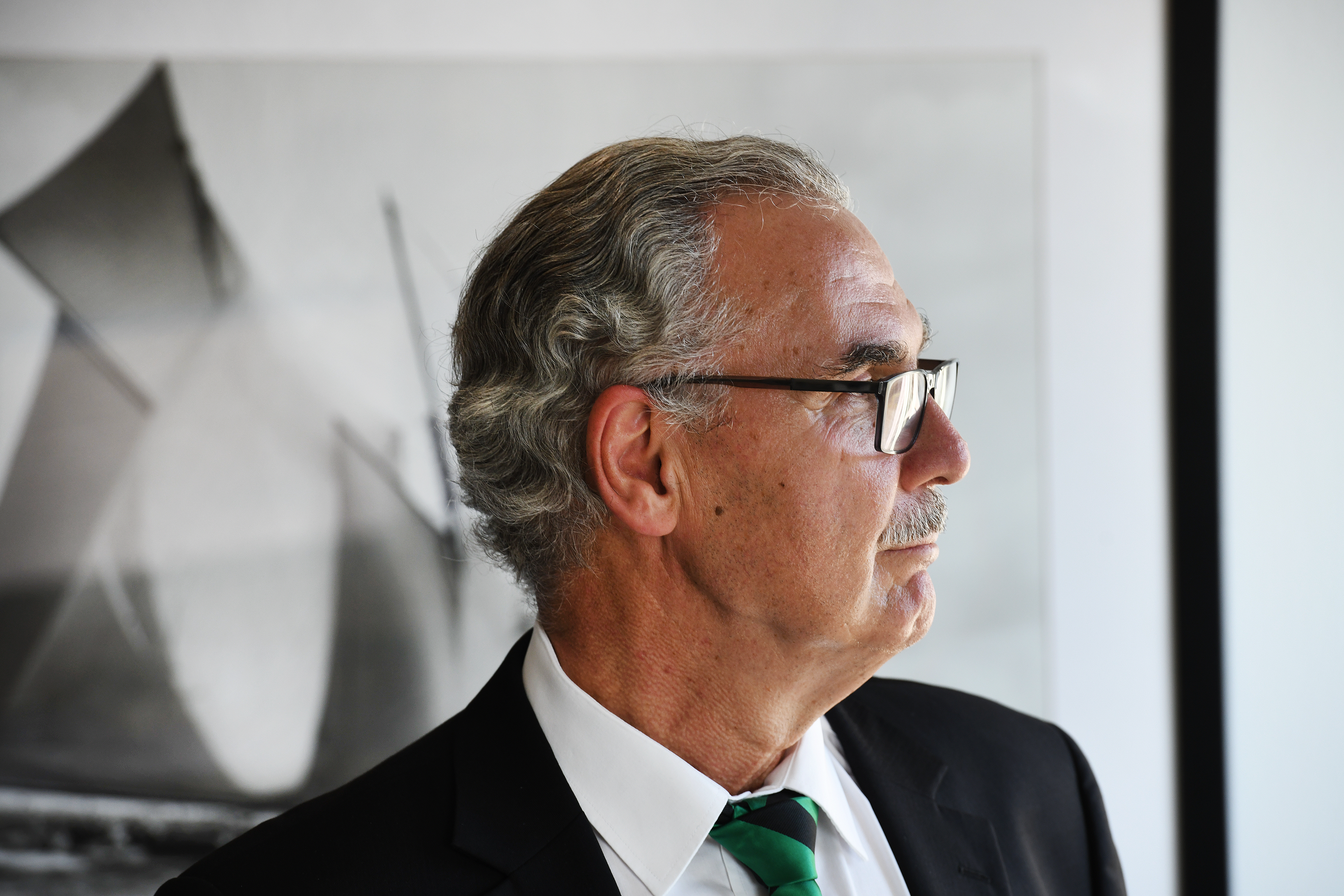
The LMU Klinikum is one of the largest and best maximum care hospitals in Europe. In addition to research and teaching, it is very much about providing the best possible care for sick people, but money also plays a role here. Without the donations collected through fundraising, many things would not be possible at the hospital. Here you can find the latest interview with Prof. Dr. Markus M. Lerch, Medical Director and Chairman of the Board of Directors.
KLINIKUM aktuell: Why does a hospital supported by thehospital need donations at all?
Prof. Dr. Markus M. Lerch: The Free State of Bavaria finances us well, and we are grateful for that. But we have to work economically and may only use our budget for tasks defined by the state or financed by the cost bearers. However, the needs of our patients or the latest medical advances often go beyond what is financed by the Free State or the health insurance companies. We can only make such projects possible with donations and support from the community.
KLINIKUM aktuell: Which donation projects are you particularly pursuing at the moment?
Prof. Dr. Markus M. Lerch: The "Neue Hauner" is a perennial favourite, for which we have already been able to raise a considerable part of the construction sum through donations, but we are still asking for support to equip this most modern children's hospital in Europe. One current project that is very close to my heart is a state-of-the-art laser device for cardiac surgery, which can spare some of our heart patients an operation.an operation. It makes medical sense, but it costs 250,000 euros, so we still need some time to raise the money. We also need money for palliative care, both for adults and children. New projects are added every year , but we are always able to complete one successfully.
KLINIKUM aktuell: How much of a donation actually reaches the project?
Prof. Dr. Markus M. Lerch: If you donate 1,000 euros to us , 1,000 euros will reach the projects. We cover the running costs of the fundraising department with our hospital budget, so that not a single cent of the donation is used for anything else.
KLINIKUM aktuell: Who are already the hospital's biggest supporters?
Prof. Dr. Markus M. Lerch : Firstly, there are the various support associations at the hospital, including the Children's Palliative Medicine Support Association, where the chairman Thomas Barth and his colleagues collected 5.5 million euros in six months , making the construction of the Children's Palliative Care Center possible in the first place. I would also like to mention the Haunerverein, which has beensupporting pediatric medicine since 1846, and the commitment of the Munich Rotary Club. In addition to other well-known foundations and companies, there are also many grateful patients who donatepatients who donate to our projects or consider usas heirs to an estate. And then there are the many Munich residents who, for birthdaysinstead of gifts or at funeralsask for donations for us instead of wreaths.Or patrons such as Sigrid and Siegfried Siegmund, who donated an entire building for the LMU Clinic, which now bears their name. However, we are not only supportedby money, but also by peoplewho put their good name and celebrity at the service of our cause.Former footballer Sandro Wagner was born at the hospital in Großhadern , as were his children. He has been supporting us for a long time and has not cut back since he became co-coach of the national soccer team. We also receive great support from Haus Wittelsbach , in particular from Princess Ursula von Bayern, who is committed to the needs of young patients and is active in neonatology, at the Dr. von Hauner Children's Hospital and in children's palliative care. I am very grateful that we are really supported by a broad social foundation."
Current donation project: State-of-the-art heart laser for heart patients
Donation account of the LMU Clinic
IBAN: DE41 7005 0000 0000 0200 40
Purpose: Laser Heart (please always specify)
The interview is also published on the website of the Association of German Foundations: https: //www.stiftungen.org/aktuelles/news-aus-stiftungen/detail/fundraising-fuer-das-lmu-klinikum-interview-mit-prof-dr-markus-m-lerch-ceo-und-aerztlicher-direktor-13182.html
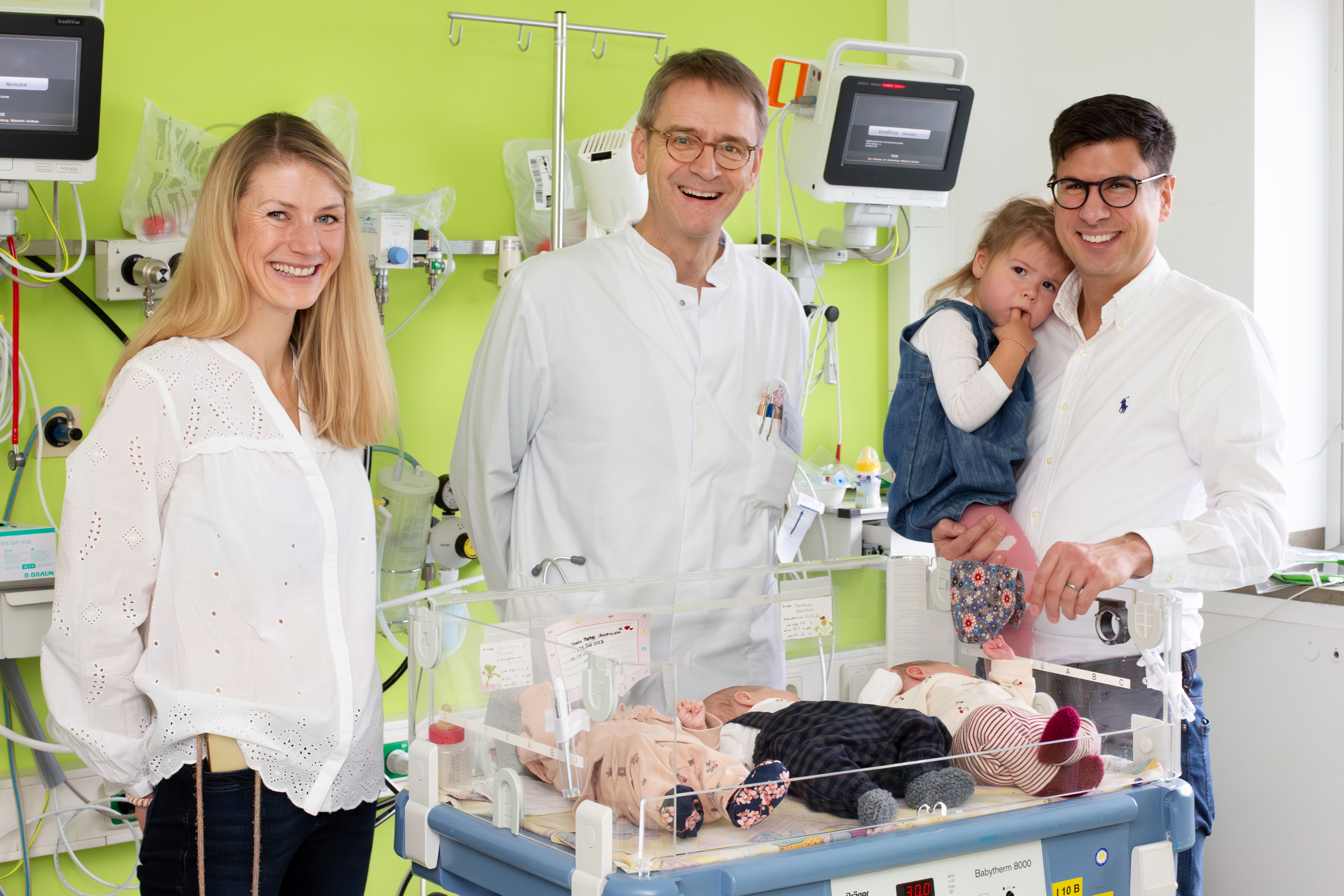
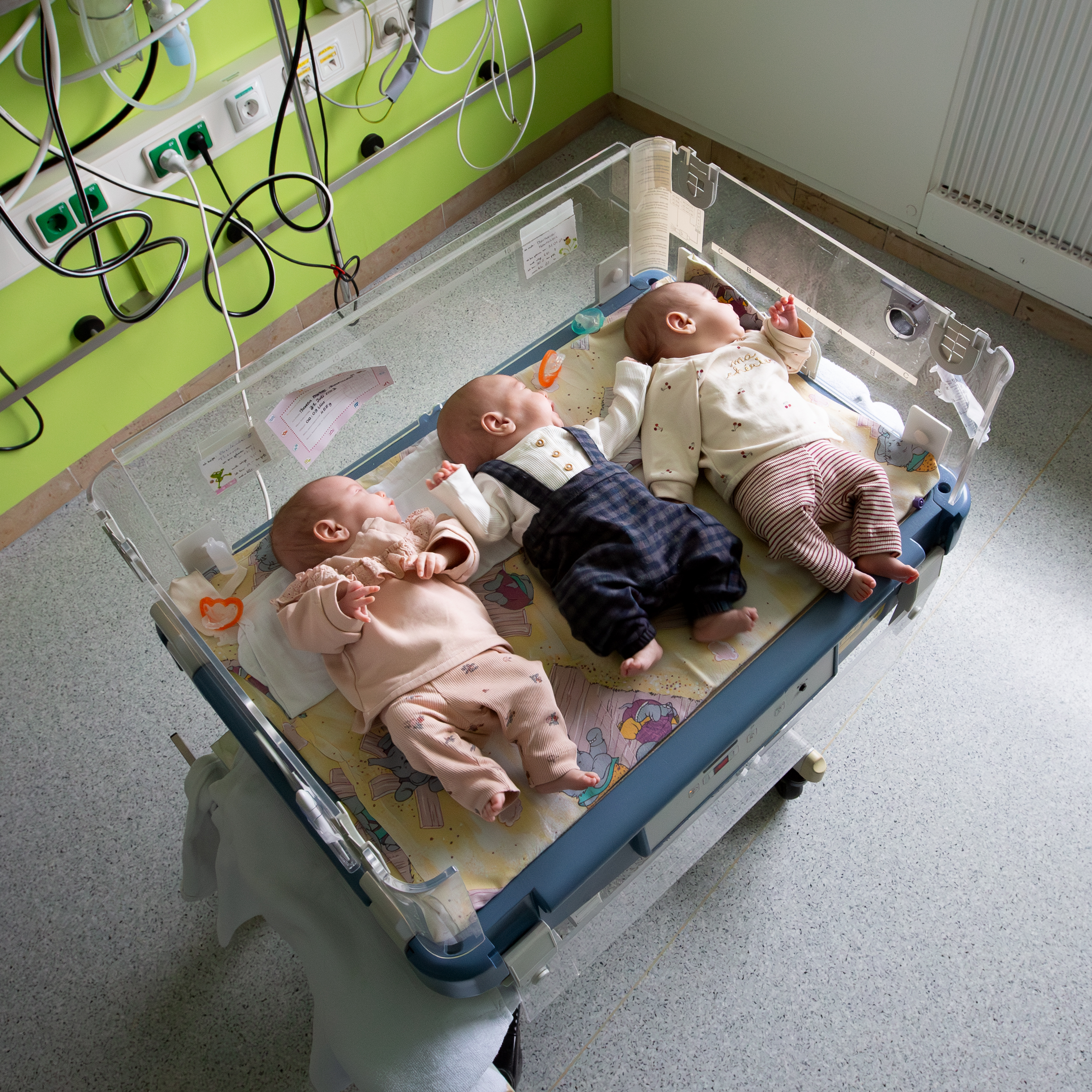
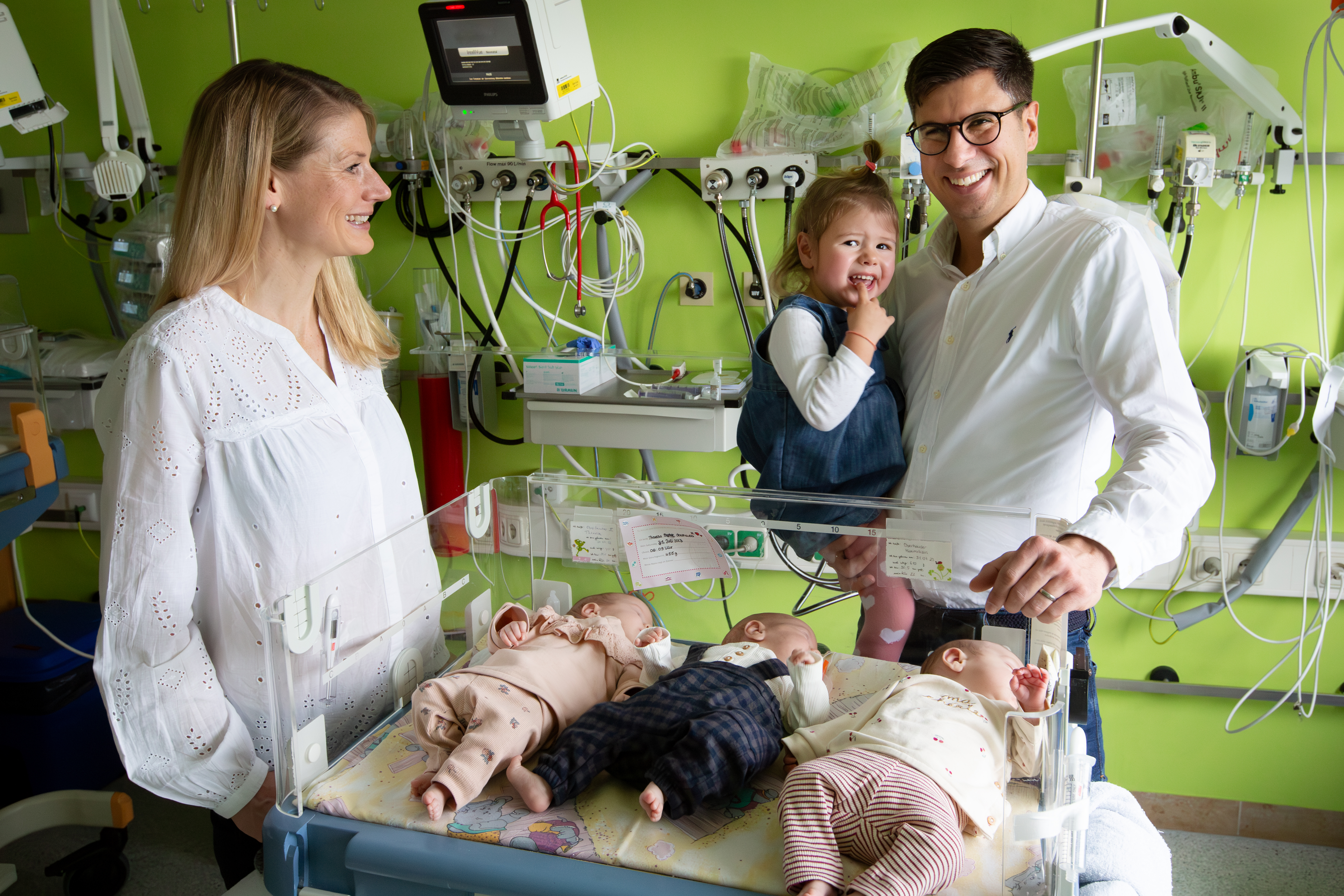
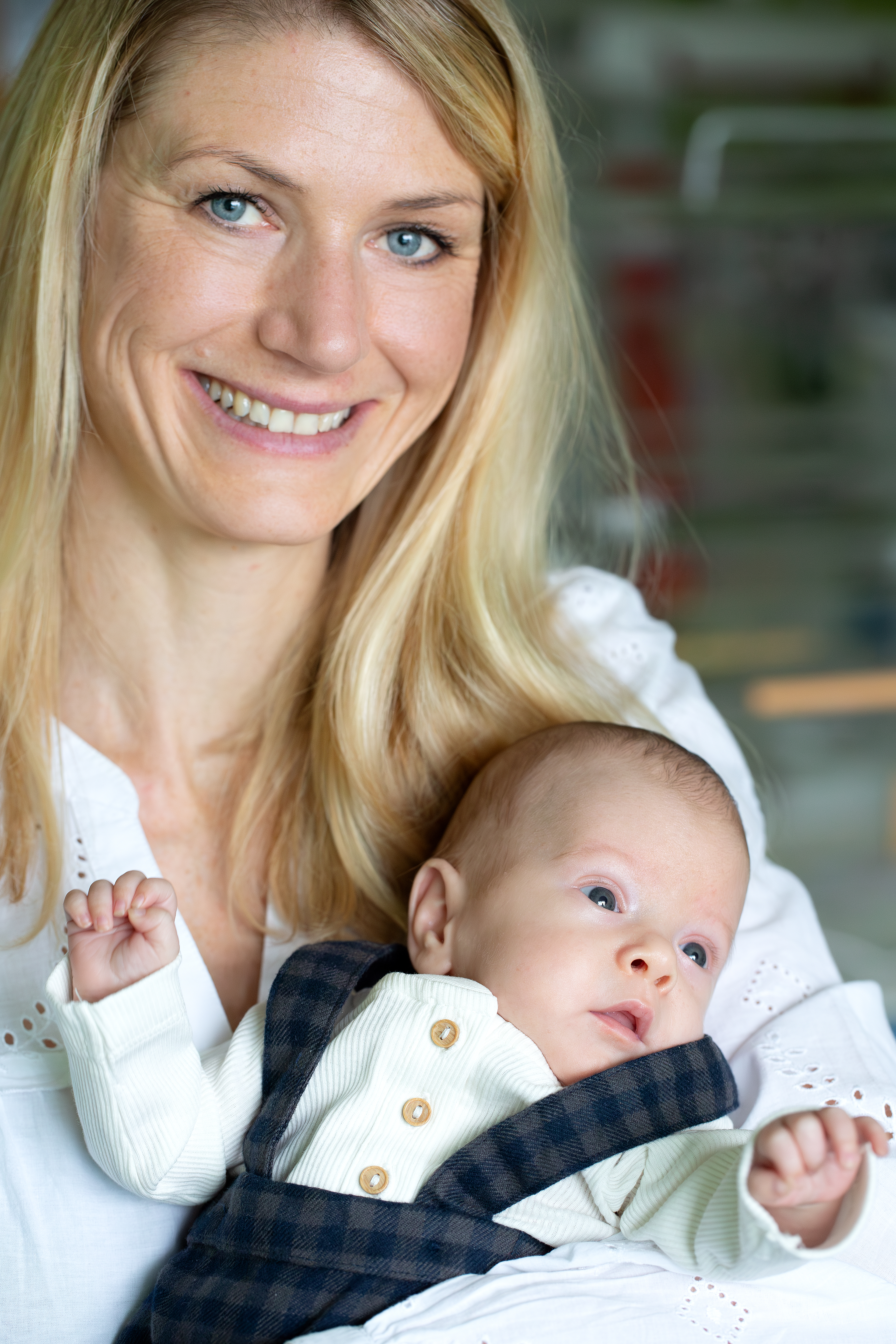
On July 30, 2023, they were born far too early at 24 weeks' gestation: triplets Luisa, Max and Theresa. After six months in the neonatal intensive care unit, all three were discharged home with their parents on January 15.
Theresa was born on July 30, Luisa and Max on July 31. That alone is a special feature. The three are considered extremely premature babies: "As soon as a premature baby weighs less than 500 grams, we speak of extremely premature babies," explains Dr. Adelheid Kley, who coordinated the care of the triplets at the city centre site. "In this case, of course, the lungs have not yet fully matured, which is really special." The triplets were first admitted to the neonatal intensive care unit during the ventilation period and were then transferred to the neonatal ward in Großhadern in November, which is headed by Prof. Dr. Andreas Flemmer.
Breastfeeding, swaddling, holding and administering medication: "We did all of this as far as possible from the start and were naturally integrated into the ward's daily routine," says the mother. This helps to build up the bond that was severely disrupted by the premature birth, a very important aspect of premature baby care. And, of course, to become more confident in handling the medication.
Arriving home, supported by Harl.e.kin aftercare
"We are overjoyed to be at home with all three of them now, which also means more normality for our two-year-old daughter Evi," say the parents. Of course, the support they continue to receive also helps: As part of Harl.e.kin aftercare , a Harl.e.kin tandem accompanies the family in everyday life at home: the pediatric nurse, who already knows Luisa, Max and Theresa from their time on the ward, and a developmental pedagogical specialist from an early intervention center - and this until the parents have fully arrived in the solely responsible care at home. Harl.e.kin aftercare complements the possibilities of state-of-the-art medical care: So that premature babies become healthy children.We wish the family all the best!
Image
Image
Image
Image
Image
Image
We wish you a happy and healthy new year.
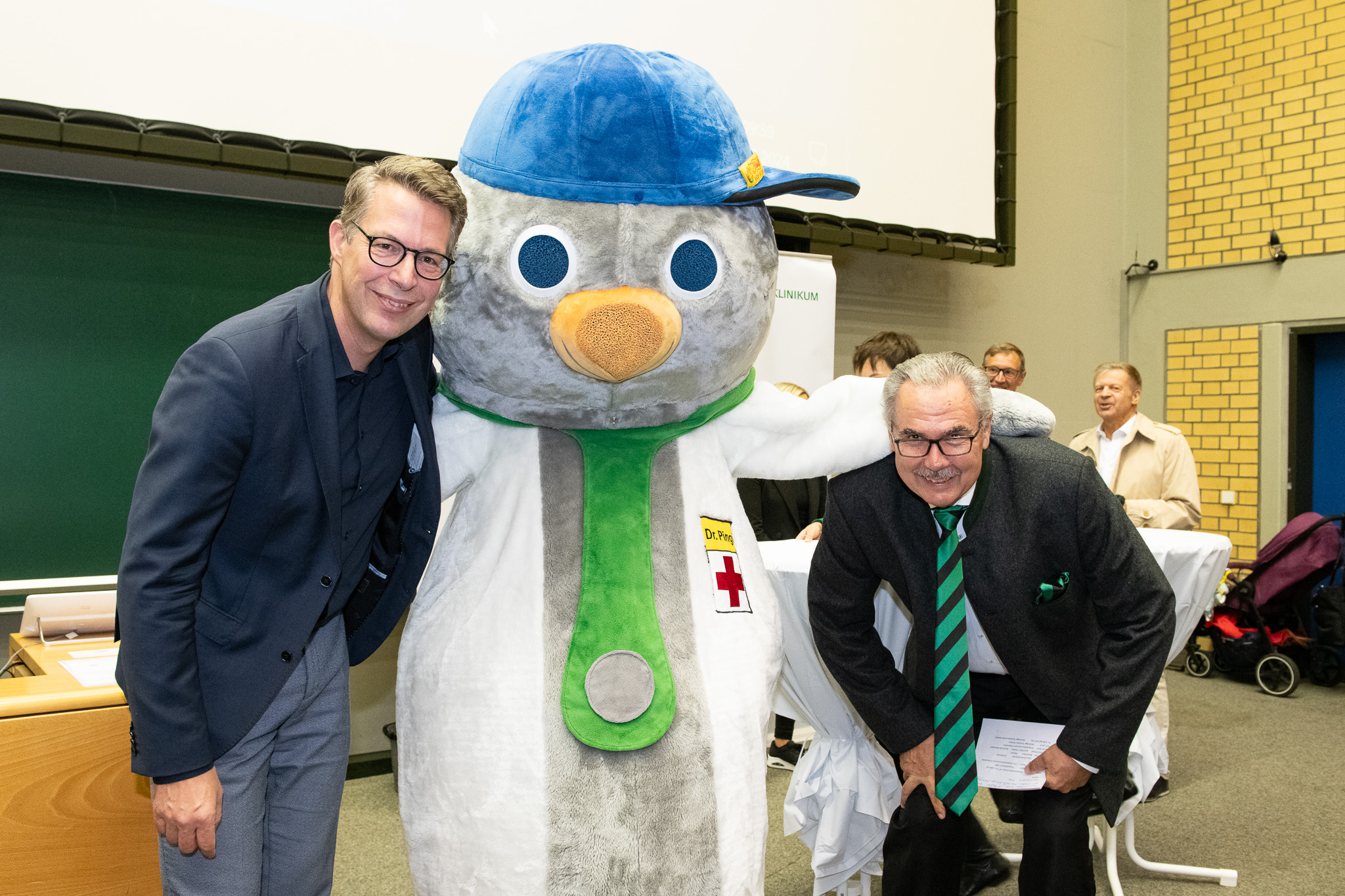
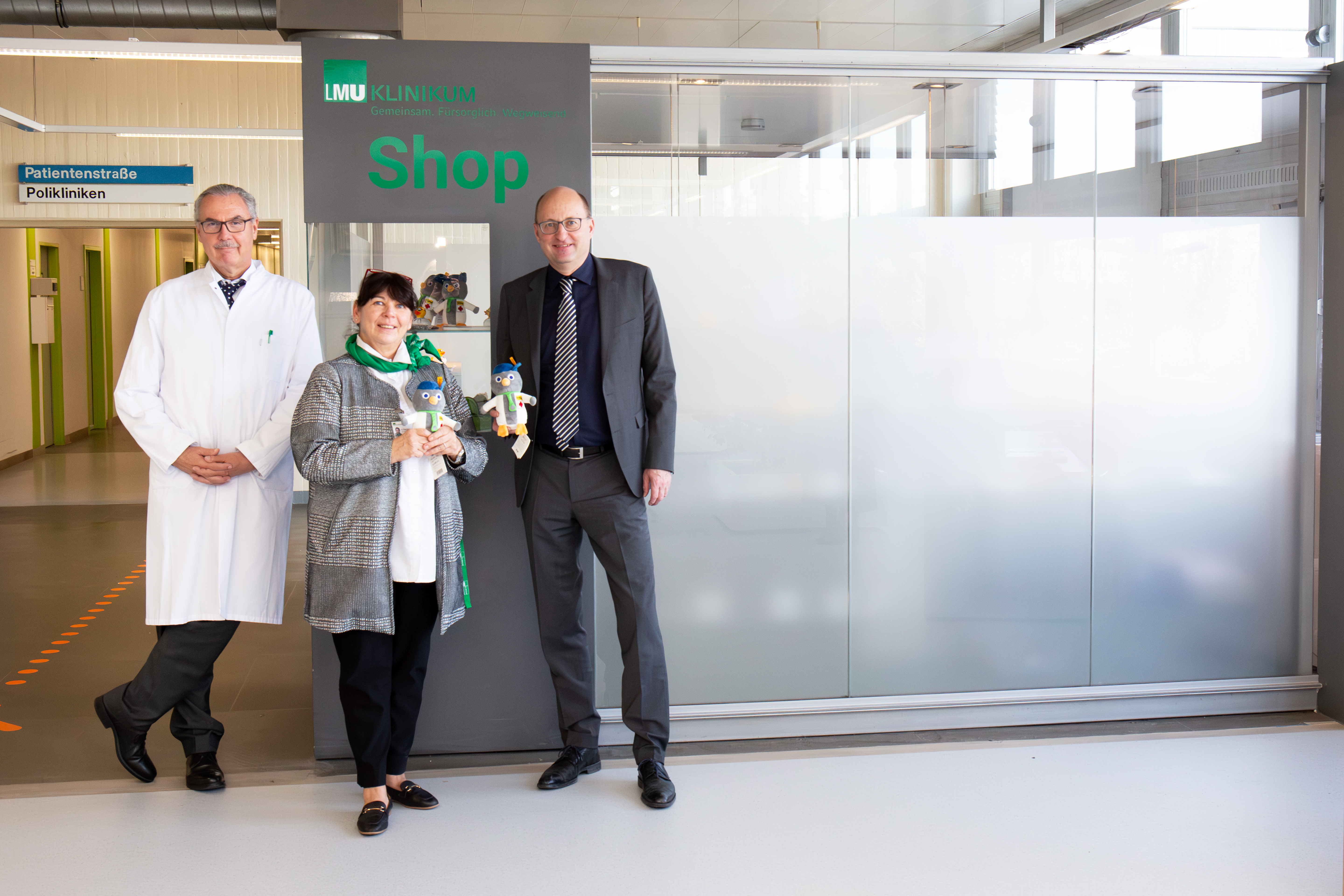
You can store and browse in the new LMU Klinikum SHOP in the entrance area of the LMU Klinikum Großhadern. Fan articles such as the doctor's duck, bibs for newborns, umbrellas and T-shirts can be purchased here as well as the mascot of the New Hauner Dr. Pingi. The commemorative publication 550 years of LMU Medicine in Bavaria is also available there in German and recently also in English.
The proceeds from the sale will benefit our current donation project, a state-of-the-art laser device for cardiac medicine.
Please feel free to drop by!
You are also welcome to contact the reception staff if you are interested in a souvenir or two.
Or you can send us an e-mail: fundraising@med.uni-muenchen.de
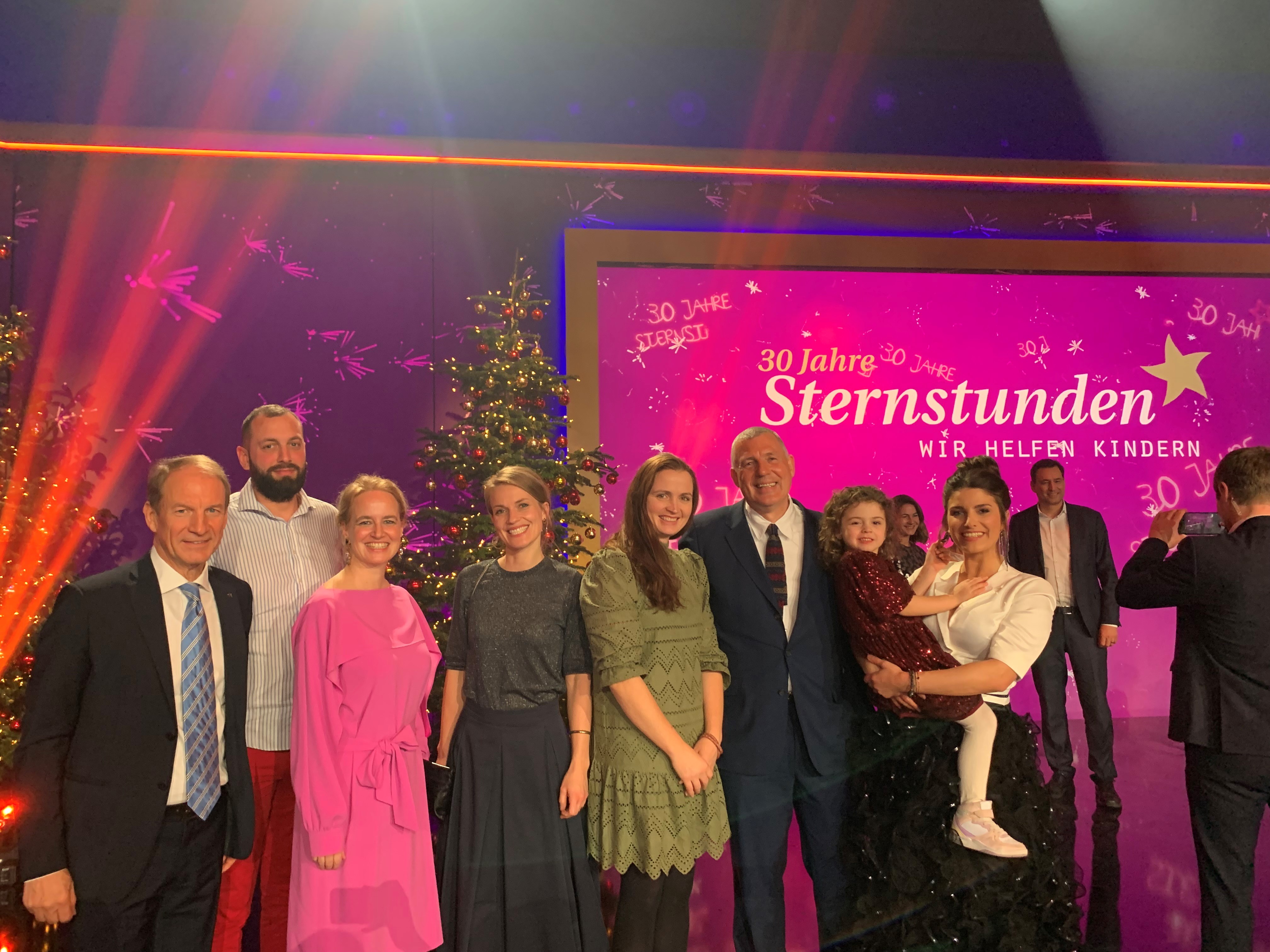
The Dr. von Hauner Children's Hospital at the LMU Klinikum is home to one of Germany's leading centers for childhood strokes - a team of experts in pediatric neurology, coagulation medicine, pediatric intensive care medicine and (neuro)radiology is available 24 hours a day, seven days a week to diagnose strokes in children as quickly as possible and immediately initiate and carry out the appropriate therapy. Speed in diagnosis and treatment is the decisive factor in a stroke in children as in adults.Prof. Dr. med. Florian Heinen heads the Center for Pediatric Stroke at the Dr. von Hauner Children's Hospital and says:
"Stroke in children is not "Emil and the detective" - a singular, well and schematically organized as in adult medicine.Stroke in children is "Emil and the Detectives", the plural:We need really many disciplines, immediately and right at the beginning and well coordinated - that's exactly what the LMU Clinic and the Dr. von Hauner Children's Hospital can do."A big thank you for the donation to Sternstunden des Bayerischen Rundfunks!
Child endangerment includes physical, sexual and emotional abuse as well as physical and emotional neglect. The diagnosis and care of children and young people as well as cooperation with parents is complex and requires a high level of expertise in child protection medicine and counseling. In the years during and after the COVID pandemic, the cases of child endangerment presented to Dr. von Hauner Children's Hospital for assessment have become increasingly numerous and complex.
Infants, children and adolescents with suspected child endangerment are treated at the Dr. von Hauner Children's Hospital at LMU Munich in the emergency outpatient clinic, on the wards at the city center campus as well as in Großhadern and in the integrated Social Pediatric Center (iSPZ Hauner). In addition to the increase in cases, these have also become significantly more complex in recent years: with cases of child pornography and extorted prostitution, for example, to an increase in cases with questionable Münchhausen-by-proxy syndrome and the risk of honor killing of the girl after sexual assault.
High level of expertise in child protection work at the LMU Clinic
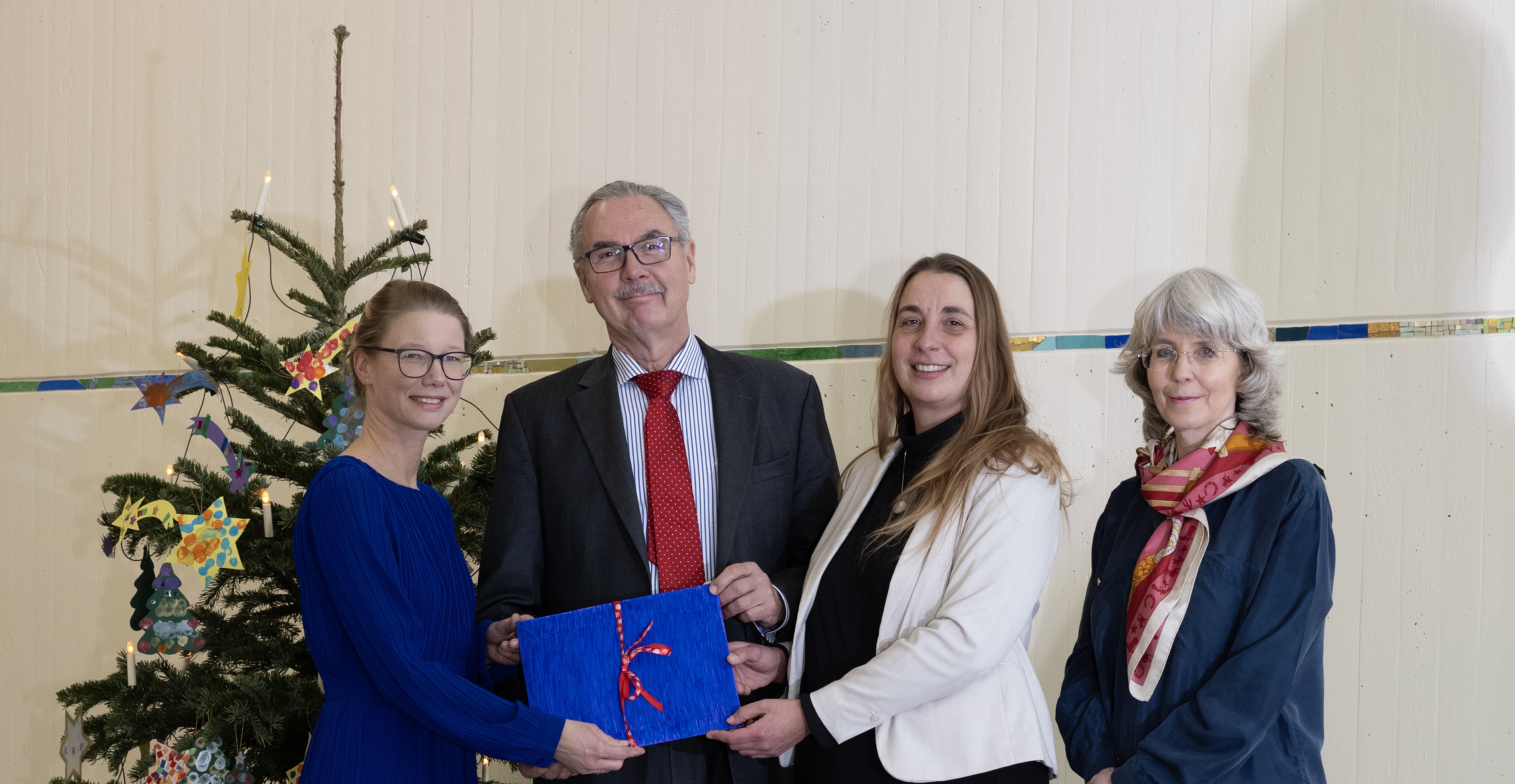
The work at the Dr. von Hauner Children's Hospital as a university contact point for children and young people who have experienced violence is therefore becoming increasingly important . Winheller Rechtsanwaltsgesellschaft mbH is supporting the child protection work via the Hauner Verein with a generous donation of 3,000 euros. The donation will be used for further training for hospital staff in child protection medicine and the necessary digital care tools, thus benefiting children who have experienced neglect, sexual or physical violence. "We would like to thank the Winheller law firm for their donation, because it will directly benefit our smallest and most vulnerable patients in a threatening life situation," says Prof. Dr. med. Markus M. Lerch, Medical Director and Chairman of the Board of the LMU Klinikum.
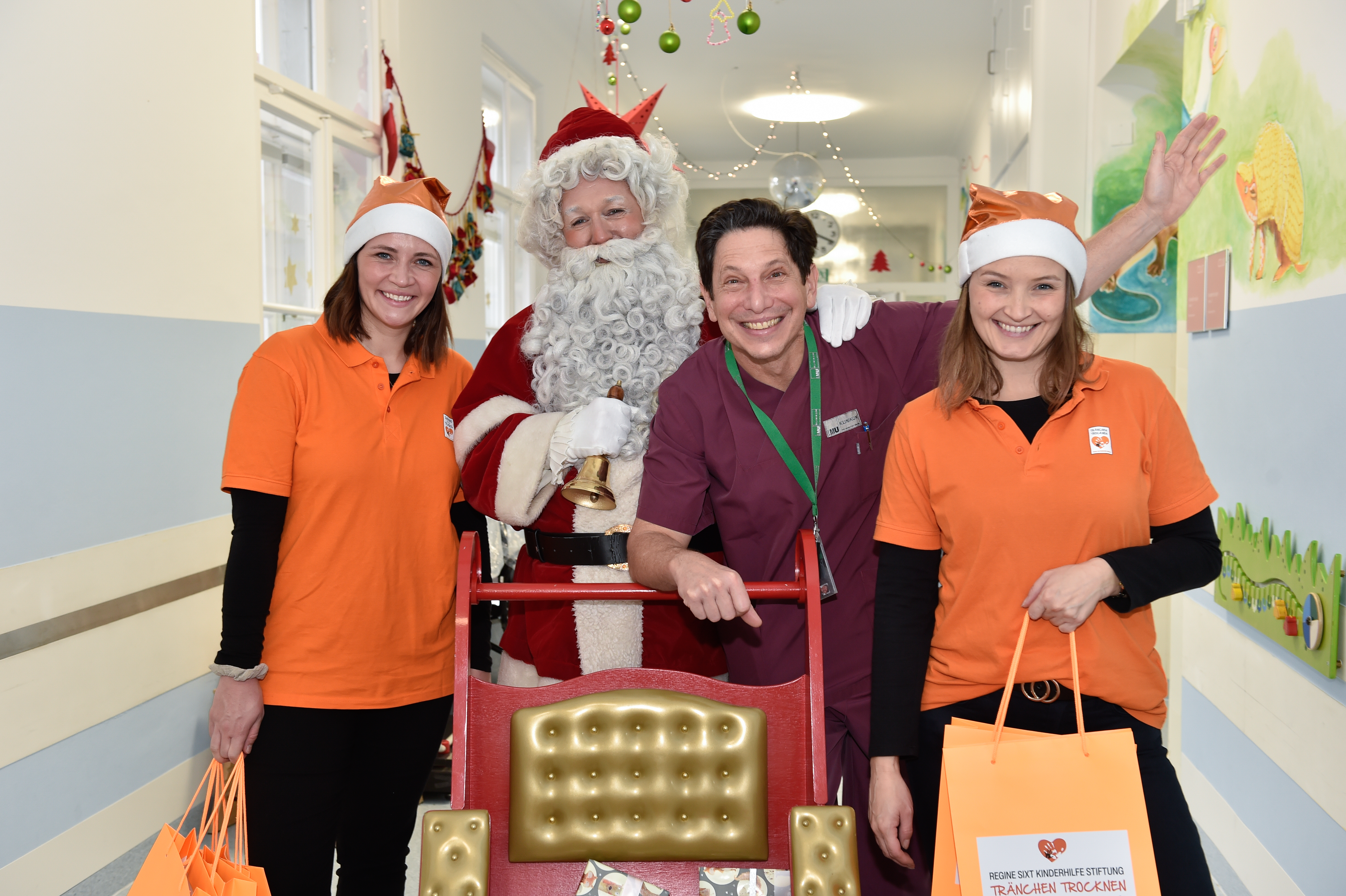
Renate Sixt and Santa Claus are back at the children's hospitals in Munich. At the Dr. von Hauner Children's Hospital, they made for many happy children's faces and a wonderful Christmas atmosphere. The Munich entrepreneur and billionaire's wife Renate Sixt supports various children's projects in Munich and around the world with her foundation Drying little tears.
The Management Board would like to thank her for her strong and lasting commitment.
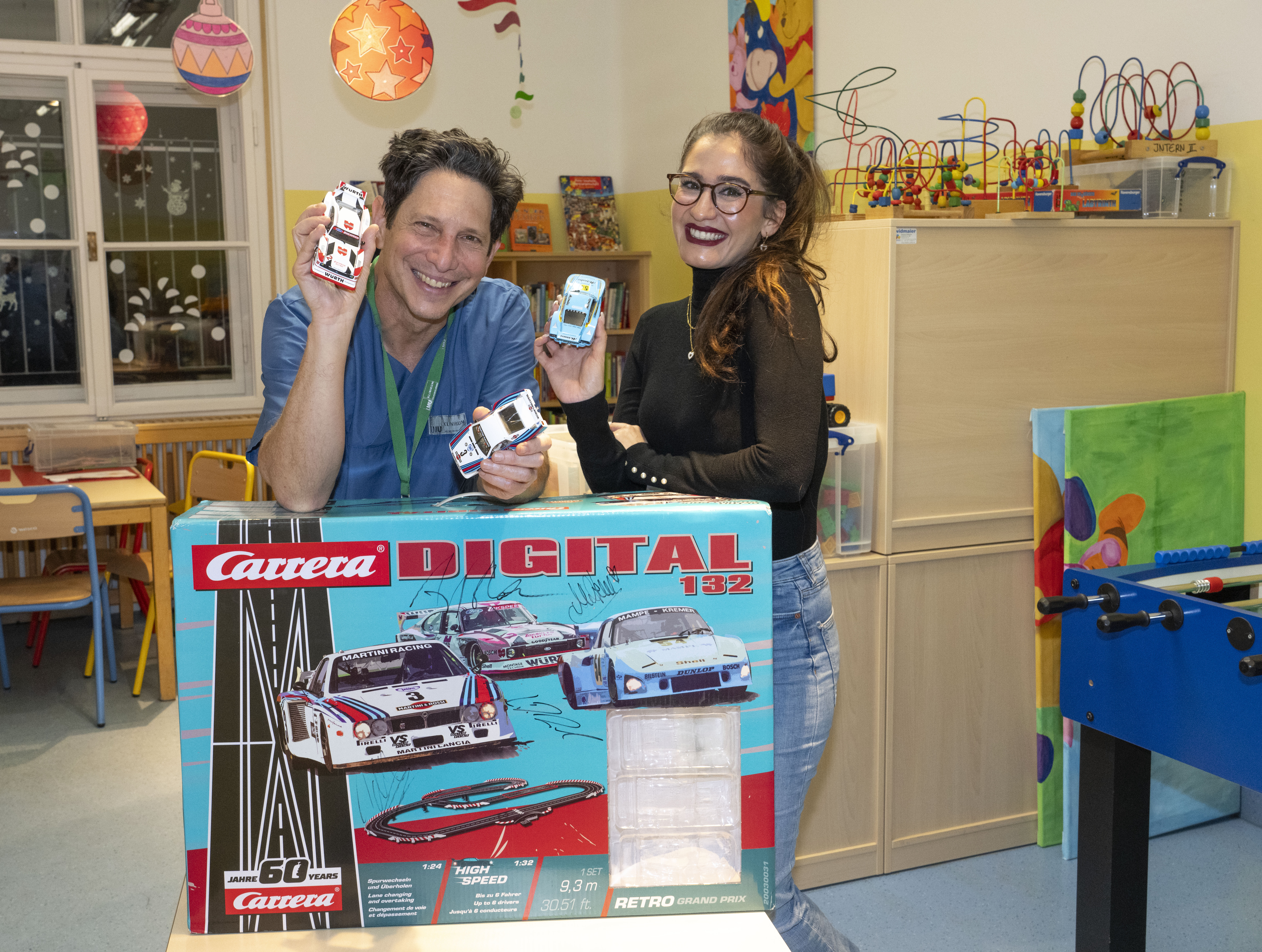
Auto Motor&Sport Channel GmbH from Cologne has donated a Carrera track to Professor Oliver Münsterer for the games room in the pediatric surgery ward 2 of the Dr. von Hauner Children's Hospital at LMU Klinikum. It is eight meters long and personally signed by the race participants Alexander Bloch, Lance David Arnold and Christian Menzel. The racetrack was handed over on December 15.
"It's donations like this that put a huge smile on the faces of our young patients, especially at Christmas time. You have to imagine that some of our little patients are often with us for long periods of time, sometimes far away from home. This makes it all the more important to always provide cheerfulness and a little variety - otherwise everyday hospital life can sometimes be pretty grim. Initiatives like this - the great donation from Motorpresse - with the eight-metre-long Carrera track for our children's surgery ward and the playroom are of course first class!" says Oliver Münsterer.
We say thank you.
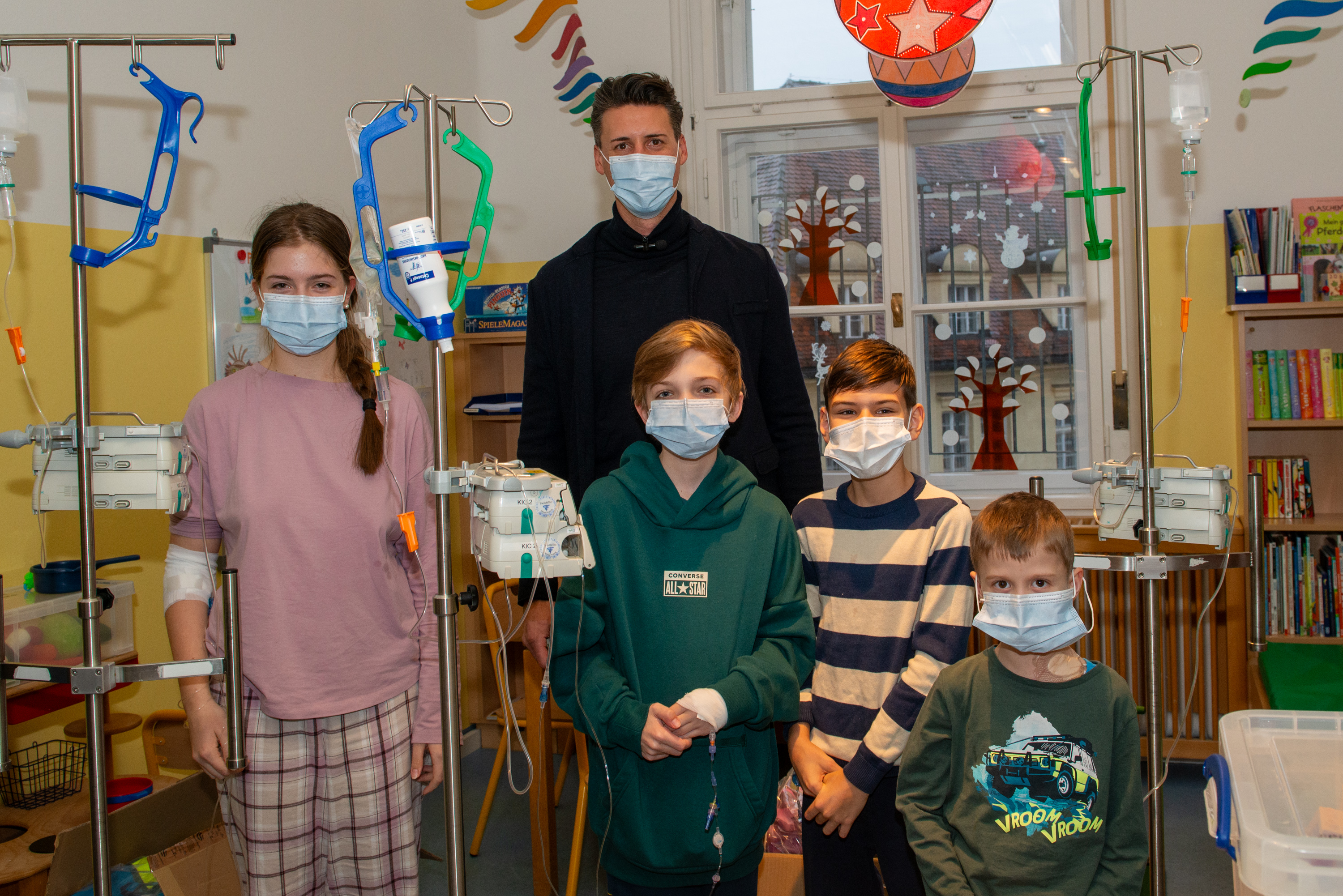
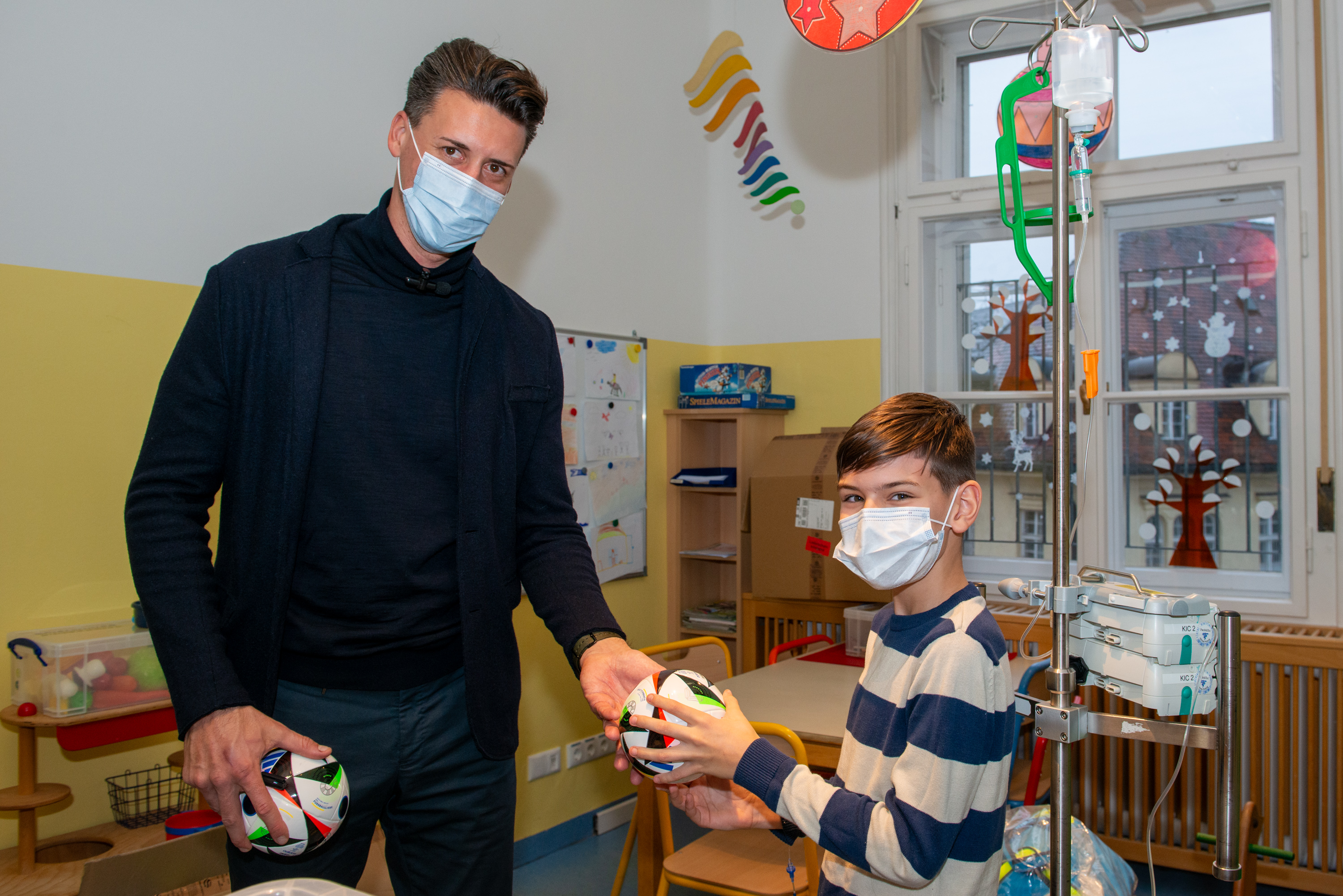
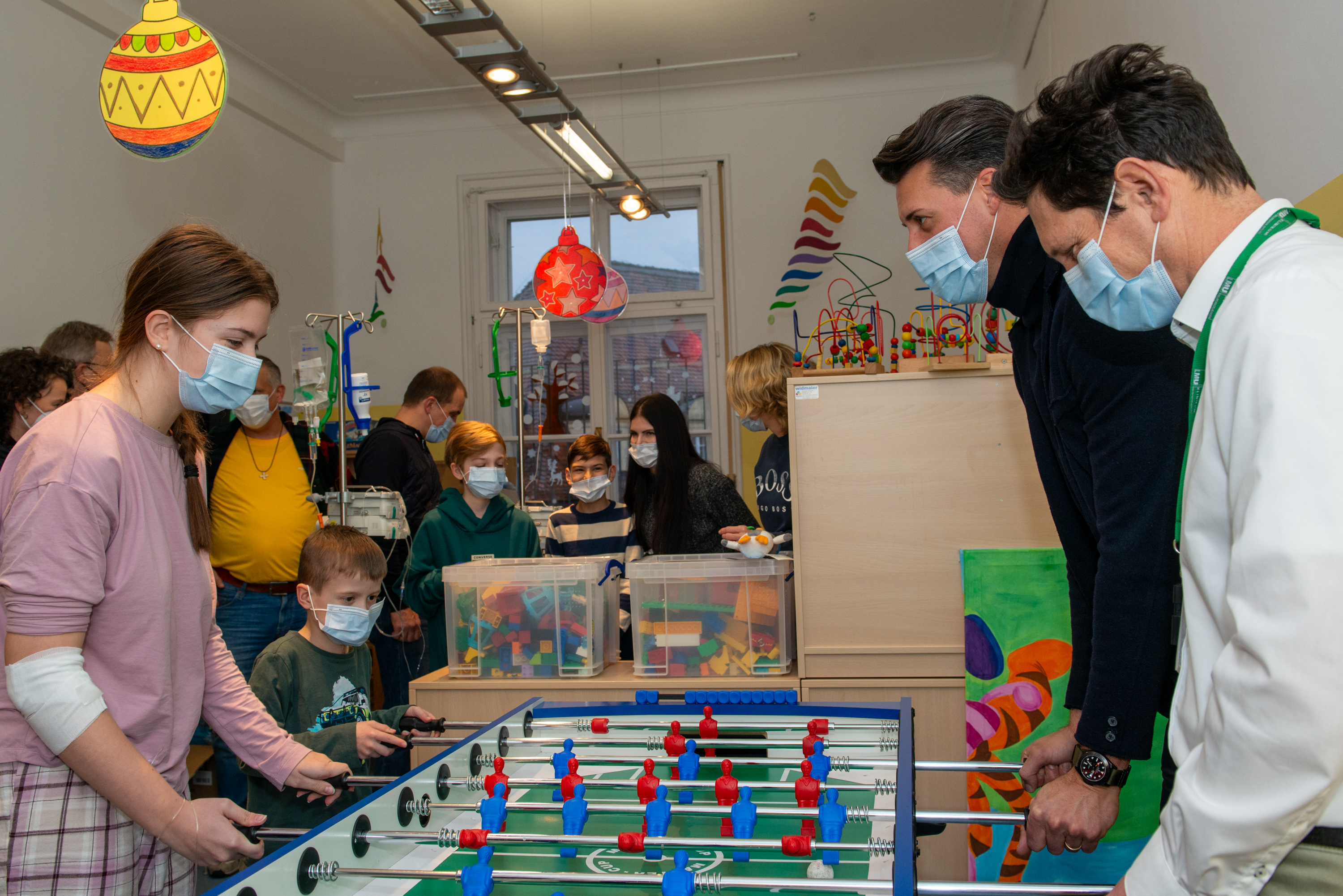
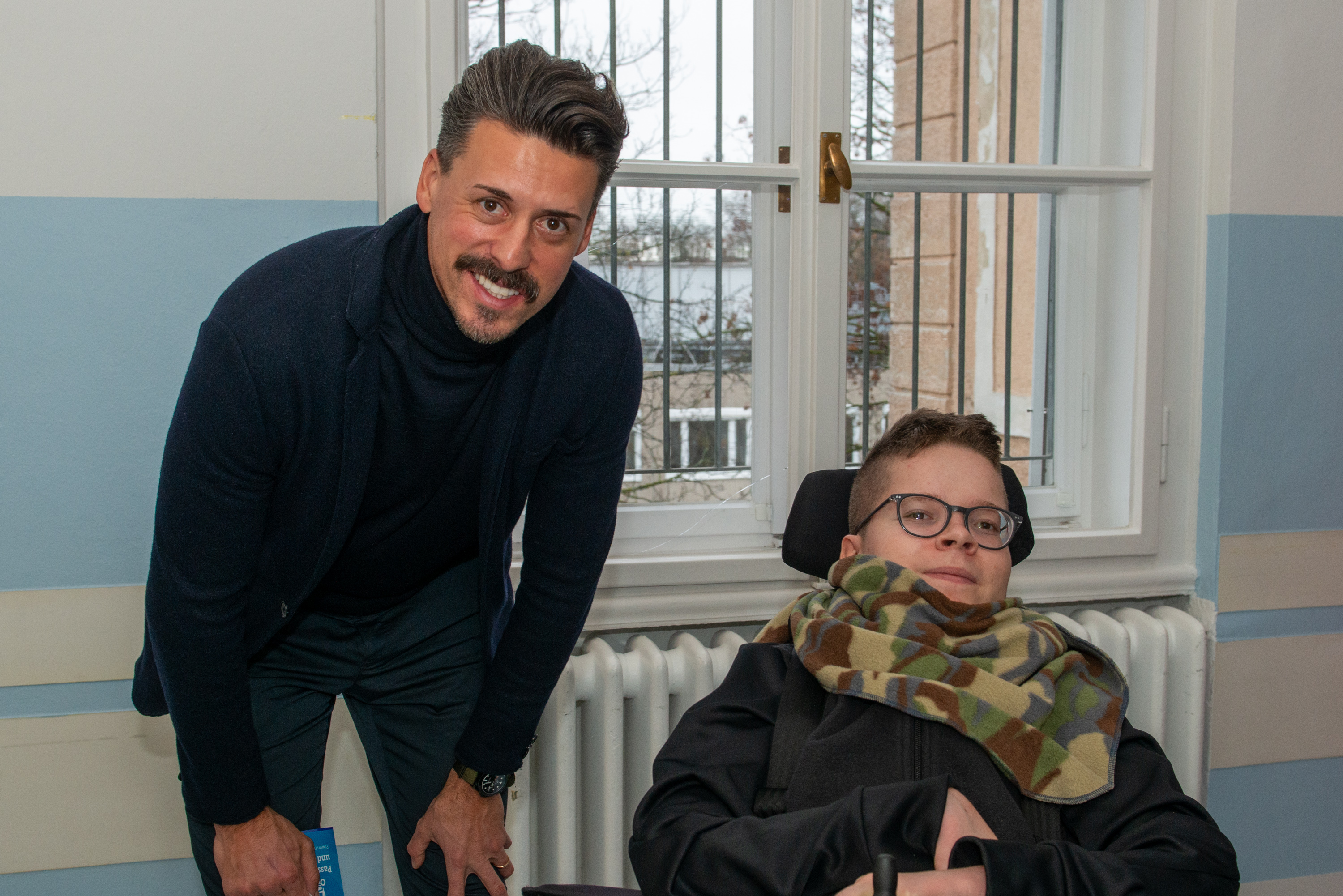
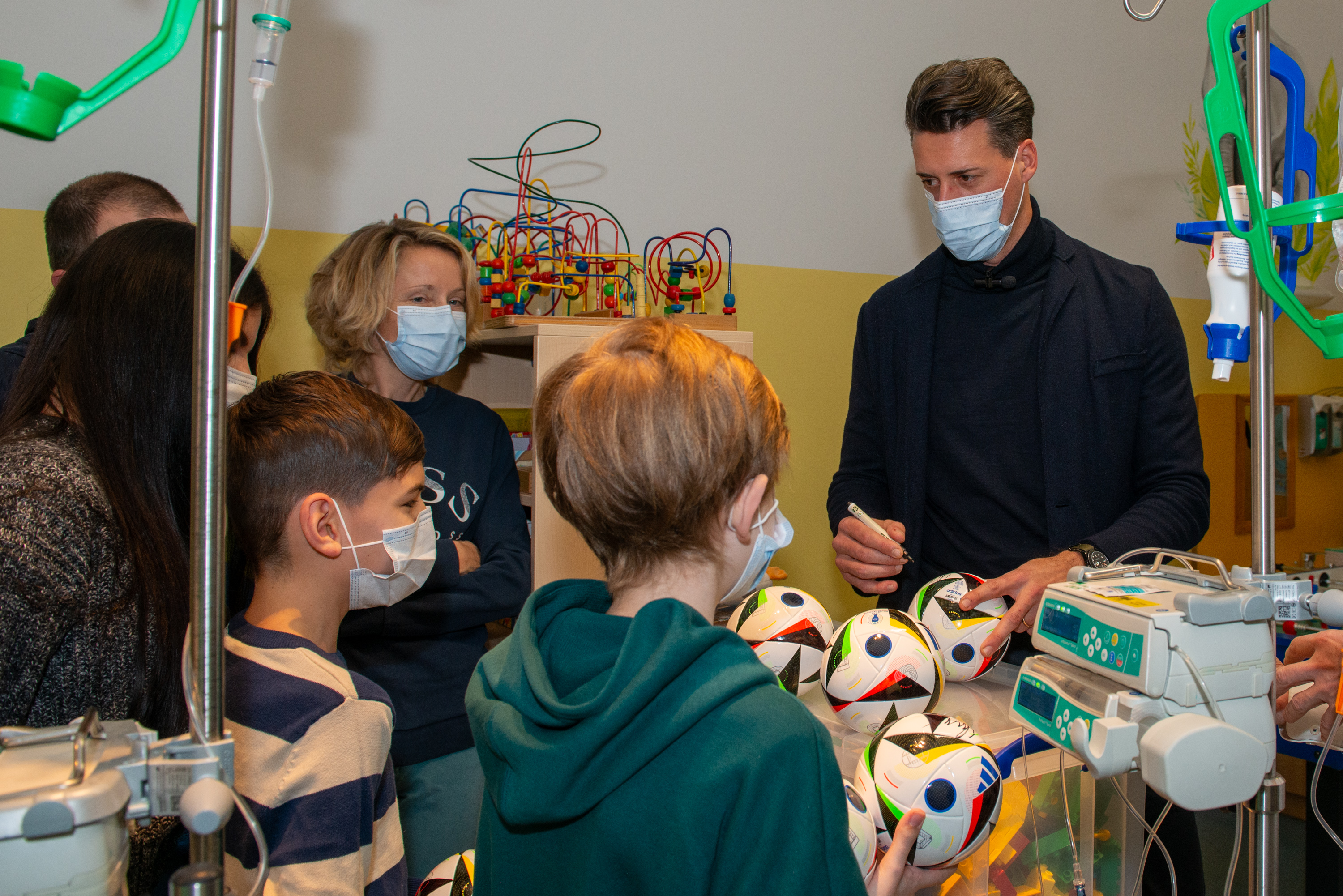
DFB co-coach Sandro Wagner visited the children's surgery department at the Dr. von Hauner Children's Hospital in Munich on December 12 and presented the sick kids with mini European Championship balls and DFB bags signed by him.
The new ambassador of the New Hauner SandroWagner took a lot of time for the kids, playing table football and having a chat or two with the young patients. Sandro also visited theSandro Wagner, who has been on board as an ambassador for the new Hauner since the ground-breaking ceremony in March, also visited the children's intensive care unit: "The fact that I can support the Das Neue Hauner project is great. I was born at Großhadern Hospital and our family has always benefited from the excellent medical care. I can get involved as a sponsor for the new building and give something back."Of course, he also asked the children for tips for the 2024 European Championships, the advice"Always let Musiala play." he was happy to take with him.
Wagner spoke to Professor Oliver Münsterer about the parallels between sport and everyday hospital life. Wagner's advice to the kids: "You can draw a lot of strength from sport by being a good team. You can help each other as a team - no matter how stupid or unfair a situation is. The important thing is that someone is always there to help you wholeheartedly."
Image
Image
Image
Image
Image
Image
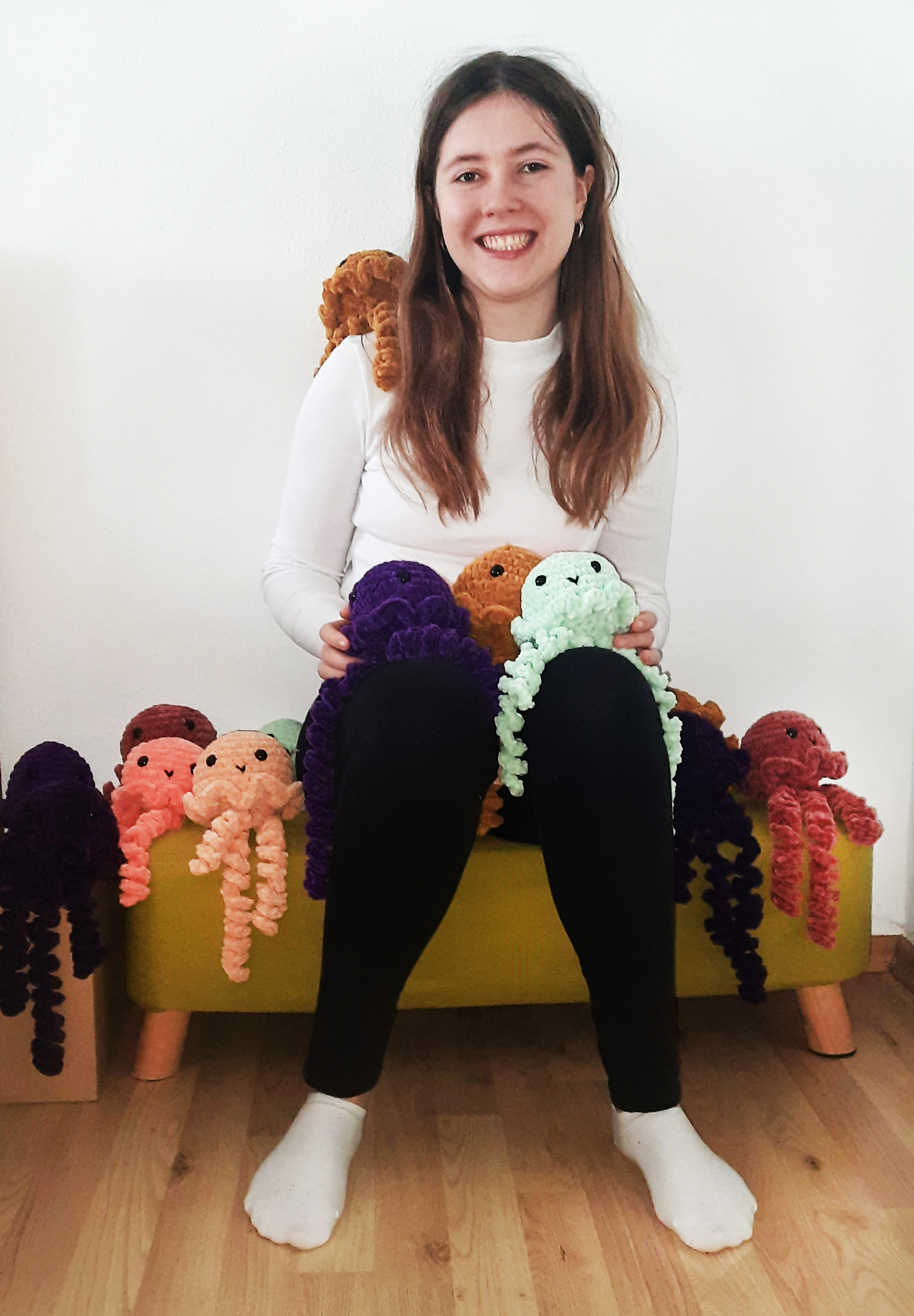
The Kindernetz Schäftlarn e.V. with its educator Jaqueline crocheted for the first Christmas market at the LMU Clinic on December 10. 15 jellyfish made of baby wool in the ÖKOTEX standard with safety eyes were completed and made available for the Christmas market at the LMU Clinic.
We are are very happy about the special commitment and and say thank you!
Walt Disney has provided gifts for the little guests, as has the Buchheim Museum. There will be plenty of cinnamon buns from Café Froilein and, of course, music.The LMU Christmas Market also has a solution for the odd Christmas present problem: artfully designed Secco cans and art cards with motifs of Lake Staffelsee and dogs, hand-knitted items and books selected with esprit round off the offer.
And anyone who would like to support the LMU Clinic with a smaller or larger donation is of course welcome to do so. Whether 5, 10, 20 or 50 euros - every donation helps small and large patients with heart problems (IBAN: DE41 7005 0000 0000 0200 40, reason for payment: Donation Laser Heart Surgery). We wish you a wonderful pre-Christmas period and a peaceful Christmas with your family!
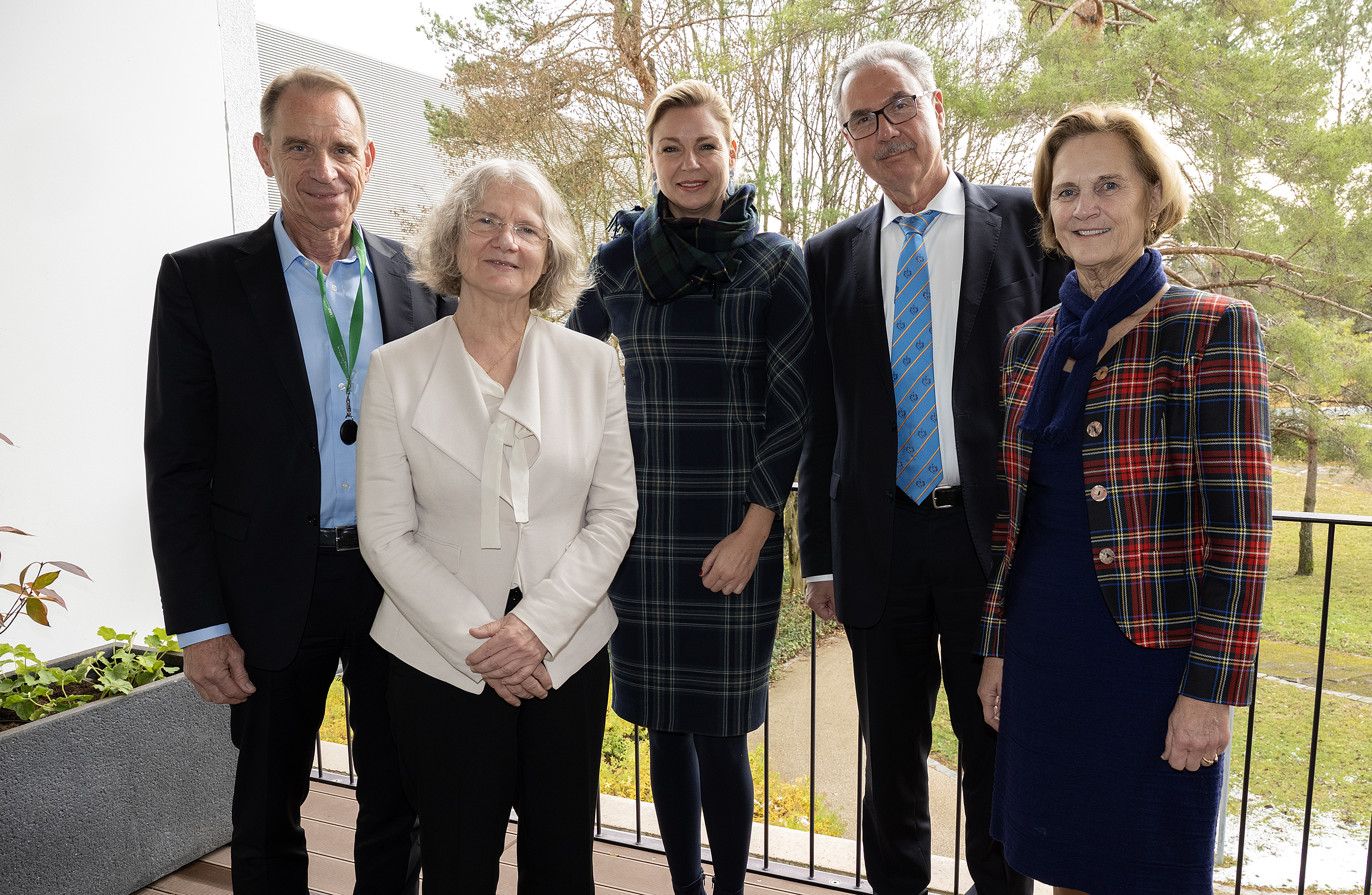
For 20 years, the children's palliative care team at LMU Klinikum Großhadern has been accompanying and supporting seriously ill children and young people and their families during the most difficult weeks, months and sometimes years of their lives. To honor the important work of the Children's Palliative Care Center, Professor Monika Führer and Professor Markus Lerch, Chairman of the Board of the LMU Hospital, hosted a ceremony on November 27.
The aim was not only to "remember the past", but also to look to the future. This motto also fits in with the fundamental attitude of the center: "We are not primarily concerned with accompanying dying, but with living in the knowledge that time is limited," said Professor Führer.
Guests at the celebrations included former State Parliament President Alois Glück, Princess Ursula von Bayern, former Ministers of State Wolfgang Heubisch and Melanie Huml as well as Karin Seehofer, patron of the Munich Children's Palliative Care Center. Also Thomas Barth from the board of the association. Stephanie Jacobs, currently Ministerial Director at the Ministry of Health, delivered the greeting from the Bavarian State Government.
When the Children's Palliative Care Center was founded at the LMU Hospital 20 years ago, it was the first facility in southern Germany to provide special care for seriously ill and dying children.
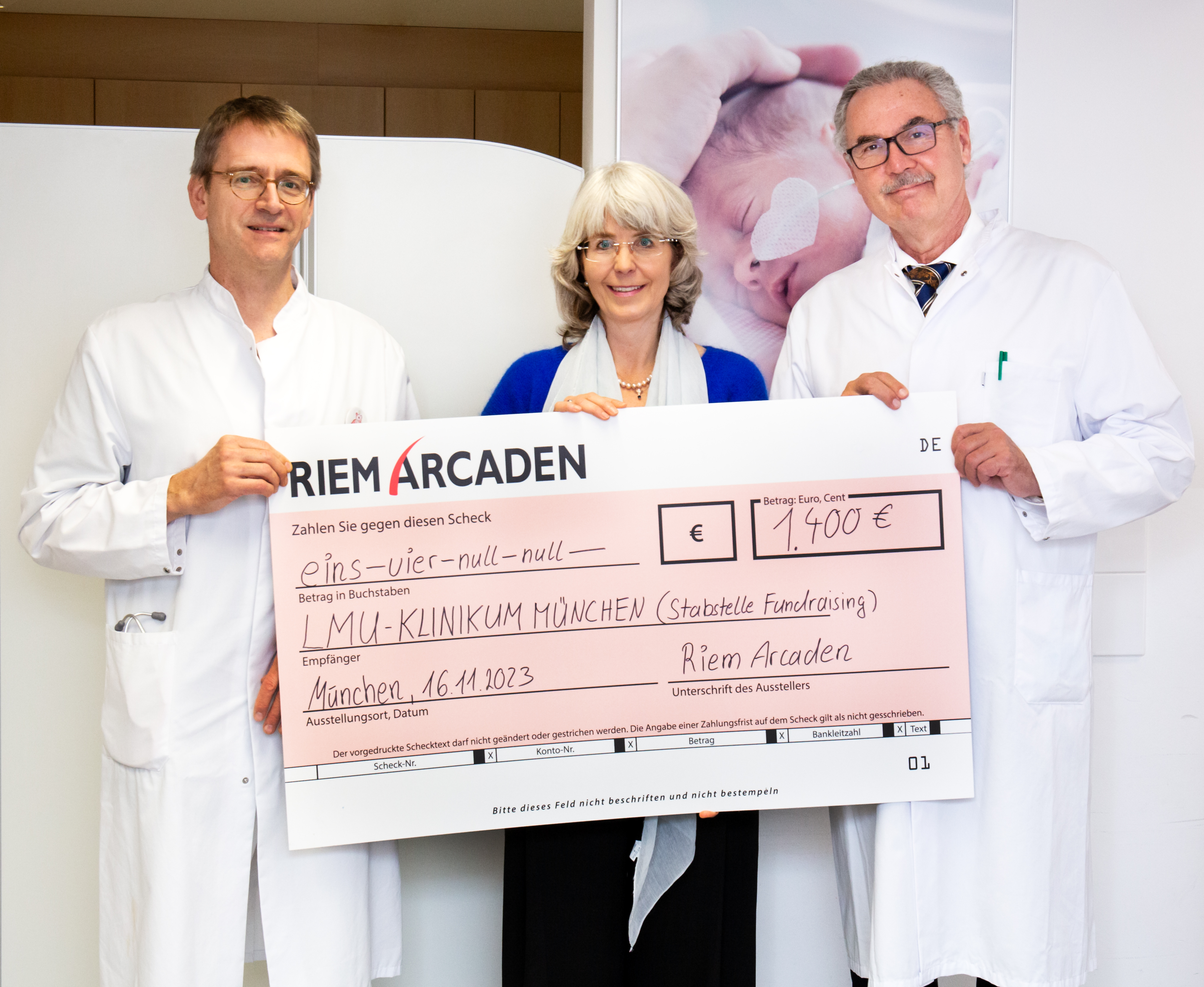
40 shopping vouchers worth 35 euros each for Christmas presents for families in social need - a fantastic donation from Riem Arcaden to the fundraising department at LMU Klinikum.
Riem Arcaden presented a donation cheque for 1,400 euros to the Medical Director and Chairman of the Board of LMU Klinikum Prof. Dr. Markus M. Lerch and the Head of Neonatology Professor Andreas Flemmer. Families in acute social need can now use the money to go Christmas shopping. Especially for families under perinatal stress, financial problems are often added to an already worrying time when their premature or high-risk child is in the neonatal intensive care unit for weeks, sometimes months. The Medical Director of the LMU Hospital, Prof. Markus M. Lerch (right), Eva Hesse (Fundraising Office, center) and Professor Andreas Flemmer, Head of Neonatology (left), are very happy about this wonderful idea for the benefit of perinatally burdened families in acute social distress. We say thank you!
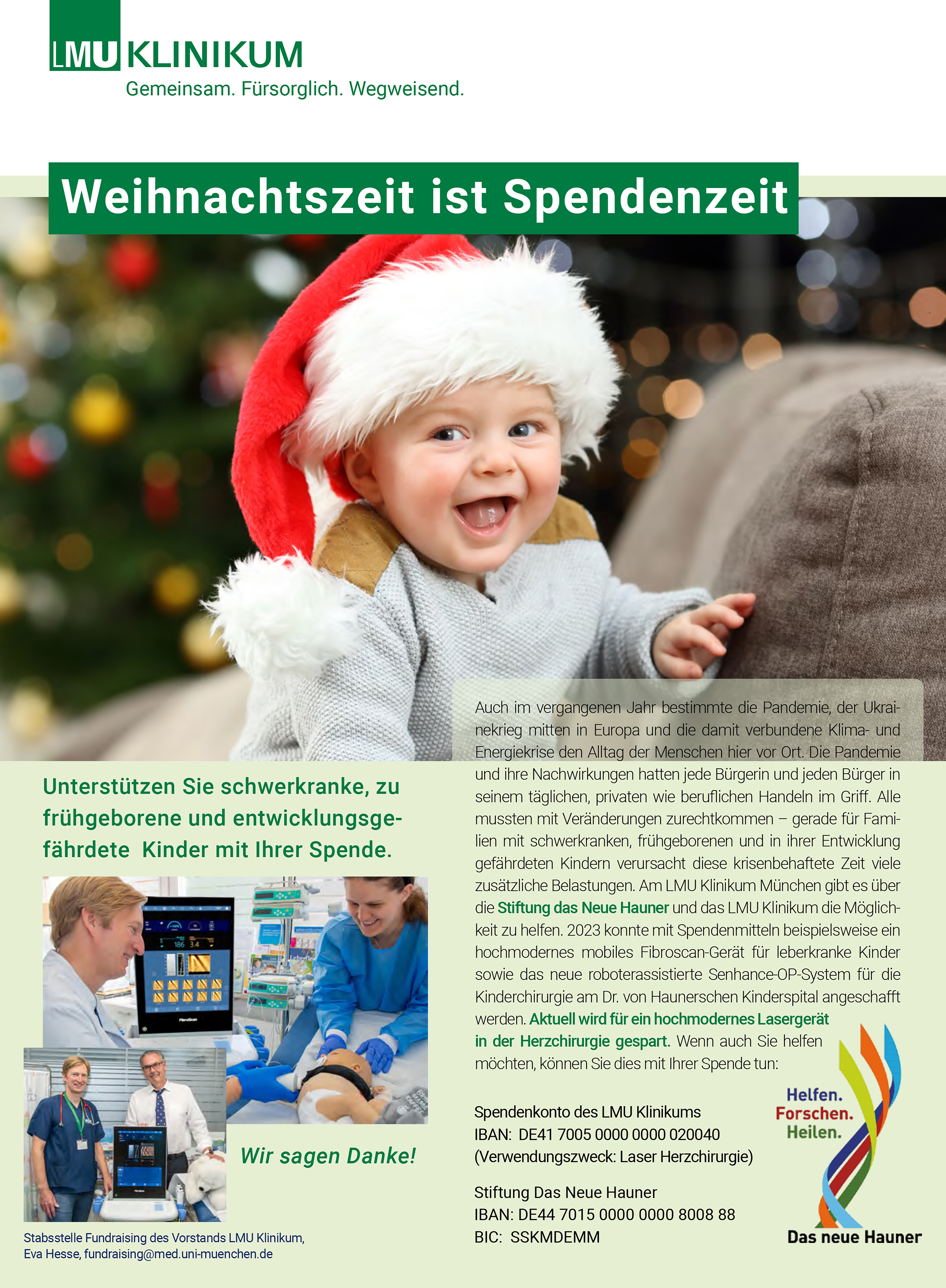
Last year, the aftermath of the pandemic, the war in Ukraine in the middle of Europe and the associated climate and energy crisis dominated people's everyday lives here on the ground. The pandemic and its aftermath affected every citizen in their daily, private and professional lives. Everyone has had to cope with changes - especially for families with seriously ill, premature and developmentally at-risk children, this crisis-ridden time has caused manyadditional burdens. At the LMU Clinic in Munich, thethe Neue Hauner Foundation and via the LMU Clinic.
In 2023, for example, donations were used to purchase aa state-of-the-art mobile fibroscan device for children with liver diseasechildren with liver disease and the new robot-assisted Senhance operating system forfor pediatric surgery at the Dr. von Hauner Children's Hospital.will be purchased.
A state-of-the-art laser device for the Hore surgery and the surgical center at Großhadern Hospital.If you would also like to helpyou can do so with your donation:
LMU Klinikum donation account
IBAN: DE41 7005 0000 0000 020040( Please always state the reason for the donation: Donation Laser Heart Surgery !)
We say thank you!
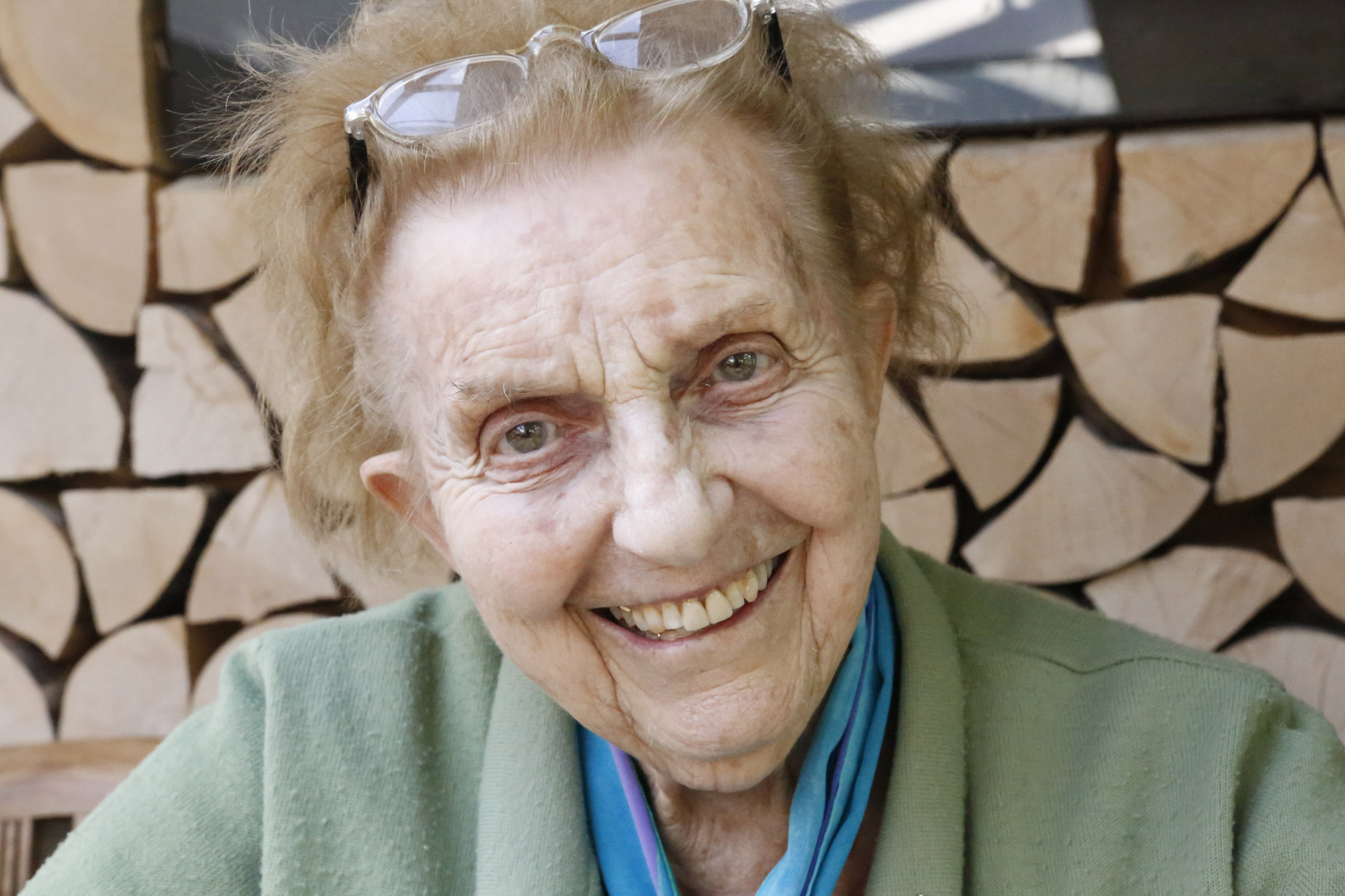
Her name is inextricably linked with children's cancer research: Christina Bergmann tirelessly collected money for research purposes. In the end, the Wolfratshaus native was able to hand over well over 1.5 million euros to the Dr. von Hauner Children's Hospital, the LMU Klinikum Großhadern and the Bavarian Bone Marrow Donation Campaign (AKB). "As long as the Lord God lets me, I'll keep going" was her credo throughout her life.
Christina Bergmann and her family arrived in Bavaria in May 1946 on one of the last collective transports from the Giant Mountains. Her father insisted that she train as a teacher, and so she became a teacher. It was at the Weidach school that Christina Bergmann had the key experience that led her to dedicate herself to childhood cancer research: in 1992, one of her pupils was diagnosed with leukemia. The Wolfratshauser inquired more about the disease and possible help and came across the Dr. von Hauner Children's Hospital at the LMU Clinic in Munich during her research. There she learned how difficult it is to obtain research funding: "But this is needed to ease the difficult fate of children suffering from leukemia. Because only with the help of research can an approach be found to perhaps one day defeat this life-threatening disease, which already occurs in adolescence." Without further ado, Christina Bergmann decided to raise money. She found the answer to the question "How?" in her school class, which had won a painting competition: "The pictures were too beautiful to disappear forever," says the teacher, and she used the children's pictures to design a calendar, which she offered to numerous companies. In the first year alone, in 1993, 90,000 Deutschmarks in donations were collected. "You can't just stop there," she said pragmatically - without realizing at the time that she would be involved in this good cause almost around the clock for the rest of her life. The photo calendars were joined by wrapping paper, address books and Christmas cards. In 1997, she founded the "Christina Bergmann Foundation for the Support of Children's Cancer Research".
Bavarian Minister President awarded Christina Bergmann the Bavarian Order of Merit
Even during the coronavirus pandemic, Christina Bergmann found ways to continue raising money for children's cancer research. "She has always inspired me with her commitment," said Wolfratshausen Mayor Klaus Heilinglechner. A commitment for which the then Bavarian Minister President Dr. Edmund Stoiber awarded her the Bavarian Order of Merit in 2003. "It was simply a matter close to her heart," said Heilinglechner. "There aren't many people like her. She will be missed."
If you would also like to help children with leukemia, you can make a donation here:
Stiftung Neue Hauner,IBAN: DE44 7015 0000 0000 8008 88
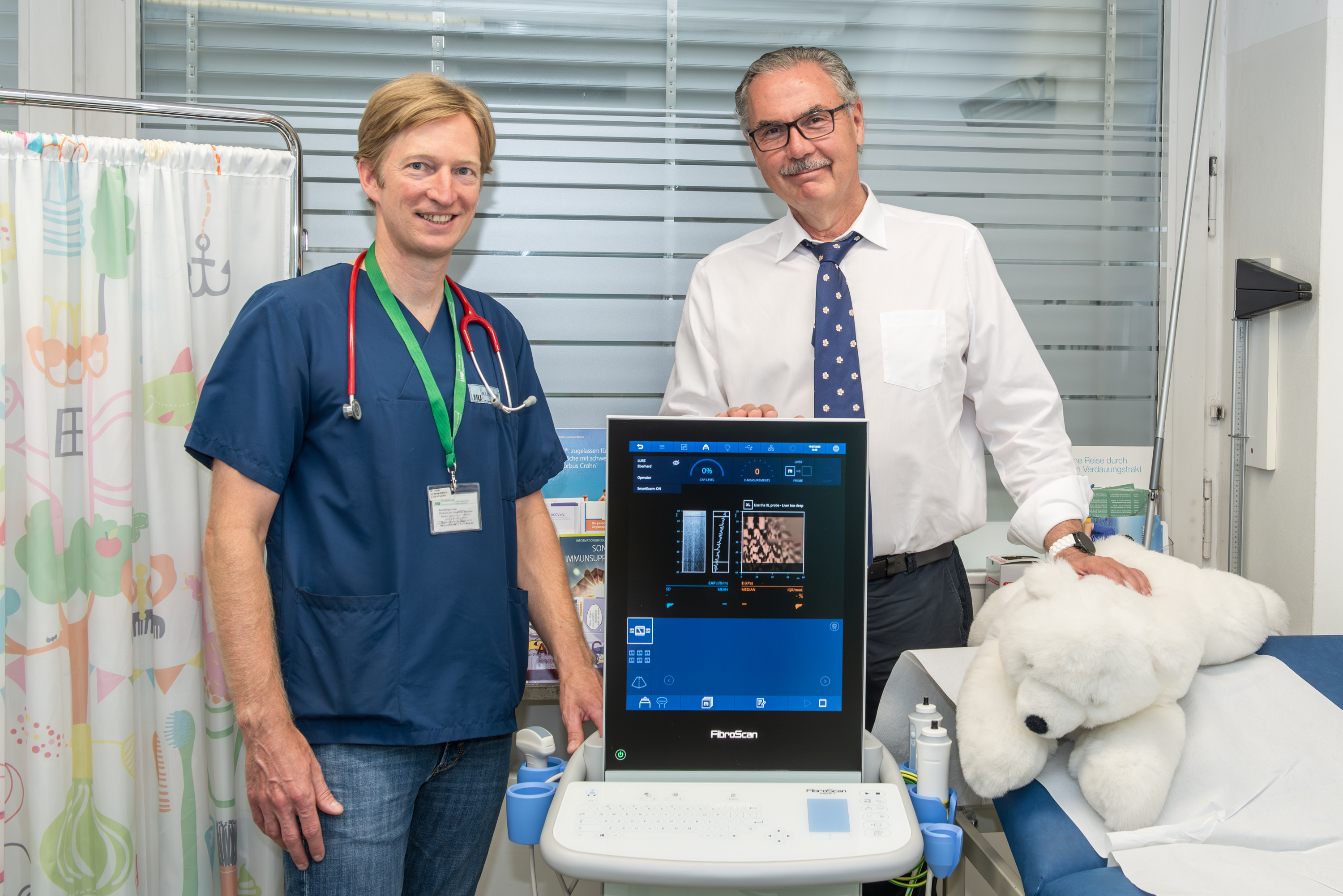
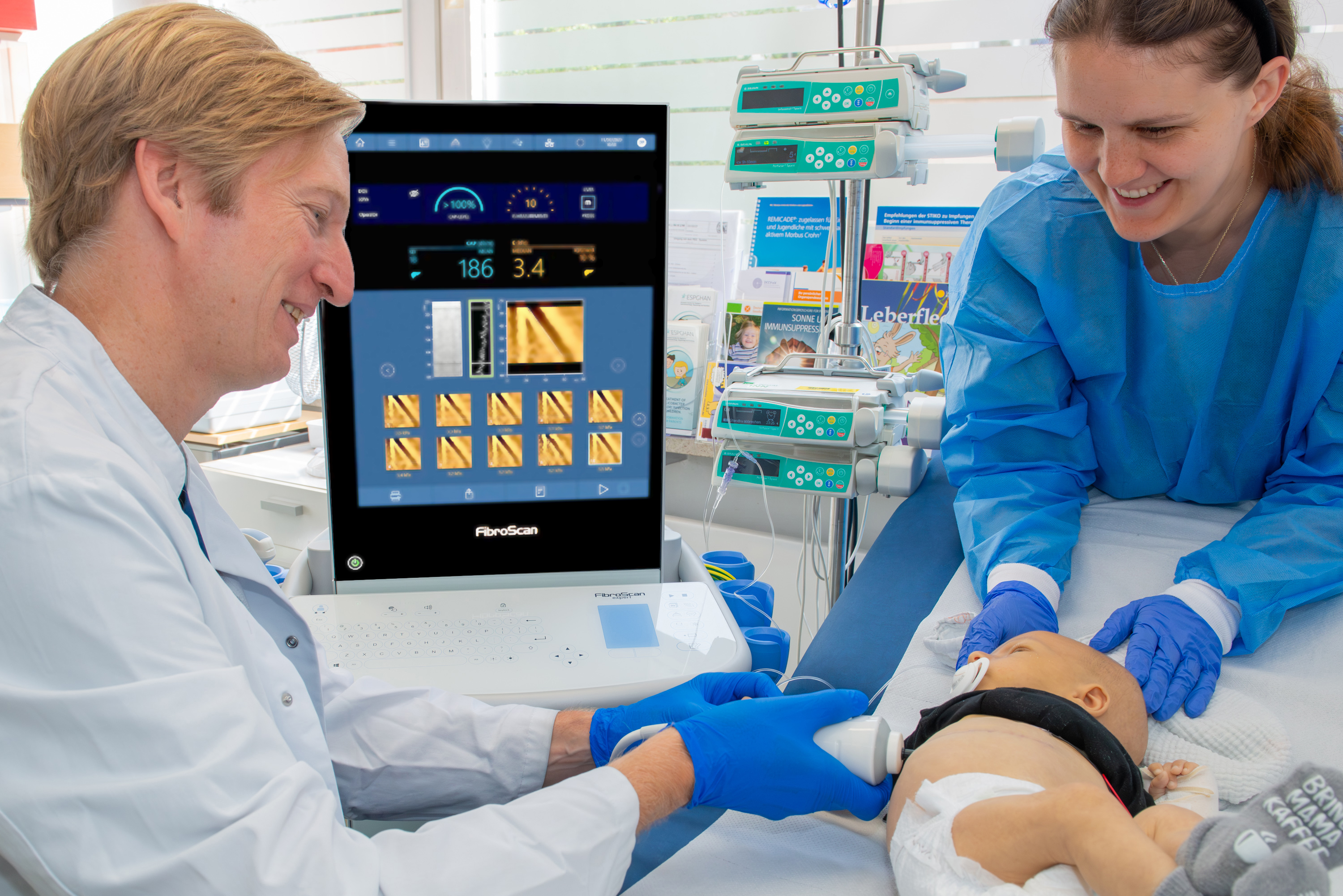
A new mobile fibroscan system now makes it possible to examine children with liver problems directly at their bedside at Dr. von Hauner's Children's Hospital. Pathological tissue changes in the liver are detected more easily and at an earlier stage.
This means that sick children can be treated better and severe courses of the disease can be avoided. Until now, a Fibroscan device was only available in the adult gastroenterology department at the LMU Clinic. Thanks to some generous donors, the pediatric gastroenterology department at the Dr. von Hauner Children's Hospital can now also offer this innovative procedure.
The Fibroscan examination or elastography of the liver is a non-invasive, painless and side-effect-free procedure for diagnosing liver diseases. It records the deformability of the liver tissue, which allows conclusions to be drawn about the degree of scarring in liver diseases. Elastography works like an ultrasound examination and can be performed on an outpatient basis. Some (chronic) liver diseases can lead to scarring of the liver tissue. This is associated with serious liver damage and reduced liver function and can develop into liver cirrhosis in the long term. As the scarring is usually painless and symptom-free, those affected are unaware of their disease for a very long time. Only at an advanced stage, when liver function is already significantly impaired, do examinations reveal the scarring, which at this point can usually no longer be reversed. For a long time, the only reliable method of accurately assessing the extent of liver damage was to remove liver tissue and then perform a histological examination. This so-called liver bladder puncture is usually associated with an inpatient stay in hospital. With conventional liver puncture, only one fifty-thousandth of the liver tissue is captured - with elastography, on the other hand, a hundred times this amount is captured and no tissue removal is required.
Nico came to the pediatric gastroenterology department of the Dr. von Hauner Children's Hospital at LMU Klinikum a few years ago seriously ill, and ultimately had to have a liver transplant three years ago. Despite all the hardships and the health consequences that are still evident today during his check-ups at the hospital, the now 10-year-old has never lost his courage to face life. "The course of an illness is not always as dramatic as Nico's. We can help most of the children who come to us week after week with liver problems quickly and effectively. In quite a few of the young patients, however, liver disease can only be diagnosed at a late stage - partly because the symptoms are often not clearly recognizable in good time," says Priv.-Doz. Dr. Eberhard Lurz. "We are very grateful that we have received enough donations in just six months to purchase the new mobile fibroscan system for the LMU Children's Hospital and provide children with liver disease with the best possible care," says Prof. Dr. Markus M. Lerch, Medical Director of the LMU Hospital. For Nico, this means that the check-ups are significantly less stressful and even more informative.
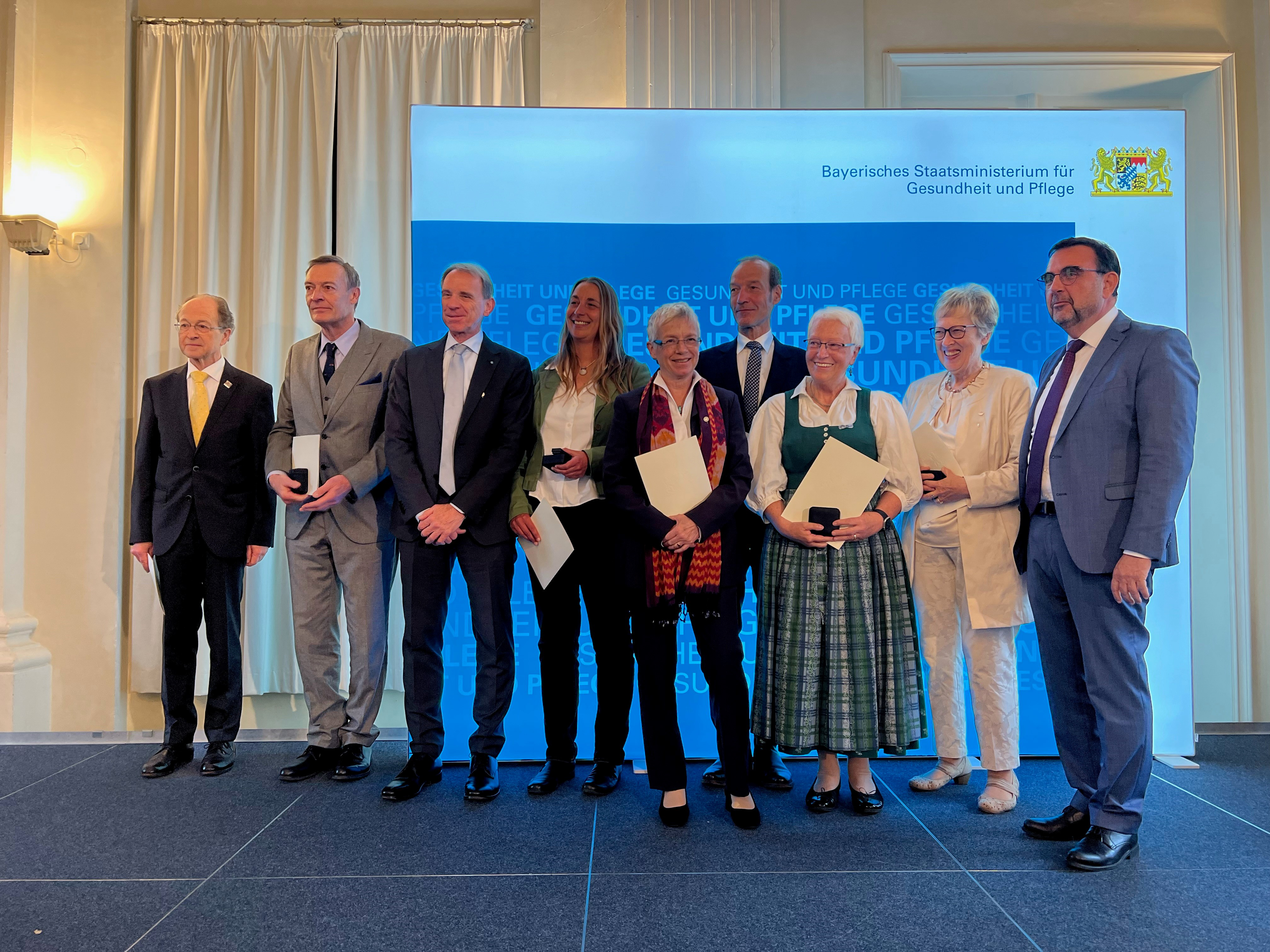
On May 16, Bavarian Health Minister Holetschek awarded the Bavarian State Medal for Services to Health and Care to eight citizens from Bavaria for their outstanding commitment at the Resizdenz in Munich. Thomas Barth from LMU Klinikum München received the award for his many years of commitment to palliative and paediatric palliative care and Dr. med. Dipl. Psych. Mirjiam Landgraf for her activities in connection with fetal alcohol spectrum disorder in children. "As a sign of gratitude and recognition for outstanding commitment, the Bavarian Ministry of Health and Care awards the Bavarian State Medal for Services to Health and Care. The people honored today are role models as thought leaders and people of action. We need more people like them who think beyond their own interests and reach out to those who can no longer help themselves, who take responsibility for the well-being of others and who do more than they actually have to. A heartfelt 'Thank you'," said Minister Holetschek. The Bavarian State Medal for Services to Health and Care is the highest award of the Bavarian Ministry of Health and Care.
Thomas Barthhas put his heart and soul into ensuring that adults, children and young people receive optimal palliative care for many years. He is a founding member and first chairman of the Palliative Medicine Support Association at the University of Munich, which was established in 2005. Mr. Barth has been instrumental in raising funds for the activities of the Interdisciplinary Center for Palliative Medicine at the University of Munich Hospital. The improvement of children's palliative care has always been particularly close to his heart, which is why he founded the Munich Children's Palliative Care Center Support Association in 2010. Barth's commitment made a decisive contribution to the opening of the Children's Palliative Care Center at the University of Munich in 2016. He also established the Children's Palliative Medicine Foundation and the Adult Palliative Medicine Foundation. Thomas Barth has been a member of the ambassadors for the construction of the new university clinic for pediatric and adolescent medicine on the Großhadern campus, the "Neue Hauner" , which wasrecently started in March 2023 with the ground-breaking ceremony.
Dr. med. Dipl.-Psych. Mirjam Landgrafis a specialist and senior physician at the Dr. von Hauner Children's Hospital at LMU Klinikum München and is known throughout Germany as an expert in fetal alcohol spectrum disorder (FASD for short). This includes lifelong damage and impairments in children that are attributable to alcohol consumption by the mother during pregnancy. Dr. Landgraf works tirelessly to educate people about the risks and raise awareness of the dangers, as well as to ensure the best possible care for affected children and adolescents and their families. She was the lead author of the medical S3 guideline Diagnosis of Fetal Alcohol Spectrum Disorders and is currently working on an expanded version. Since 2011, Dr. Landgraf has been the head of the special outpatient clinic for at-risk children with toxin exposure during pregnancy at the integrated Hauner Social Pediatric Center at LMU Klinikum München. The center cares for at-risk children who have been harmed by drugs, alcohol or medication during pregnancy. In 2018, with their support, the first German FASD Competence Center Bavaria was created, Germany's first interdisciplinary and multi-professional contact and coordination point, which is linked to university medicine and is scientifically supported.
Another award winner from the field of medicine is Dr. Armin Gehrmann for his special services to Harl.e.kin early aftercare. Dr. Gehrmann is an active paediatrician and head of the social paediatric consultation at the kbo Children's Centre in Schwabing as well as the first chairman of the Munich association for the support of premature and high-risk babies Harl.e.kin e.V. . "The Harl.e.kin aftercare makes a significant contribution to stabilizing the medical successes from the time spent in hospital and to identifying further support needs at an early stage. The Harl.e.kin early aftercare project is a role model and is now offered at 27 children's hospitals with neonatology departments in Bavaria (including the LMU Klinikum Großhadern; author's note). They are doing outstanding pioneering work for the early development of children. ", said the Minister in his laudatory speech.
"A little bit of saving the world" - with the kind support of the Münchner Merkur, article from May 17/18, 2023.
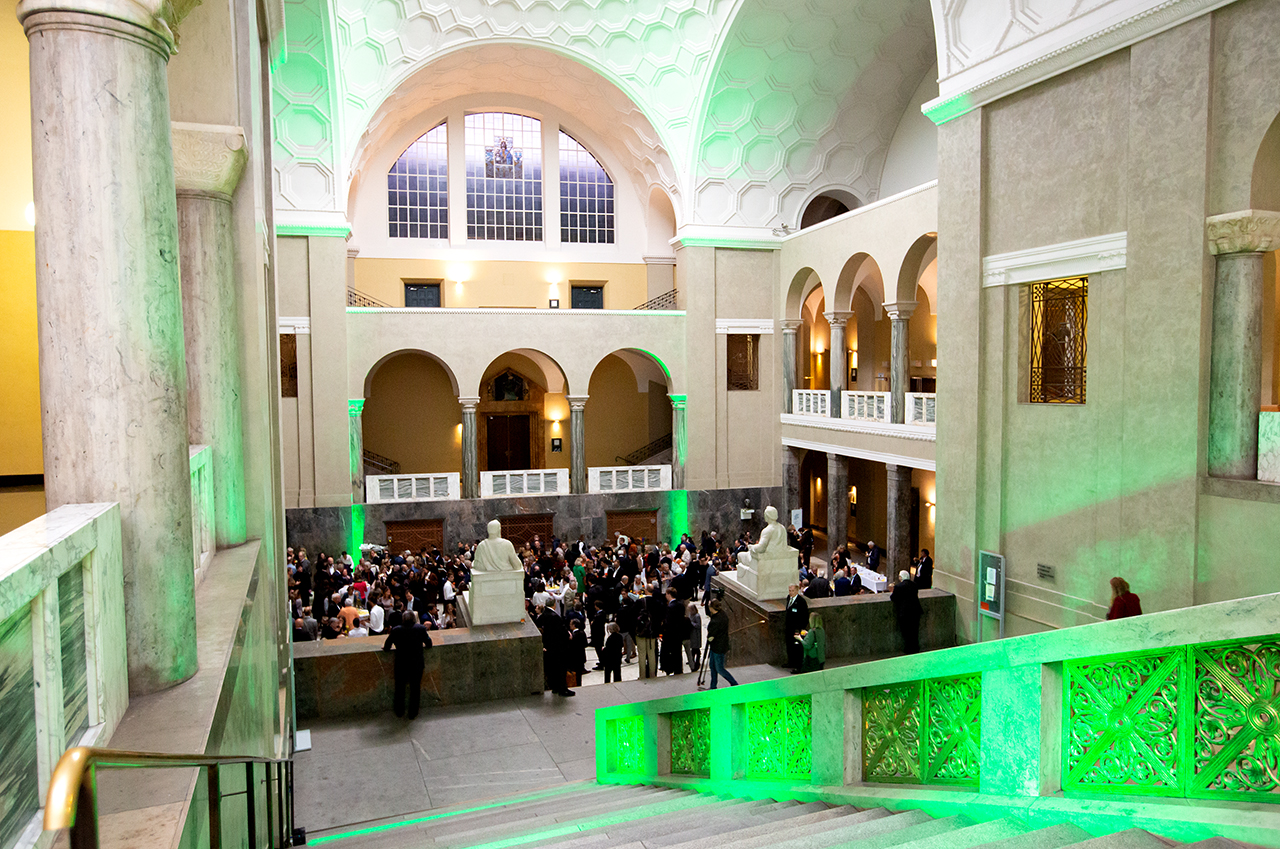
After a three-year break due to the coronavirus pandemic, the time had come again: on May 2, around 600 guests, including Minister of Science Markus Blume, well-known personalities from society, politics and science as well as employees and supporters of the LMU Klinikum met at the LMU Klinikum's big annual reception on May 2, which traditionally took place in the Great Hall of the LMU. Digitalization, empathy and the tension between society and science - these were just some of the topics discussed at the LMU University Hospital's annual reception on 2 May 2023. The programme included a lecture by astrophysicist and science communicator Prof. Harald Lesch on the topic of "Society and science - a misunderstanding?" and a panel discussion entitled "University medicine - between digitalization and empathy". At the subsequent get-together, friends and supporters of the LMU Klinikum and the Neuer Hauner met for a long-lost personal exchange in the atrium of the LMU.
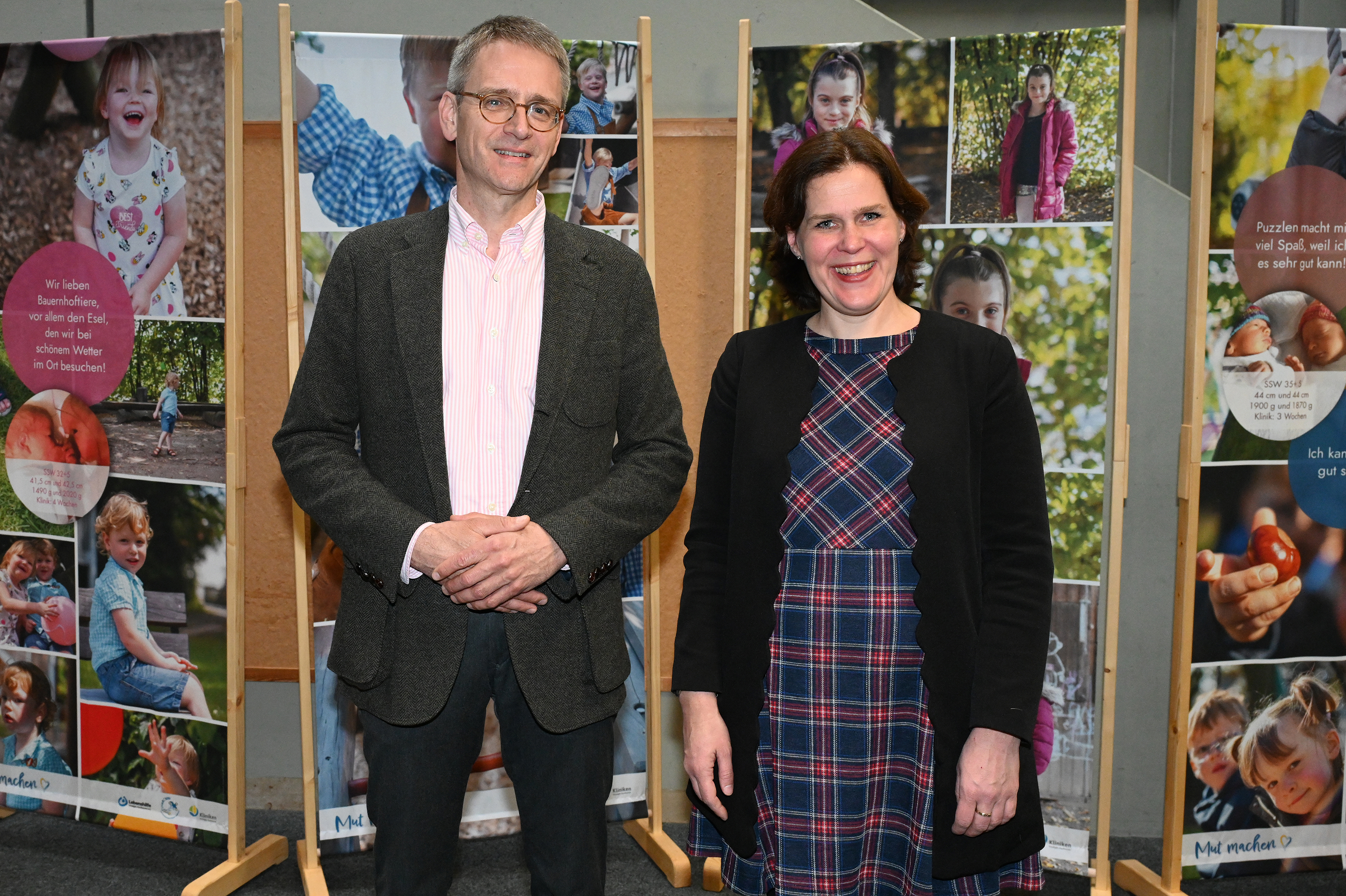
In 2023, the Harl.e.kin aftercare at the Perinatal Center Großhadern will have been in existence for 10 years. Since its implementation, over 1,000 perinatal families whose children were born prematurely and whose development was restricted have received socio-medical support here. The parents receive support from Harl.e.kin staff during the transition period from the inpatient stay in the neonatal intensive care unit to care at home. On the occasion of the tenth anniversary, the second mayor of the state capital of Munich, Verena Dietl, offered her congratulations at the ceremony, to which cooperation partners and former Harl.e.kin families were also invited. "When Harl.e.kin aftercare was started 10 years ago at the LMU Klinikum Großhadern site, our aim was to also offer help after discharge to those families who are not entitled to statutory socio-medical aftercare. Because when newborns are ill, families are often at the limit of their resilience. This is where Harl.e.kin aftercare comes in and offers unbureaucratic help, which is financed by the Bavarian State Ministry for Family, Labor and Social Affairs," says Prof. Andreas W. Flemmer, Head of Neonatology at LMU Klinikum München. The Harl.e.kin aftercare model project was launched between 2003 and 2005 at Munich's Harlaching Children's Hospital under the direction of the then Chief Physician Prof. Reinhard Roos and Dr.Arno Roos. Reinhard Roos and Dr. Armin Gehrmann in cooperation with the Arbeitsstelle Frühförderung Bayern. "Anyone who has children of their own knows what great worries and uncertainties you sometimes have here - these are many times greater for premature babies whose start in life has already been bumpy. Having a reliable, professional team at your side in this situation is invaluable for families under pressure around the time of birth," says the Medical Director of the LMU Clinic, Prof. Dr. Markus M. Lerch: "After all, good care for premature babies is based on a seamless transition between neonatology and aftercare."
"The idea should live on" - to the article in the SZ on Harl.e.kin premature baby aftercare on the occasion of the awarding of the "Munich shines" medal for the Friends of Munich to Prof. Reinhard Roos by the Mayor of Munich and patron of Harl.e.kin e.V. Dieter Reiter (2019): here thelink
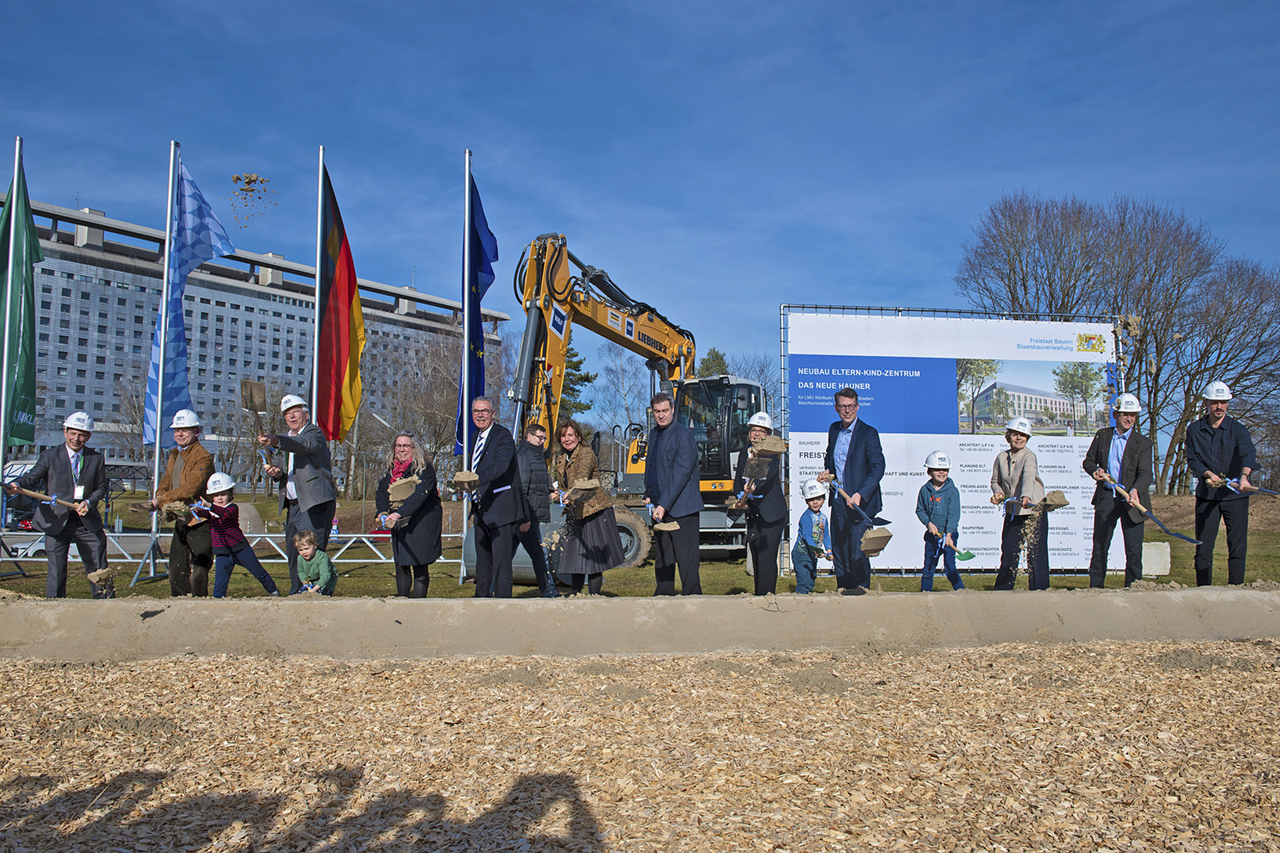
The "New Hauner" will succeed the internationally renowned Dr. von Hauner Children's Hospital at the end of this decade. The ground-breaking ceremony on March 13, 2023 marks the start of construction of a state-of-the-art interdisciplinary and interprofessional university hospital for pediatric and adolescent medicine at the Großhadern campus. The New Hauner, with almost 200 beds, will bring together the Clinics for Pediatrics and Pediatric Surgery with the integrated Social Pediatric Center and other facilities. The Free State of Bavaria is financing the costs of around 420 million euros and is also providing additional funds for future increases in construction costs and possible construction risks. The ground-breaking ceremony was attended by Bavarian Minister President Dr. Markus Söder and Bavaria's Minister of State for Science and the Arts, Markus Blume, among others.
Short film on the ground-breaking ceremony by Science Minister Markus Blume
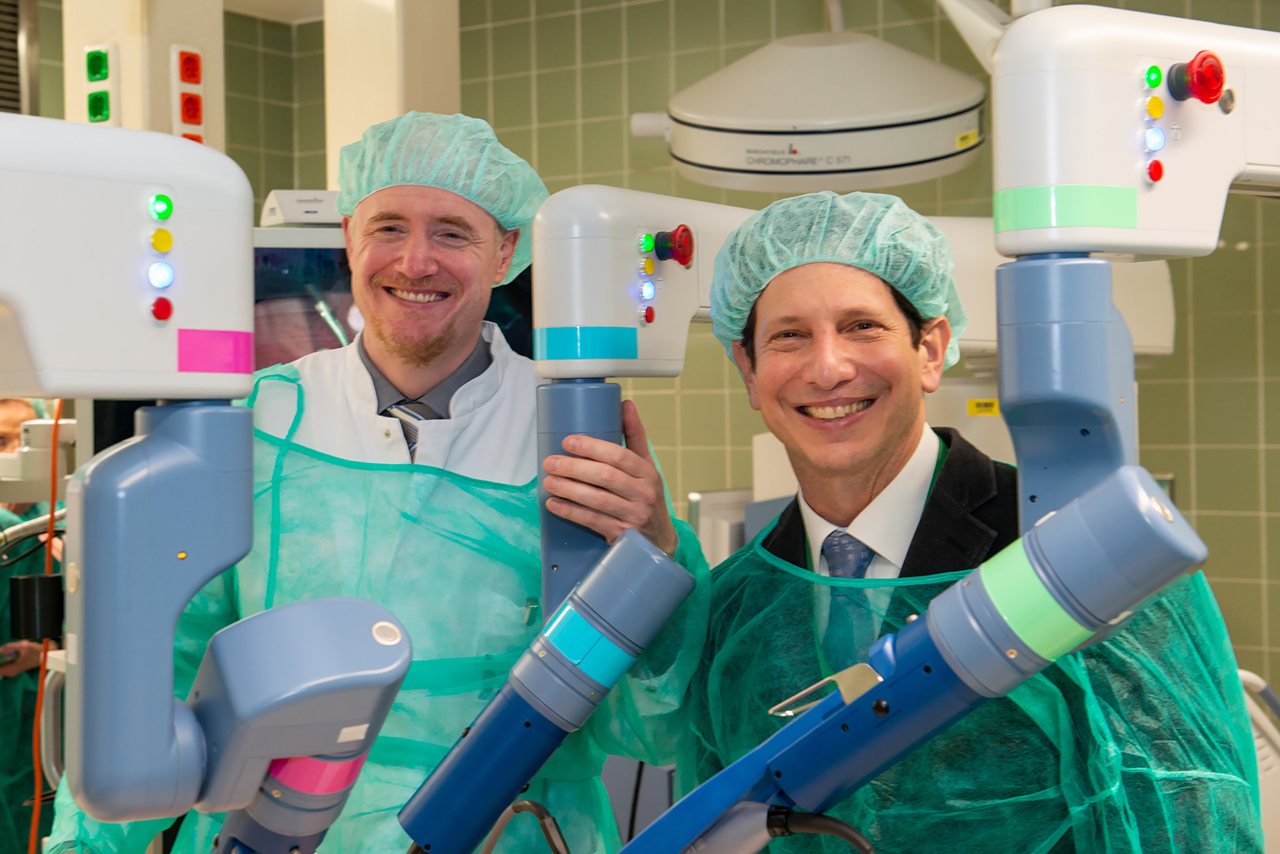
Prof. Oliver Münsterer wants to introduce new minimally invasive techniques to the Department of Paediatric Surgery, which was his goal when he took up his post in October 2020. The "keyhole technique" can be used to remove the appendix, gallbladder or certain tumors via a small incision in the navel. Congenital malformations, e.g. of the oesophagus or diaphragm, can also be operated on with just a few small incisions and the necessary special equipment. A project that requires donations for high-resolution video systems and monitors in operating theaters. "For these operations, we need a good view into the body. Extremely high-resolution video systems are used for this. And we need operating theaters with monitors so that we don't have to look "around the corner" when operating. Most of this special equipment still needs to be purchased," says Prof. Oliver Münsterer.
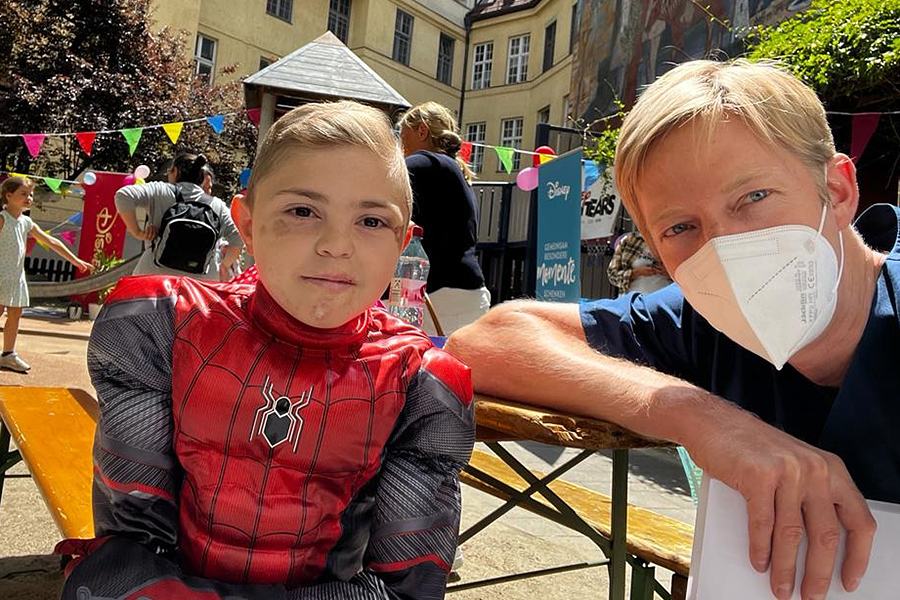
Nico, who came to us seriously ill a few years ago and ultimately had to have a liver transplant, encourages us time and time again that even in times like these, it is possible to celebrate the festival of love without a care in the world. Despite all the hardships and the health consequences that are still evident today during his check-ups at the hospital, the now 10-year-old has never lost his courage to face life.
The course of the disease is not always as dramatic as Nico's. We can help most of the children who come to us week after week with liver problems quickly and effectively. In quite a few of the young patients, however, liver disease can only be diagnosed at a late stage - partly because the symptoms are often not clearly recognizable in good time. A mobile FribroScan system, with which the children can be examined directly at the bedside and with which pathological tissue changes in the liver can be detected more easily and therefore earlier, can help here. This means that the children can be treated more effectively and severe courses of the disease can often be avoided. Such a device is available in the radiology department, but unfortunately not yet at the LMU Children's Hospital.
That is why our Christmas wish to you is: please support us with your donation so that we can purchase a new mobile FibroScan system for the LMU Children's Hospital and provide children with liver disease with the best possible care.We would like to thank you from the bottom of our hearts for your commitment and for staying by our side even in times like these. We wish you and your loved ones a peaceful Christmas and a healthy New Year!
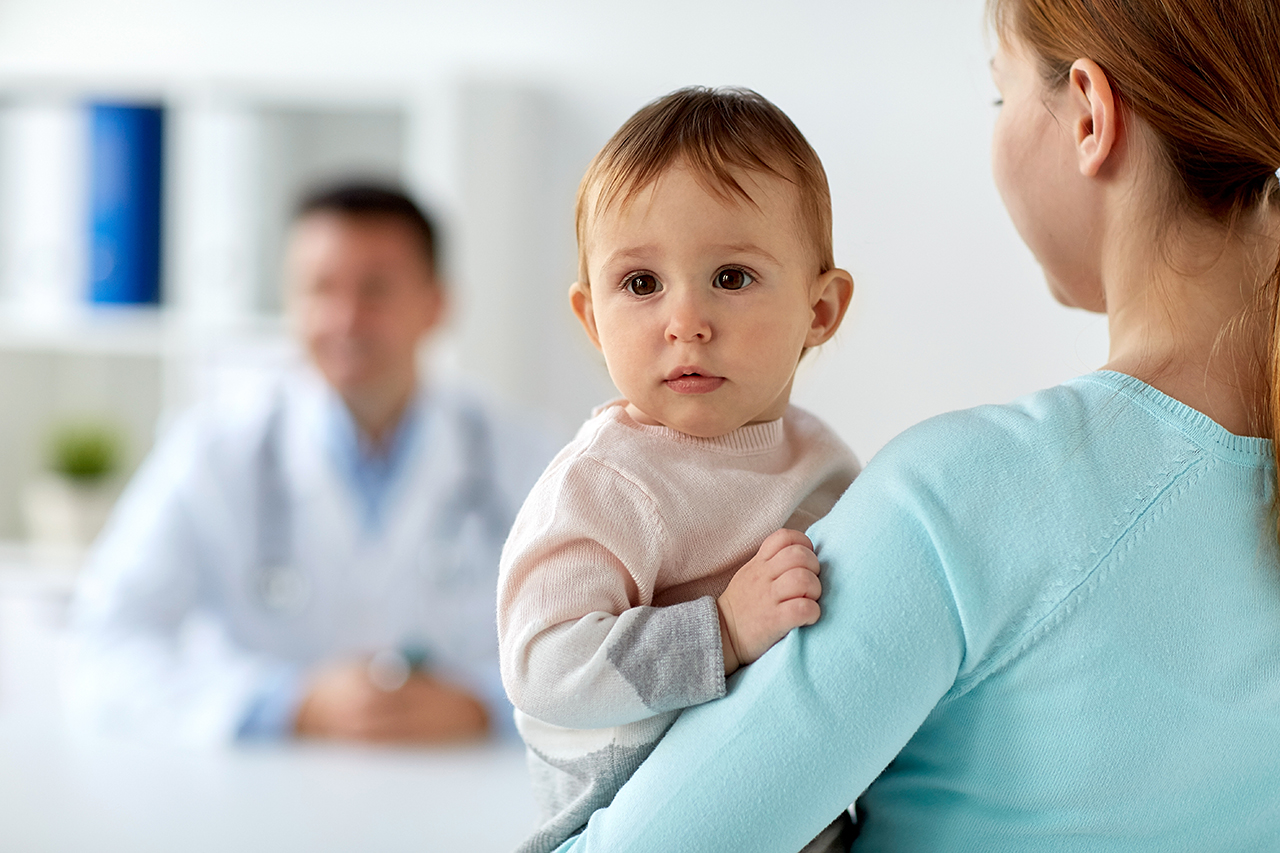
Dear donors,
Please join us in celebrating little Anna! The two-year-old girl, who just a few months ago was in our neuropaediatric intensive care unit with severe epilepsy, is making huge progress in her development. This is thanks to a brain surgery that would hardly have been possible without modern monitoring.
This technology ensures that all of our babies' and children's brain functions are continuously monitored. This is the only way we can interrupt their epileptic seizures, recognize potential dangers and immediately initiate the right therapy. With your support, we would now like to further optimize this often life-saving monitoring.
To this end, we are planning to purchase an innovative, high-performance neuromonitoring system. The new device will allow us to combine a wide variety of measurement methods and obtain reliable data, even while the little ones are asleep. In particular, it allows us to prepare high-risk brain operations like Anna's much better and more individually.
Anna is one of many children who need our help to develop well. Help us so that even more children can grow up healthy soon! With your donation for our new monitoring system, you are creating the best possible conditions.
We would like to thank you from the bottom of our hearts for your commitment. We wish you and your loved ones a peaceful Christmas and a happy New Year!
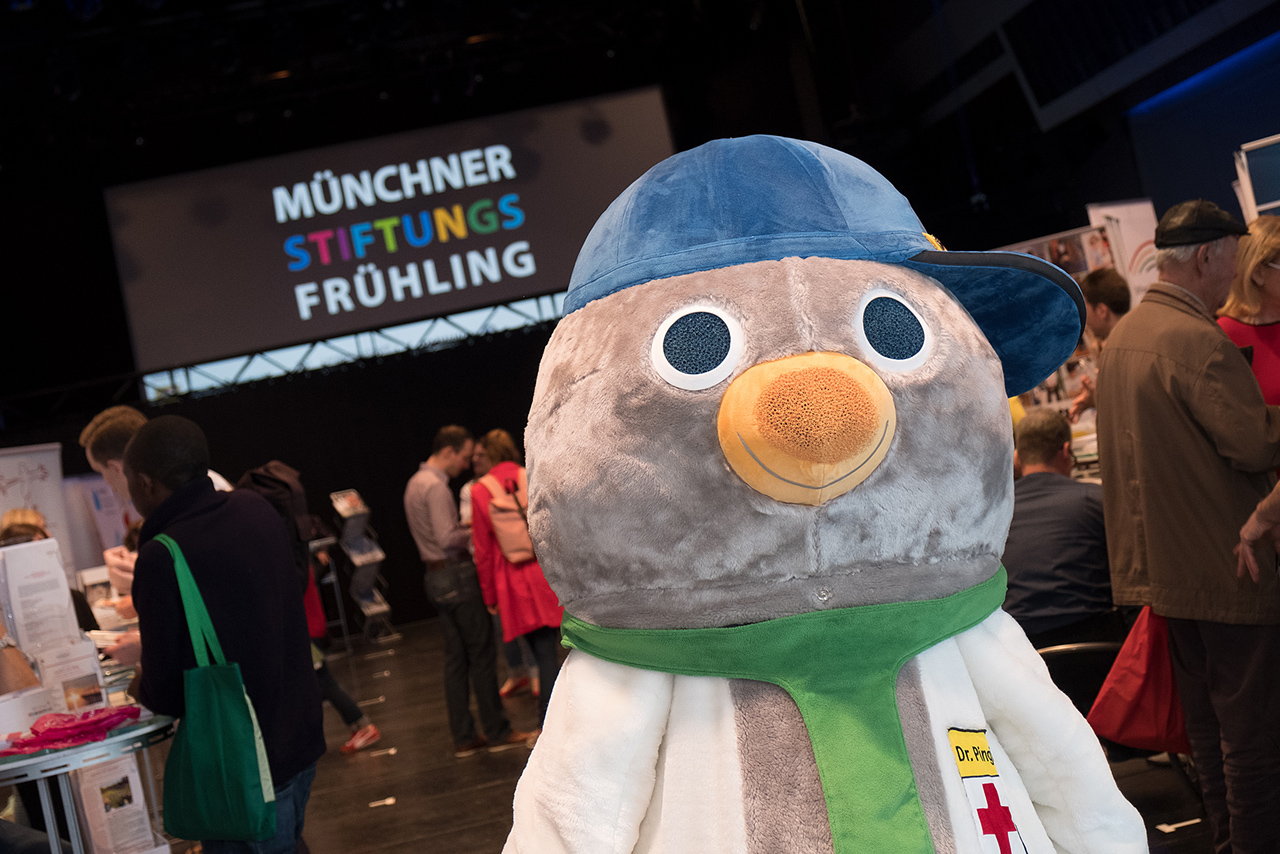
The Das Neue Hauner Foundation was also represented with an information stand at the Munich Foundation Spring in March 2019. Our fundraising team was able to provide interested visitors with a wide range of information - supported by the mascot Dr. Pingi and the former director of the LMU Klinikum, Professor Karl-Walter Jauch.
The Munich Foundation Spring once again lived up to its name. With sunshine and warm temperatures, many visitors flocked to the Olympic Park and BMW World and took the opportunity to find out about the many opportunities to get involved with a wide range of foundations.
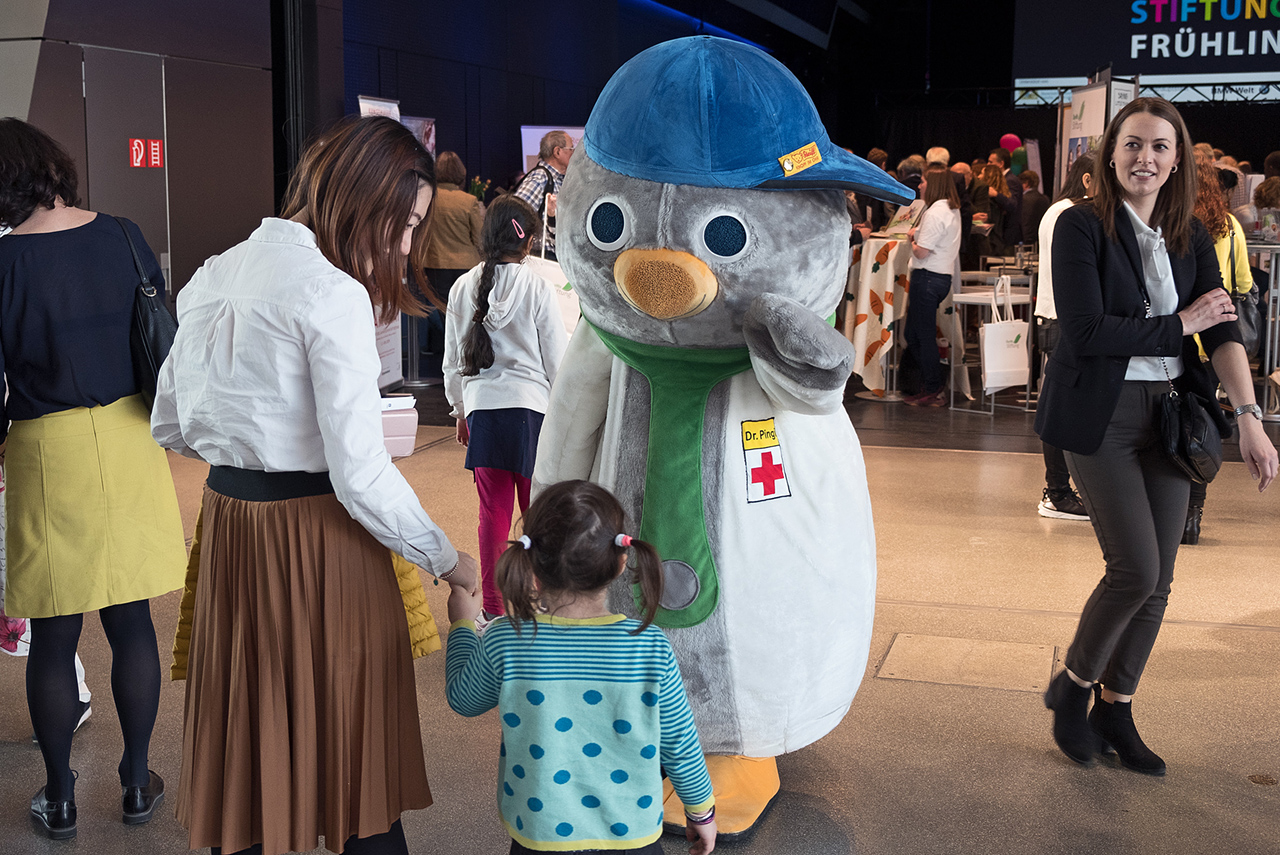
Foundation Spring March 2019
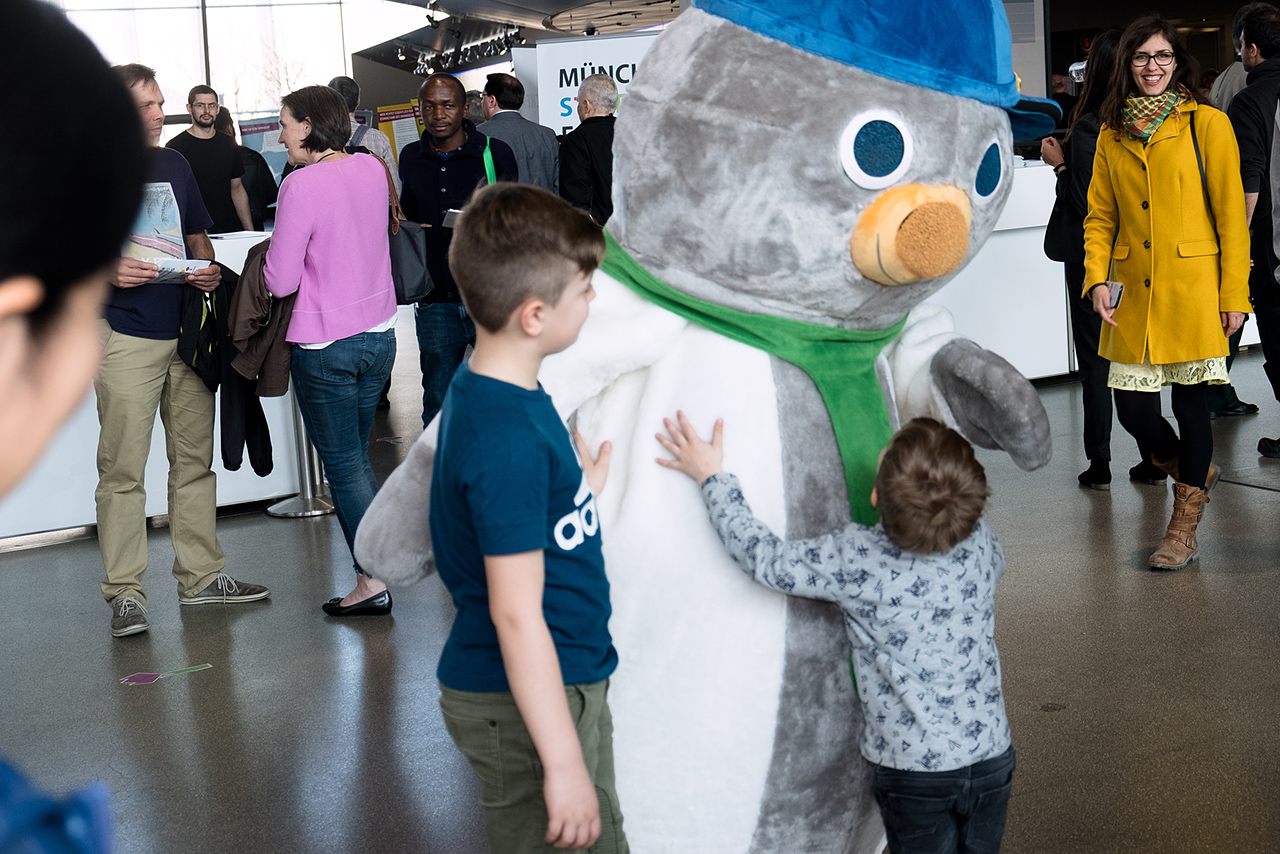
Foundation Spring March 2019
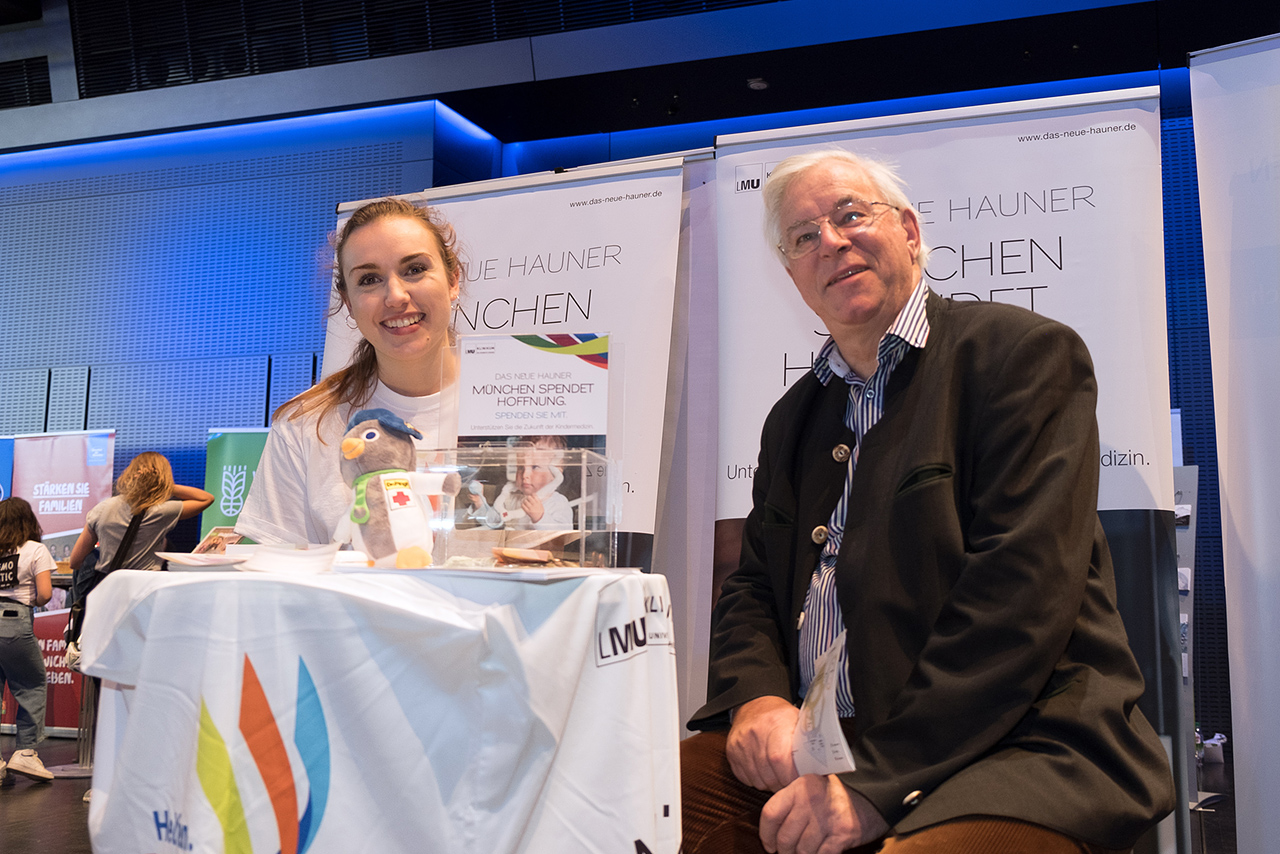
Foundation Spring March 2019
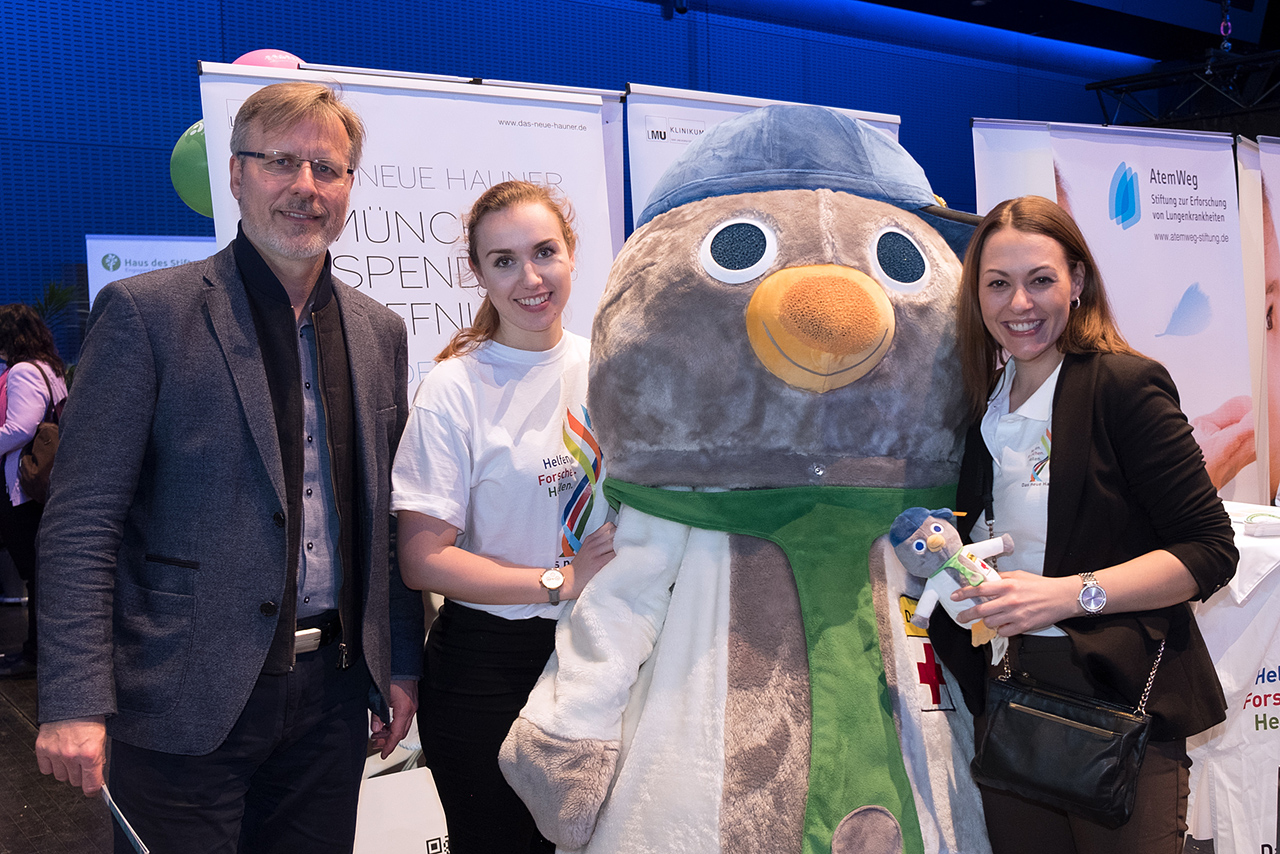
Foundation Spring March 2019