Our project



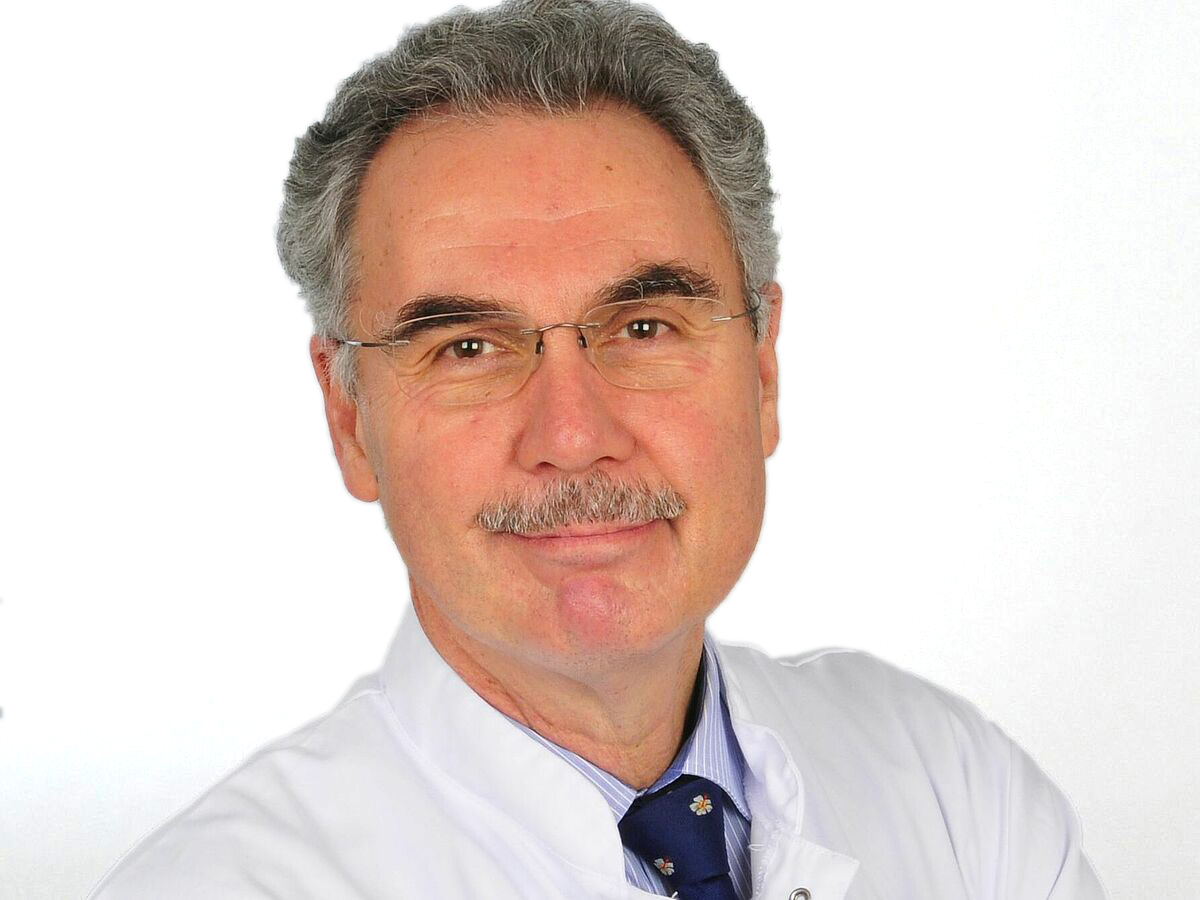
"The Hauner Children's Hospital of the LMU Klinikum is one of the most outstanding children's hospitals in Germany - and is also recognized internationally as the first address for the treatment of serious and rare diseases in children and adolescents.
After more than 120 years at the intersection of Lindwurmstrasse and Goethestrasse, it will now find a new home on the Grosshadern campus, making it the most modern children's hospital in Europe. Cutting-edge medicine for children and adolescents simply needs the structural framework it deserves today."
Professor Dr. Markus M. Lerch is Medical Director and Chairman of the Board of LMU Klinikum München.
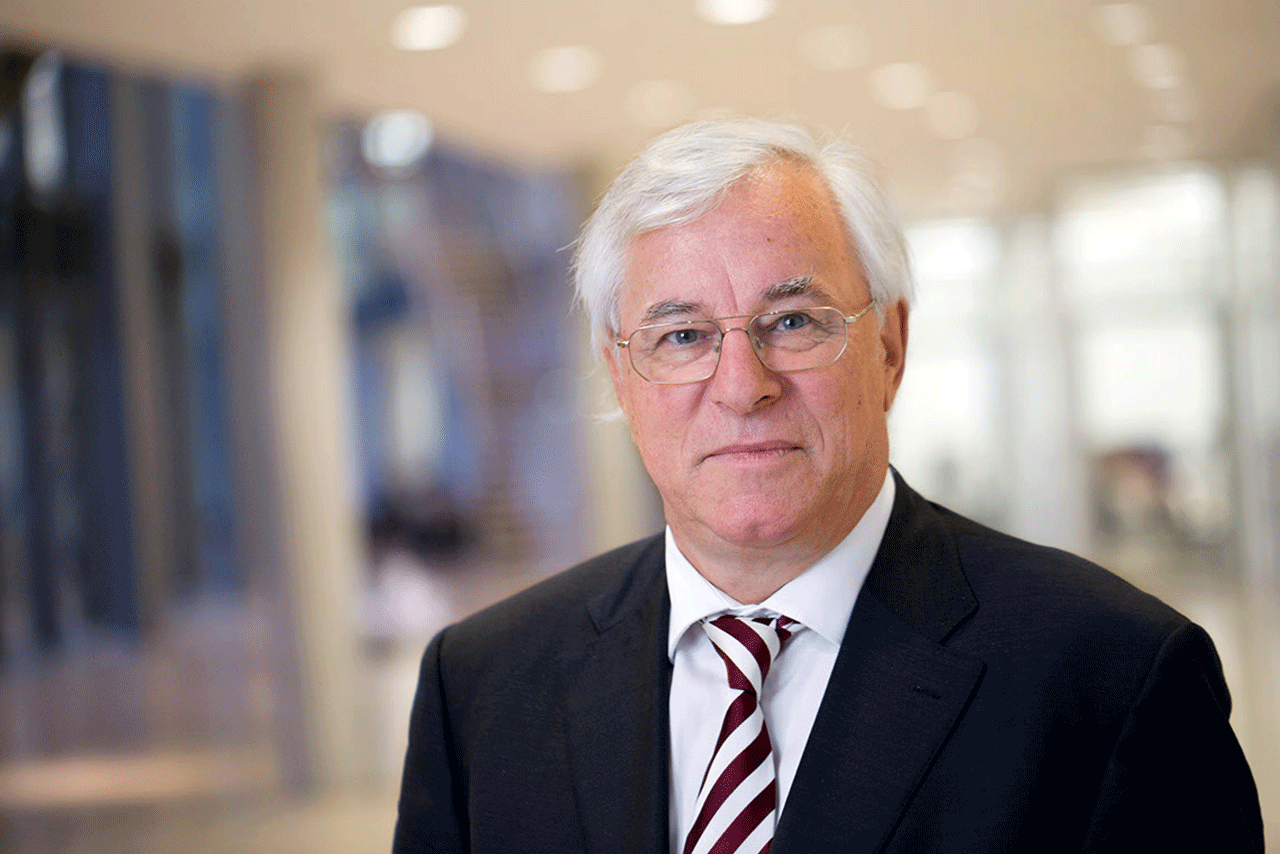
"We are already looking forward to an internationally renowned center for pediatric medicine where our young patients and parents will feel protected and well cared for. Cutting-edge medicine is being designed and developed here. The realization phase is now beginning after we drew up the first room function program in 2008, a long time for me too. All the sometimes painful intermediate steps up to the rescheduling of the competition design in 2018 are now in the past.
Let's shape the future for our children together, in a caring and pioneering manner in line with our goals and aspirations."
Prof. Dr. Karl-Walter Jauch, former Medical Director of the LMU Klinikum.
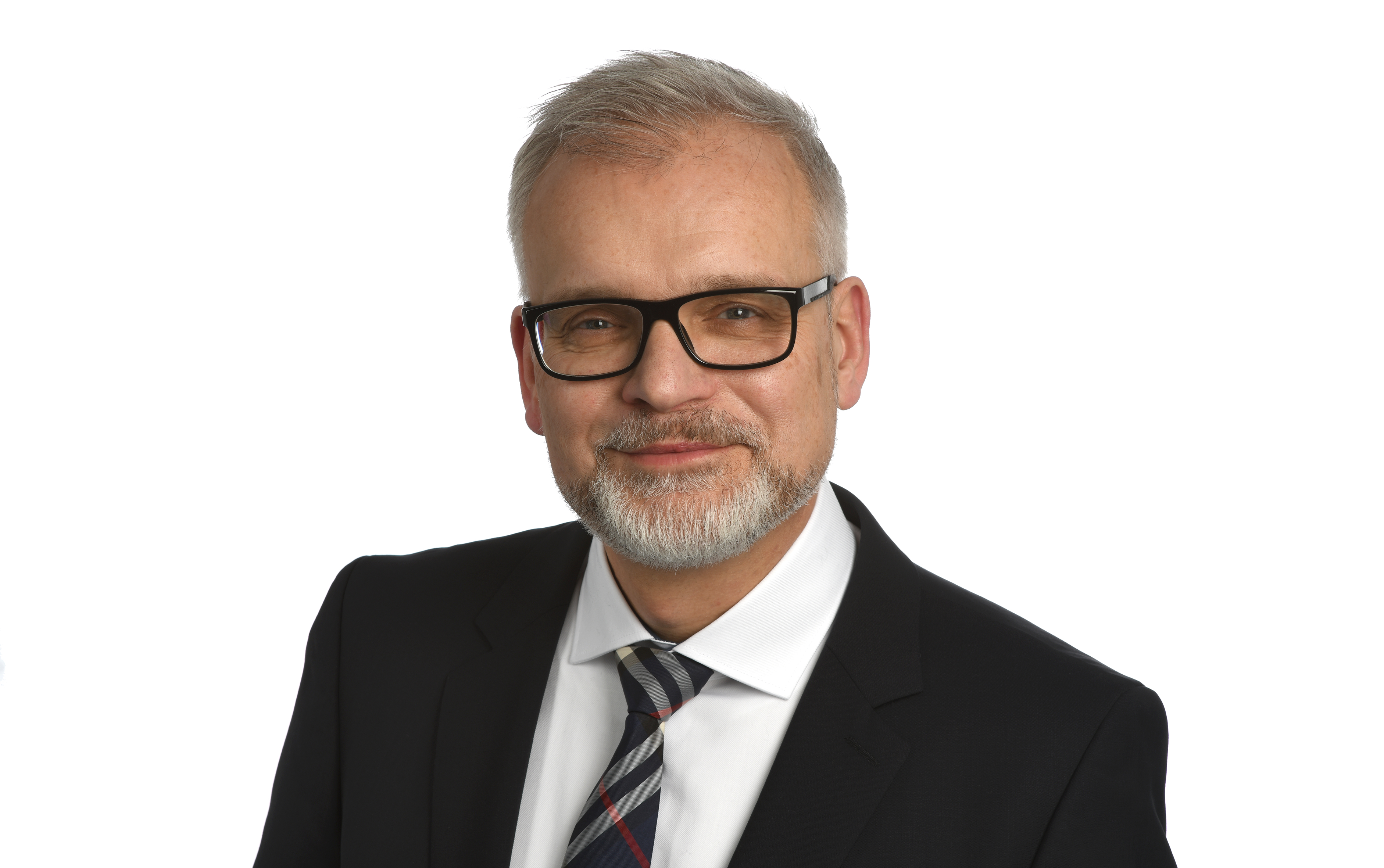
"The New Hauner will also be an important step into the future for research and teaching. The modern laboratories and seminar rooms on the second floor and the lecture hall on the first floor will allow close integration of patient care, clinical training of young doctors and research into pediatric diseases. The immediate proximity to the facilities of the Faculty of Biology and Pharmacy at the Großhadern-Martinsried campus, the Max Planck and Helmholtz Institutes and the Innovation and Start-up Center enables a wide range of collaborations for the development of new diagnoses and therapies."
Prof. Dr. Thomas Gudermann, Dean of the Faculty of Medicine at LMU University Hospital.
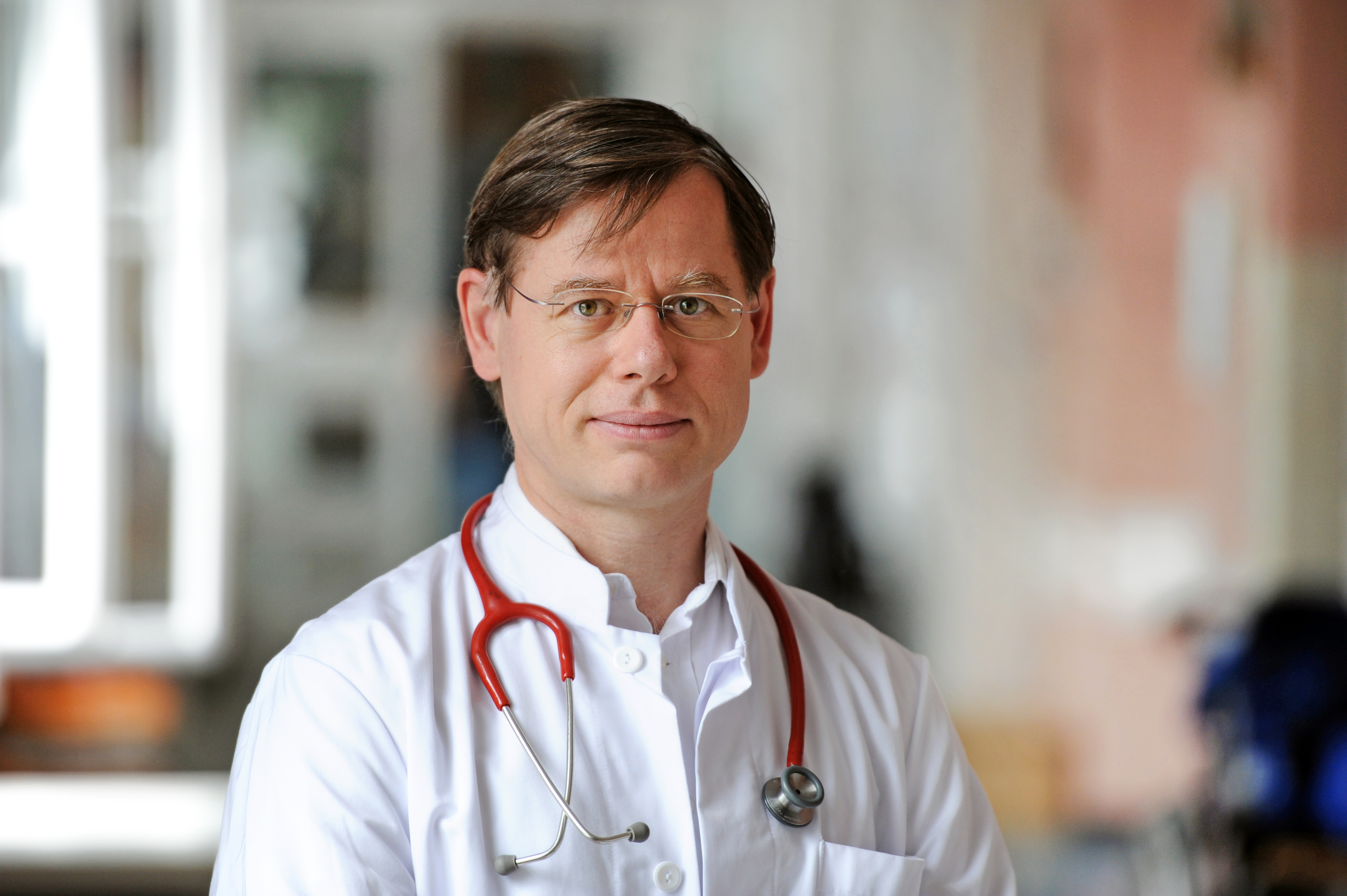
"The plight of sick children in the German healthcare system has been echoed in the media in recent weeks and months - today we are grateful that the ground-breaking ceremony for the new Hauner Children's Hospital will send a powerful signal in the interests of sick children and their families. Children have a right to the best possible medical care and a right to participate in medical progress. Empathy in highly specialized yet holistic care and excellence in science are two sides of the same coin - this is what the New Hauner should stand for."
Prof. Dr. Dr. Christoph Klein is a paediatric oncologist and has been Director of the Children's Clinic and Children's Polyclinic at the Dr. von Hauner Children's Hospital since 2011. He studied philosophy and medicine and, after working in Paris and at Harvard Medical School, became Medical Director of the Clinic for Pediatric Haematology and Oncology in Hanover. He is an international leader in research into rare genetic diseases of the blood and immune system and the development of new therapies. In 2010, Dr. Dr. Klein was awarded the Gottfried Wilhelm Leibniz Prize.

"The long-awaited New Hauner will be another milestone in the care of children at LMU, in keeping with the spirit of its namesake: to treat all patients in the best possible way, regardless of their origin or social status. Thanks to the interdisciplinary concept and the direct connection to obstetrics, we can provide truly holistic treatment for children from birth to transition into young adulthood. The new building gives us the opportunity to become one of the most modern children's hospitals in Europe, for the benefit of children and young people from near and far."
Prof. Dr. Oliver Muensterer was born in Canada, grew up in Germany, studied medicine at LMU and the Universidad de Alicante, and completed his doctorate and habilitation at LMU. He comes from Johannes Gutenberg University Mainz, where he has been Head of Pediatric Surgery since 2014. He is a specialist in pediatric surgery; specialist in pediatrics (USA), additional qualification in sports medicine; currently studying for a Master of Arts in medical ethics; Fellow of the American Academy of Pediatrics, Fellow of the European Board of Paediatric Surgery, Fellow of the American College of Surgeons; ATLS Instructor (Advanced Trauma Life Support).
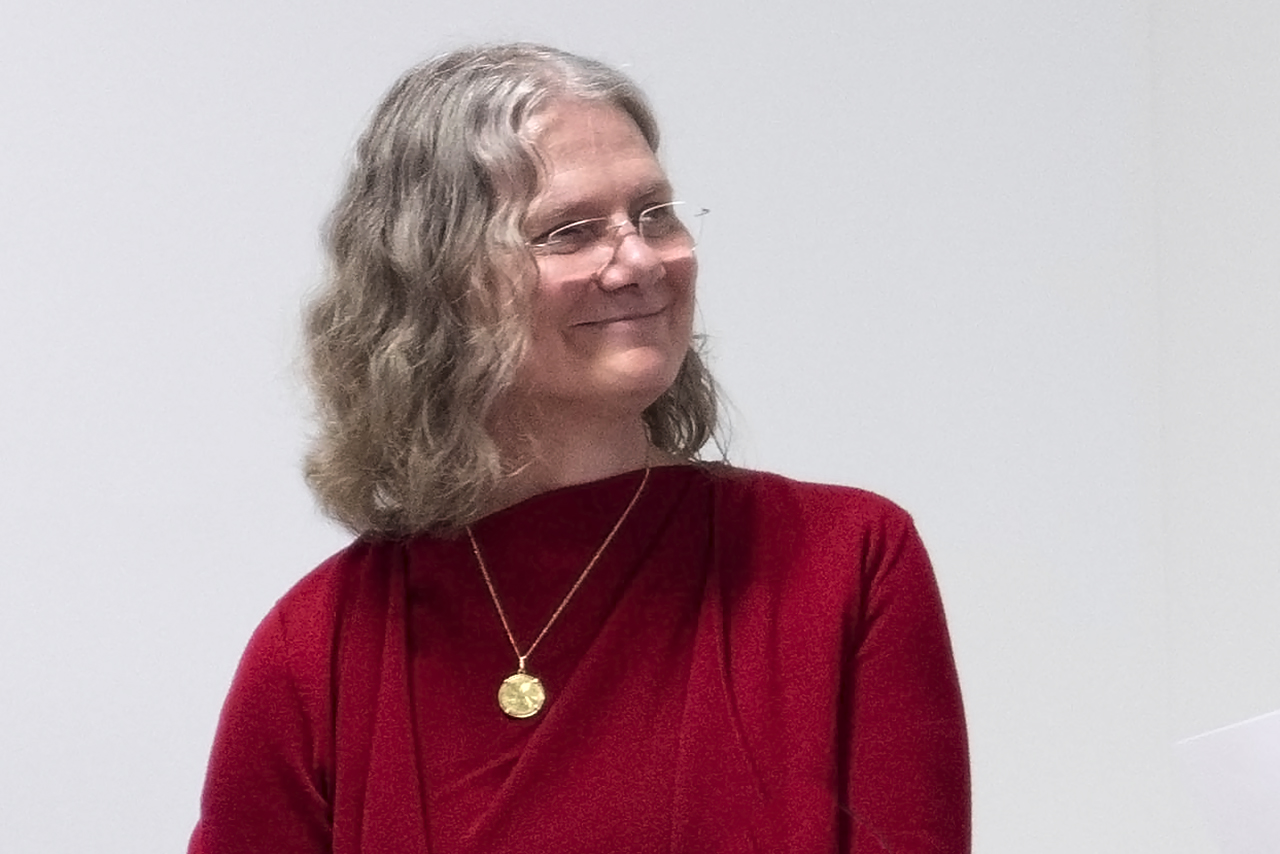
"The ground-breaking ceremony for the new Hauner is a day of great joy for the team at the Children's Palliative Care Center on the Großhadern campus. The long-cherished dream of bringing all pediatric disciplines together at one location is coming closer. It will be a blessing for the critically ill children in the children's palliative care unit to have the knowledge and expertise of the Hauner specialists available virtually 'on the doorstep', because children's palliative care thrives on interdisciplinarity and collegial cooperation."
Professor Dr. Monika Führer is Head of the Children's Palliative Care Center at LMU Klinikum München.
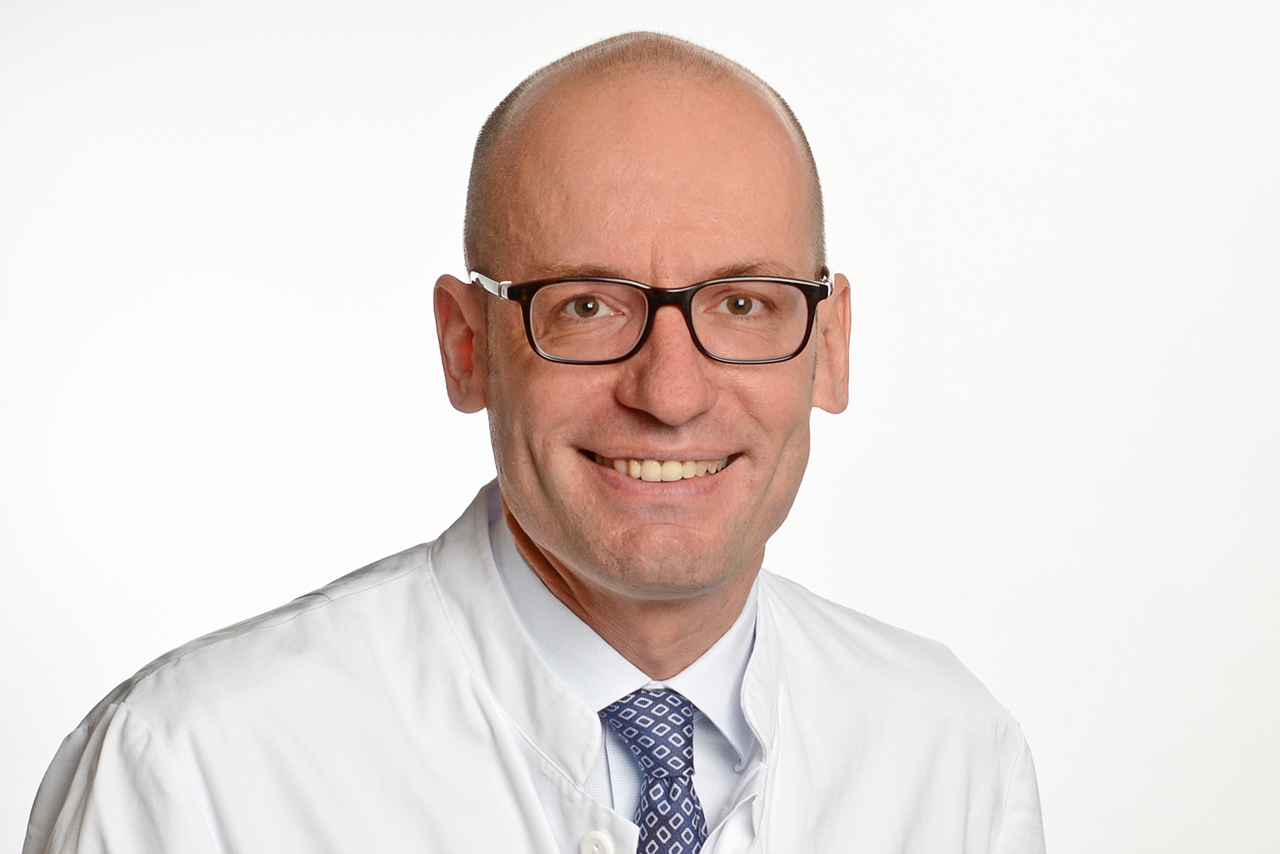
"For us, it is important to focus on natural birth in addition to providing the best possible care for high-risk pregnancies and premature births. We want every pregnant woman to receive the best medical and humane treatment. Optimal medical care, excellent teaching and outstanding research go hand in hand."
Prof. Dr. med. Sven Mahner has been Director of the Clinic and Polyclinic for Obstetrics and Gynecology since 2015. He studied medicine in Heidelberg and Homburg, conducted research abroad, including at the Dana-Farber Cancer Center at Harvard Medical School, and worked for many years at the University Medical Center Hamburg-Eppendorf. He is an international leader in the research of gynecological cancers, both in drug and surgical therapy, and has received numerous awards.
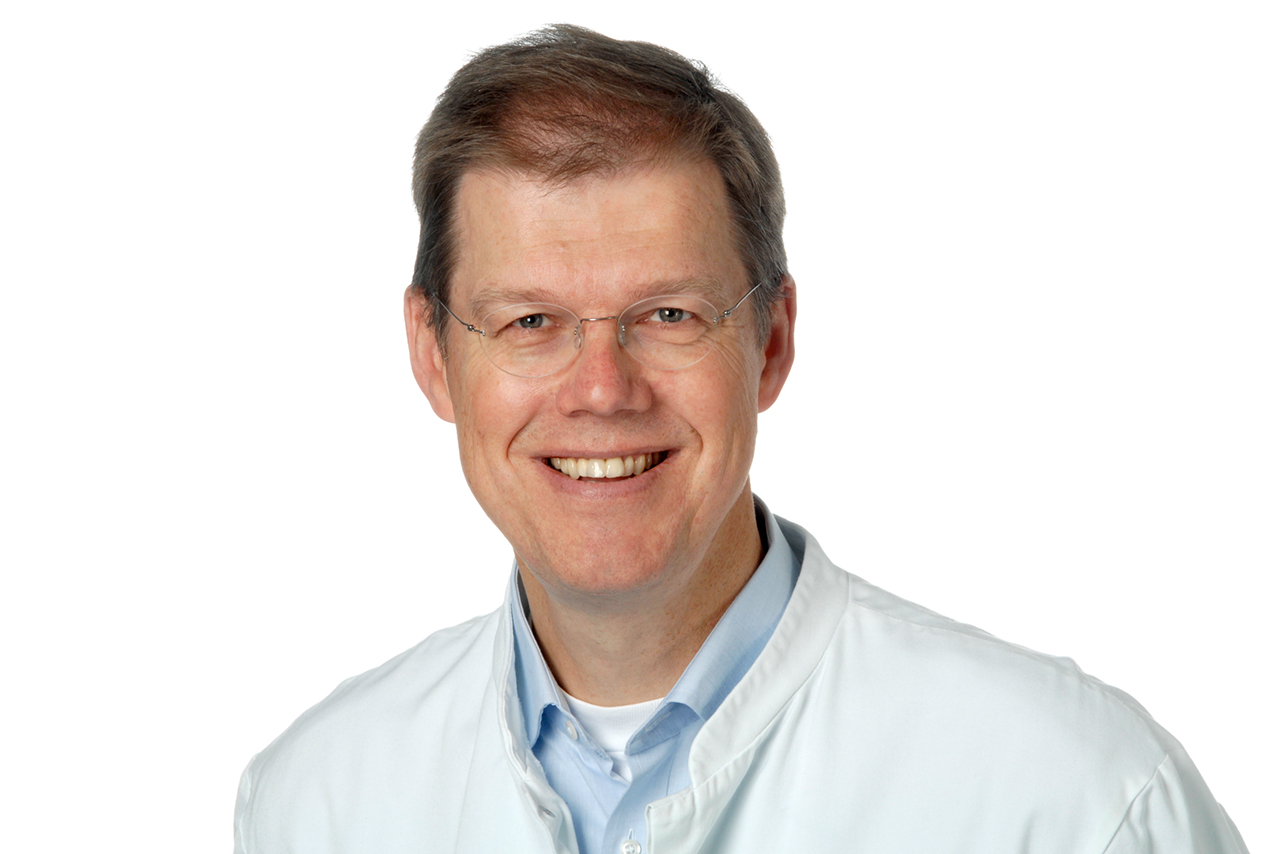
"The well-being of mothers and our little patients is our top priority and is very important to us. To ensure the best possible care for healthy and sick mothers and their premature and full-term babies, we need midwives and doctors with a wealth of experience, qualified care in accordance with special standards and the latest intensive care facilities."
Prof. Dr. med. Hasbargen is Head of Obstetrics at the Perinatal Center on the Großhadern Campus.
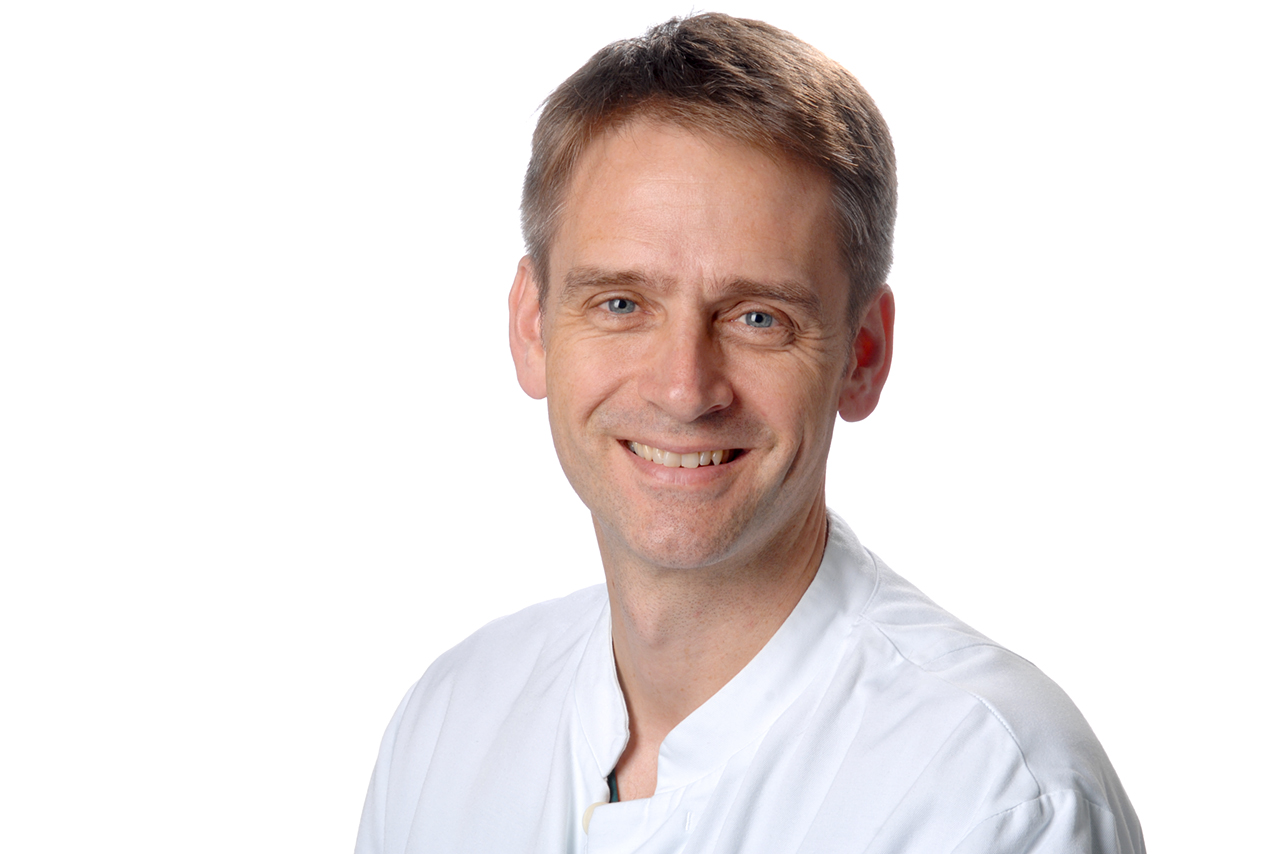
"If the birth comes too early, parents and children are under great strain. The New Hauner is to become a place of safety and security, where even the very youngest patients receive the best possible help before and after birth - from the very beginning - and are cared for to the highest level of available knowledge. This knowledge is expanded daily at the Neonatology Department in the Perinatal Center in the New Hauner through careful research into both the basics of early childhood diseases and improvements in the clinical care of mother and child."
Prof. Dr. Andreas Flemmer is Head of Neonatology at the Perinatal Center on the Grosshadern Campus.
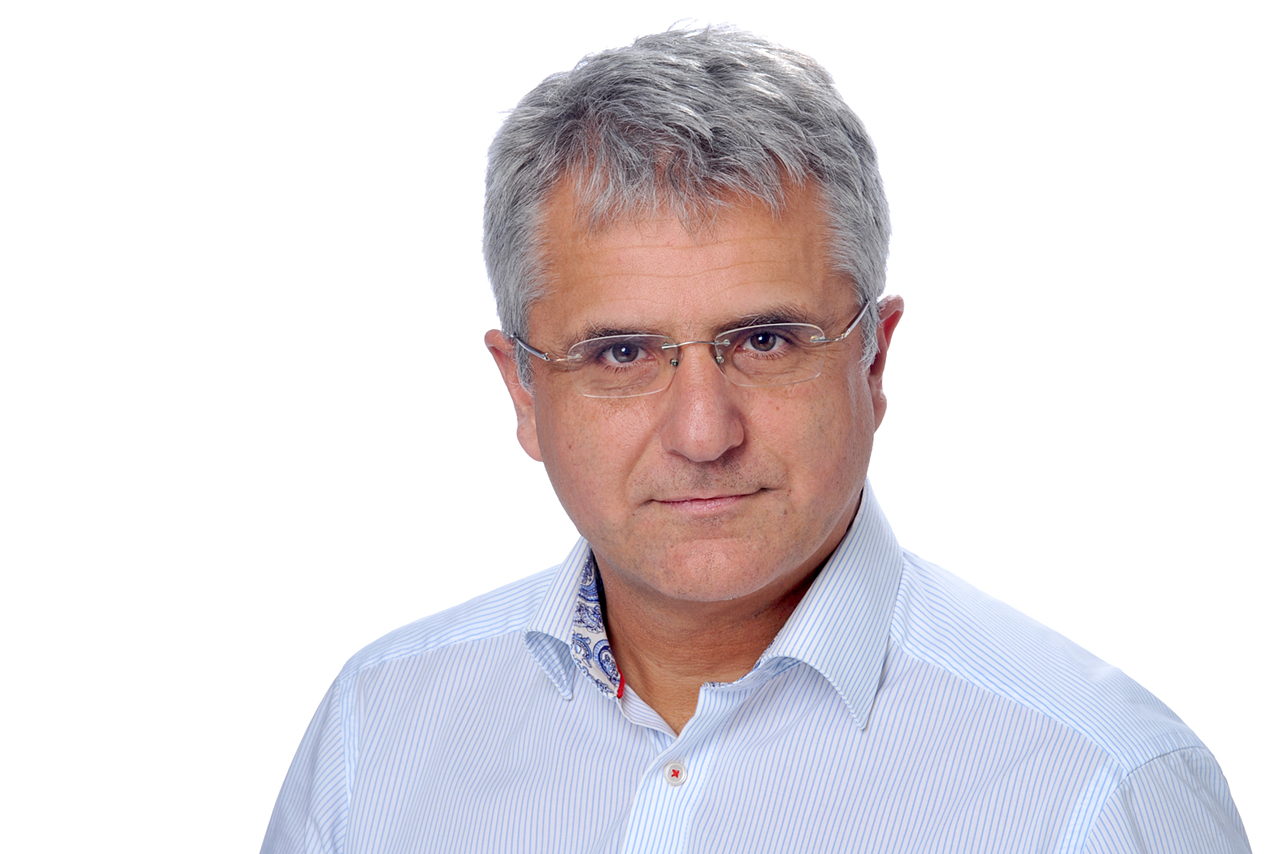
"Today we are starting the long-awaited construction of our new children's hospital, the Neue Hauner. After a long period of planning, a modern and clearly laid out clinic is being created for the children of Bavaria. Embedded in modern architecture, the families of sick children will have access to functional facilities with individual rooms. The entrance to the clinic, which has a color concept reminiscent of the 1972 Olympics, can be reached via special therapy gardens, at a distance from the other clinics in Großhadern.
We are delighted."
Professor Dr. Nikolaus Haas is Head of the Department of Pediatric Cardiology and Pediatric Intensive Care Medicine.
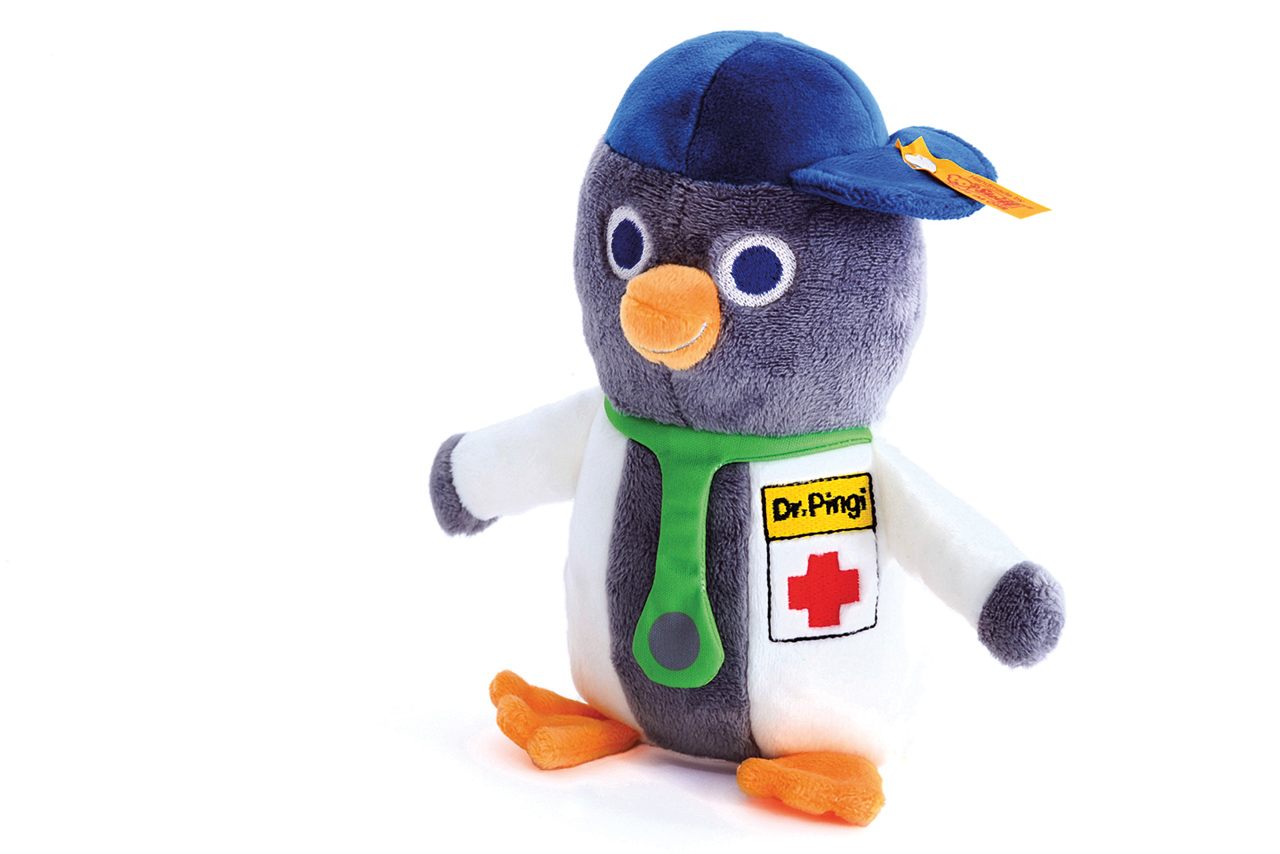
In 2016, pupils from primary and secondary schools in and around Munich were invited to take part in a drawing competition for the mascot of "Das Neue Hauner". Dr. Ludwig Spaenle (then Bavarian State Minister for Education and Culture, Science and the Arts, now the Bavarian State Government's Anti-Semitism Commissioner) took on the patronage, saying: "Giving comfort to other children - this was the motivation behind the pupils' participation in the painting competition for the New Hauner mascot. They submitted creative ideas for a soft toy and made many suggestions as to what a comforter and lucky charm for the young patients could look like. From nine final entries, the jury selected 'Doctor Pingi' by fifth grader Annalena Dietz, whom I warmly congratulate on her very successful idea. I would like to thank all the children and their teachers for their ingenuity and commitment."
Annalena's lovingly painted penguin with the name "Doctor Pingi" is produced as an original Steiff cuddly toy and is available for 34.50 euros. 5.00 of the proceeds will go to the "Das Neue Hauner" foundation.
If you are interested, please send an e-mail to: fundraising@med.uni-muenchen.de