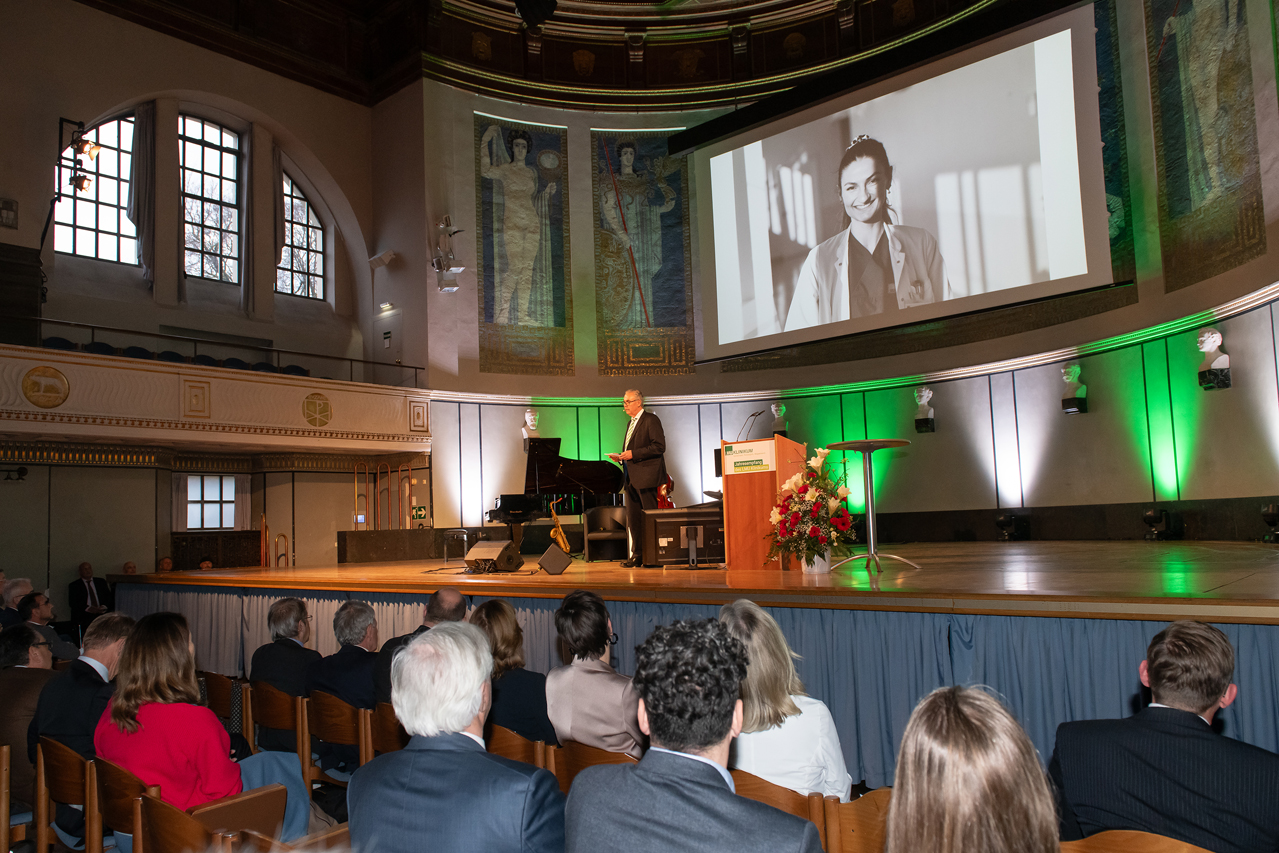
Annual reception 2025 - Sustainability and medicine in transition
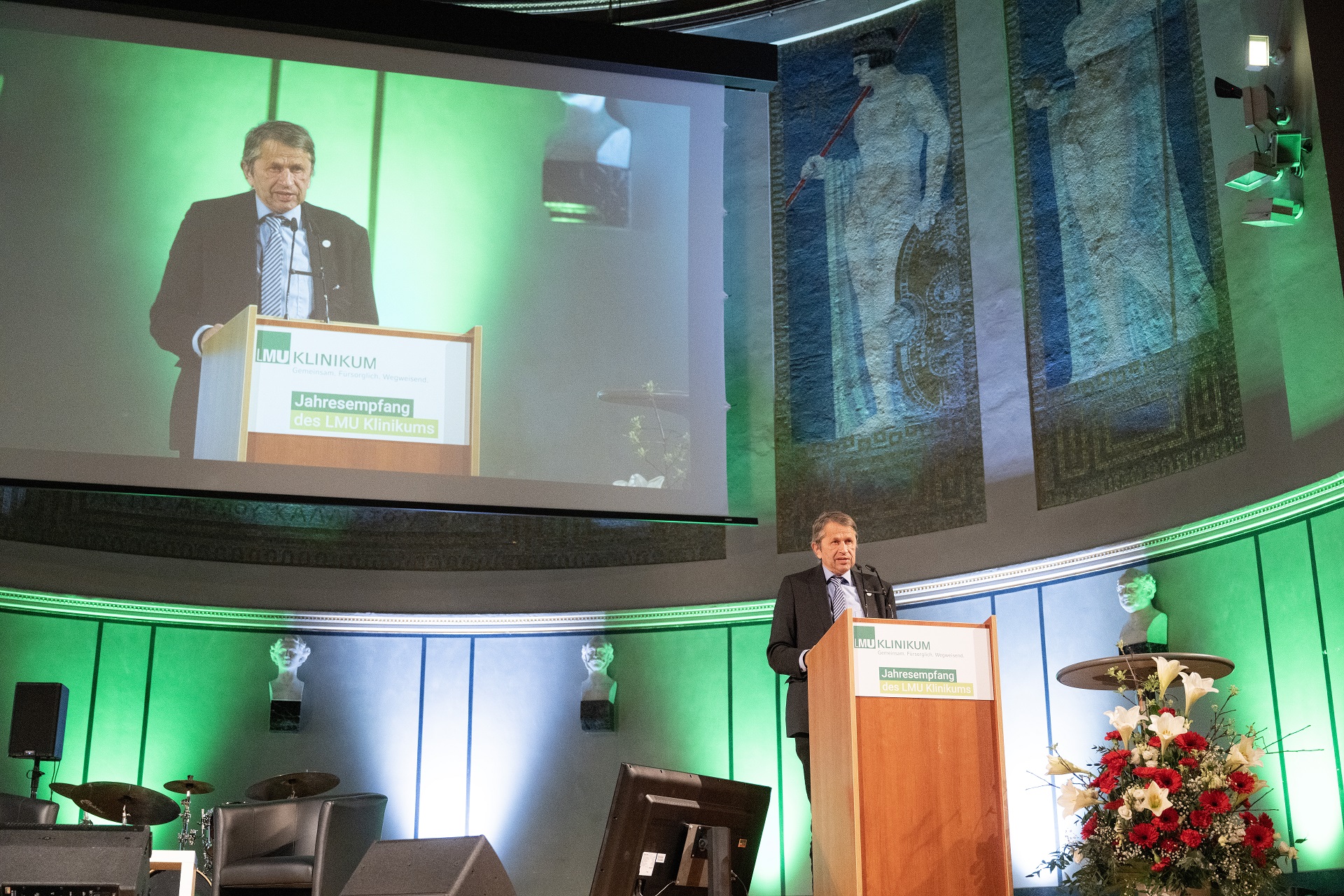
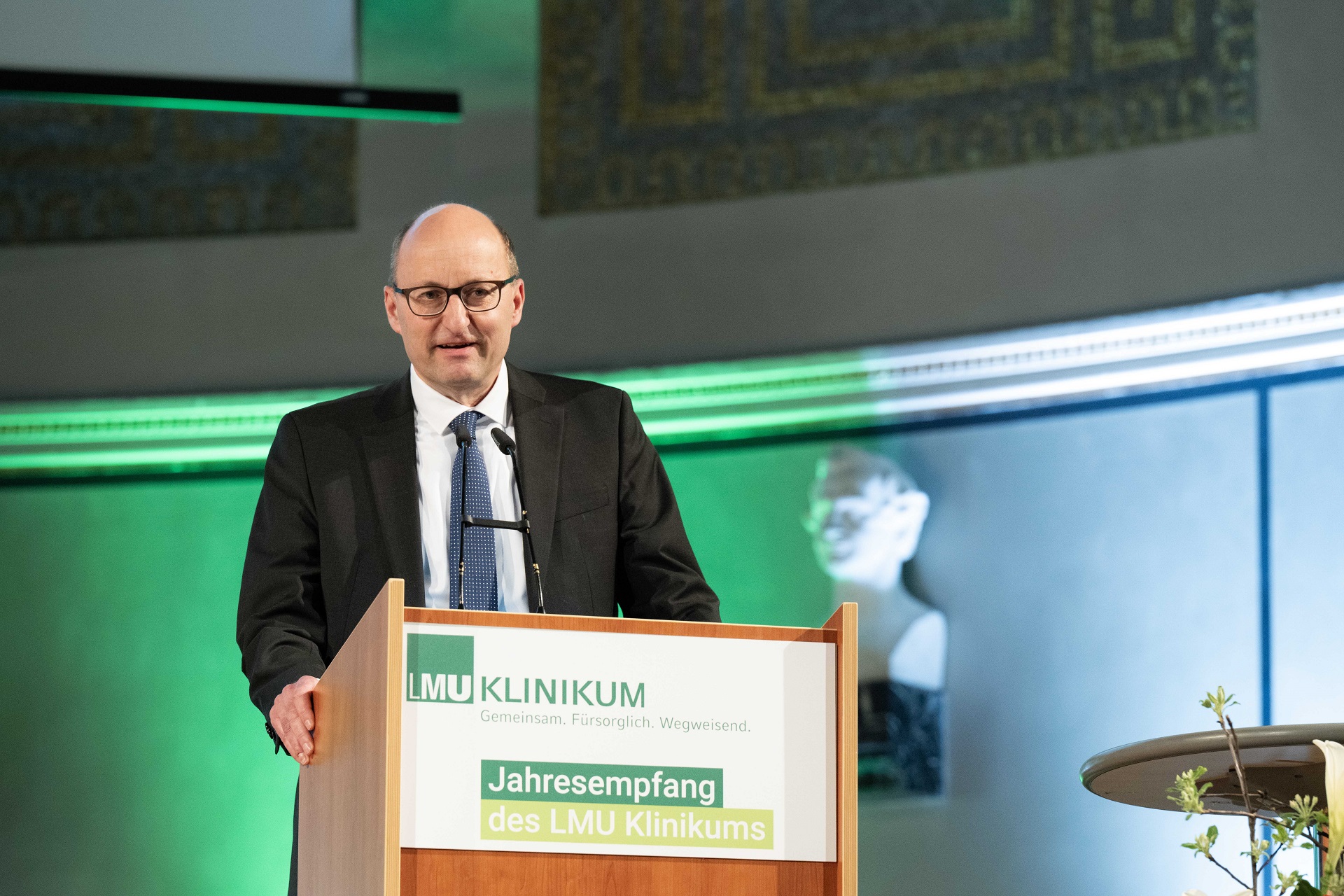
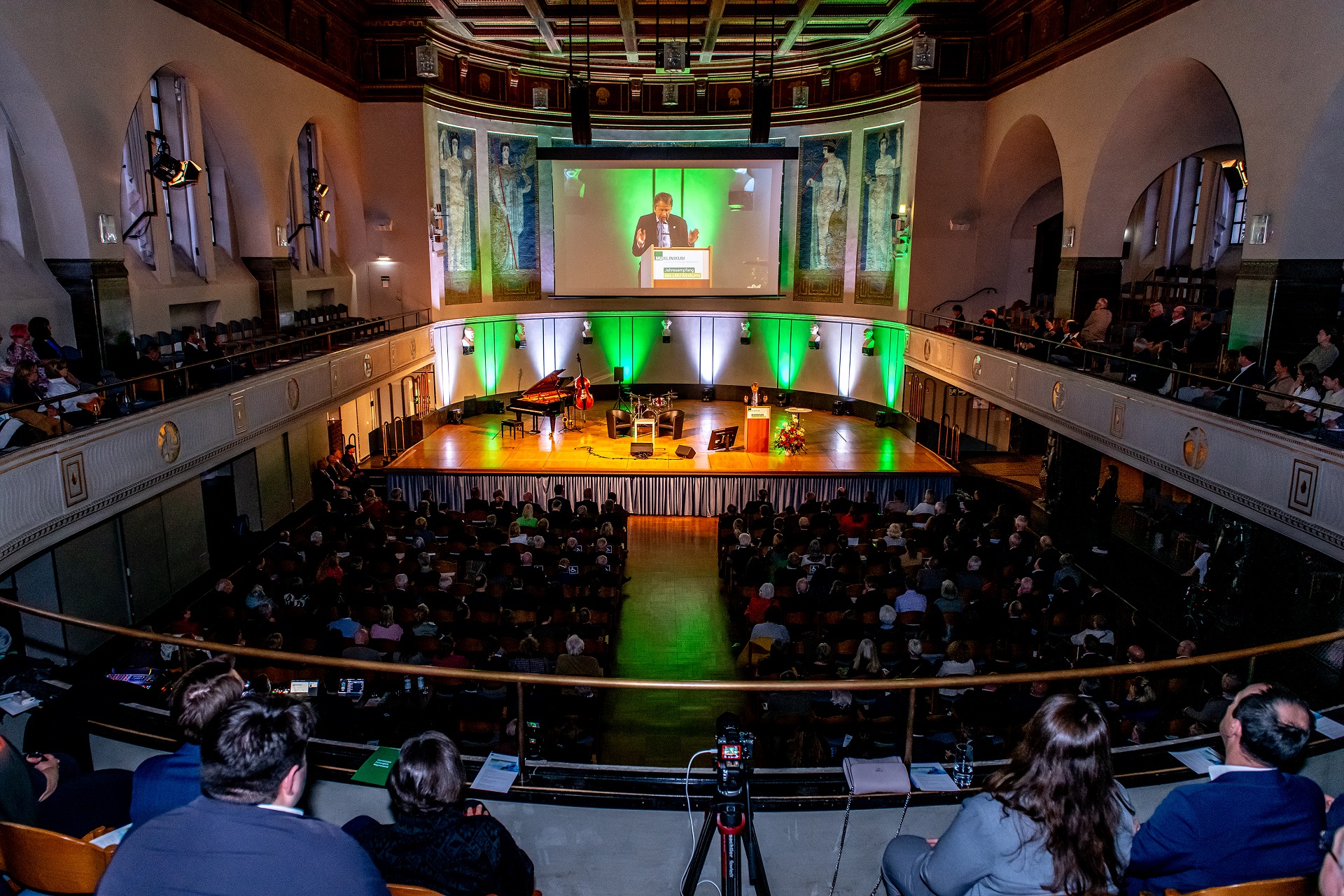
In his welcoming address, outgoing LMU President Prof. Bernd Huber emphasized the remarkable achievements of the LMU Klinikum in the field of science and patient care. He cited the laying of the foundation stone for the New Hauner and the new ICON research building as current highlights. Another important building block is the "M1 - Munich Medicine Alliance", "with which we want to reposition medicine in Munich as a whole".
Central role of university hospitals
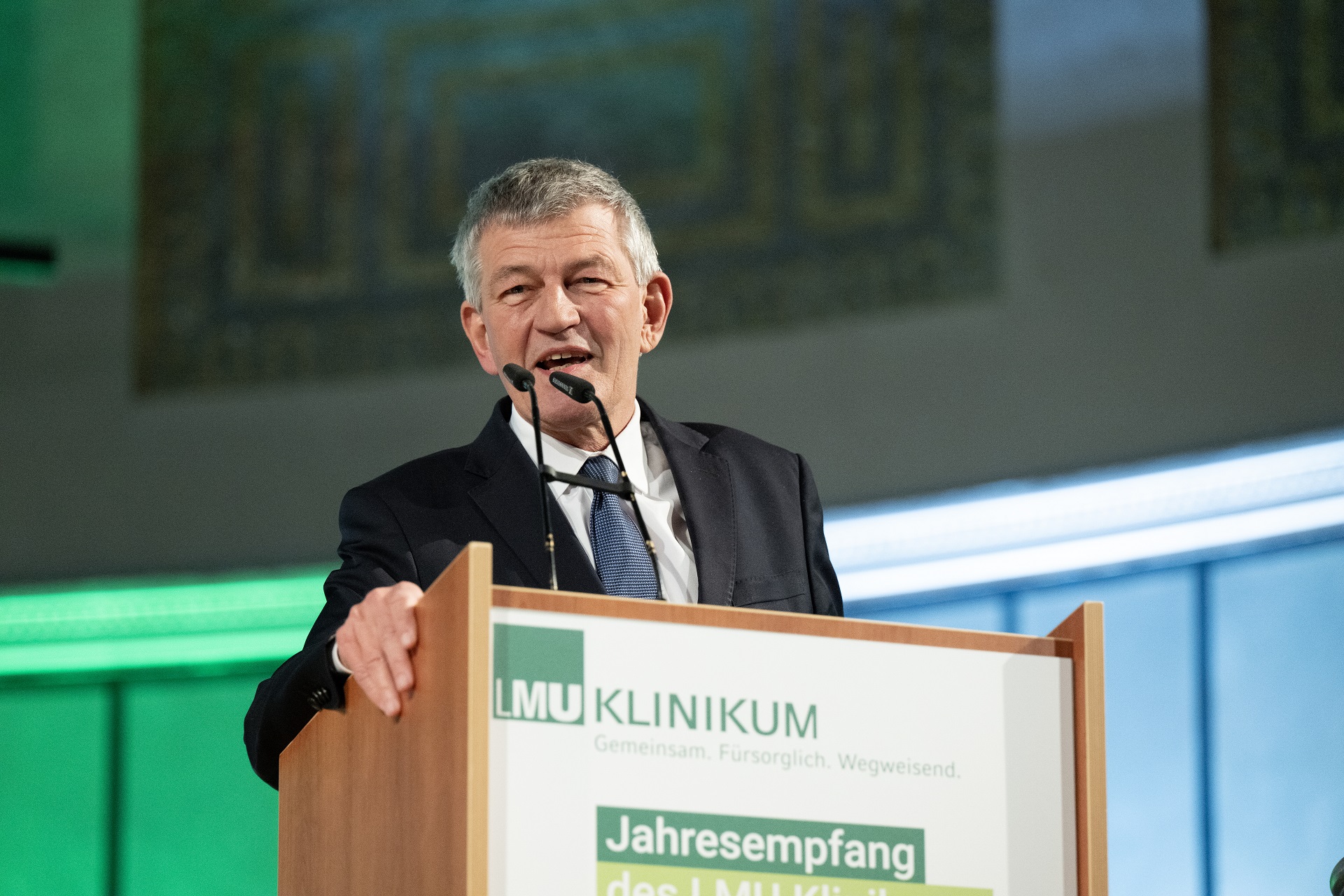
In times of geopolitical challenges and an ageing society, Prof. Heyo K. Kroemer, Chairman of the Board of Charité in Berlin, called for "university hospitals to take on a coordinating role". In his presentation, he identified demographic change as the biggest problem, which will affect personnel structures across all professional groups and, in particular, patient care. In addition to the successful prevention of diseases, the use of artificial intelligence and "consistent and coordinated digitalization in medicine" are needed as a solution. Kroemer cited the Network of University Medicine (NUM), in which all German university hospitals have joined forces to address the challenges of the COVID-19 pandemic, as a positive example. "Large, excellent institutions must work even more closely together to contribute their knowledge to the expansion of the research infrastructure," emphasized Kroemer.
Social sustainability using the example of organ donation
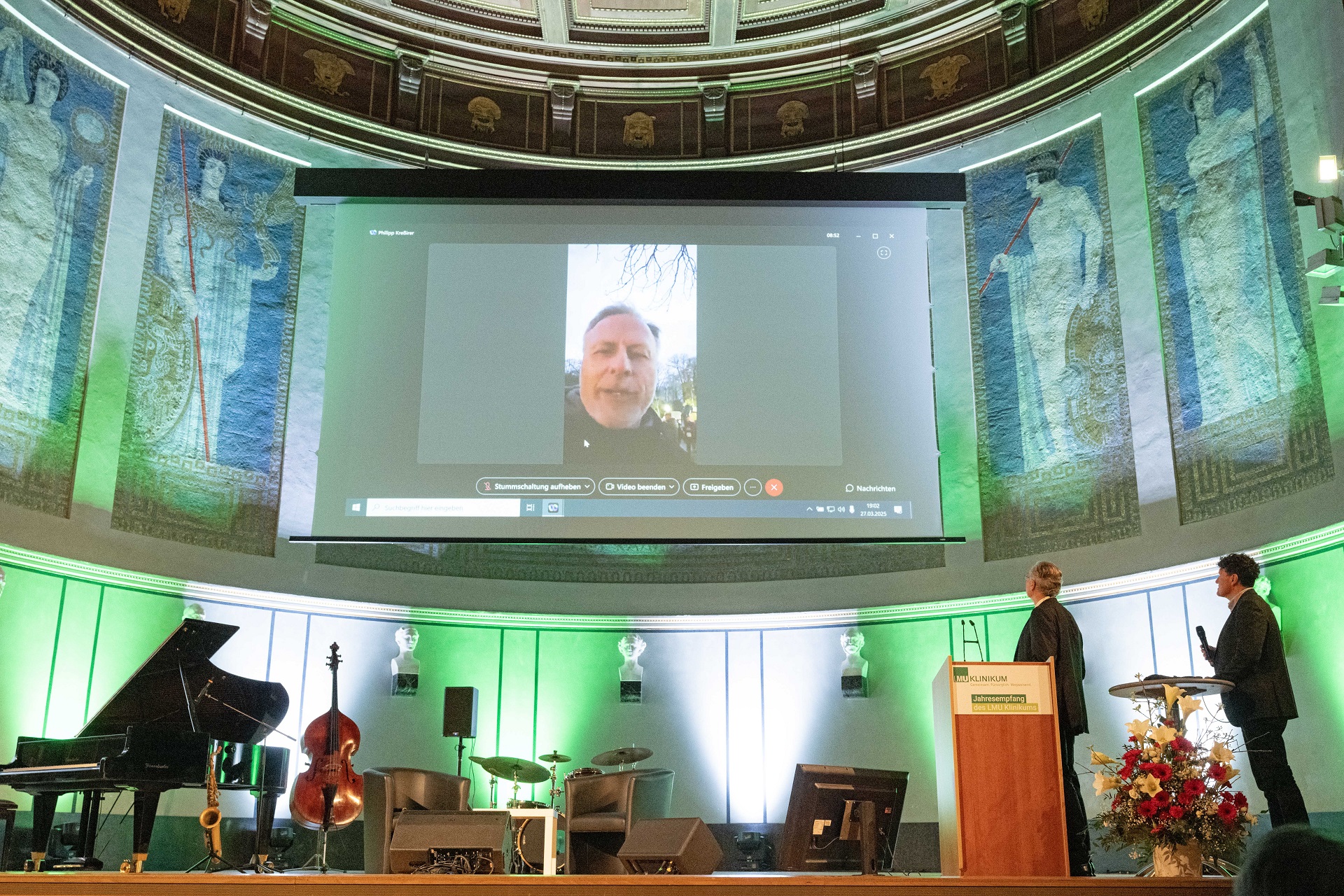
8,178 people were on the Germany-wide transplant list for a donor organ at the end of February 2025. One of them is heart transplant patient Thomas Krauß. The father of two has been living with an artificial heart for five years, which was implanted at the LMU Hospital in Großhadern. Back then, the man from the Allgäu almost died - the artificial heart saved his life. Two years ago, Thomas Krauß was even able to take part in the five-kilometer organ donation run with it. This year, the organ donation run took place at the same time as the annual reception in the English Garden. Around 100 employees of the LMU Klinikum took part to set an example for organ donation. At the annual reception, a live link to the run ensured that all guests present in the auditorium were able to experience the good atmosphere and the commitment of the LMU Klinikum team. Thomas Krauß said appropriately: "For me, the better way was not to run away from my fears, but to face them." At the annual reception, he spoke about his educational campaign "Life 2.0 on Tour" at schools and his support for the "heart children" at LMU Klinikum Großhadern. The "courage maker" has been waiting for a donor heart for almost seven years and still hopes that he will receive one at some point: "It would be nice not to have to die almost three more times before the organ arrives," he said.
Sustainability at the LMU Klinikum in figures
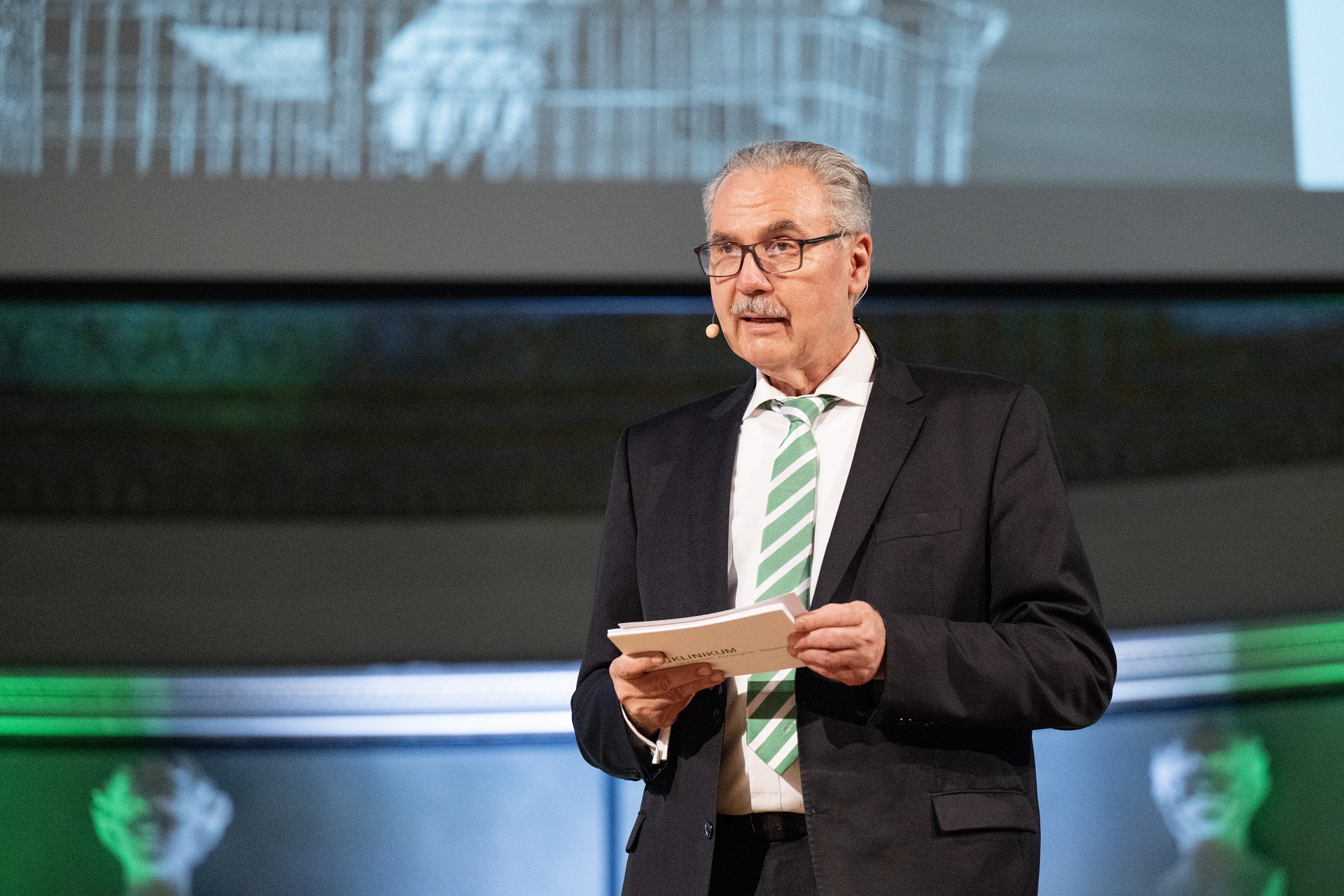
The LMU Hospital has already taken numerous measures to become more sustainable. These include in-house electricity thanks to photovoltaic systems and the purchase of green electricity from sustainable district heating. The hospital has halved its own CO₂ emissions since 2016 and is focusing on awareness campaigns among employees. Markus Zendler, Commercial Director of the LMU Klinikum, presented facts and figures from the field of energy management at the annual reception, as well as current projects and measures that can be used to further expand sustainability at the LMU Klinikum. Some facts and figures at a glance:
- 50,000 kWh of electricity was produced by the hospital's own photovoltaic systems last year.
- 10,000 tons of CO₂ avoided by the hospital in 2024 by using district heating instead of natural gas
- Complete switch to sustainable heat and steam products
- Switching from disposable to reusable materials in the operating theatre
- Reduction of food waste in the catering department
- Avoidance of medication waste in the hospital pharmacy
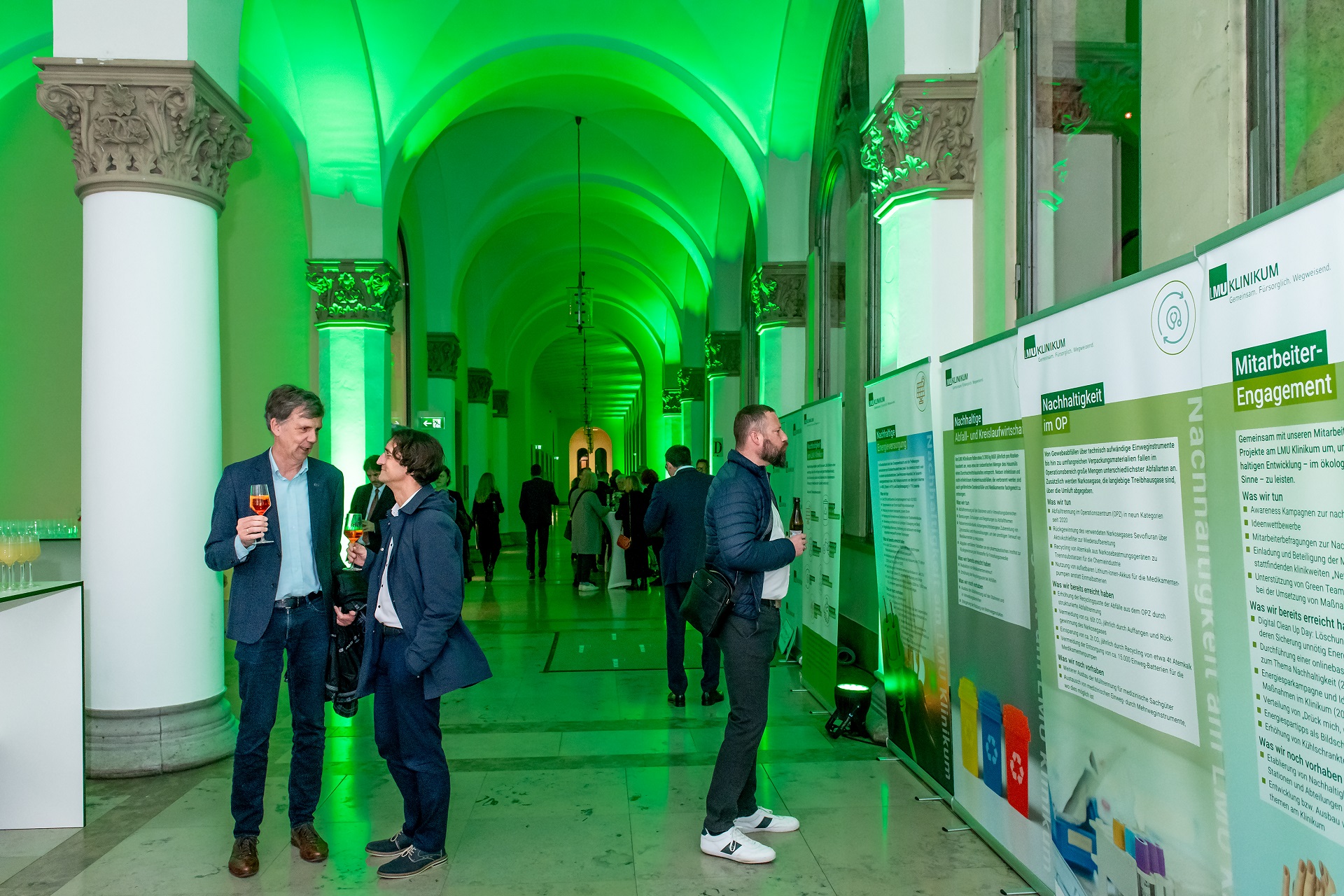
At the annual reception, visitors were also given a clear presentation of the most important sustainability initiatives using roll-ups. These are now on display in the entrance area of Großhadern Hospital on the gallery of the visitor route.
New diseases caused by climate change in Europe
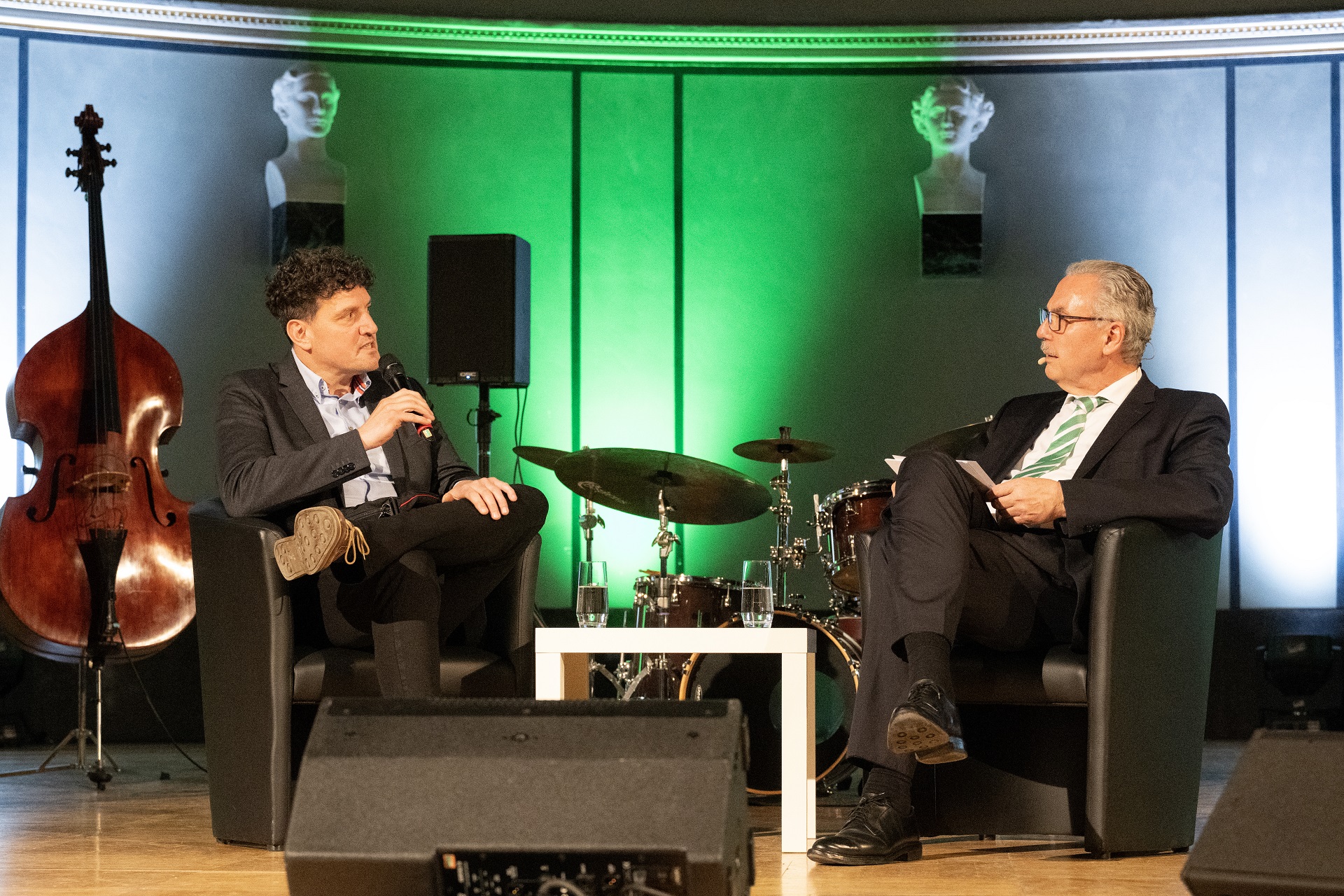
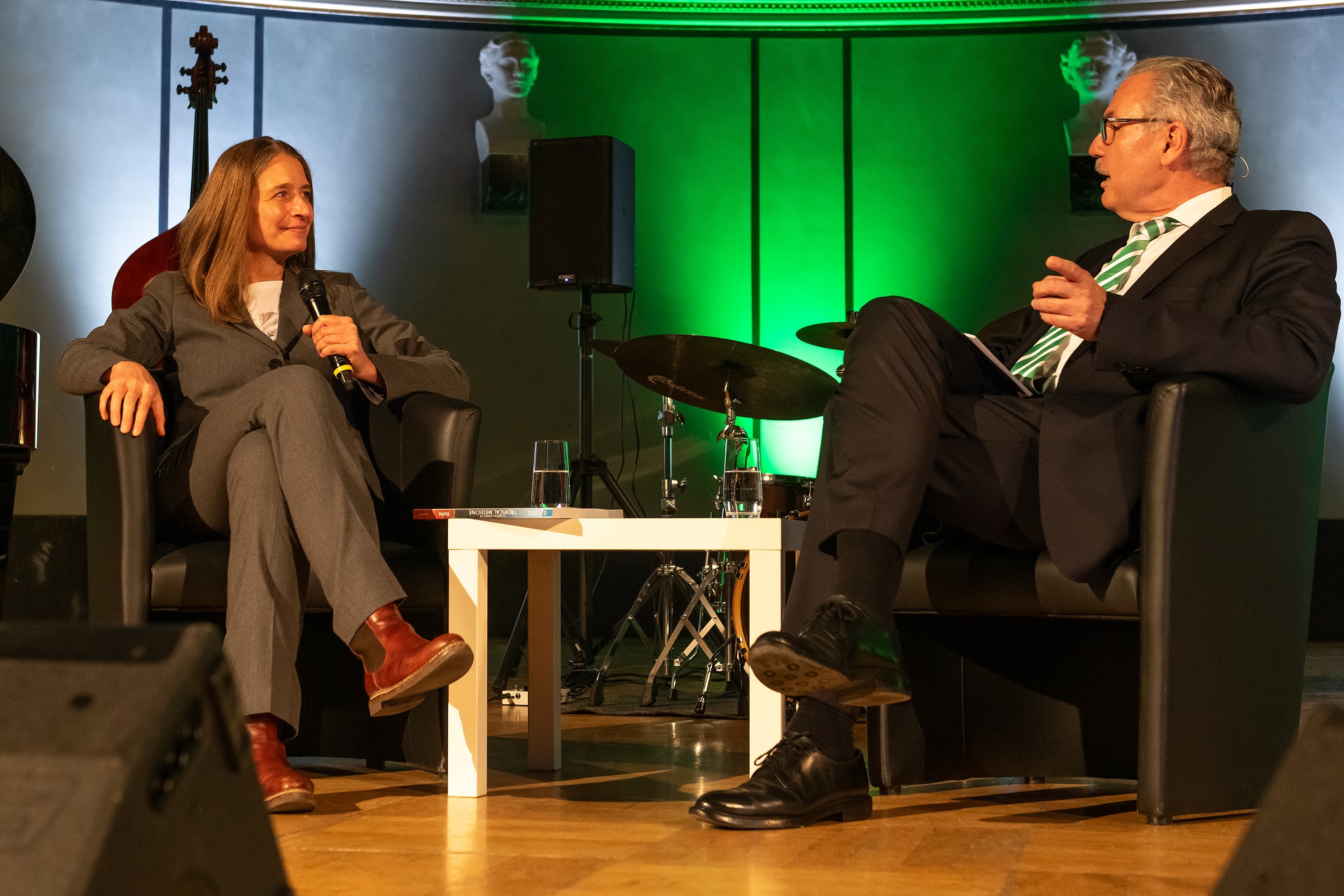
Infectious disease specialist PD Dr. Camilla Rothe from the Tropical Institute at LMU University Hospital spoke to Prof. Lerch about her work in Malawi and her experience of caring for an Ebola patient in a special isolation ward at the University Hospital Hamburg-Eppendorf. The amount of staff and protective material required was immense, said Rothe. She can now also contribute her experience to the LMU Clinic, where a special isolation ward is currently being planned for the new building and the teams are already being trained for its operation. Camilla Rothe also explained how the tropical tiger mosquito, which can transmit diseases such as Zika, chikungunya and dengue fever, has managed to colonize southern and central Europe, including Germany, as a result of climate change and globalization: "Tiger mosquitoes have adapted perfectly to the modern human lifestyle," she explained. They could survive in large cities in minimal amounts of garbage, in which water collects, or in discarded car tires. When asked what the LMU Hospital could do in terms of sustainability, Camilla Rothe responded with a specific example of "intelligent, sustainable infection control": every year, around 15,000 people are vaccinated at the Tropical Institute, which means that 30,000 disposable gloves are used. These could be saved as gloves are not required for a vaccination and, from an infection medicine perspective, it is sufficient to disinfect hands beforehand.
Commitment to health education
The program concluded with an award ceremony: the physician, author, presenter and actress Dr. Marianne Koch received the Heinz Goerke Medal for her many years of support for LMU Medicine from Prof. Martin Canis, Deputy Chairman of the Association of Friends, Sponsors and Alumni of the University of Munich Hospital and Medical Faculty. "We are honoring a personality whose life's work combines science, medicine, but also media and medical ethics in an outstanding way," he said. Her commitment shows in an impressive way that science must not remain isolated in academic circles, but only develops its social relevance in dialog with the public. Marianne Koch thanked LMU Klinikum and Bayerischer Rundfunk, which had made it possible for her to contribute to public health education with the "BR Gesundheitsgespräch" for over 20 years.
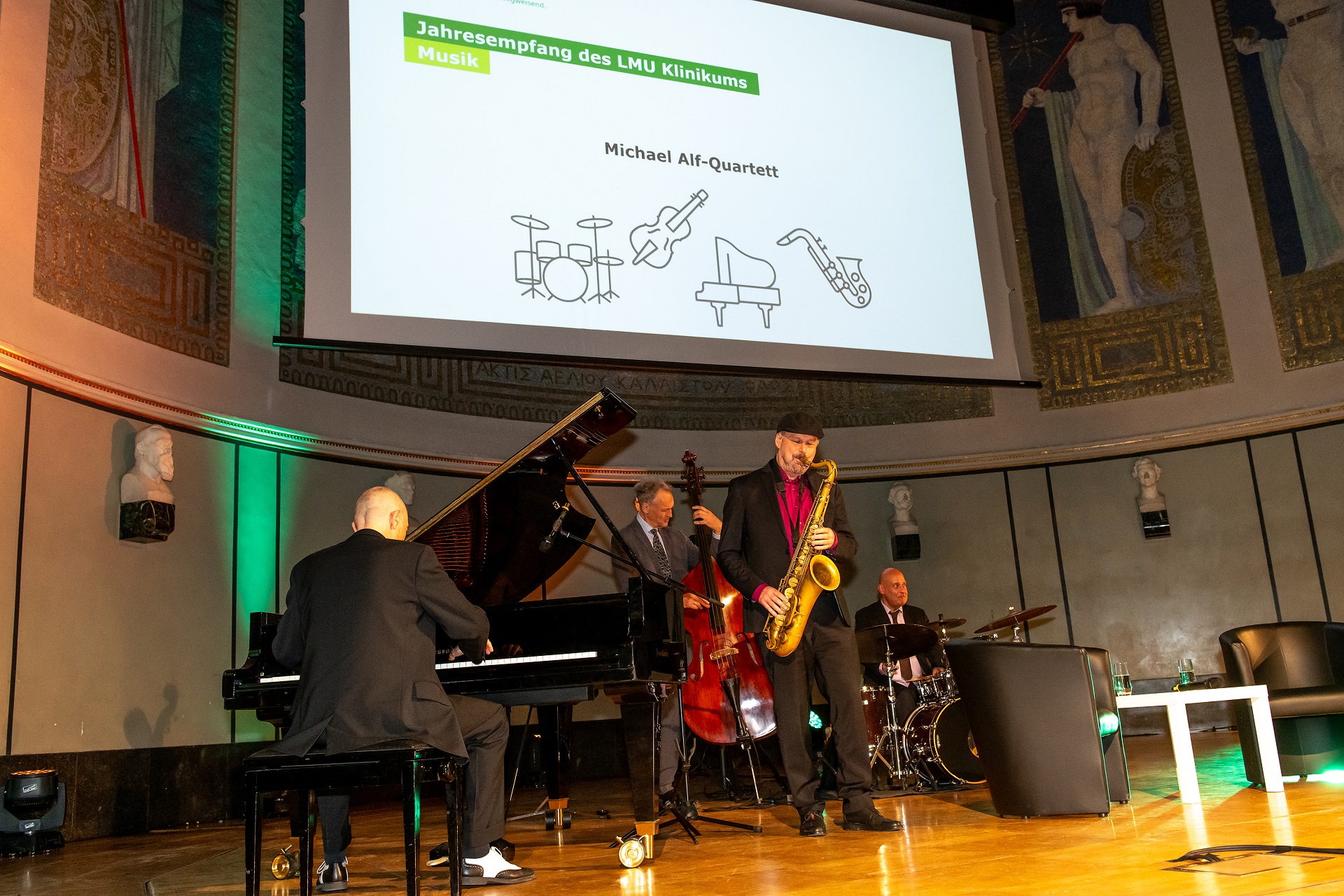
Musical accompaniment was provided by the Michael Alf Quartet with Wolfgang Kotsowilis on drums - incidentally a nurse at LMU Klinikum - Robert Friedl on alto sax, tenor sax and clarinet, Hans Baltin Junior on double bass and bandleader Michael Alf on piano.