International Women's Day 2025: Commitment to greater visibility and equal opportunities
There are considerably more women than men working at the LMU Clinic in all areas: From nursing to the medical profession, from administration to research and teaching. This makes it all the more important to take International Women's Day seriously. This year, we are focusing on science.
Although the proportion of female medical students is currently 67.6 percent, there is a noticeable decline in the proportion of women, particularly at the more advanced career stages. This is particularly evident in the doctorate (64.6%), habilitation (31.9%) and subsequent senior physician and head physician positions, where women continue to be severely underrepresented.
We want to address this on the occasion of International Women's Day on March 8. To ensure greater visibility, the hospital is launching a series of portraits of female scientists at LMU Medicine. We start with Prof. Nathalie Albert, Senior Physician at the Department of Nuclear Medicine and Prof. Louisa von Baumgarten, Senior Physician at the Department of Neurosurgery.
Together we are stronger
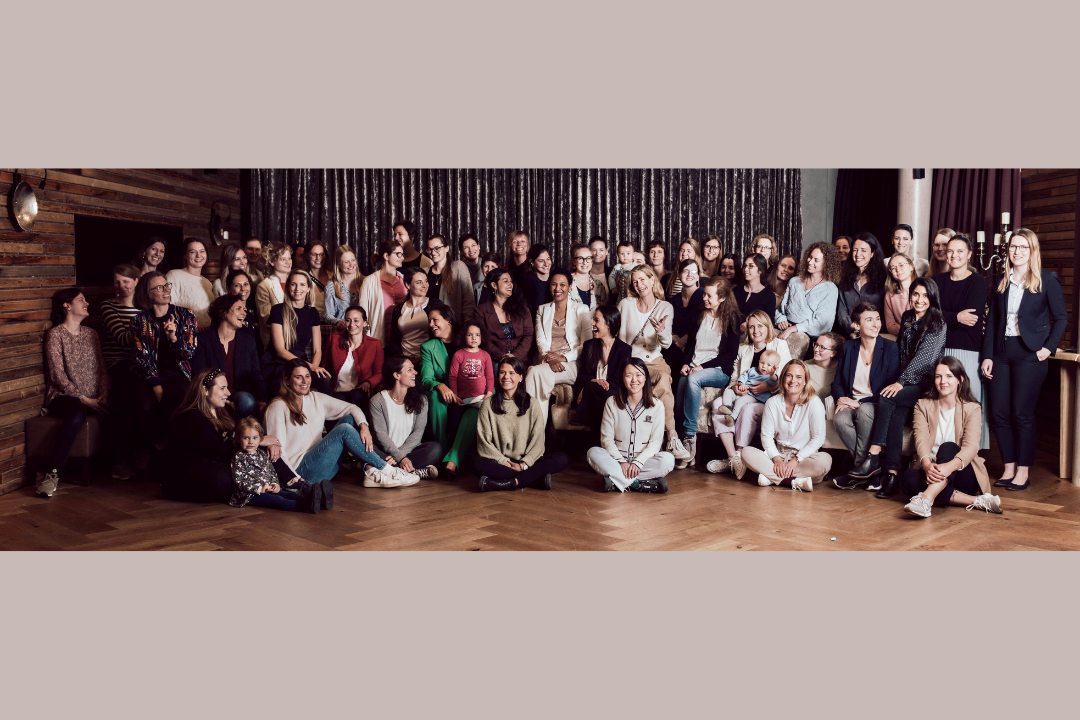
"You're so much stronger together," says Albert (video on the right). That's why she founded the FEMclub together with Prof. Louisa von Baumgarten. "A network in which women in science can support each other and exchange ideas."
"I've found that it helps to network and discuss topics," says Albert. That's exactly why the FEMclub was created: "No matter what career stage you're currently at, there are women who have already asked themselves exactly the same questions and faced exactly the same challenges." Instead of struggling alone, women can join forces in the FEMclub. The concept has now arrived in many major cities in Germany, as well as in Austria and Switzerland, and all women in scientific professions can become members.
Visibility helps
"For International Women's Day, I wish for what I wish for every single day of the rest of the year: more equal opportunities. That's why I want to support other women in my work and that's exactly why I co-founded the FEMclub," says Baumgarten. This also includes more support in balancing family and career planning, more visibility at board level and more consideration in the allocation of important positions.
Prof. Nathalie Albert gives tips for women interested in research.
Because the topic cannot be present enough: Over the next few months, we will be regularly presenting female scientists and the content of their research. They will talk about their experiences of success, their research, but also the difficulties they have encountered.
If you are now curious, you can find more information on the website (www.femclubmed.org) for anyone who would like to take part. Another point of contact for anyone interested is FAME. Female Academic Medical Excellence is a network of female university professors at the Faculty of Medicine that aims to create an inclusive and diverse faculty. The spokesperson is Prof. Marion Subklewe, Senior Physician at Ward L21. Insights into this will also be provided soon as part of this series.