Neonatology project receives three million euros in DFG funding
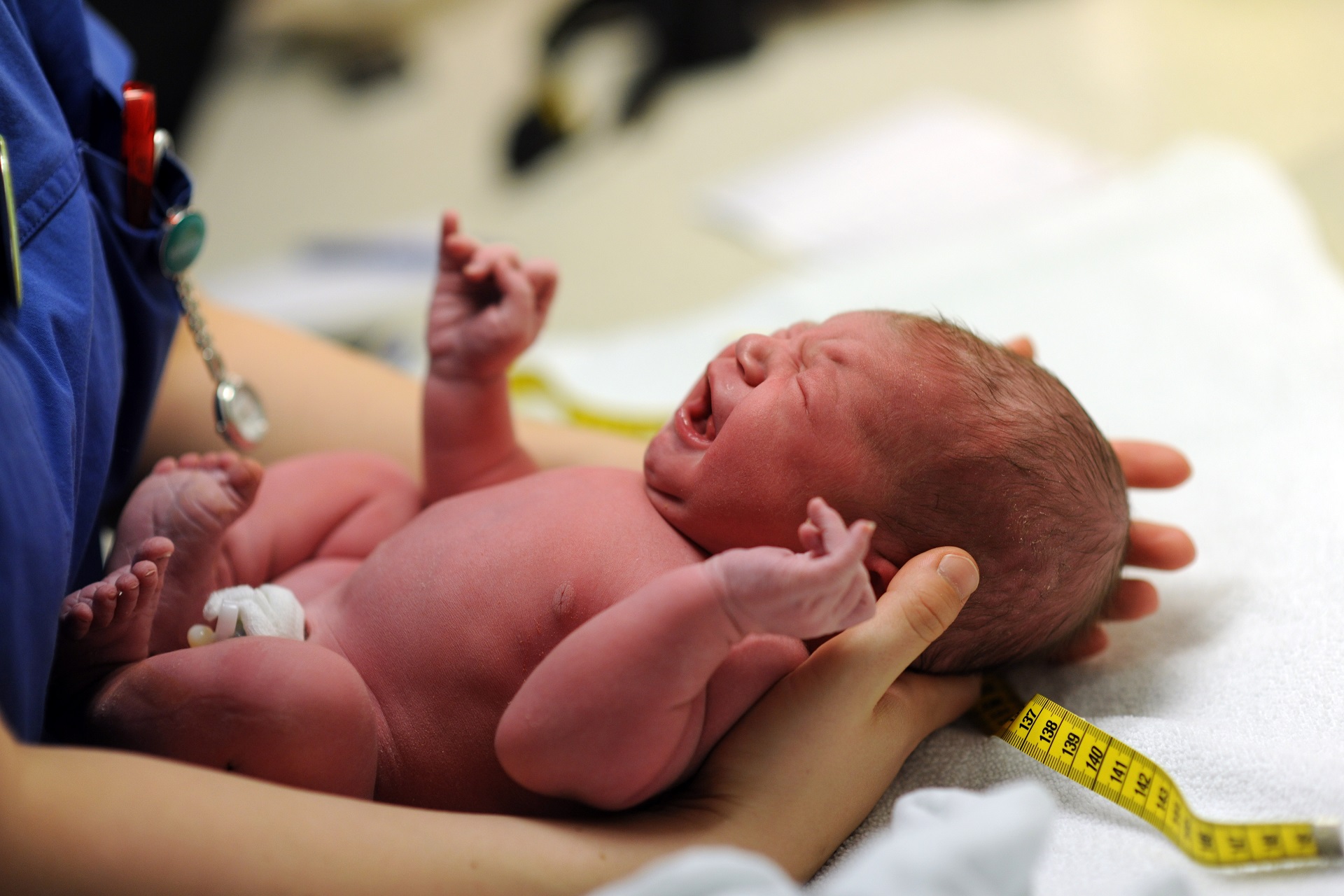
The day we are born is the most dangerous day of our lives. For premature babies in particular, the transition from the protected environment of the womb to independent breathing can be a major challenge. The lungs have to transform from a fluid-filled organ into an air-filled system in a very short space of time - a complex process that often does not function smoothly and for which premature babies require medical support in the form of positive airway pressure. Complications in this phase can have lifelong health consequences.
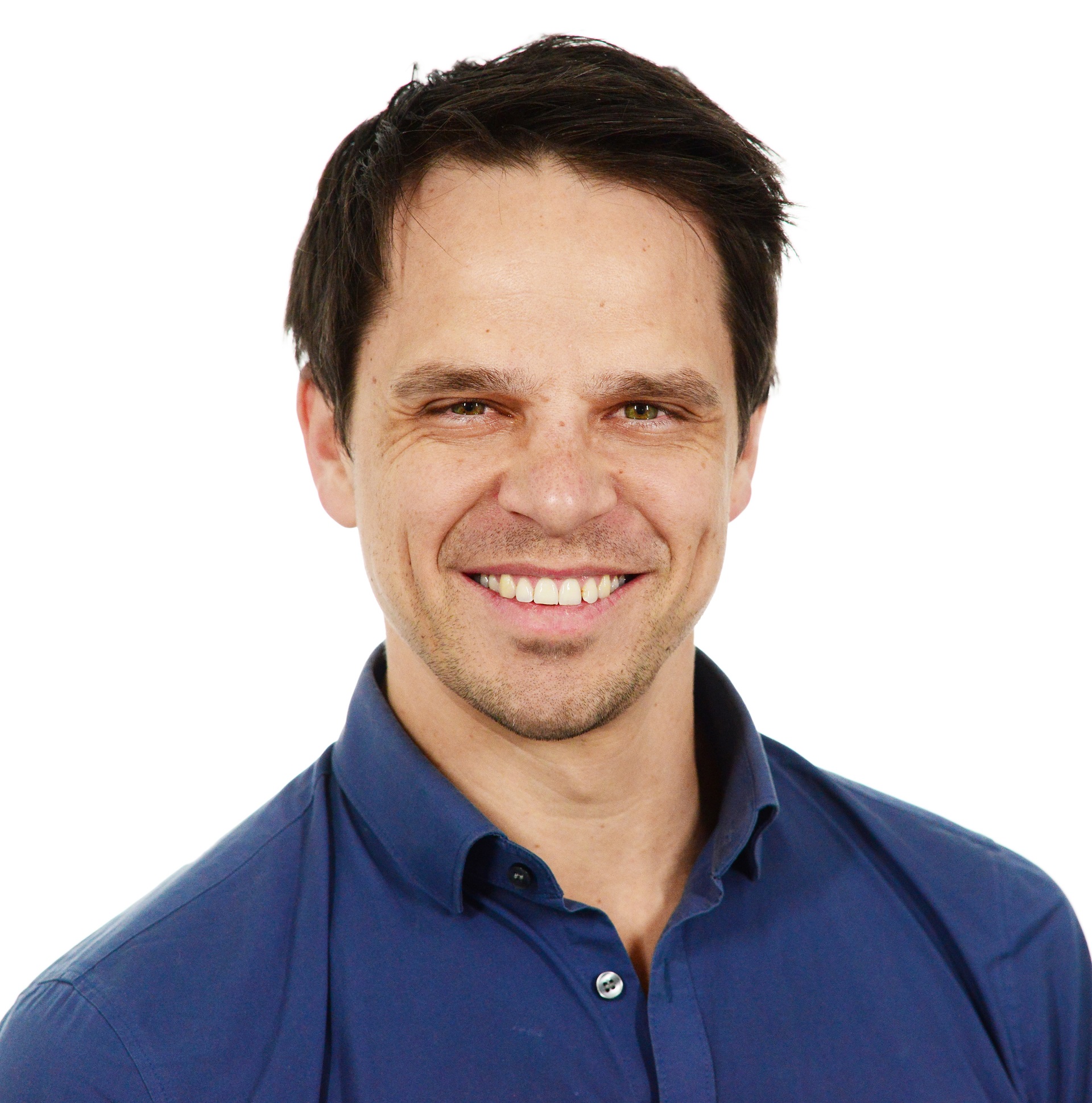
The research project "From EAGLE to LEOPARD" by Dr. Vincent Gaertner, a member of the neonatology team at the LMU Hospital and paediatrician at the Dr. von Hauner Children's Hospital as well as group leader of the DZL Munich site (CPC-M), focuses on precisely this point: Vincent Gaertner wants to better understand how this transition works and how premature babies can be optimally supported in the delivery room. The aim is to improve medical care in this critical phase of life and thus increase the chances of survival and the subsequent quality of life of newborn babies.
The German Research Foundation (DFG) is funding this project with over three million euros as an Emmy Noether Junior Research Group over a period of six years.
Understanding the first breaths after birth
The project has two main objectives: Firstly, to better research the natural adaptation of the lungs after birth, and secondly, to test a new clinical strategy for respiratory support of very premature infants. In order to better understand the physiological mechanisms behind the first breaths of life, the team is using an innovative measurement method: electrical impedance tomography (EIT). This involves a special chest strap with 32 electrodes that visualizes the air distribution in the lungs in real time and enables detailed analyses of lung physiology. These measurements are carried out immediately after birth on both full-term and very premature babies.
The aim is to answer the following key questions:
- How do the first breaths of premature and mature babies differ?
- What role do the birth method (caesarean section vs. natural birth) and the time of weaning play in postnatal adaptation?
- How do medical measures such as ventilation or different levels of ventilation affect different lung volumes?
The findings will be tested in a large-scale, multicenter, randomized controlled clinical trial, for which the Neonatology Department at the LMU Hospital is now in charge.
About the Emmy Noether Program
The DFG's Emmy Noether Program gives outstandingly qualified young researchers the opportunity to qualify for a university professorship by independently leading a junior research group over a period of six years. More information is available at: www.dfg.de/de/foerderung/foerdermoeglichkeiten/programme/einzelfoerderung/emmy-noether
Contact:
Dr. med. Vincent Gaertner
Neonatology, Children's Hospital and Children's Polyclinic at the Dr. von Hauner Children's Hospital, LMU Klinikum