News | 19/11/2025
12th World Pancreatic Cancer Day on November 20, 2025

Pancreatic cancer: diet is also an important therapeutic factor

Anyone who has pancreatic cancer should discuss and plan their diet as part of a qualified consultation. should discuss and plan their diet as part of a qualified consultation - this is what the World Pancreatic Cancer Coalition (WPCC) is pointing out on the occasion of the 12th World Pancreatic Cancer Day. "It is important that care is part of the therapy concept right from the start," emphasize nutritionist Sarah Löhnchen from the Nutrition and Cancer Advice Center at the Tumor Center Munich in the patient house of the CCC Munich and dietician Fanny Daume from the Interdisciplinary Center for Dietetics and Nutritional Medicine (IZDE) at the LMU Hospital.
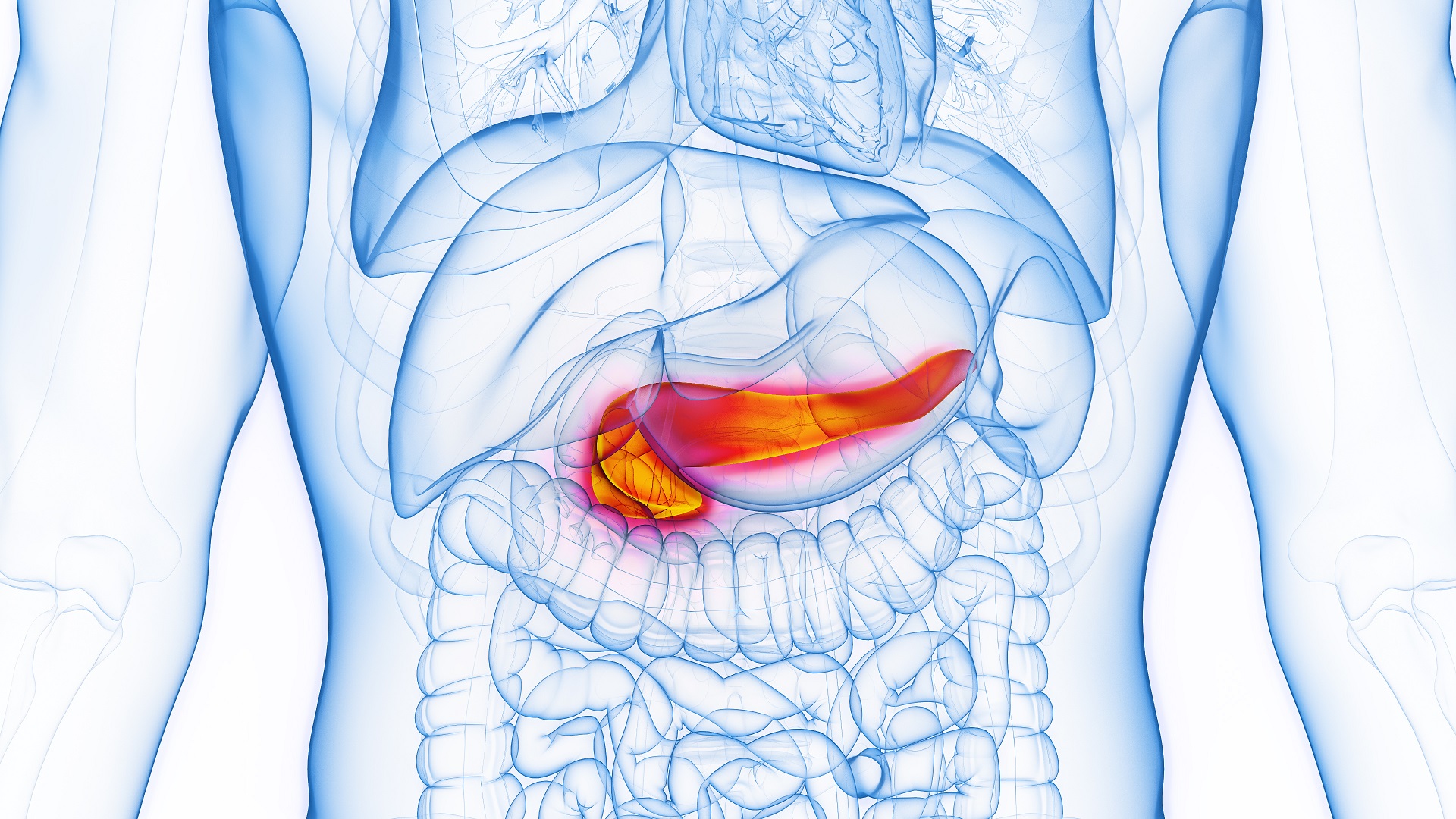
November 20, 2025 is World Pancreatic Cancer Day

Ms. Daume, patients with pancreatic cancer often suffer from symptoms of malnutrition as soon as they are first diagnosed. What is the reason for this?

Fanny Daume: A fundamental task of the pancreas is the production of pancreatic enzymes, which are essential for digestion. A tumor, for example on the head of the pancreas, can lead to the pancreas only being able to do this to a limited extent. This often results in digestive disorders, which are not only very stressful for those affected, but also stand in the way of an adequate and balanced diet. This is one of the reasons why patients with pancreatic cancer tend to have a particularly high risk of malnutrition ...

Sarah Löhnchen: ... which makes it all the more important that they receive support from nutrition experts right from the start. Qualified nutritional advice given at an early stage can make a big difference and help patients to find it easier to eat again. And an adequate diet is particularly important right now, as it can alleviate symptoms and ensure that those affected feel more strength and energy again. Good nutritional status is also essential for a positive course of treatment.

What does "right from the start" mean in concrete terms?

Fanny Daume: We are contacted immediately after the initial diagnosis, with an initial consultation usually following just a few days later. The first step is to assess the current nutritional status as part of a nutritional screening: Has the patient lost weight in the last three to six months? Does he or she suffer from a loss of appetite and/or digestive problems? Are they eating less than normal? Are there any foods or types of preparation that are no longer well tolerated? The answers then form the basis for the individual dietary recommendations.

Even though patients should eat as appropriately as possible for their individual health situation, are there any dietary recommendations that apply to all pancreatic cancer patients?

Sarah Löhnchen: The focus is usually on a diet that not only contains sufficient nutrients, but is also rich in protein and, above all, energy-dense. "Energy-dense" means that the same amount of food contains more calories. The easiest way to achieve this is to consume energy-rich drinks and high-fat foods spread over several meals a day. Additional meals a day can also be useful. If adjusting eating habits is not enough, it is advisable to supplement the daily diet with high-calorie drinkable foods. If patients suffer from a fat digestion disorder with fatty stools and diarrhea because the pancreas releases hardly any or no more digestive enzymes such as lipases into the small intestine, pancreatic enzyme replacement therapy is usually also necessary to effectively replace the missing digestive enzymes.

How does pancreatic enzyme replacement therapy work?

Fanny Daume: The enzyme preparations are taken in sufficient quantities with every meal containing fat - including between meals or when consuming fatty drinks. The dosage is determined individually, depending on the severity of the enzyme deficiency, but also on the fat content of the food. Many pancreatic cancer patients benefit from pancreatic enzyme replacement therapy and cope well with it after a detailed consultation. Pancreatic enzyme replacement therapy is usually indispensable if the affected parts of the pancreas, such as the pancreatic head, or the entire organ have been surgically removed. In the latter case, patients are also insulin-dependent.

What advice do you give your patients if symptoms cannot be sufficiently alleviated despite the measures taken or if new symptoms occur?

Sarah Löhnchen: In this case, you should not be afraid to contact us immediately! Minor adjustments such as changing the dosage of pancreatic enzymes or replacing incompatible foods with more digestible alternatives are often enough. If necessary, a dietary protocol can also help to identify patterns and correlations between food and symptoms. It is not advisable to wait and hope that the symptoms will disappear on their own.


To the press release "First laboratory test established for the early diagnosis of pancreatic cancer in high-risk patients"

Date reference:

On the occasion of the 12th World Pancreatic Cancer Day on November 20, 2025, the Pancreas Center of the LMU Klinikum is organizing a Webex event on the topic: "Precision, progress and interdisciplinarity in pancreatic cancer treatment".

To the program flyer

Contact

Fanny Daume

Interdisciplinary Center for Dietetics and Nutritional Medicine, LMU Hospital

Sarah Löhnchen

Advice center for nutrition and cancer at the Tumor Center Munich in the patient center of the CCC Munich, LMU Hospital

Inpatient and outpatient nutritional consultations are only carried out on medical referral by the medical staff of the LMU Clinic

Originally translated with DeepL