Research with human tissue - the basis for progress in medical research
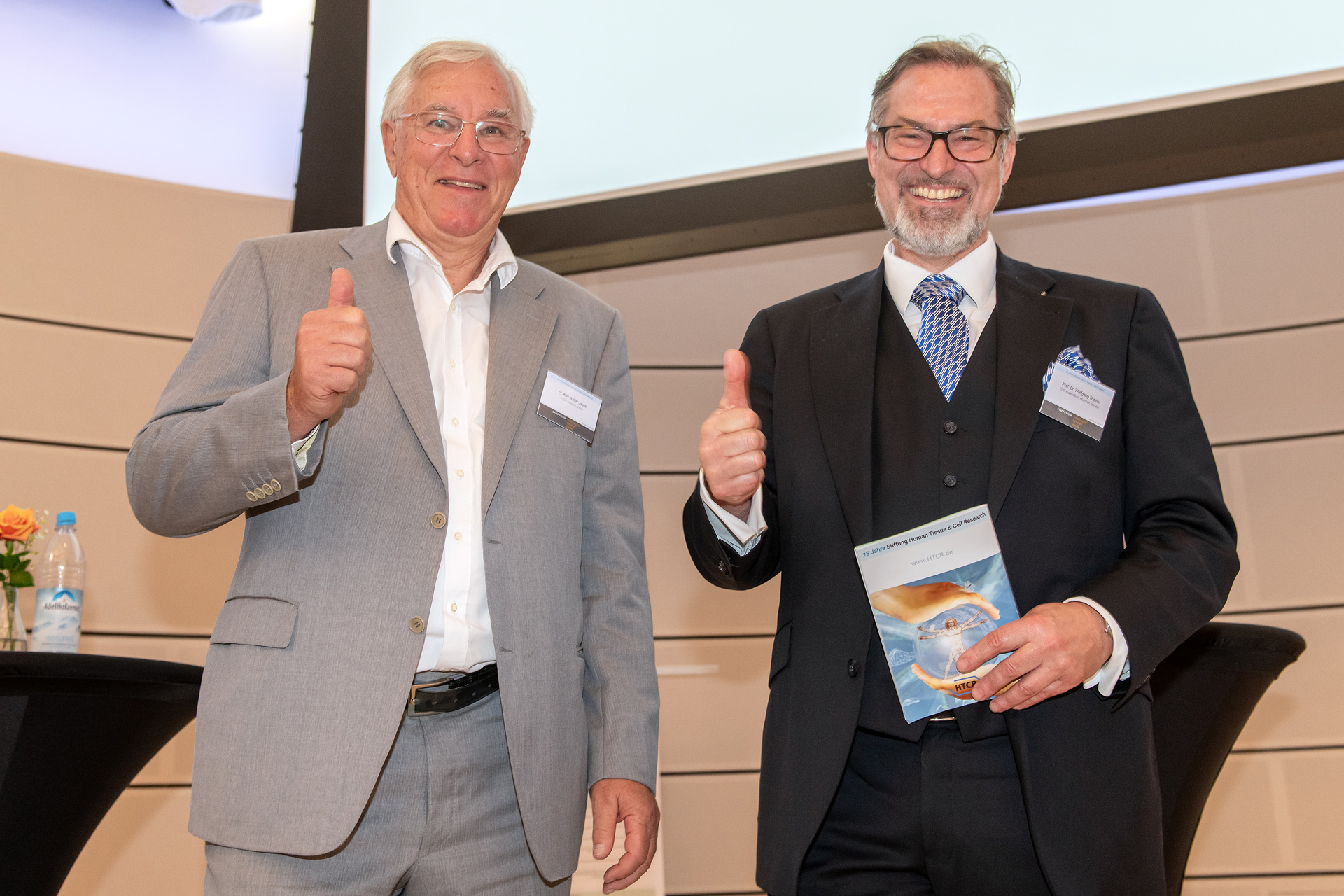
A few days ago, the HTCR Foundation celebrated its 25th anniversary. Since then, it is no longer just liver cells that are provided by the tissue bank, but blood, skin, fat or tumor and inflammatory tissue. "Research with human tissue and cells has undergone a major transformation in these 25 years and at the same time has become increasingly important for understanding diseases, diagnostics with biomarkers and personalized therapy approaches," says Prof. Karl-Walter Jauch, current Chairman of the Foundation. Prof. Dr. Wolfgang Thasler, now Chief Physician at the Red Cross Clinic in Munich and Chairman of the Foundation Board, emphasizes: "Decisive progress in the further development of personalized diagnostics and therapy requires human biosamples and patient data."
At the symposium on May 14 in the St. Vincent House of the LMU Clinic on the city center campus, it was pointed out in particular that research does not only mean basic knowledge. Collaboration with pharmaceutical companies is indispensable, after all, these companies have highly developed expertise and the financial resources to develop concrete products, such as diagnostic procedures or drugs, from the knowledge generated in research. Current partners include Roche, Boehringer Ingelheim, Daichii-Sankyo and other companies.
Prof. Dr. Thomas Gudermann, Dean of the Faculty of Medicine at LMU, confirms the importance of the collaboration: "The critical examination of tissue/cell culture technologies through to stem cell research and hybridomas in conjunction with genetic and molecular omics techniques is a prime example of multidisciplinary collaboration across institutions. Only through collaboration between university and extramural research through to start-ups and research-based pharmaceutical companies can significant progress be made."
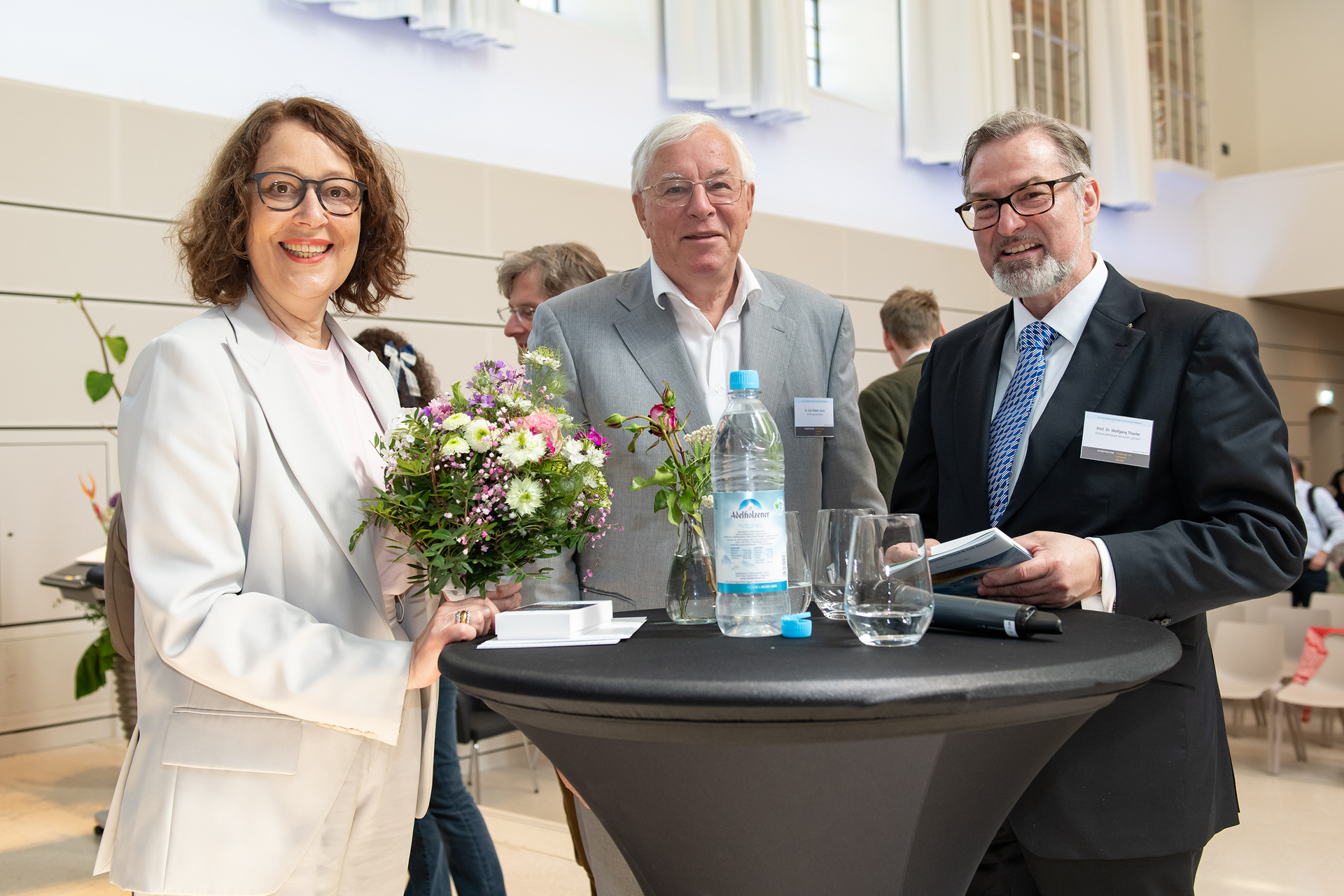
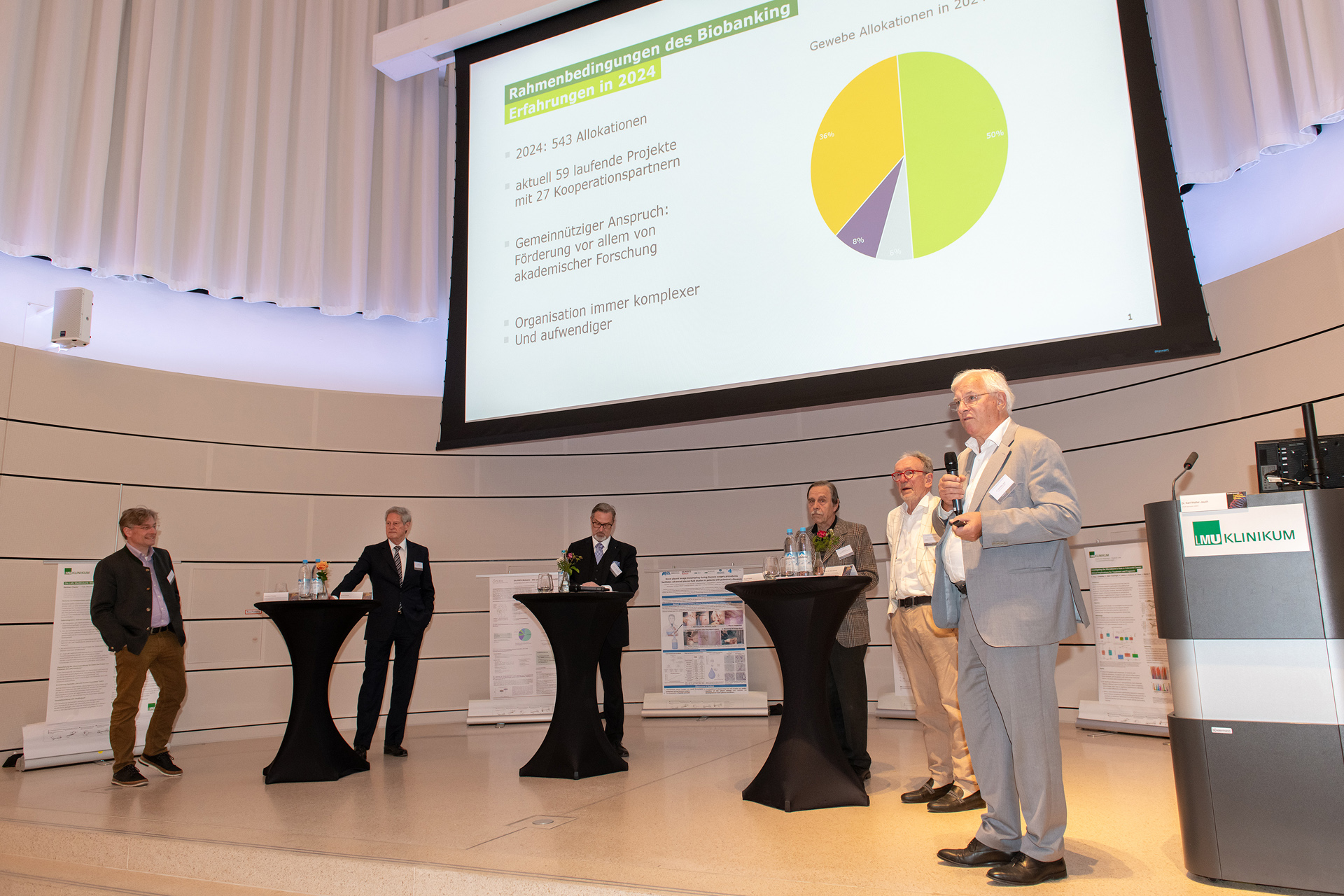
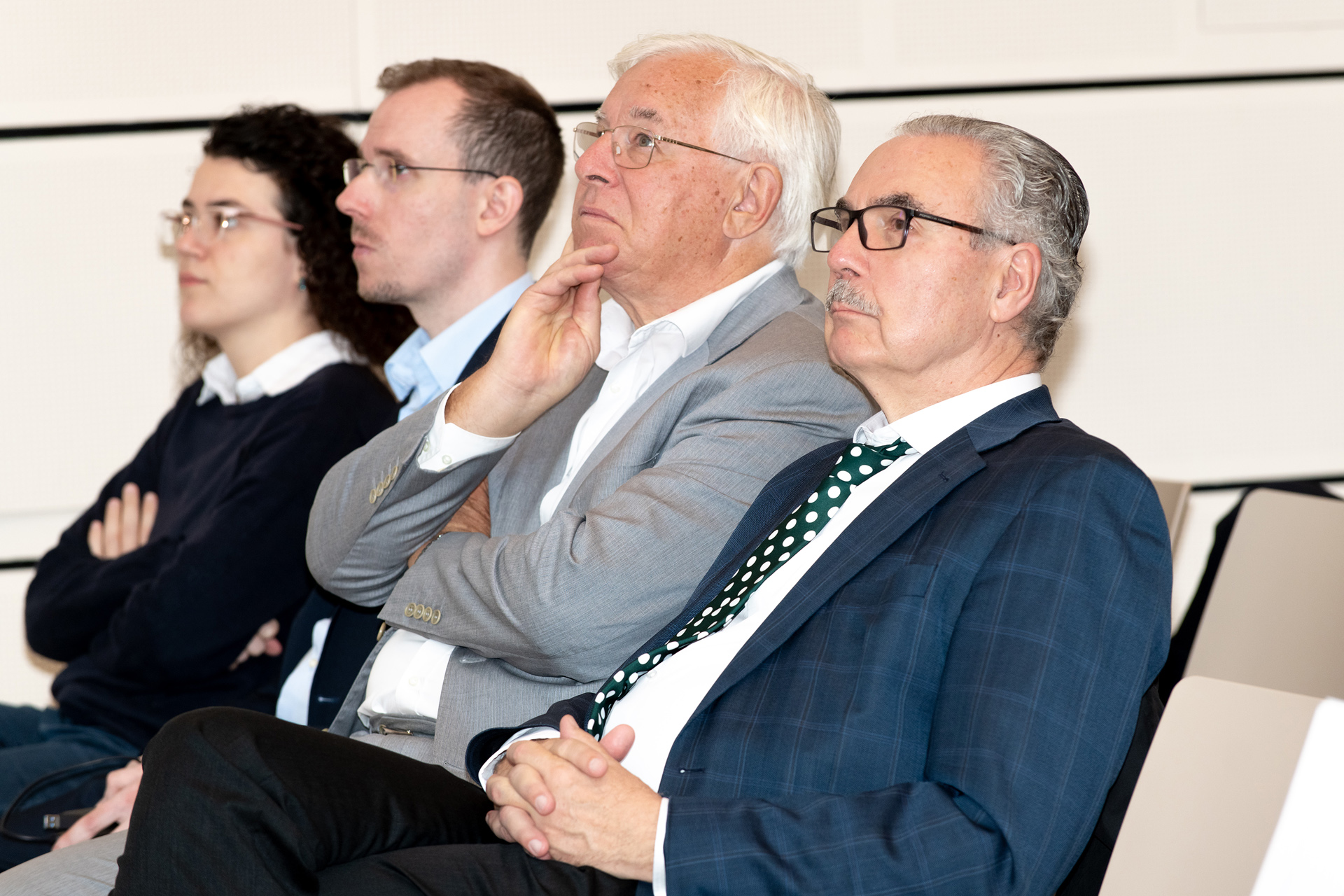
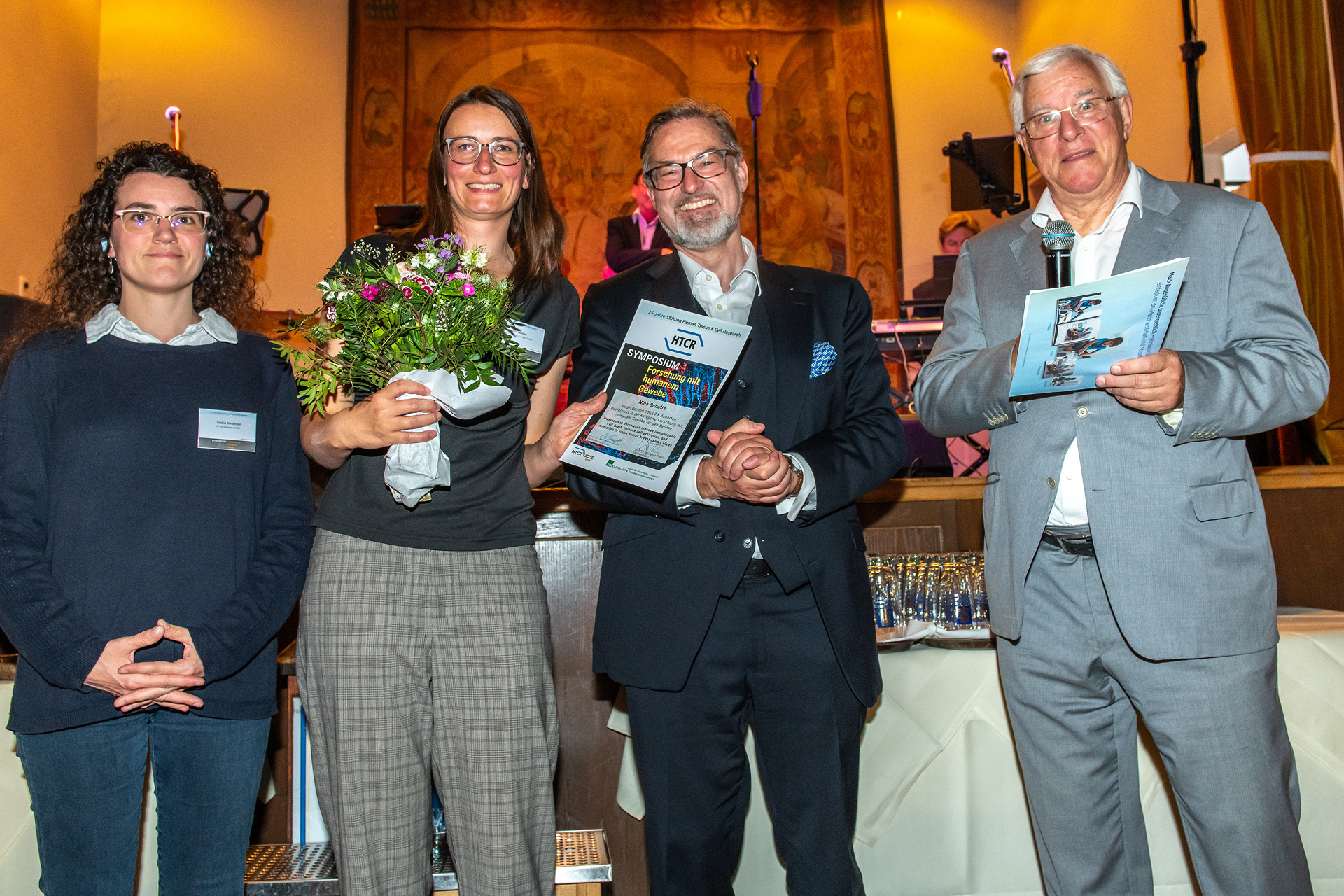
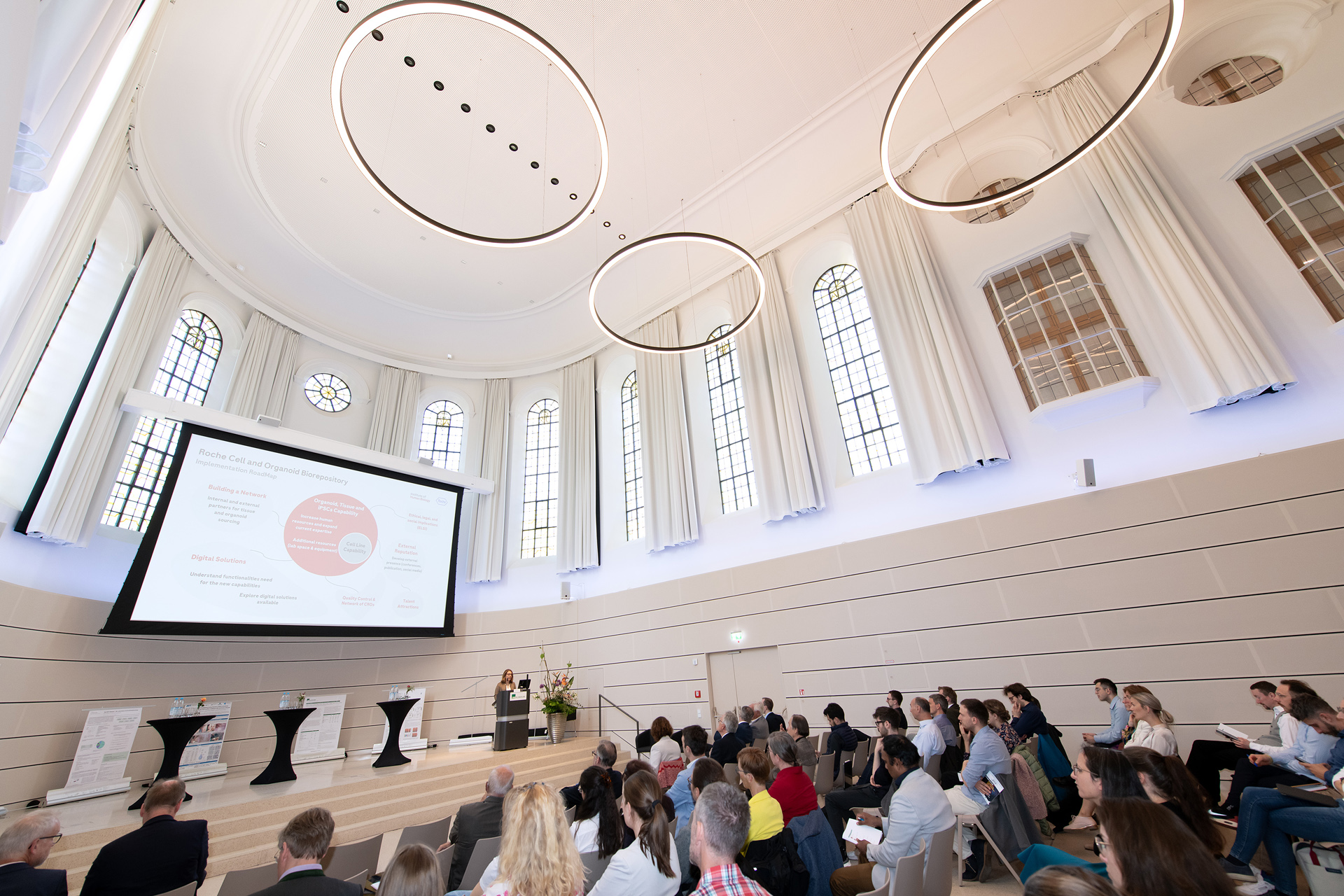
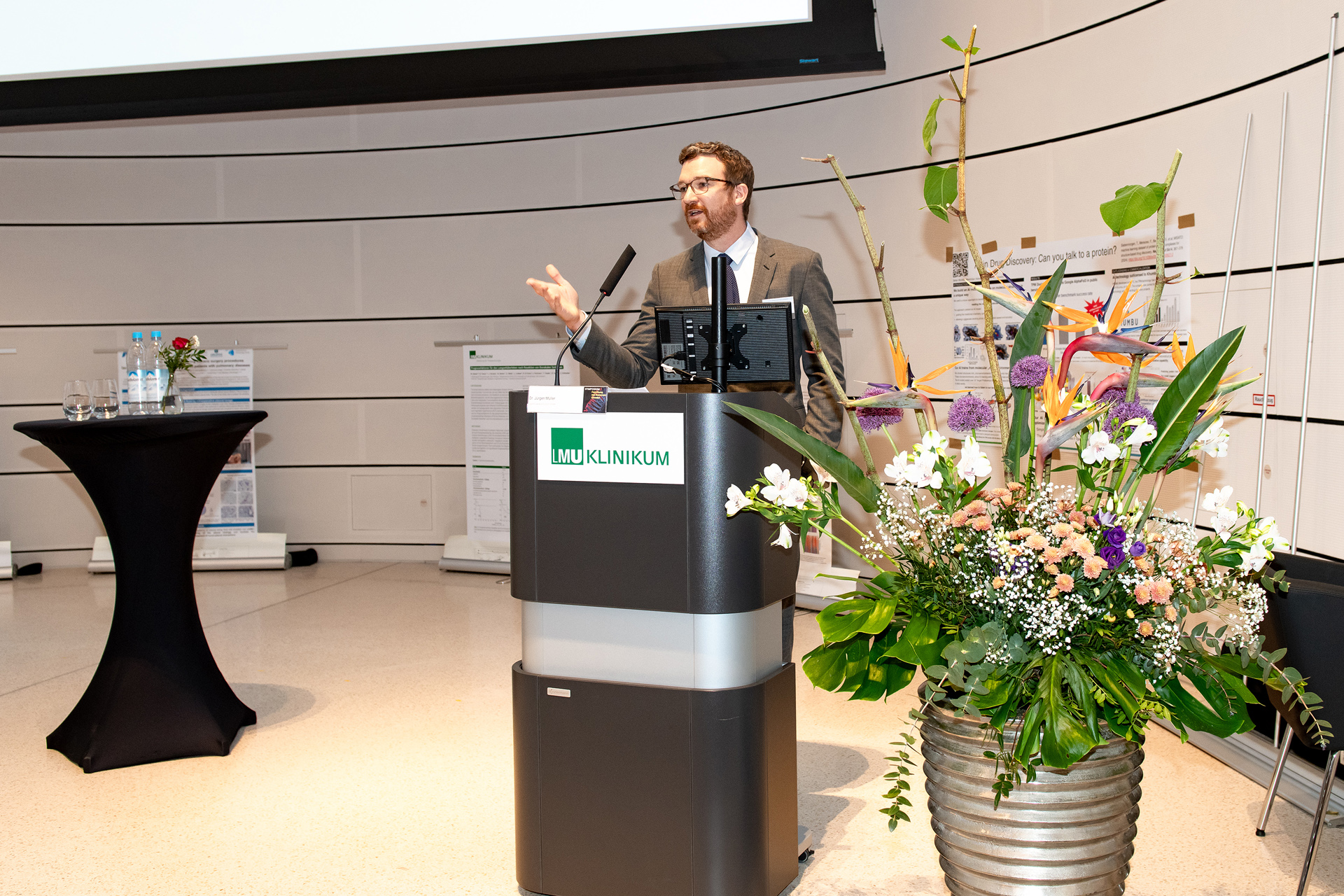
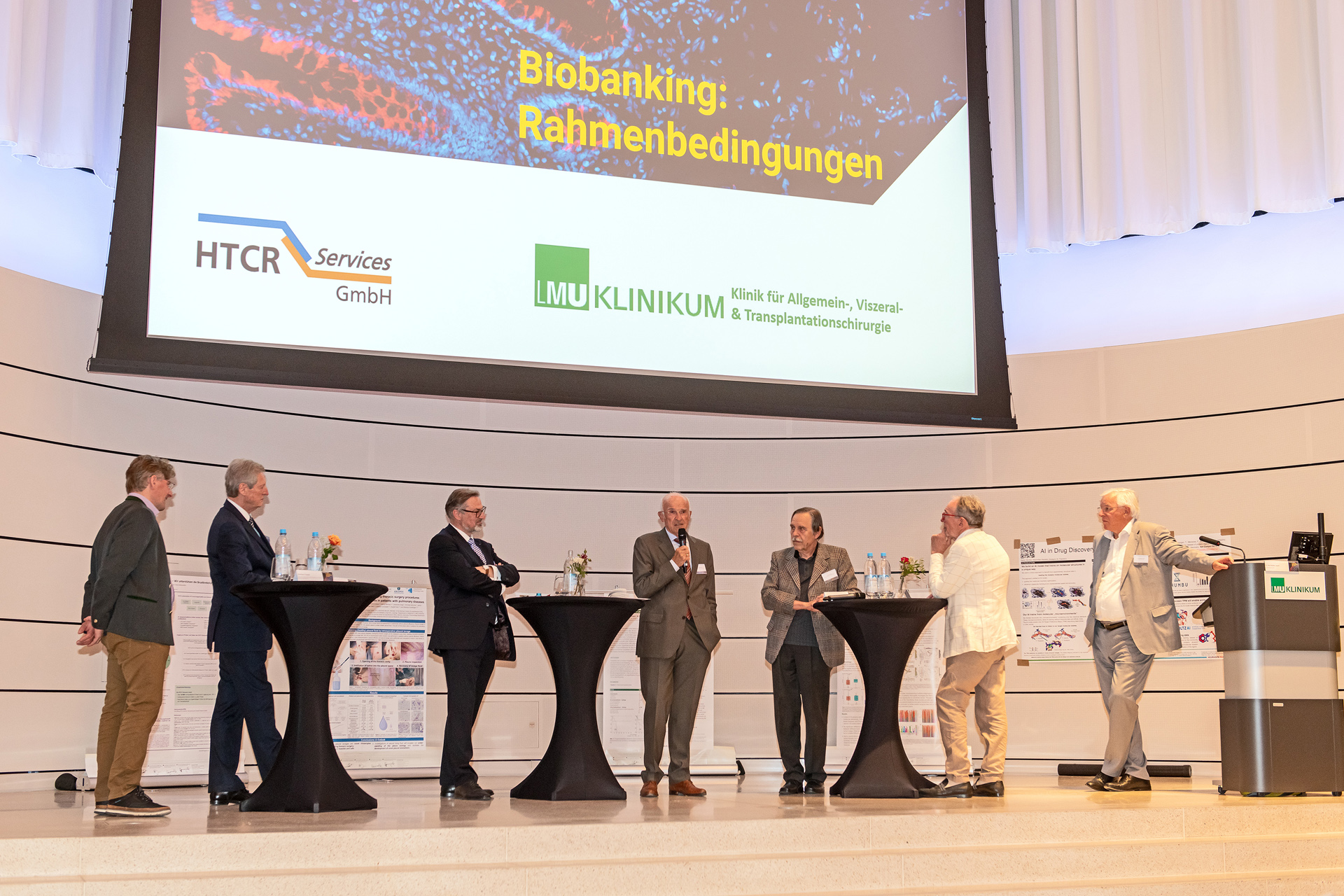
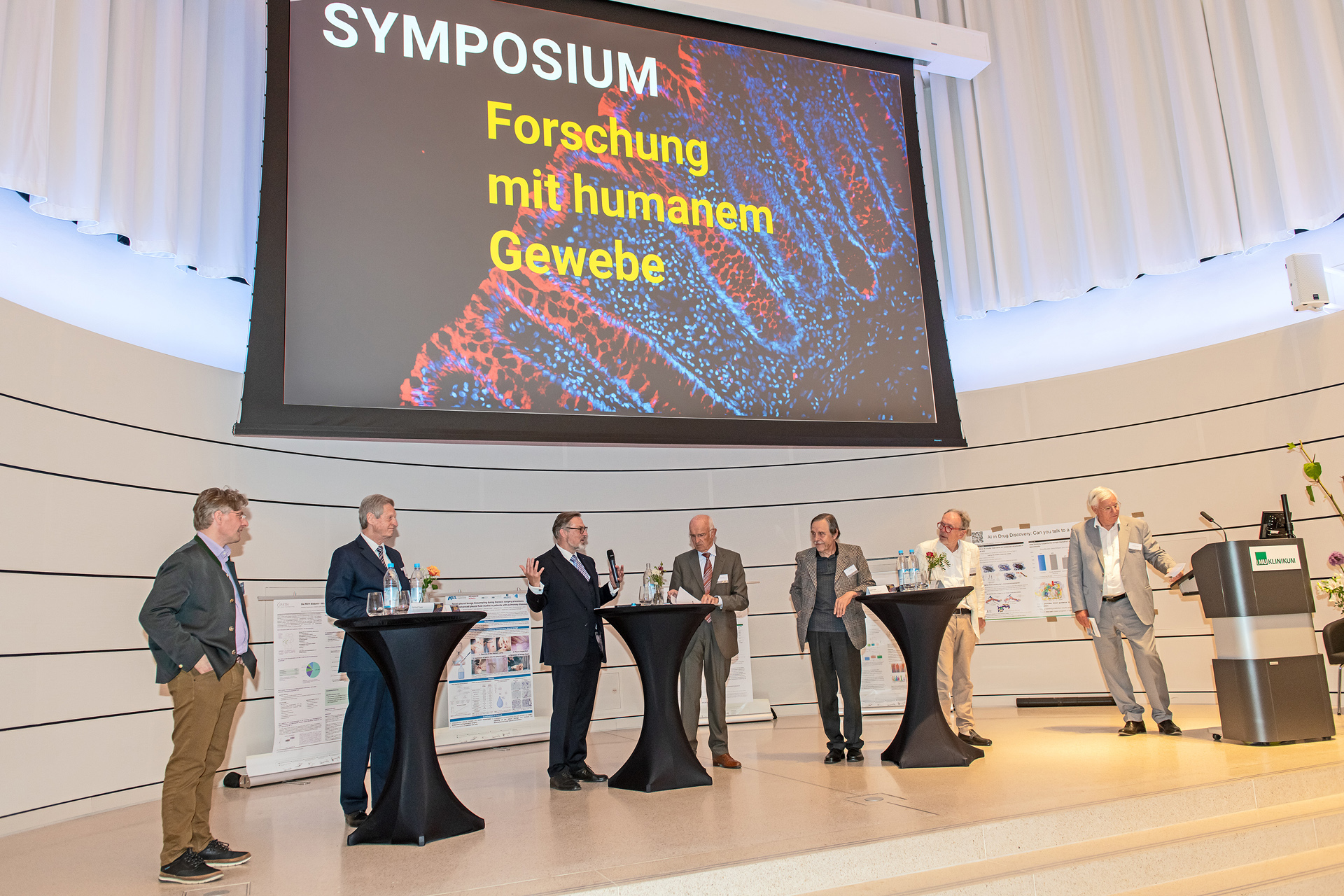
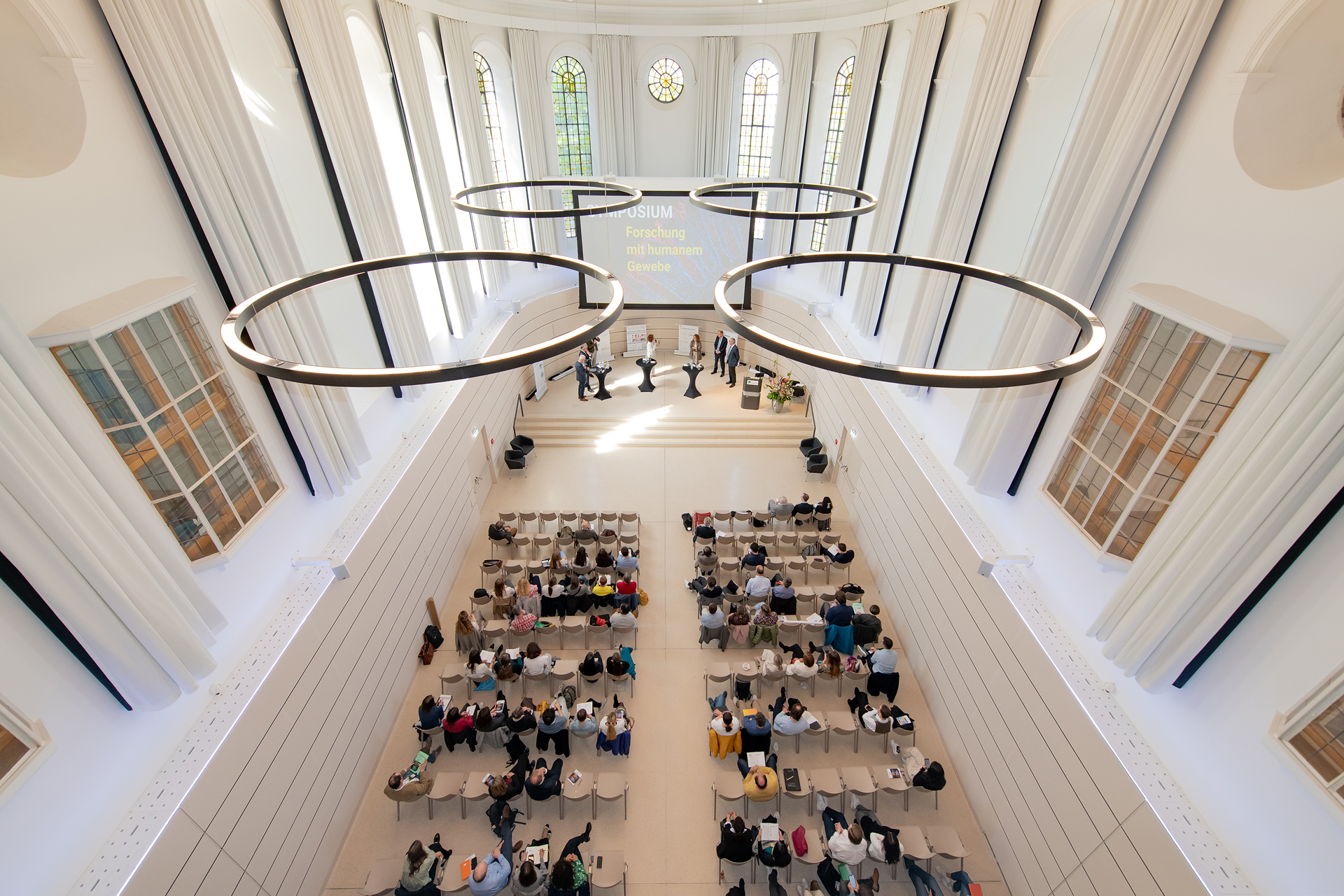
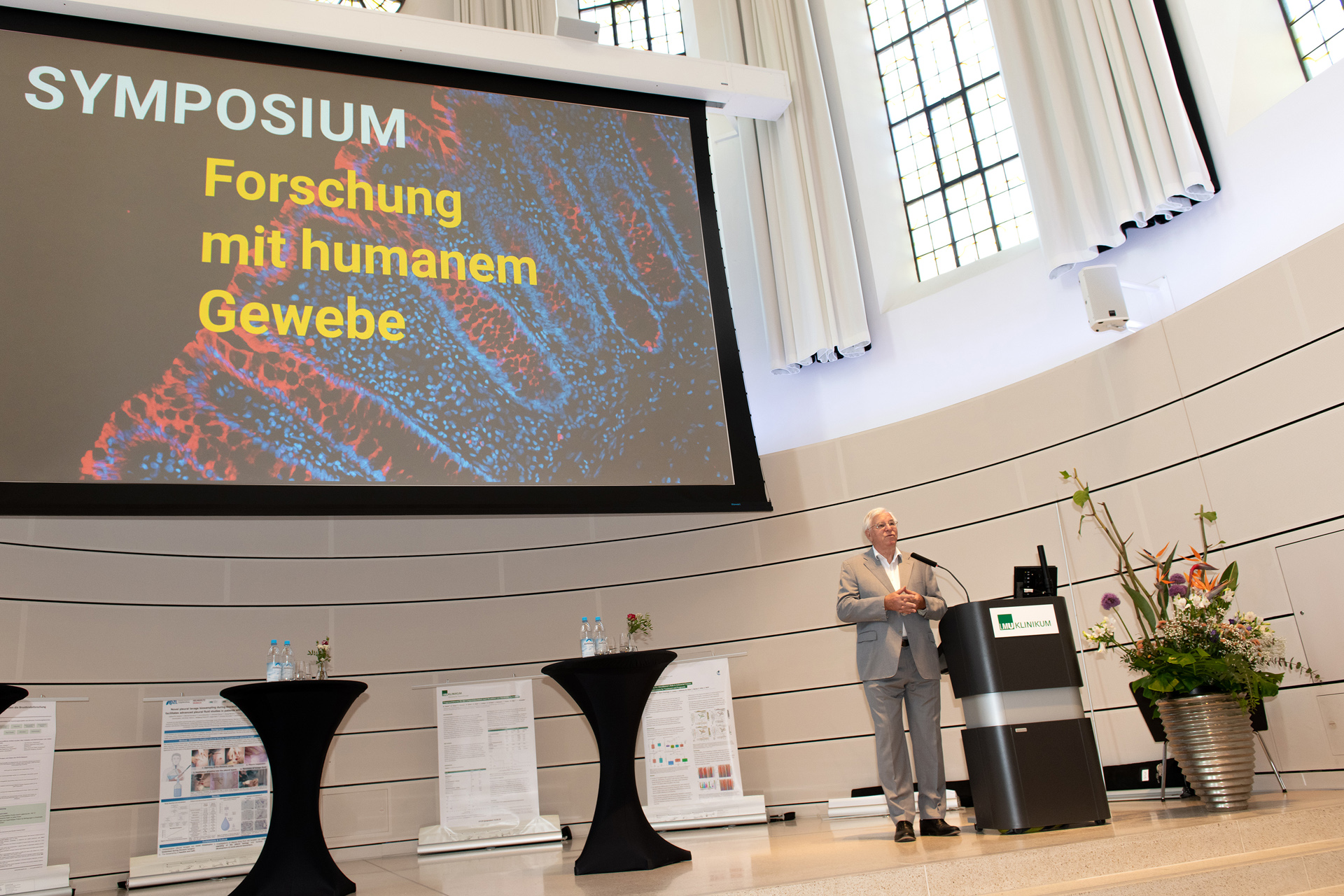
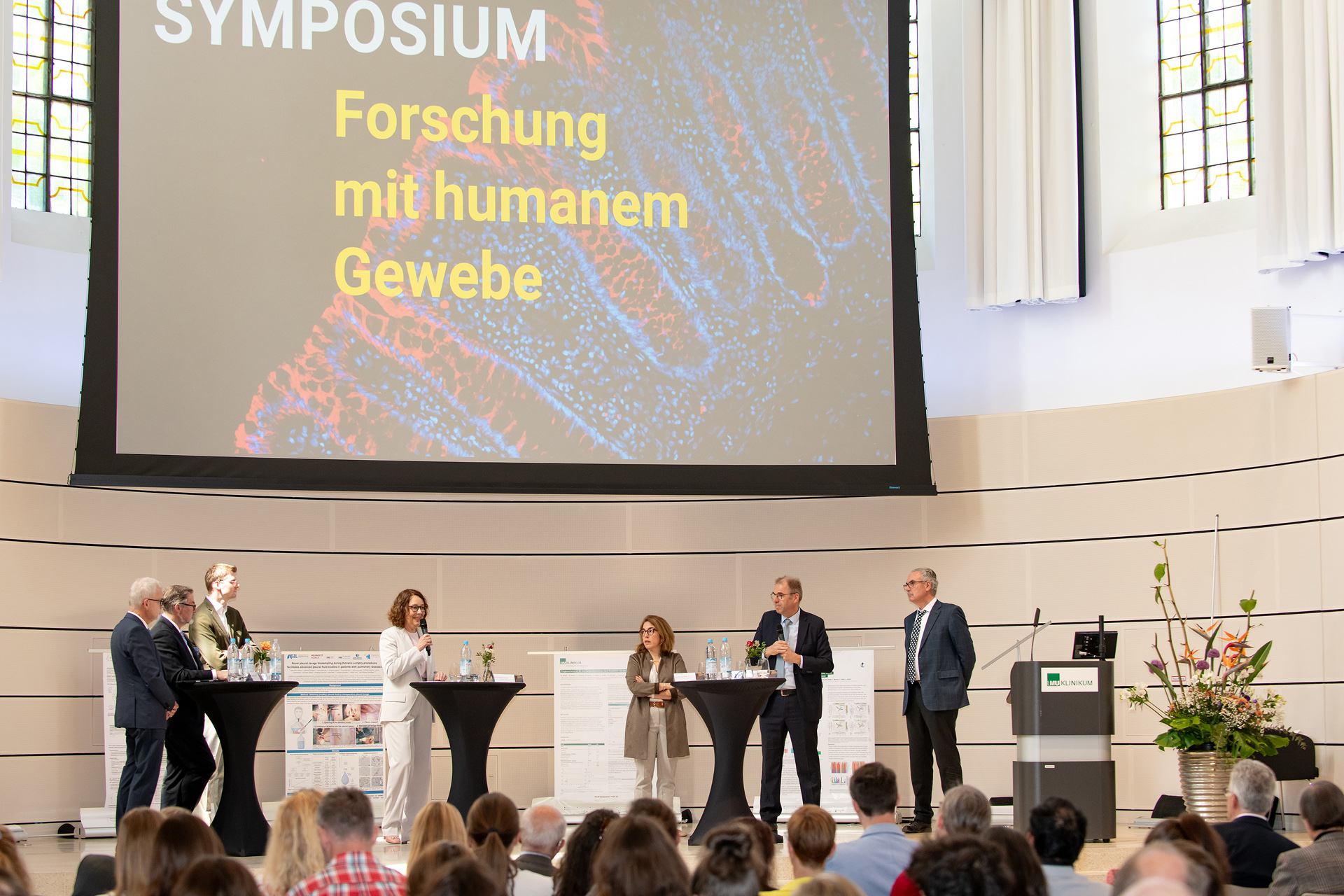
Impressions from the symposium on 25 years of the HTCR Foundation
Quality and trust are the most important currencies of biobanks
At the same time, these methods further contribute to reducing the number of animal tests required, says Gudermann: "The FDA (U.S. Food and Drug Administration) has taken concrete steps in recent years to reduce, improve or replace animal testing in drug development. A key example of this is the New Alternative Methods Program (NAMs), which is part of the FDA's larger strategy to promote non-animal approaches."
Prof. Dr. Markus M. Lerch, Medical Director of the LMU Klinikum and Chairman of the Board, sums up: "HTCR is one of the most sustainable resources for biomedicine, which was launched as a foundation by Prof. Karl-Walter Jauch 25 years ago. Researchers at the LMU Clinic and elsewhere are still benefiting greatly from it today. It is a model and benchmark for many biobanks, tissue collections and the backbone of the LMU MedBiobank." In addition to the tissues and cells, the corresponding data is also collected here in anonymized/pseudonymized form and is available for research questions. "The most important factors for a successful MedBiobank are: the clinical data of the patients, a structured process for storage and evaluation as well as the trust of the collecting institution of data and biosamples in the cooperation with partners," says Lerch.
Prof. Dr. Jens Werner, Director of the Clinic for General, Visceral and Transplant Surgery at the LMU Clinic, emphasized the close connection between patient tissue donation and progress in research, but also indirectly in patient treatment.
Dr. Mirjana Kessler, LMU Clinic for Gynaecology and Obstetrics, and PD Dr. Barbara Mayer, Clinic for General, Visceral and Transplant Surgery, presented specific examples. This involves tiny organs or tumors: researchers use such organoids to investigate diseases or the effects of drugs. "The organoids reflect the original properties of the organs or tumors one-to-one. We can then observe them under the microscope and work with them," says Dr. Mirjana Kessler, who is researching ovarian cancer with her team and creating organoid cultures of precisely this tumor.
The advantage of this? "Organoids react in exactly the same way as humans, which is why we can tailor drugs to the individual patient," explains Dr. Barbara Mayer. She also examines tumors using organoids and has also spun off a company with the system she helped develop.
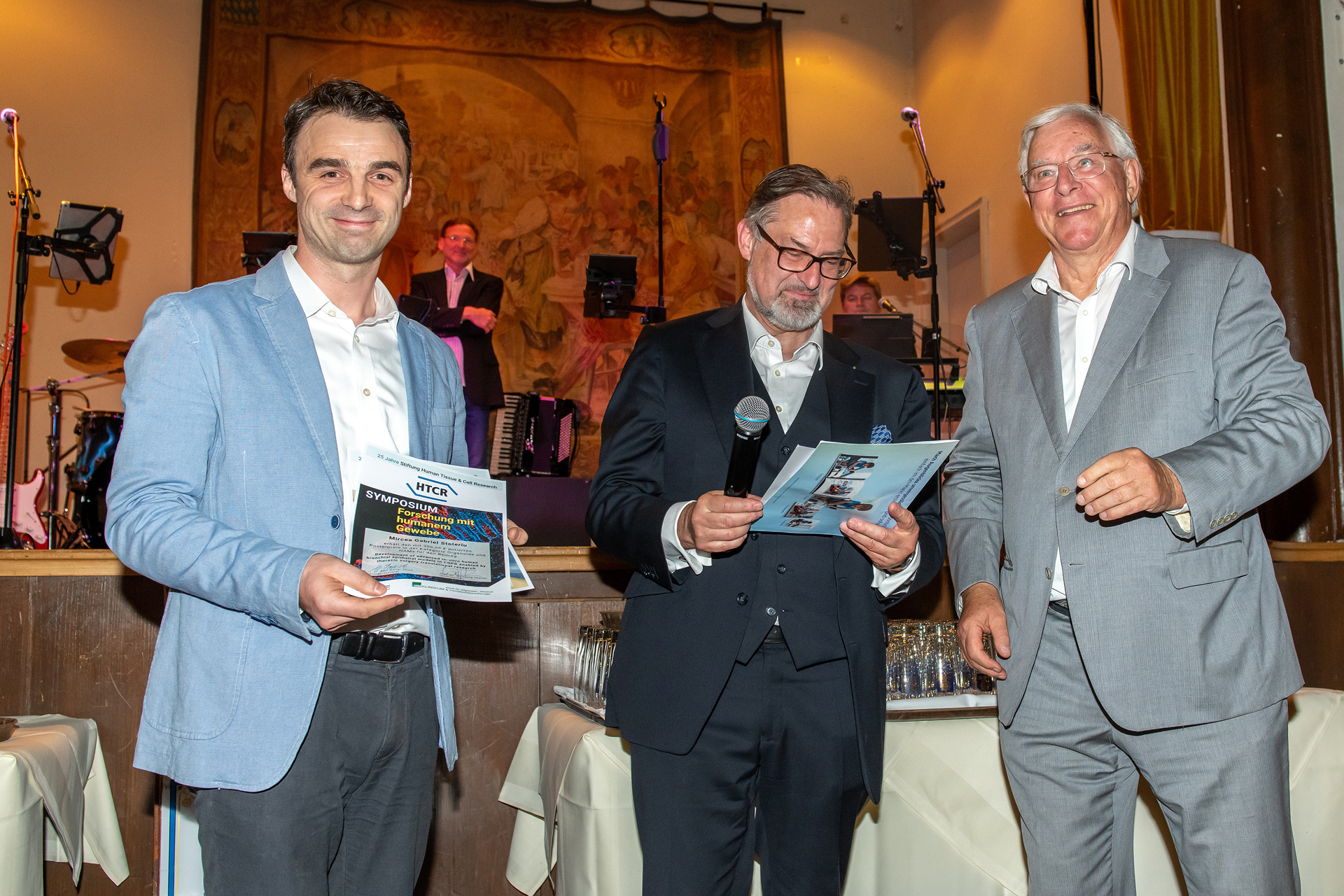
The event was well attended with around 160 participants and, in addition to the information and discussion on the presentations and the poster prizes awarded to young researchers in the evening, provided an excellent opportunity for networking.