SyNergy Cluster of Excellence: combating brain diseases
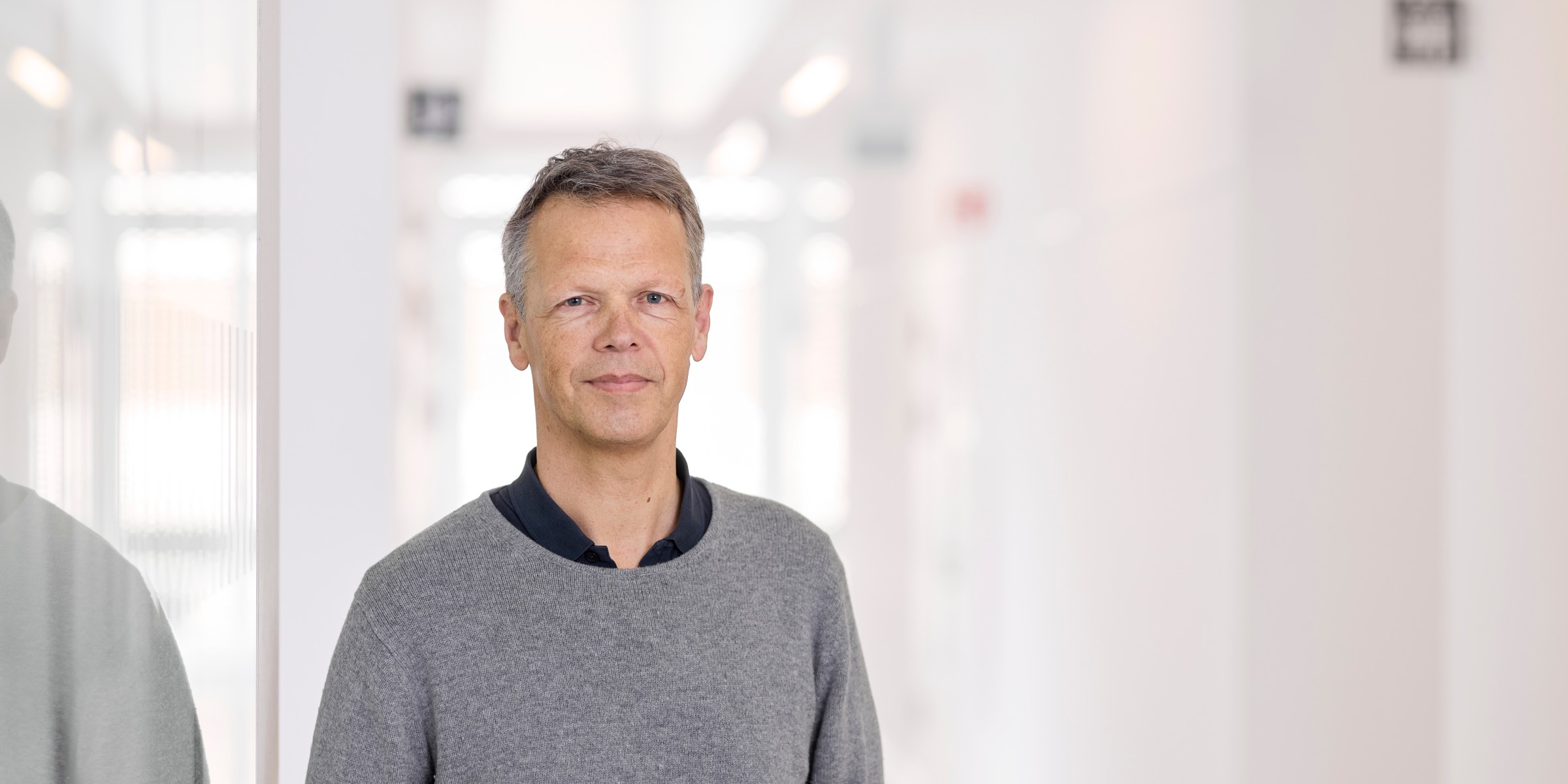
"The cluster is running extremely smoothly and is extremely well coordinated," says Professor Martin Dichgans, Director of the Institute for Stroke and Dementia Research (ISD) at LMU Hospital. There have been great successes in research. Dichgans is the future spokesperson for SyNergy (Munich Cluster for Systems Neurology).
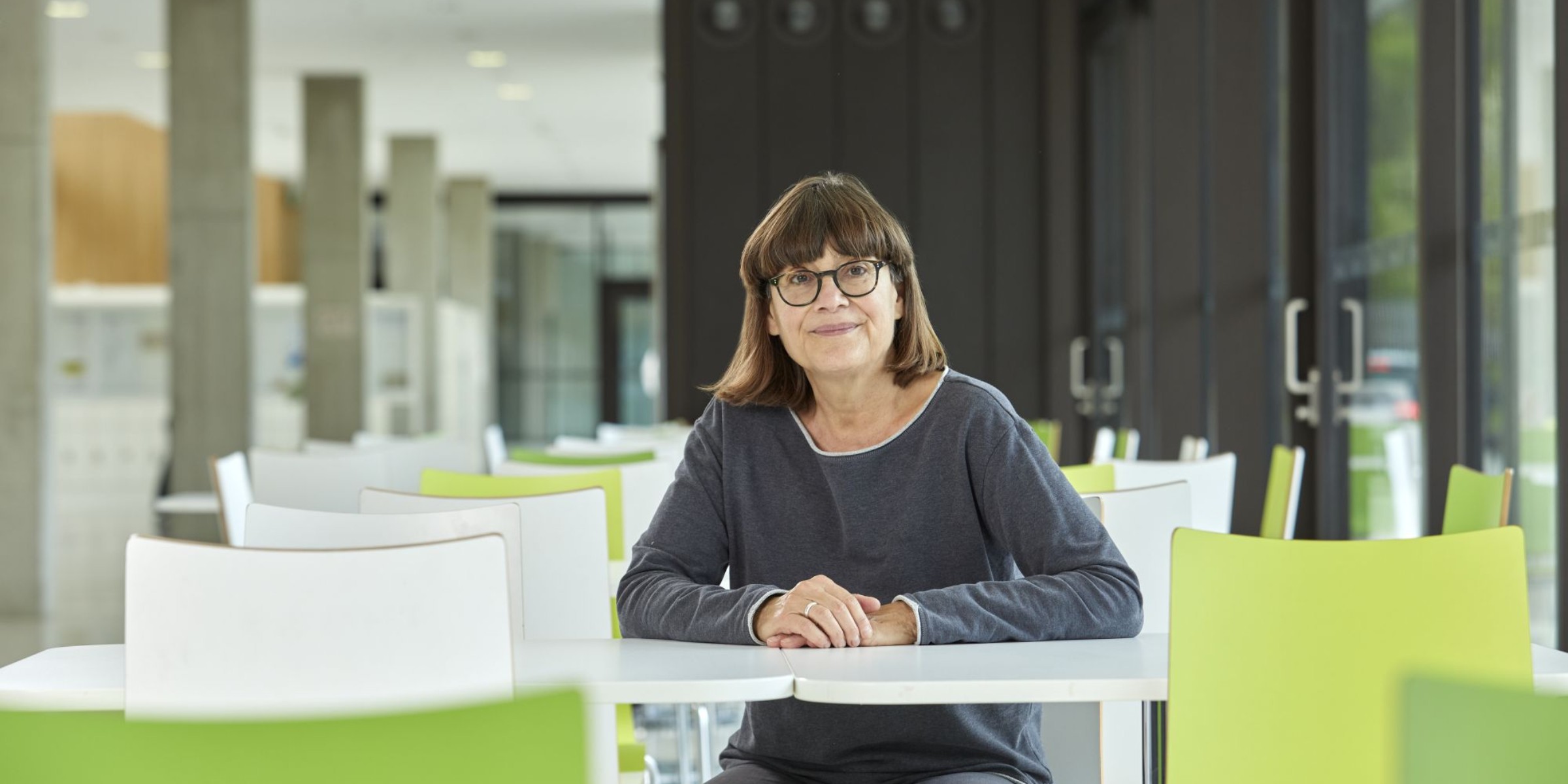
Professor Magdalena Götz, Chair of Physiological Genomics at LMU's Biomedical Center and Head of the Institute for Stem Cell Research at Helmholtz Munich, is also a new spokesperson. Both have been SyNergy members from the very beginning and can obviously hardly wait to get started on further interdisciplinary collaboration together with the third spokesperson, Professor Thomas Misgeld from the Institute of Cell Biology of the Nervous System at the Technical University of Munich (TUM) and the German Center for Neurodegenerative Diseases (DZNE).
Tackling groundbreaking breakthroughs together
After all, the scientific breakthroughs they have set out to achieve can only be achieved together. Magdalena Götz, for example, invented a method more than twenty years ago with which glial cells, the supporting cells of the brain, can be reprogrammed to become new nerve cells. "Together with our colleagues in the Cluster of Excellence, we want to bring this approach to clinical-therapeutic application." In other words: Repairing nerve tissue that has been destroyed by a stroke or dementia, for example.
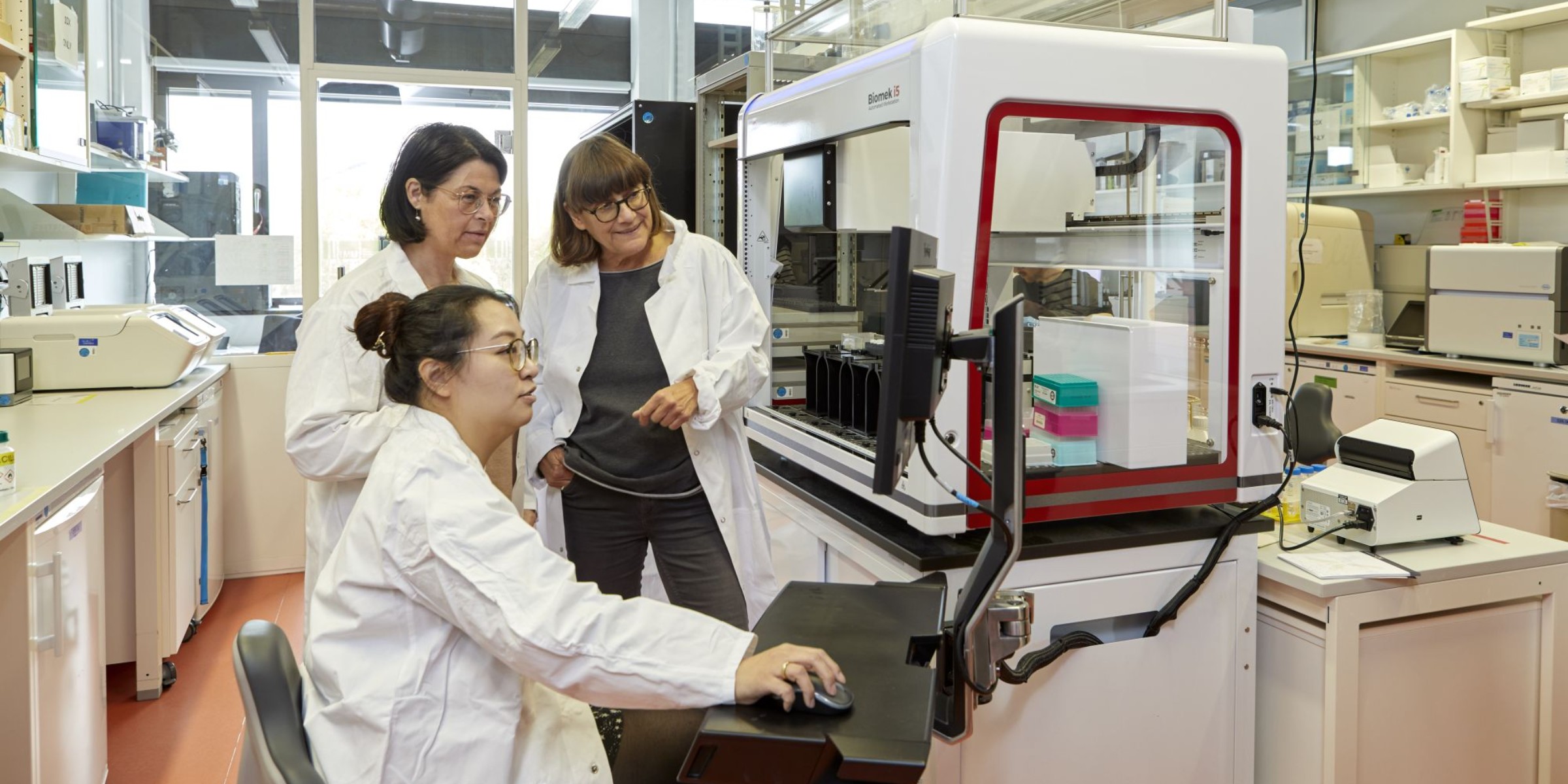
Götz knows that this would not be possible without the network. After all, such groundbreaking achievements can only be achieved if many excellent minds from different specialist areas come together. "SyNergy gives neurological research a huge boost," explains the developmental biologist. Thanks to the cluster, neuroscientists can work together with researchers and clinicians who are also familiar with brain injuries, strokes and Alzheimer's disease.
Götz knows that this would not be possible without the network. After all, such groundbreaking achievements can only be realized when many excellent minds from different disciplines come together. "SyNergy gives neurological research a huge boost," explains the developmental biologist. Thanks to the cluster, neuroscientists can work together with researchers and clinicians who are also familiar with brain injuries, strokes and Alzheimer's disease.
This is the basic idea behind SyNergy: to bring together researchers from different areas relating to brain diseases, find interfaces and synergies and thus open up completely new possibilities.
Martin Dichgans has also benefited enormously from this concept in the past. "Diseases of the small blood vessels in the brain cause strokes, but also dementia, often in combination with Alzheimer's disease." Dichgans and his team are looking for genes that promote vascular diseases and strokes and, after identifying them in experimental studies, are uncovering the mechanisms behind them. "Derived from this, we bring therapeutic approaches back to the clinic." For example, he has discovered changes in a gene that plays a role in endothelial cells, the cells that line the blood vessels. "We have identified the molecular signaling pathways and new possibilities for pharmacological intervention."
A Cluster colleague has used this to develop innovative three-dimensional models of the blood-brain barrier using human induced pluripotent stem cells, in which he has recapitulated and further advanced the results that Dichgans and his team have obtained in mice. "He has also reviewed our therapeutic approach, so we now believe that we can move towards a clinical trial based on these results."
New approaches thanks to SyNergy tandems and SyNergy teams
According to Götz and Dichgans, the network offers the unique opportunity to work with experts with completely different areas of expertise, who bring completely new impetus and scientific concepts to the interface between the various diseases. In order to promote this form of innovation and exchange, the SyNergy members rely on tandems - a central element of the cluster from the outset. The idea is to bring together two researchers from different fields who leave their comfort zone and tackle something new together. In this way, SyNergy has generated many new ideas and research approaches over the last few years.
For example, one tandem wants to find out how damaged nerve cells lose their function, how newly formed nerve cells become functional and how neuronal networks work. The LMU working group involved is conducting neurobiological research; a TUM team from computational and theoretical neuroscience is then creating computer models of the corresponding networks using artificial intelligence.
In another project, researchers at the ISD/LMU Klinikum and the stem cell biology department at TUM are working together on an approach in which human neuro-organoids, i.e. "mini-brains" grown in the laboratory, are transplanted. In this way, recipient brains that have been damaged by a stroke can be made functional again. Initial successes have already been seen in the mouse model: the transplants grow into the brain, establish connections there and there are signs that the mice show functional improvements after a stroke as a result. The next step for the LMU-TUM tandem is to find out why this is the case.
Viral toolbox and AI data analysis
The Technology Hubs are another SyNergy model that has proven its worth: Wherever new fields of research emerge, they ensure that the necessary technological approaches are established. "At SyNergy, we not only use this technology, but also continue to develop it further," says Martin Dichgans. In the new funding phase, the aim is to invest in new imaging methods, highly innovative microscopy that can be combined with molecular methods such as single-cell sequencing.
The area of so-called gene shuttles is also to be expanded: With the help of these viral vectors, researchers can introduce certain regulatory proteins, known as transcription factors, into cells. "The world of viruses is very tricky, we now know many whose specific properties can be exploited," explains Magdalena Götz. This viral toolbox is extremely diverse and can be used very precisely.
Another focus in future will be on handling the data that is generated during research in the cluster. For example, with ultra-modern "omics" approaches: These are now used to record not only the entire genome, but also the translation and proteomics of genes - and at single cell level. The cluster members are therefore dealing with complex data from thousands or tens of thousands of cells. In order to ensure responsible, efficient and meaningful handling of these enormous amounts of data, SyNergy has broadened its scope for its third round. "In Munich, we have a world-leading expert in AI and modeling of gene expression networks and single-cell segmentation analysis, Professor Fabian Theis from Helmholtz Munich," says Götz.
Investing in the next generation
A major milestone that SyNergy has set itself is to translate the exciting findings of previous research into therapy. Concrete clinical studies were already launched in the second funding phase, and the aim now is to build on these successes. However, the path from basic research to drug development is not a sprint; it can easily take 15 years. "Another reason why we are investing in the next generation of researchers: We need to keep moving, developing, welcoming younger, up-and-coming researchers into our community and supporting their careers," emphasizes Martin Dichgans. "The Synergy family benefits enormously from diversity and excellence."
Source: LMU news release from 22.05.2025
Contact us
Mr. Prof. Dr. med. Dichgans, Martin
Director of the Institute for Stroke and Dementia Research (ISD), LMU Hospital