press releases | 26/02/2026
Automated ventilation systems in neonatology
Study shows clear benefits at second glance
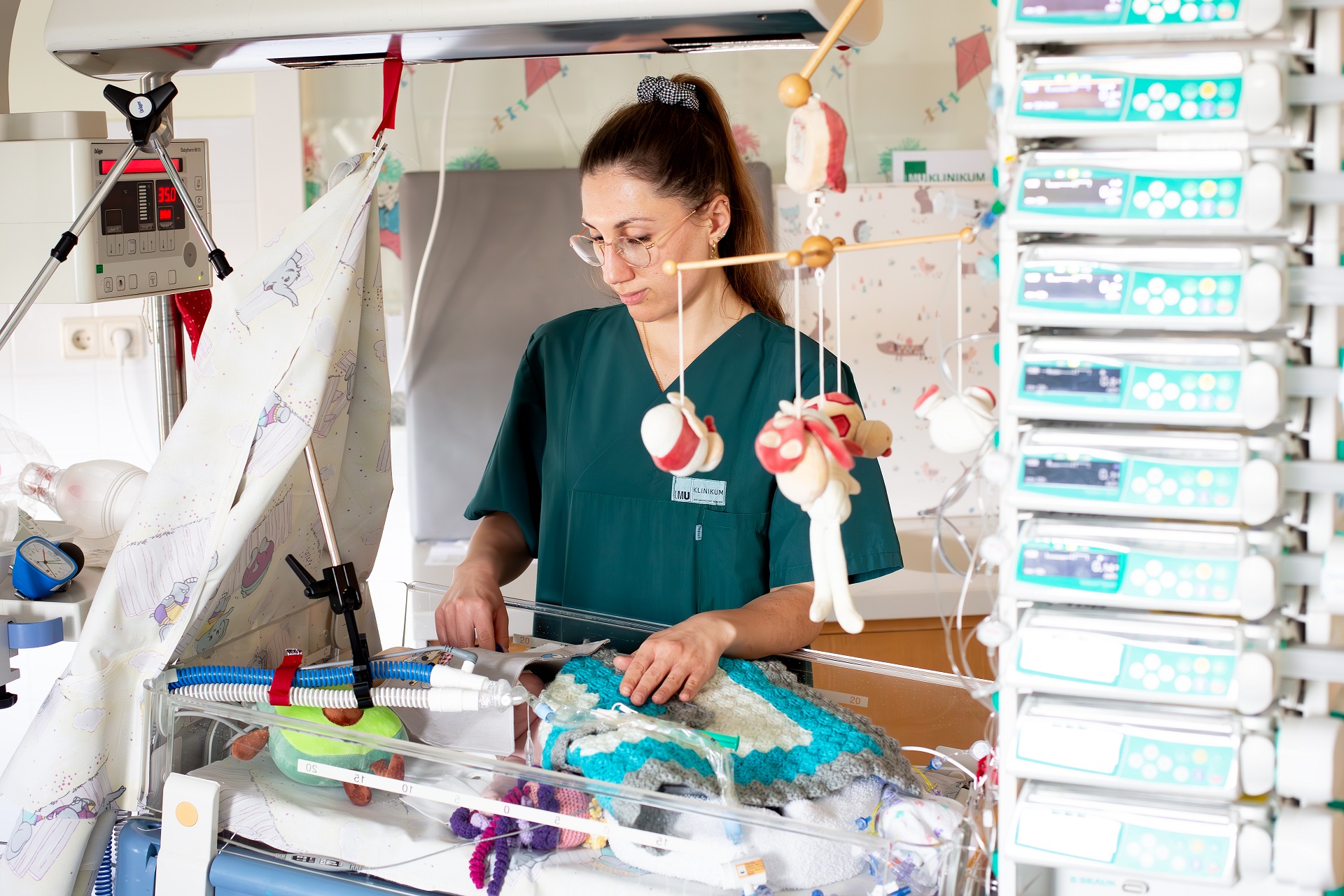
In 2023, over 4,000 children were born extremely prematurely in Germany alone, i.e. before the 28th week of pregnancy. They need additional oxygen via respiratory support systems because their immature lungs are not yet able to optimally supply the body with the gas. "The administration of oxygen is the most common measure in this patient group," says Prof. Dr. Andreas Flemmer, Head of Neonatology at LMU University Hospital Munich Großhadern and Hauner Children's Hospital: "Nevertheless, we hardly know anything about the optimal dose of supply." Too little means an undersupply; too much oxygen damages the lungs and the retina of the eyes to the point of detachment of the retina, which can lead to blindness. This happened to pop legend Stevie Wonder 75 years ago, for example.
In order to optimize the effect and risk of side effects, the oxygen supply should be precisely dosed within a narrow target range, depending on the oxygen saturation in the child's blood. However, infants often breathe very irregularly; in addition, the lung ventilation and function of small patients fluctuate. Nursing staff therefore have to constantly readjust the concentration of oxygen supplied by hand, which is a challenge given the scarcity of staff resources. Can machines with automated digital technology take over the adjustment of the oxygen supply and reduce both the rate of children's lung problems and the rate of retinal complications?
To find out, over 30 clinics in Germany and around the world have launched a study funded by the German Research Foundation (DFG). Over 1000 babies born between the 23rd and 27th week of pregnancy took part. They were divided into two groups. In group 1, the oxygen supply was regulated automatically. The premature babies in group 2 received the previous routine treatment with manual adjustment of the oxygen.
"In total across all participants," says Andreas Flemmer, "we did not see any statistically significant effect" - neither less lung damage nor fewer severe retinal problems nor fewer children dying from the complications of their prematurity.
However, the hospitals involved used three different ventilators. And the individual analysis of the different machines showed, according to Flemmer, "that the ventilator used on our wards significantly reduced the rate of dangerous lung complications by 35 percent." This significant effect will most likely lead to the algorithms of other devices being developed further.
The evaluation of the overall study also showed that automatic oxygen regulation has no adverse effects on the small patients. This means, as the Munich neonatologist says: "This technology can be used, which relieves the nursing staff enormously in everyday clinical practice because they no longer have to manually readjust the oxygen supply every time an alarm sounds. The machine now does that." All in all, Andreas Flemmer sums up, "a worthwhile, practice-changing study."
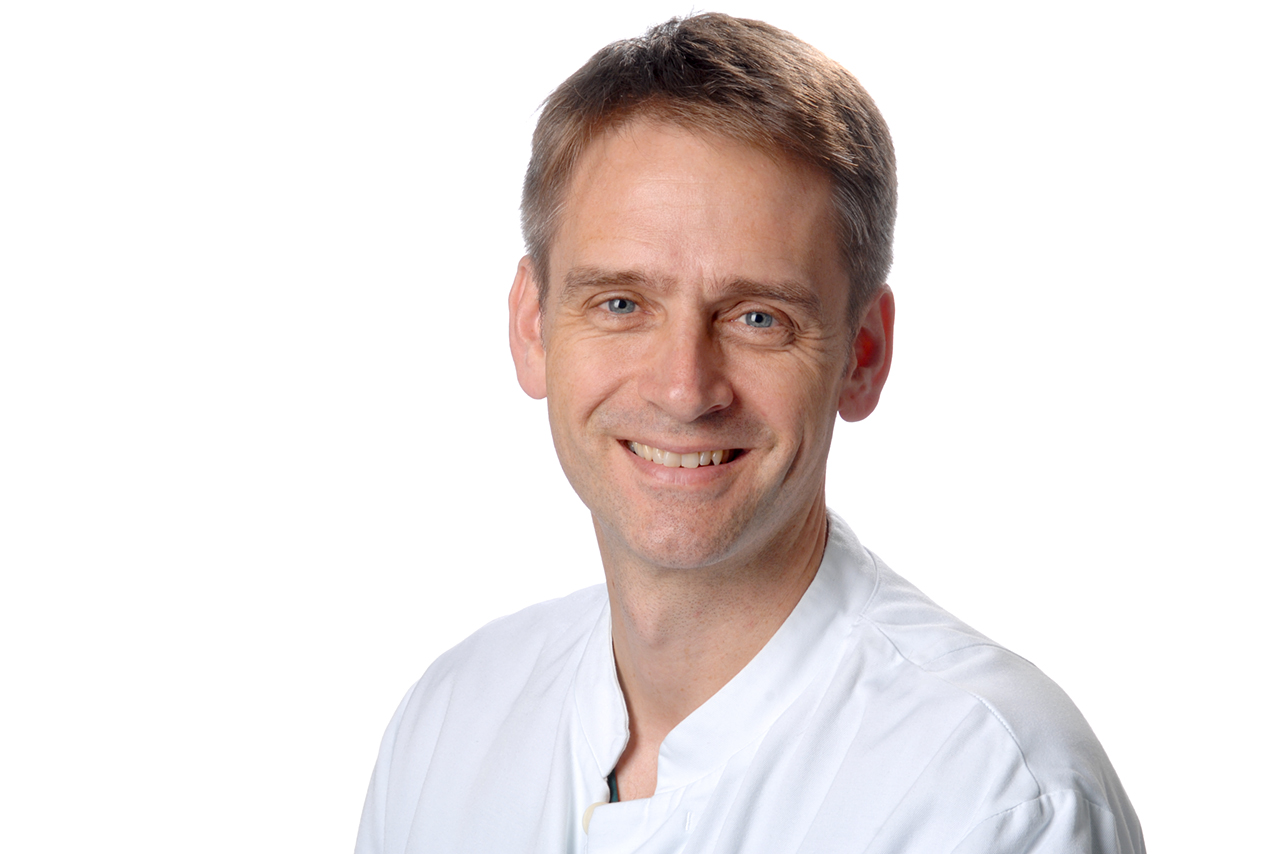
Head of Neonatology, Department of Pediatrics, Dr. von Hauner Children's Hospital, LMU University Hospital Munich
Nursing with heart and expertise: Experience the Nursing Careers Day at LMU Hospital on June 27, 2025 - a day full of inspiring insights into the demanding and holistic everyday life of nursing. Meet experts, discover a wide range of career opportunities and receive exciting information on jobs, training and further education. Come along, exchange ideas with colleagues and let yourself be inspired by nursing science in practice - without obligation and without registration.