CD86: Target of new therapies against Hodgkin's lymphoma
press releases | 04/04/2025
CD86: Target of new therapies against Hodgkin's lymphoma
Blockade of T cells is lifted, tumor cells are killed
Hodgkin's lymphoma is a form of lymph gland cancer. It is particularly common in children and young adults. Researchers at the LMU Medical Center from the Department of Medicine III and the Department of Clinical Pharmacology at the LMU Medical Center led by Dr. Adrian Gottschlich and Prof. Dr. Sebastian Kobold have now developed new immunotherapies for patients with Hodgkin's lymphoma in the laboratory. They could attack the tumor from different sides, so to speak. The groundbreaking study was published in the journal "Blood".
Around one in seven children with a malignant tumor has Hodgkin's lymphoma. The disease also frequently occurs in young adults. It is one of the cancers with the highest cure rates, with over 90 percent of those affected surviving in the long term thanks to aggressive, high-dose chemotherapy.
However, many of the cured children and young adults have to contend with late effects in the course of their lives. These can be minor complications, such as hormonal imbalance or increased susceptibility to infections. But they can also be serious illnesses, such as a recurrence of cancer or heart or lung failure. "There is therefore a great need for new, less aggressive therapies that target the cancer cells and the surrounding tumor environment as effectively as possible," says Dr. Adrian Gottschlich, lead author of the study. Especially as Hodgkin's lymphomas build up an environment around the actual cancer cells that suppresses any activity of the immune system against the tumor particularly strongly and "reprograms" immune cells for its growth.
A team led by the Munich physicians has now created the experimental conditions for new targeted therapies. The focus: a molecule called CD86. "With the help of artificial intelligence," explains Prof. Sebastian Kobold, "we were able to identify CD86 as a central control element in the tumor environment of Hodgkin's lymphoma, which protects the cancer cells from the immune system." The molecule is found both on the surface of the tumor cells themselves and on the surface of certain immune cells (phagocytes) that migrate into the cancer and support its growth instead of fighting it.
Drugs that stimulate the immune system and kill cancer cells
In order to prevent the fatal effect of CD86, the researchers specifically blocked the molecule and were thus able to reverse the dormant state of T cells, which underlines the central importance of CD86 in the inhibition of these immune cells. In parallel, the team developed a CAR T cell therapy against CD86. "These anti-CD86 CAR T cells," reports Gottschlich, "showed outstanding efficacy in numerous disease models."
The results make CD86 a promising target structure for new therapies against Hodgkin's lymphoma in humans as well. The Munich scientists are already working intensively on the production of anti-CD86 CAR T cells for use in a clinical trial. This is no easy undertaking, as it requires various components and partners, as well as the necessary funds. "In addition," says Kobold, "our research could usher in a new generation of immune checkpoint inhibitors. These drugs could then not only reactivate the immune system - as is currently the case - but also kill the cancer cells directly."
Original publication:
Adrian Gottschlich, Ruth Grünmeier, [...] Michael von Bergwelt-Baildon, Paul J. Bröckelmann, Stefan Endres, Sebastian Kobold; Dissection of single-cell landscapes for the development of chimeric antigen receptor T cells in Hodgkin lymphoma. Blood 2025; 145 (14): 1536-1552. doi: https://doi.org/10.1182/blood.2023022197
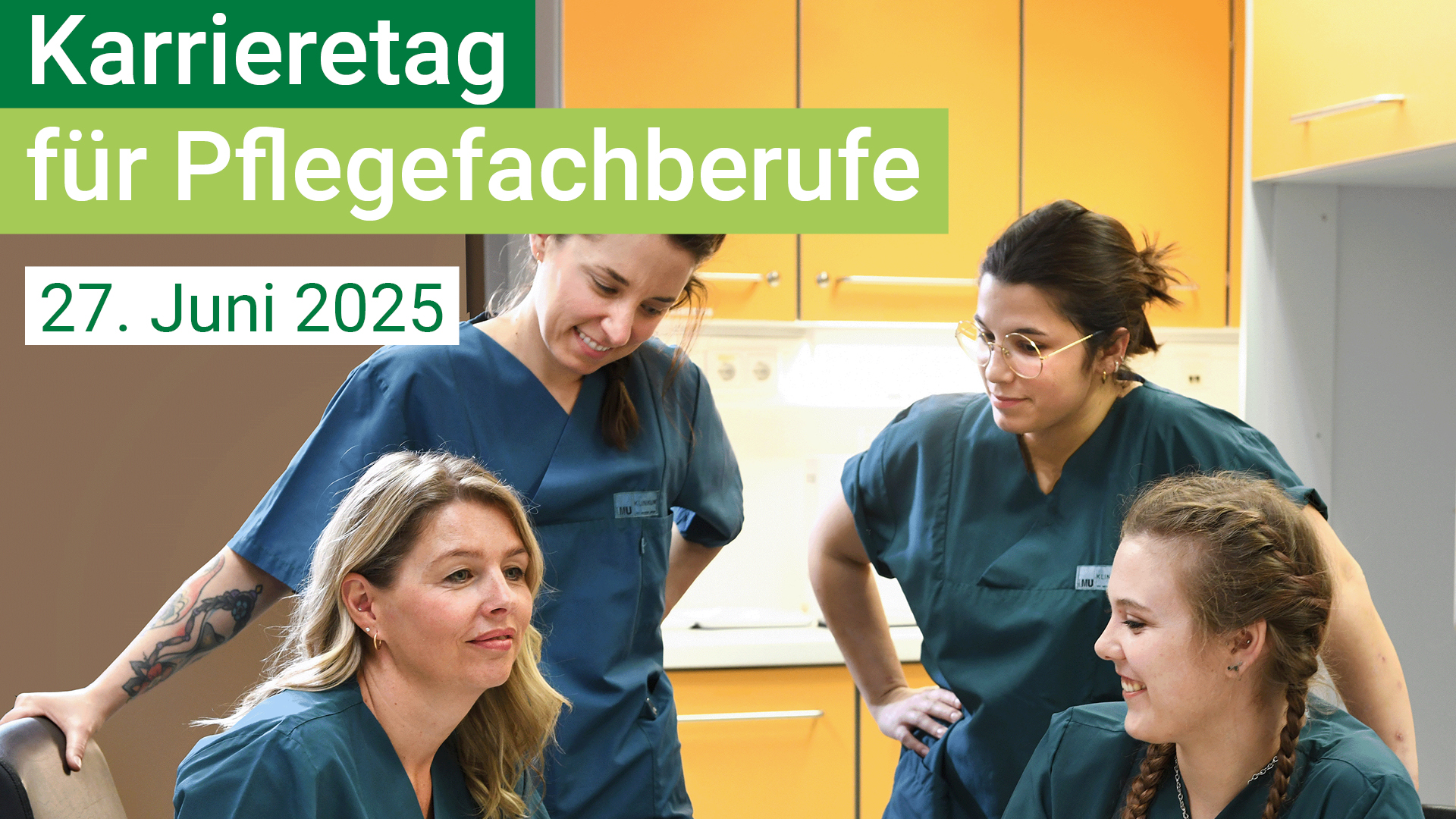
Nursing with heart and expertise: Experience the Nursing Careers Day at LMU Hospital on June 27, 2025 - a day full of inspiring insights into the demanding and holistic everyday life of nursing. Meet experts, discover a wide range of career opportunities and receive exciting information on jobs, training and further education. Come along, exchange ideas with colleagues and let yourself be inspired by nursing science in practice - without obligation and without registration.