In MS, the destruction of the sheaths of the nerve processes and the nerve cells themselves leads to symptoms that affect all brain and spinal cord functions. These are: blurred vision, double vision, visual field defects, tingling, numbness, "ants running" in the arms or legs, muscle weakness, unsteady gait, spasticity, muscle cramps, pronounced physical and mental fatigue after minor exertion (fatique), coordination disorders and dizziness, urinary urgency, incontinence, constipation, libido and erectile dysfunction as well as concentration disorders, memory loss, depression or mood swings.
Recently, according to Martin Kerschensteiner, "studies have increasingly shown that the pathological changes in gray matter are decisive for the progression of the disease, especially for permanent disability, cognitive impairment and persistent fatigue." In addition, the lesions in the gray matter predict the risk of deterioration and the transition from a relapsing to a permanently progressive disease. The problem: magnetic resonance imaging (MRI), which is usually used for diagnosis, is not able to show most changes in the gray matter diagnostically.
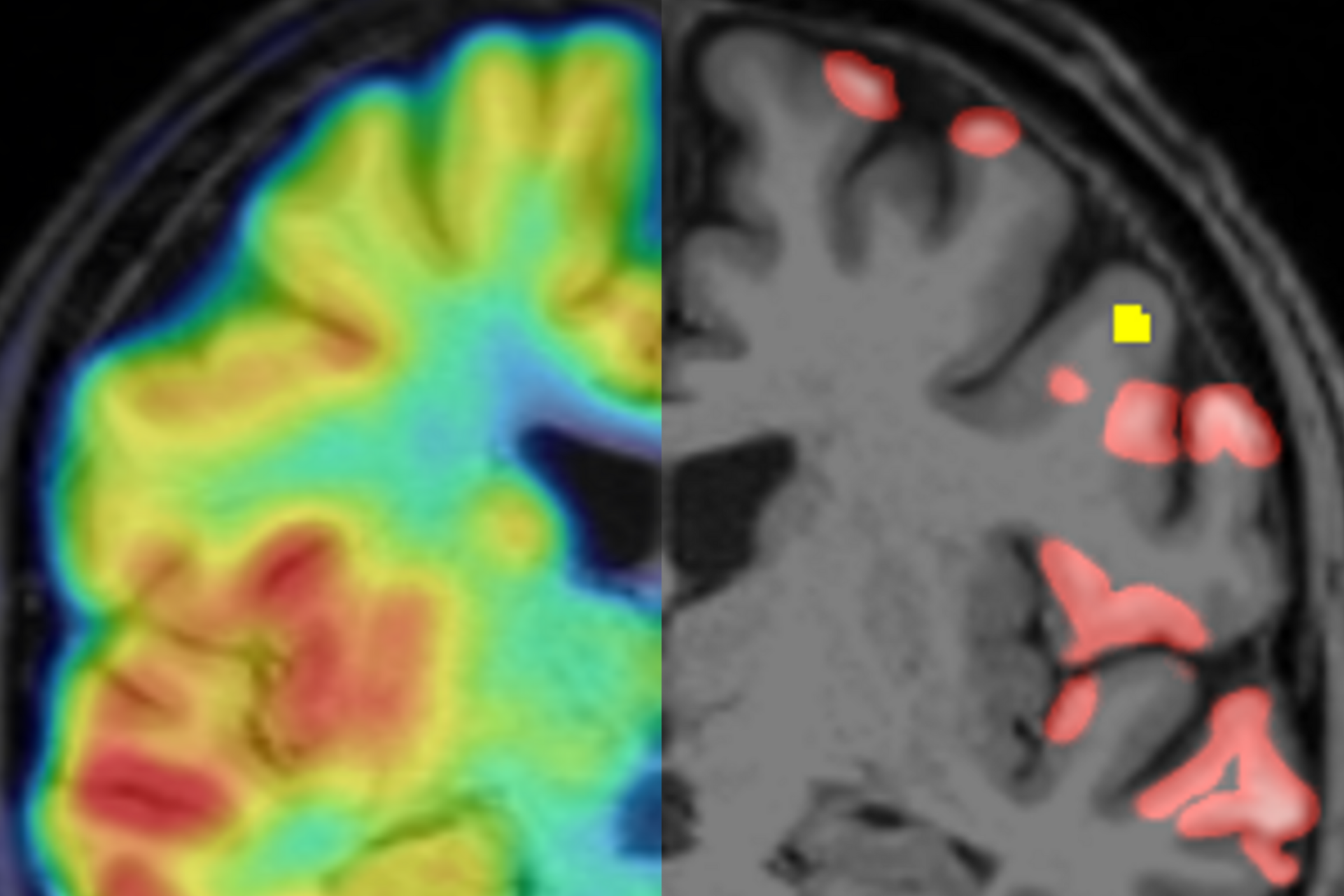
Can another imaging technique, PET, help? This would require finding a protein in the nerve cells that can be detected using this method and also provides valuable information about the density of the neurons and their synapses. In a series of experiments, the Kerschensteiner laboratory first proved that the protein SV2A is a suitable marker for synapse density in MS. The team then injected mice in which an MS-like inflammation of the cerebral cortex was triggered with a weak radioactive substance that specifically docks to SV2A. The radiating signal is then recognized by the PET device. As a control and for comparison, the synapse densities in the same lesions were measured using established methods. "We were able to show that the synapse densities measured with PET imaging produce meaningful results," explains Kerschensteiner, "and this was also confirmed in a subsequent study with a good 30 MS patients."
The researchers' goal is now clear: "We want to use this to guide therapies," says Brendel, "this is precisely the idea of identifying patients at high risk of disease progression and targeting a therapy for these patients that has a specific effect on disease progression." The next step will be to start long-term monitoring studies to investigate whether and how well the long-term course of the disease can be predicted with a single PET scan.