Back to life with the wind - how sailing opens up new perspectives for cancer patients
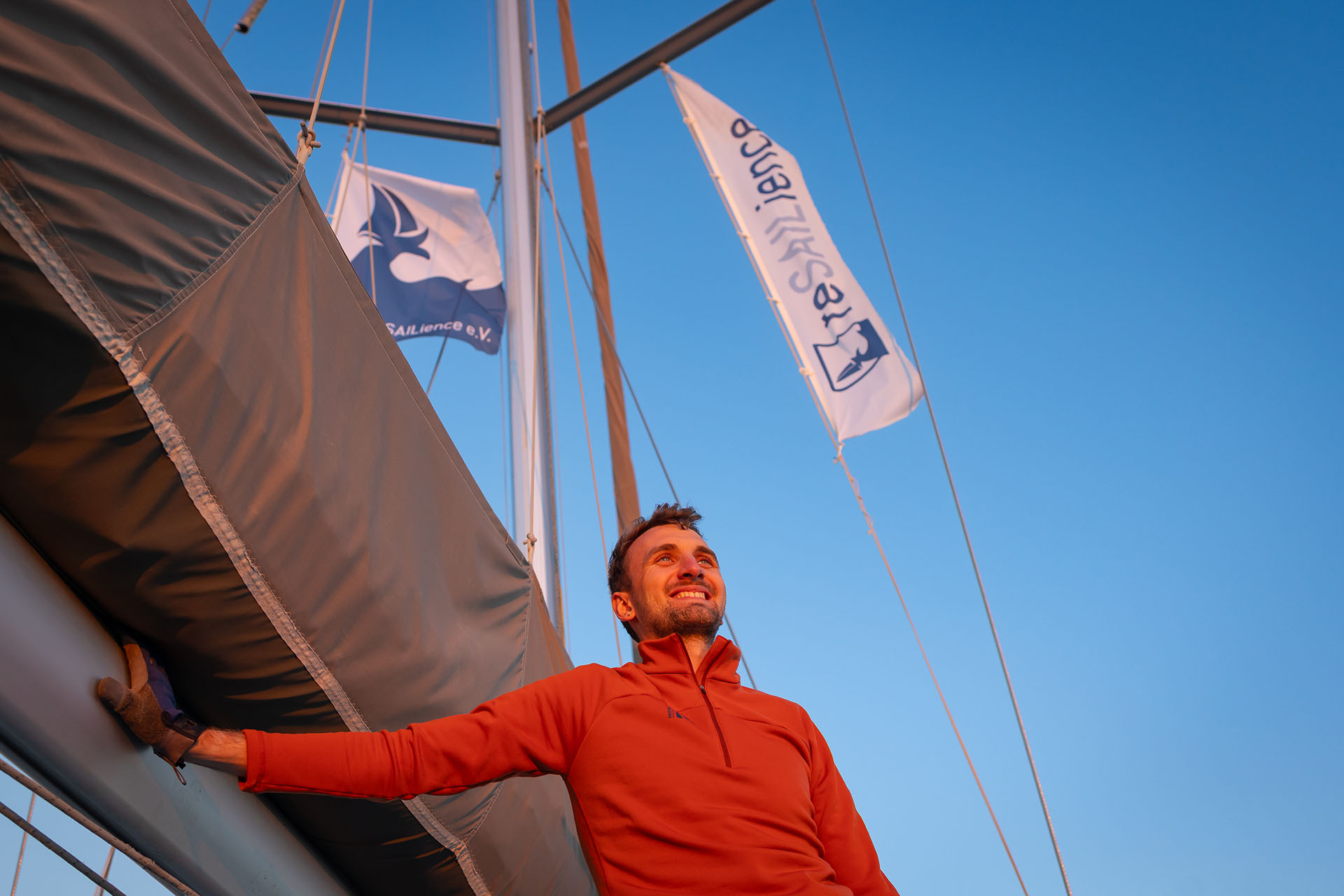
A cancer diagnosis is a turning point in the lives of those affected and those around them. For young adults in particular, the diagnosis is an extraordinary burden, because while others of the same age are starting a family, making plans for the future and pursuing a career, the world stands still for them. Suddenly they are faced with existential questions and medical care alone is not enough to help them recover and find their way back to a self-determined life.
"Primary brain tumors are rare, with around seven new cases per 100,000 people in Germany each year. Their treatment is complicated and they are usually particularly invasive," explains Prof. Florian Ringel, Head of Neurosurgery at LMU Hospital. Surgery alone is not enough for most brain tumors. "We work closely with many other specialist disciplines in our hospital, such as radiotherapy, oncologists, psycho-oncology and the Munich Oncology Center of Excellence. Only through interdisciplinarity is it possible to provide patients with comprehensive care."
Even if Yannic's medical treatment was successful, the real challenge often only begins afterwards, says Dr. Veit Stöcklein, the attending physician: "After the operation and the subsequent therapies, young patients like Yannic have to find a way back into their lives. Physical recovery is only part of the healing process - psychosocial support is just as important in helping those affected to develop new perspectives and gain confidence in their own future."
Report: How sailing opens up new perspectives for cancer patients
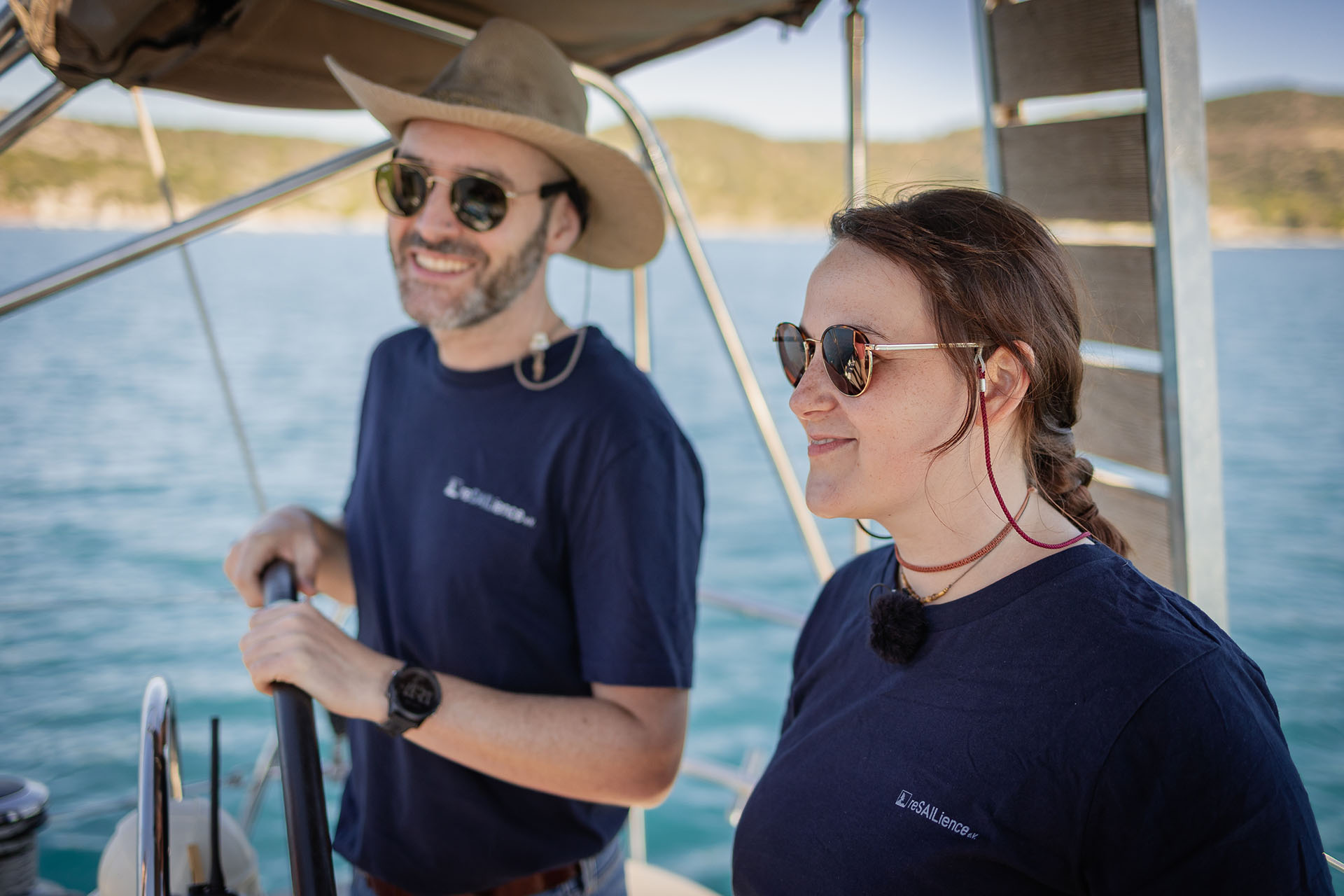
The LMU Hospital therefore has a specialized psycho-oncology center to help people who want to come to terms with their cancer diagnosis. The center cooperates closely with other institutions and services in order to be able to support those affected with a variety of options. "It took me a while before I wanted to talk to other people affected," recalls Yannic. "Because I was afraid that I would find it difficult to process the severity of the stories. But then my psycho-oncologist at the LMU hospital drew my attention to reSAILience." Just a few weeks later, he was on a sailing ship in Greece together with six other people affected, setting sail, jumping into the water and standing at the helm
Being able to understand each other without having to explain yourself
In the protected community on board, conversations about the experiences, the diagnosis that unites everyone, the therapies, the fears, arise again and again. "We all have different forms of cancer, but it doesn't take many words to explain to the others how I feel. We all know the fear of follow-up appointments or worrying about our relatives," says Yannic. That's exactly why he feels so understood by the others and that gives him strength.
Nele Lienhard and Dr. Philipp Seifert are among the eleven volunteers behind reSAILience. Both met while sailing after their own cancer diagnoses. "I had to come to terms with death at the age of 21, after a diagnosis that suddenly made all my dreams and plans seem unattainable," says Lienhard. "It was only through sailing that I found a new perspective that allowed me to make new plans." Today, the co-founder, board member and co-skipper at reSAILience says: "Sailing helped me a lot after my cancer. That's why it means a lot to me to be able to share this experience with other sufferers and help them cope with their illness."
Philipp Seifert was diagnosed while studying physics and decided to study medicine shortly afterwards. He is one of the founders of reSAILience e.V. and now works as a junior doctor in internal medicine at the LMU Hospital. He volunteers as a board member and skipper in the association. "Our team not only shares a passion for sailing, but also a fascination for health issues, especially the psychosocial care of young adults with cancer," he says. "Because medical treatment alone is often not enough. In order to stabilize those affected in the long term, we need services that go beyond this." Through the exchange on board, the community and the self-awareness in nature, the association enables people to test their limits anew, gain courage and look to the future with new strength.
Info box: Who can sail along?
The reSAILience program is aimed at young adults aged 18 to 45 who are affected by cancer - whether they are currently undergoing treatment, have just finished treatment or are already in remission. The aim is to bring people in similar life situations together. In the future, the offer will also be extended to those affected by other serious illnesses.
All information on the planned trips, the conditions of participation and how to apply can be found on the reSAILience website.
About reSAILience e.V.
reSAILience e.V. is a non-profit association founded in 2023 that supports young adults recovering from cancer to gain new strength, confidence and courage to face life. The 7- to 10-day ocean sailing trips combine adventure, community and professional support to create a special form of rehabilitation.
The interdisciplinary team combines medical and psychological expertise with the experience of those affected and works entirely on a voluntary basis.
Dr. Philipp Seifert
Medical Clinic IV, LMU Klinikum Munich; Board of Directors reSAILience e.V.