von Bergwelt/Kobold Lab
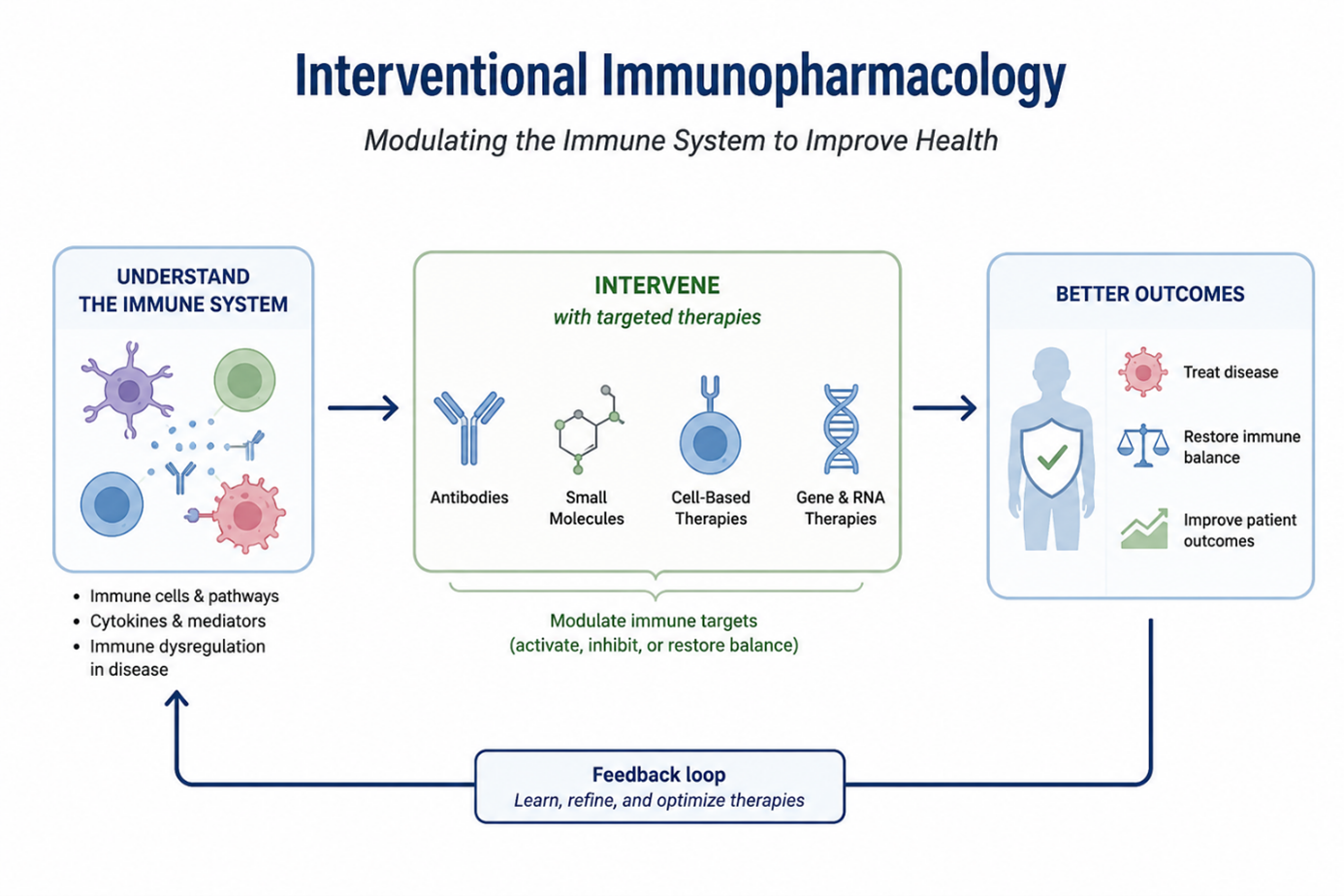
Interventional Immunopharmacology - Modulating the Immune System to Improve Health
Leitung – head:
Prof. Michael von Bergwelt
Prof. Sebastian Kobold
Team:
Dr. Adrian Gottschlich, physician-scientist
Dr. Sophia Stock, physician-scientist
Paula Zwicker, MD candidate
Arian Gutke, MD candidate
Key topics
a) translational cell therapy approaches
b) B cell modulating agents in oncology and beyond
c) in vivo engineering of immune cells
Achievements
Engineering and targeting of B cells
Our group identified so-called B-APC as a potent antigen-presenting cell linked to inflammatory conditions including AID, chronic infection, and cancer 1. B-APC can be engineered ex vivo from healthy individuals and cancer patients at high purity and scale 2. They present antigen efficiently, home to secondary lymphoid organs, prime naive T cells and can be engineered to produce tumor- and virus-specific antibodies 3-5. Antigen presenting B cells are localized in tertiary lymphoid organs in various solid tumors and linked to improved outcomes and inform personalized therapy 6,7.
Using these cells, we built a reverse immunology platform to characterize anti-tumor and anti-infectious immunity and identify novel tumor and auto antigens 8,9. We were the first to show that tumor antigen specific B-cells can eradicate cancer in preclinical models 10,11.
However, we could also show that B cells, depending on subtype and function, can have regulatory properties in autoimmunity and alloimmunity12-14 as well as tumor-promoting effects e.g. in cutaneous T cell lymphoma and potentially melanoma. Depleting these regulatory B cells with CD20 directed antibodies, restored anti-tumor T cell infiltration and drove tumor shrinkage15.
Advancing innovative cell and antibody-based therapies
The lab’s central focus, then and now, is T cell based treatment 16,17. The two main strands have been bispecific T cell engaging antibodies and cell-based therapies. We pioneered functional engineering of T cells for resistance to immune suppression and directed migration 18,19, advancing one such fusion protein into a phase I/II clinical trial. We designed a modular CAR-platform that recognizes mutated Fc-portions of therapeutic antibodies, enabling seamless combination with existing therapeutic modules for highly modular cell therapies 20. More recently, we were also the first to apply machine learning to large single-cell datasets from cancer patients to identify novel CAR targets – work that yielded proprietary CAR and bispecific antibodies with enhanced efficacy and selectivity, now advancing toward clinical development 21,22. We have also identified prostanoids as a key suppressive pathway in the tumor microenvironment that blunts T cell activity 23, and went on to develop a strategy that shields CAR T cells from this suppression, boosting activity in preclinical models 24.
Pioneering immunotherapy in cancer, infectious disease and autoimmunity
Together with partners from our department, we have developed several novel immunontherapy concepts spanning cancer and beyond:
- Synergistic combination of ADC induced T cell priming and DLI in Hodgkin’s lymphoma and CTCL after allogeneic transplantation 25,26
- In vivo vaccination using antibody plus DLI in CLL27,28
- Donor lymphocyte infusions combined with systemic PUVA/bexarotene as an effective bimodal immunologic approach in cutaneous T cell lymphoma after allogeneic stem cell transplantation.27,29
- Restoring anti-tumor immunity by depletion of tumor promoting B cells in CTCL and melanoma using antibodies and CAR T cells.15,30
- Reconvalescent plasma therapy in COVID- 1931
- Check point inhibition treatment in fungal infections32,33
- Abscopal effect: Promoting systemic tumor control by combination of T cell- based therapies and local proinflammatory therapy (radiotherapy, microwave ablation, hyperthermia)34-36
- Bispecific antibody mediated deep depletion of B cells in systemic sclerosis 37
- Bispecific antibody mediated deep depletion of B cells in anti-phospholipid-syndrome38
Scope of our research
The Interventional Immunopharmacology lab (IIp) sits at the interface of the Department of Medicine III and the Institute of Clinical Pharmacology, with a singular focus: translation20. Our mission is to bring innovative cell-based therapies to the patients who need them. Our lead candidate, an innovative Colony Stimulating Factor 1 Receptor (CSF1R)-targeted chimeric antigen receptor (CAR)21,22, recently received DKTK joint funding approval for preclinical process development, and we actively advancing further pipeline candidates towards clinical trials. B cells are a second pillar of our work: we study how to therapeutically modulate them in oncology and beyond. Here, we take advantage of the many B cell modulating agents already in clinical practice as a unique window into their immunological consequences in the human body. Lastly, we are pursuing a third, emerging direction: engineering immune cells, in particular B cells, directly within a living body. We are actively testing these novel concepts together with collaborators around the world.
1. Shimabukuro-Vornhagen, A., Garcia-Marquez, M., Fischer, R.N., Iltgen-Breburda, J., Fiedler, A., Wennhold, K., Rappl, G., Abken, H., Lehmann, C., Herling, M., et al. (2017). Antigen-presenting human B cells are expanded in inflammatory conditions. J Leukoc Biol 101, 577–587. 10.1189/jlb.5A0416-182R.
2. von Bergwelt-Baildon, M.S., Vonderheide, R.H., Maecker, B., Hirano, N., Anderson, K.S., Butler, M.O., Xia, Z., Zeng, W.Y., Wucherpfennig, K.W., Nadler, L.M., and Schultze, J.L. (2002). Human primary and memory cytotoxic T lymphocyte responses are efficiently induced by means of CD40-activated B cells as antigen-presenting cells: potential for clinical application. Blood 99, 3319–3325. 10.1182/blood.v99.9.3319.
3. von Bergwelt-Baildon, M., Schultze, J.L., Maecker, B., Menezes, I., and Nadler, L.M. (2004). Correspondence re R. Lapointe et al., CD40-stimulated B lymphocytes pulsed with tumor antigens are effective antigen-presenting cells that can generate specific T cells. Cancer Res 2003;63:2836-43. Cancer research 64, 4055–4056; author reply 4056–4057. 10.1158/0008-5472.CAN-03-3606.
4. Hirano, N., Butler, M.O., Xia, Z., Ansen, S., von Bergwelt-Baildon, M.S., Neuberg, D., Freeman, G.J., and Nadler, L.M. (2006). Engagement of CD83 ligand induces prolonged expansion of CD8+ T cells and preferential enrichment for antigen specificity. Blood 107, 1528–1536. 10.1182/blood-2005-05-2073.
5. von Bergwelt-Baildon, M., Shimabukuro-Vornhagen, A., Popov, A., Klein-Gonzalez, N., Fiore, F., Debey, S., Draube, A., Maecker, B., Menezes, I., Nadler, L.M., and Schultze, J.L. (2006). CD40-activated B cells express full lymph node homing triad and induce T-cell chemotaxis: potential as cellular adjuvants. Blood 107, 2786–2789. 10.1182/blood-2004-01-0113.
6. Schlosser, H.A., Thelen, M., Lechner, A., Wennhold, K., Garcia-Marquez, M.A., Rothschild, S.I., Staib, E., Zander, T., Beutner, D., Gathof, B., et al. (2019). B cells in esophago-gastric adenocarcinoma are highly differentiated, organize in tertiary lymphoid structures and produce tumor-specific antibodies. Oncoimmunology 8, e1512458. 10.1080/2162402X.2018.1512458.
7. Lechner, A., Schlosser, H.A., Thelen, M., Wennhold, K., Rothschild, S.I., Gilles, R., Quaas, A., Siefer, O.G., Huebbers, C.U., Cukuroglu, E., et al. (2019). Tumor-associated B cells and humoral immune response in head and neck squamous cell carcinoma. Oncoimmunology 8, 1535293. 10.1080/2162402X.2018.1535293.
8. Vonderheide, R.H., Schultze, J.L., Anderson, K.S., Maecker, B., Butler, M.O., Xia, Z., Kuroda, M.J., von Bergwelt-Baildon, M.S., Bedor, M.M., Hoar, K.M., et al. (2001). Equivalent induction of telomerase-specific cytotoxic T lymphocytes from tumor-bearing patients and healthy individuals. Cancer research 61, 8366–8370.
9. Maecker, B., Sherr, D.H., Vonderheide, R.H., von Bergwelt-Baildon, M.S., Hirano, N., Anderson, K.S., Xia, Z., Butler, M.O., Wucherpfennig, K.W., O'Hara, C., et al. (2003). The shared tumor-associated antigen cytochrome P450 1B1 is recognized by specific cytotoxic T cells. Blood 102, 3287–3294. 10.1182/blood-2003-05-1374.
10. Wennhold, K., Weber, T.M., Klein-Gonzalez, N., Thelen, M., Garcia-Marquez, M., Chakupurakal, G., Fiedler, A., Schlosser, H.A., Fischer, R., Theurich, S., et al. (2017). CD40-activated B cells induce anti-tumor immunity in vivo. Oncotarget 8, 27740–27753. 10.18632/oncotarget.7720.
11. Wennhold, K., Thelen, M., Schlosser, H.A., Haustein, N., Reuter, S., Garcia-Marquez, M., Lechner, A., Kobold, S., Rataj, F., Utermohlen, O., et al. (2017). Using Antigen-Specific B Cells to Combine Antibody and T Cell-Based Cancer Immunotherapy. Cancer immunology research 5, 730–743. 10.1158/2326-6066.CIR-16-0236.
12. Shimabukuro-Vornhagen, A., Liebig, T., and von Bergwelt-Baildon, M. (2008). Statins inhibit human APC function: implications for the treatment of GVHD. Blood 112, 1544–1545. 10.1182/blood-2008-04-149609.
13. Shimabukuro-Vornhagen, A., Kondo, E., Liebig, T., and von Bergwelt-Baildon, M. (2009). Activated human B cells: stimulatory or tolerogenic antigen-presenting cells? Blood 114, 746–747; author reply 747. 10.1182/blood-2009-03-212886.
14. Shimabukuro-Vornhagen, A., Hallek, M.J., Storb, R.F., and von Bergwelt-Baildon, M.S. (2009). The role of B cells in the pathogenesis of graft-versus-host disease. Blood 114, 4919–4927. 10.1182/blood-2008-10-161638.
15. Theurich, S., Schlaak, M., Steguweit, H., Heukamp, L.C., Wennhold, K., Kurschat, P., Rabenhorst, A., Hartmann, K., Schlosser, H., Shimabukuro-Vornhagen, A., et al. (2016). Targeting Tumor-Infiltrating B Cells in Cutaneous T-Cell Lymphoma. J Clin Oncol 34, e110–116. 10.1200/JCO.2013.50.9471.
16. Lesch, S., Benmebarek, M.R., Cadilha, B.L., Stoiber, S., Subklewe, M., Endres, S., and Kobold, S. (2020). Determinants of response and resistance to CAR T cell therapy. Semin Cancer Biol 65, 80–90. 10.1016/j.semcancer.2019.11.004.
17. Geiger, M., Stubenrauch, K.G., Sam, J., Richter, W.F., Jordan, G., Eckmann, J., Hage, C., Nicolini, V., Freimoser-Grundschober, A., Ritter, M., et al. (2020). Protease-activation using anti-idiotypic masks enables tumor specificity of a folate receptor 1-T cell bispecific antibody. Nat Commun 11, 3196. 10.1038/s41467-020-16838-w.
18. Kobold, S., Grassmann, S., Chaloupka, M., Lampert, C., Wenk, S., Kraus, F., Rapp, M., Duwell, P., Zeng, Y., Schmollinger, J.C., et al. (2015). Impact of a New Fusion Receptor on PD-1-Mediated Immunosuppression in Adoptive T Cell Therapy. J Natl Cancer Inst 107. 10.1093/jnci/djv146.
19. Lesch, S., Blumenberg, V., Stoiber, S., Gottschlich, A., Ogonek, J., Cadilha, B.L., Dantes, Z., Rataj, F., Dorman, K., Lutz, J., et al. (2021). T cells armed with C-X-C chemokine receptor type 6 enhance adoptive cell therapy for pancreatic tumours. Nat Biomed Eng. 10.1038/s41551-021-00737-6.
20. Stock, S., Benmebarek, M.R., Kluever, A.K., Darowski, D., Jost, C., Stubenrauch, K.G., Benz, J., Freimoser-Grundschober, A., Moessner, E., Umana, P., et al. (2022). Chimeric antigen receptor T cells engineered to recognize the P329G-mutated Fc part of effector-silenced tumor antigen-targeting human IgG1 antibodies enable modular targeting of solid tumors. Journal for immunotherapy of cancer 10. 10.1136/jitc-2022-005054.
21. Gottschlich, A., Thomas, M., Grunmeier, R., Lesch, S., Rohrbacher, L., Igl, V., Briukhovetska, D., Benmebarek, M.R., Vick, B., Dede, S., et al. (2023). Single-cell transcriptomic atlas-guided development of CAR-T cells for the treatment of acute myeloid leukemia. Nat Biotechnol 41, 1618–1632. 10.1038/s41587-023-01684-0.
22. Gottschlich, A., Grunmeier, R., Hoffmann, G.V., Nandi, S., Kavaka, V., Muller, P.J., Jobst, J., Oner, A., Kaiser, R., Gartig, J., et al. (2025). Dissection of single-cell landscapes for the development of chimeric antigen receptor T cells in Hodgkin lymphoma. Blood 145, 1536–1552. 10.1182/blood.2023022197.
23. Lacher, S.B., Dorr, J., de Almeida, G.P., Honninger, J., Bayerl, F., Hirschberger, A., Pedde, A.M., Meiser, P., Ramsauer, L., Rudolph, T.J., et al. (2024). PGE(2) limits effector expansion of tumour-infiltrating stem-like CD8(+) T cells. Nature 629, 417–425. 10.1038/s41586-024-07254-x.
24. Dorr, J., Gregor, L., Lacher, S.B., Oner, A., Sun, Y., Piseddu, I., Fertig, L., Spajic, S., Lesch, S., Michaelides, S., et al. (2026). Ablation of prostaglandin E(2) signalling through dual receptor knockout in CAR T cells enhances therapeutic efficacy in solid tumours. Nat Biomed Eng. 10.1038/s41551-025-01610-6.
25. Theurich, S., Malcher, J., Wennhold, K., Shimabukuro-Vornhagen, A., Chemnitz, J., Holtick, U., Krause, A., Kobe, C., Kahraman, D., Engert, A., et al. (2013). Brentuximab vedotin combined with donor lymphocyte infusions for early relapse of Hodgkin lymphoma after allogeneic stem-cell transplantation induces tumor-specific immunity and sustained clinical remission. J Clin Oncol 31, e59–63. 10.1200/JCO.2012.43.6832.
26. Muller, P., Martin, K., Theurich, S., Schreiner, J., Savic, S., Terszowski, G., Lardinois, D., Heinzelmann-Schwarz, V.A., Schlaak, M., Kvasnicka, H.M., et al. (2014). Microtubule-depolymerizing agents used in antibody-drug conjugates induce antitumor immunity by stimulation of dendritic cells. Cancer Immunol Res 2, 741–755. 10.1158/2326-6066.CIR-13-0198.
27. Pflug, N., Chakupurakal, G., Fink, A.M., Robrecht, S., Herling, M., Cramer, P., Holtick, U., Theurich, S., Schetelig, J., Fischer, K., et al. (2021). Obinutuzumab in Allogeneic Transplantation for CLL and Richter's Transformation in the Age of Targeted Therapies. Hemasphere 5, e664. 10.1097/HS9.0000000000000664.
28. Chakupurakal, G., Leitzke, S., Langerbeins, P., Schiller, J., Schneider, P.M., Holtick, U., Shimabukuro-Vornhagen, A., Theurich, S., Chemnitz, J., Hallek, M., et al. (2015). Nonmyeloablative allogeneic stem cell transplantation for chronic lymphocytic leukaemia offers the possibility of disease control with minimal morbidity and mortality--a single institution experience. Ann Hematol 94, 1717–1725. 10.1007/s00277-015-2449-1.
29. Schlaak, M., Theurich, S., Pickenhain, J., Skoetz, N., Kurschat, P., and von Bergwelt-Baildon, M. (2013). Allogeneic stem cell transplantation for advanced primary cutaneous T-cell lymphoma: a systematic review. Crit Rev Oncol Hematol 85, 21–31. 10.1016/j.critrevonc.2012.06.002.
30. Aleksandrova, K., Leise, J., Priesner, C., Aktas, M., Apel, M., Assenmacher, M., Burger, I., Richter, A., Altefrohne, P., Schubert, C., et al. (2024). Automated manufacturing and characterization of clinical grade autologous CD20 CAR T cells for the treatment of patients with stage III/IV melanoma. Front Immunol 15, 1328368. 10.3389/fimmu.2024.1328368.
31. Khatamzas, E., Antwerpen, M.H., Rehn, A., Graf, A., Hellmuth, J.C., Hollaus, A., Mohr, A.W., Gaitzsch, E., Weiglein, T., Georgi, E., et al. (2022). Accumulation of mutations in antibody and CD8 T cell epitopes in a B cell depleted lymphoma patient with chronic SARS-CoV-2 infection. Nat Commun 13, 5586. 10.1038/s41467-022-32772-5.
32. Banck, J.C., Mueller, N., Mellinghoff, S.C., Thelen, M., Fraccaroli, A., Blumenberg, V., Koehler, P., Kunz, W.G., Rudelius, M., Schrotzlmair, F., et al. (2021). Immune Checkpoint Blockade for Aspergillosis and Mucormycosis Coinfection. Hemasphere 5, e530. 10.1097/HS9.0000000000000530.
33. Khatamzas, E., Mellinghoff, S.C., Thelen, M., Schlosser, H.A., Kunz, W.G., Buerkle, C., Dichtl, K., Ormanns, S., and von Bergwelt-Baildon, M. (2022). Nivolumab induces long-term remission in a patient with fusariosis. Eur J Cancer 173, 91–94. 10.1016/j.ejca.2022.06.035.
34. Theurich, S., Rothschild, S.I., Hoffmann, M., Fabri, M., Sommer, A., Garcia-Marquez, M., Thelen, M., Schill, C., Merki, R., Schmid, T., et al. (2016). Local Tumor Treatment in Combination with Systemic Ipilimumab Immunotherapy Prolongs Overall Survival in Patients with Advanced Malignant Melanoma. Cancer Immunol Res 4, 744–754. 10.1158/2326-6066.CIR-15-0156.
35. Trommer, M., Yeo, S.Y., Persigehl, T., Bunck, A., Grull, H., Schlaak, M., Theurich, S., von Bergwelt-Baildon, M., Morgenthaler, J., Herter, J.M., et al. (2019). Abscopal Effects in Radio-Immunotherapy-Response Analysis of Metastatic Cancer Patients With Progressive Disease Under Anti-PD-1 Immune Checkpoint Inhibition. Front Pharmacol 10, 511. 10.3389/fphar.2019.00511.
36. Leuchte, K., Staib, E., Thelen, M., Godel, P., Lechner, A., Zentis, P., Garcia-Marquez, M., Waldschmidt, D., Datta, R.R., Wahba, R., et al. (2021). Microwave ablation enhances tumor-specific immune response in patients with hepatocellular carcinoma. Cancer Immunol Immunother 70, 893–907. 10.1007/s00262-020-02734-1.
37. Subklewe, M., Magno, G., Gebhardt, C., Bucklein, V., Szelinski, F., Arevalo, H.J.R., Hanel, G., Dorner, T., Zugmaier, G., von Bergwelt-Baildon, M., et al. (2024). Application of blinatumomab, a bispecific anti-CD3/CD19 T-cell engager, in treating severe systemic sclerosis: A case study. Eur J Cancer 204, 114071. 10.1016/j.ejca.2024.114071.
38. Gottschlich, A., Bucklein, V., El-Marouk, K., Kaiser, R., Schmid, M., Janert, T.A., Winkelmann, M., Ziemann, F., Hanel, G., Handtke, S., et al. (2026). Blinatumomab in Combined Immune Thrombocytopenia and Antiphospholipid Syndrome. The New England journal of medicine 394, 1030–1033. 10.1056/NEJMc2516228.