About Us
Leadership and Structure of the MCCG
Constituent Member Institutions at LMU Medical Center
Other member institutions at the LMU Medical Center
External Member Institutions
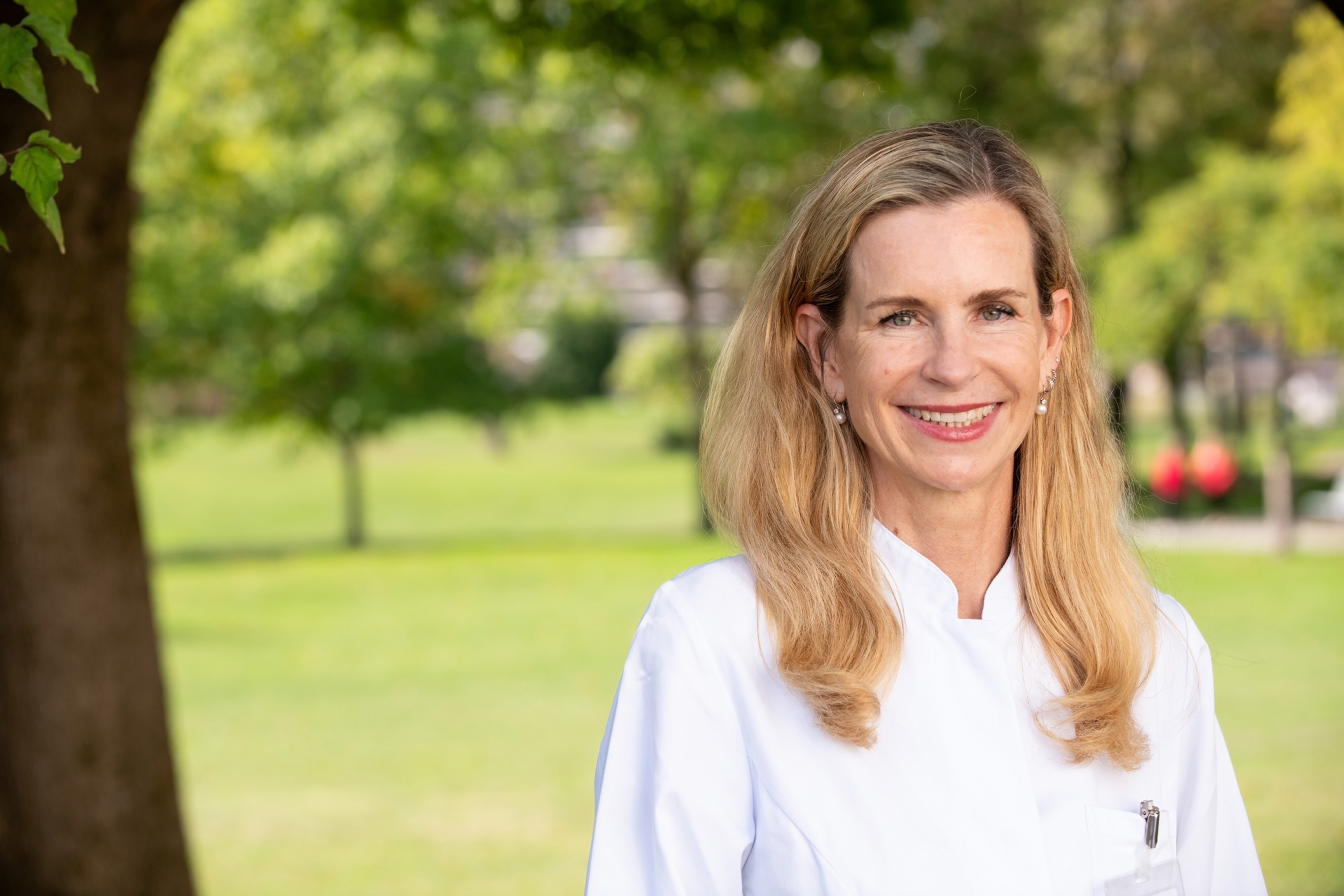
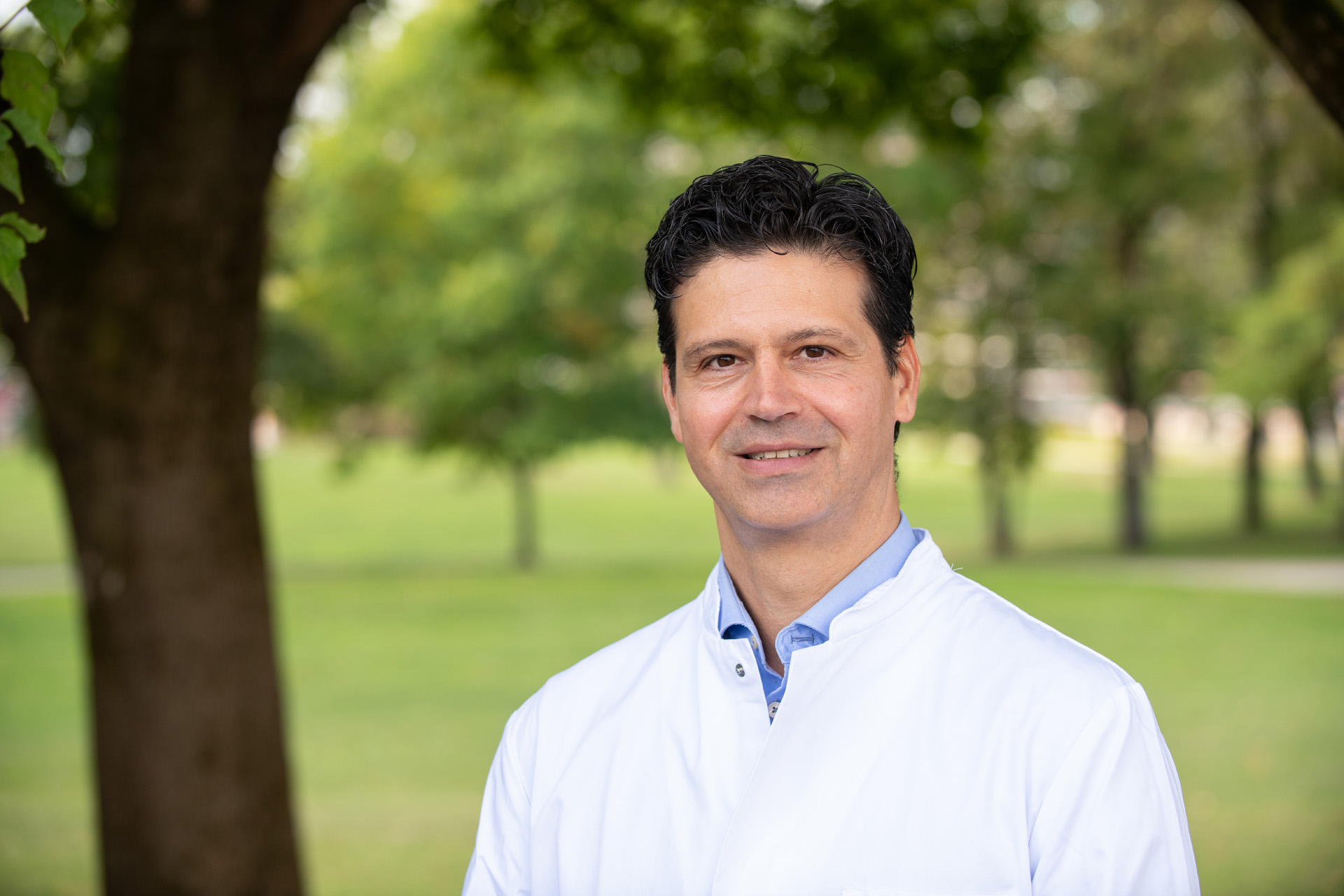
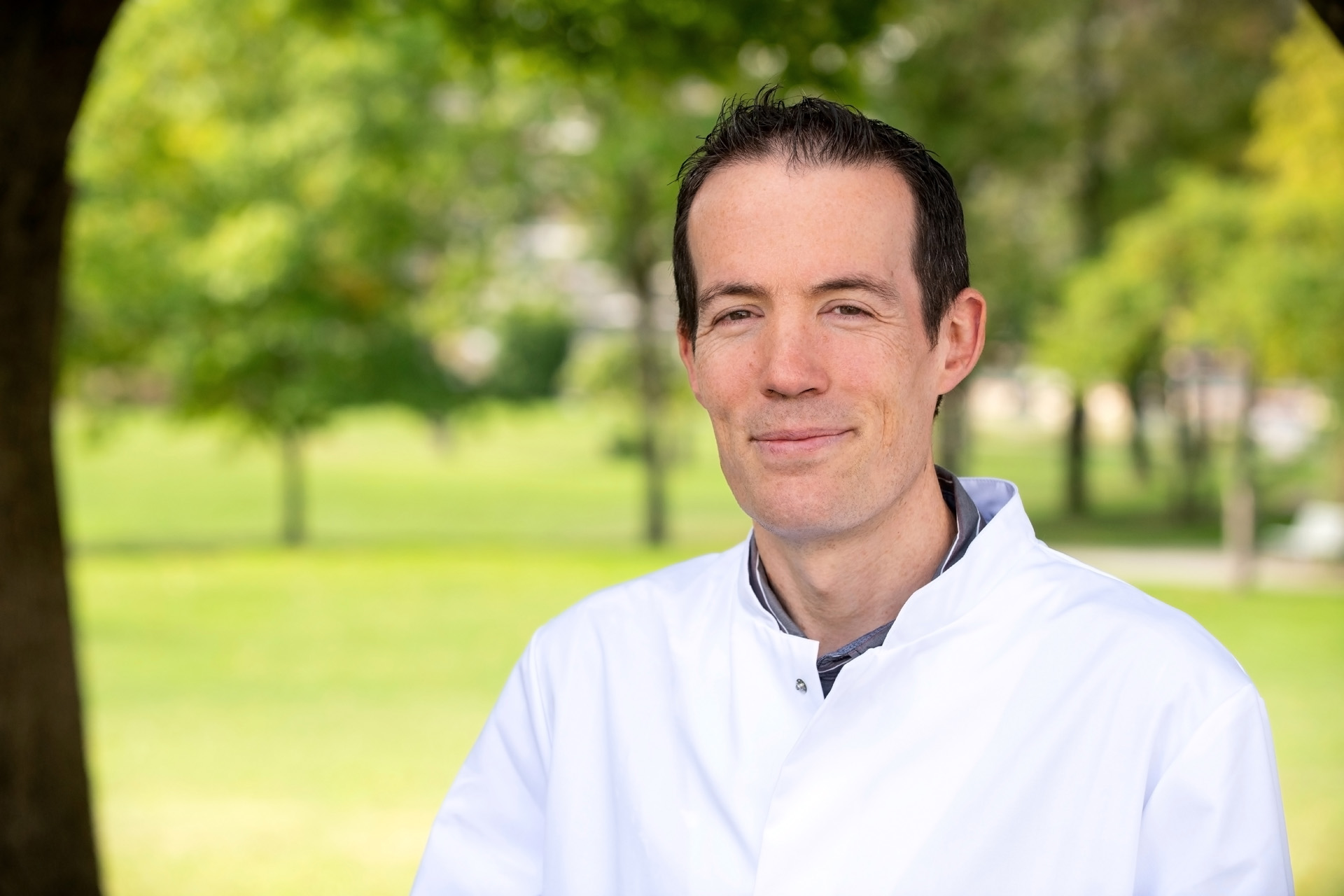
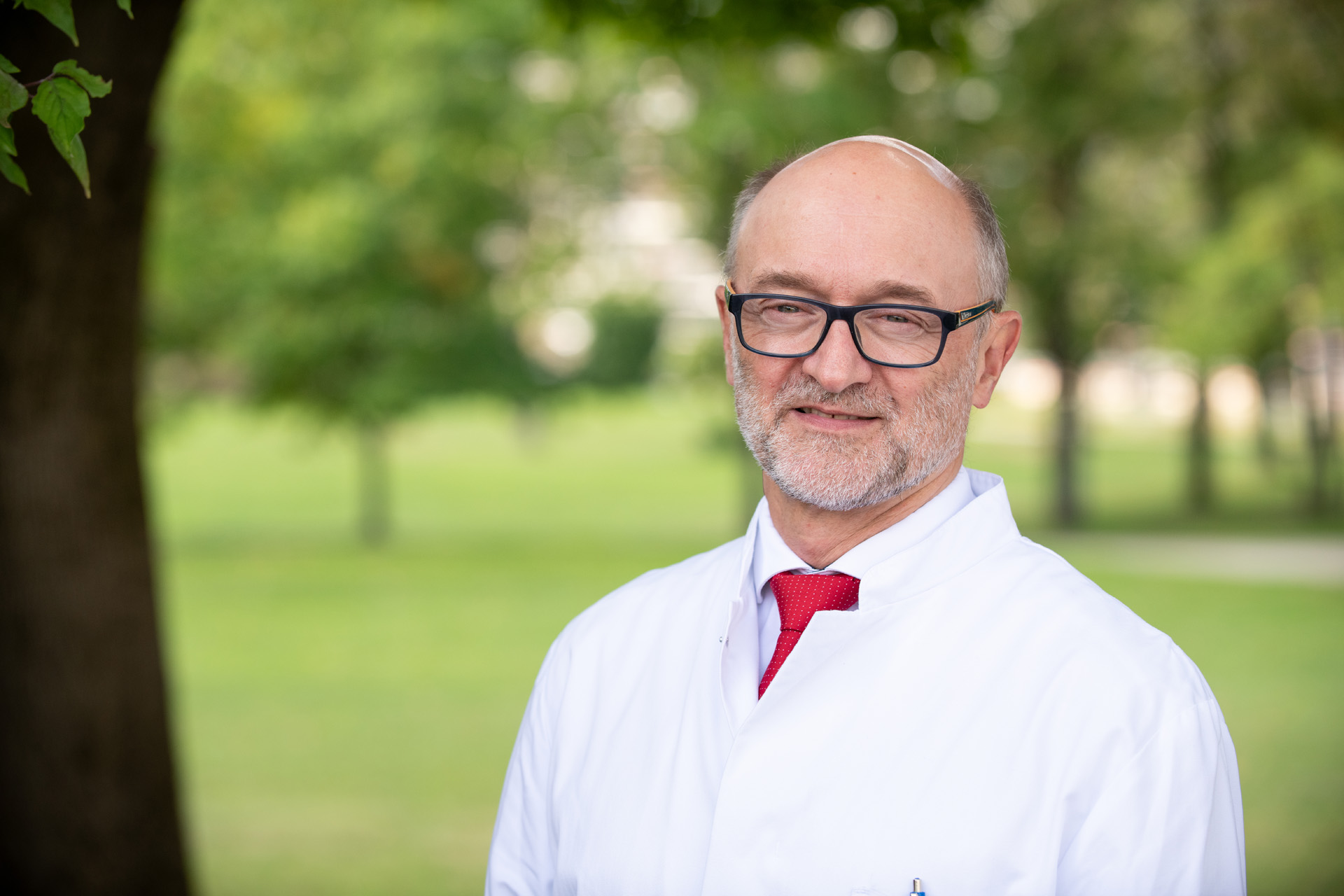
Division of Transfusion Medicine, Cell Therapeutics and Haemostaseology
Director: Prof. Dr. Andreas Humpe
Dr. Matthäus Bauer, Prof. Dr. Erwin Strasser
Department of Ophthalmology
Director: Prof. Dr. Siegfried Priglinger
Prof. Dr. Stylianos Michalakis
Department of Clinical Pharmacology
Director: Prof. Dr. Sebastian Kobold
Dr. Adrian Gottschlich
Interdisciplinary Center for Psycho-Oncology (IZPO)
Director: Dr. Friederike Mumm
Department of Pediatrics, Dr. von Hauner Children’s Hospital
Director: Prof. Dr. Dr. Christoph Klein
Department of Nuclear Medicine
Director: Prof. Dr. Rudolf Alexander Werner
Prof. Dr. Nathalie Albert
Department of Radiology
Director: Prof. Dr. Jens Ricke
Prof. Dr. Wolfgang Kunz, Prof. Dr. Sophia Stöcklein, PD Dr. Michael Winkelmann
Department of Medicine II
Director: Prof. Dr. Julia Mayerle
PD Dr. Stephanie-Susanne Stecher
Department of Medicine III
Director: Prof. Dr. Dr. Michael von Bergwelt-Baildon
Dr. Veit Bücklein, Dr. Adrian Gottschlich, Dr. Christian Rausch, PD Dr. Kai Rejeski, Prof. Dr. Joachim Stemmler, Prof. Dr. Marion Subklewe, Prof. Dr. Sebastian Theurich
Department of Neurosurgery
Director: Prof. Dr. Florian Ringel
Prof. Dr. Louisa von Baumgarten
Department of Neurology
Director: Prof. Dr. Günter U. Höglinger
PD Dr. Florian Schöberl, Dr. Katharina Schmidbauer
LMU Institute of Pathology
Director: Prof. Dr. Frederick Klauschen
Prof. Dr. Martina Rudelius
Comprehensive Cancer Center – CCC Munich LMU
Director: Prof. Dr. Volker Heinemann
PD Dr. Lena Weiss
Institute of Clinical Neuroimmunology
Director: Prof. Dr. Martin Kerschensteiner
Prof. Dr. Lisa Ann Gerdes, Prof. Dr. Tania Kümpfel
Department of General, Visceral und Transplantation Surgery
Director: Prof. Dr. Jens Werner
Department of Dermatology and Allergy
Director (acting): Prof. Dr. Michael Flaig
Prof. Dr. Lucie Heinzerling
Nephrology Center, Department of Medicine IV
Director (Großhadern Campus): Prof. Dr. Michael Fischereder
Dr. Ulf Schönermarck
Division of Rheumatology and Clinical Immunology, Department of Medicine IV
Director: Prof. Dr. Hendrik Schulze-Koops
Dr. Christina Gebhardt
Regional Collaborations
Hospitals and Medical Practices in Munich and the Surrounding Area
National Collaborations
Augsburg, Berlin, Erlangen, Freiburg, Hamburg, Heidelberg, Cologne, Leipzig, Regensburg, Tübingen, Würzburg
Participation in the German Lymphoma Alliance (GLA) and in DGHO working groups
BZKF – Bavarian Center for Cancer Research
DKTK – German Consortium for Translational Cancer Research
International Collaborations
Amsterdam, Barcelona, London, Lyon, Paris, Rotterdam
Mayo Clinic, MD Anderson Cancer Center, Memorial Sloan Kettering Cancer Center, Moffitt Cancer Center, National Institutes of Health, University of Pennsylvania
The center collaborates with regional, national, and European networks and is supported by public and private funding sources.
- BAYCELLator – Research Consortium
- Bavarian Center for Cancer Research (BZKF)
- German José Carreras Leukemia Foundation
- German Consortium for Translational Cancer Research (DKTK), Munich Partner Site
- DFG Research Group FOR 5621 OCU-GT
- GoCART Initiative by EBMT and EHA
- MetaboTargetAML
- MIRACLE
- M1 – Munich Medicine Alliance: CarIMMUN
- Collaborative Research Center/Transregio 338 – LETSIMMUN
As well as: The Bruno and Helene Jöster Foundation
Munich Center for Cell and Gene Therapy
Director: Prof. Dr. med. Marion Subklewe
Secretariat: Stefanie Grießhammer
More about the Center
CAR-T cell therapy began at LMU Medical Center in 2018 with the first cell collection; the first patient received their infusion in early 2019. This has evolved into a program that utilizes CAR-T therapies approved in Europe. By mid-2024, more than 150 patients had already been treated in this way. At the same time, a dedicated working group on treatment safety was established, whose findings now form the basis for treatment recommendations both in Germany and abroad.
In July 2026, this program became a center: the MCCG Munich Center for Cell and Gene Therapy—founded by five clinics and departments of the LMU Medical Center. It conducts its own studies, implements cell and gene therapies in close collaboration with the Department of Transfusion Medicine, and paves the way for other research groups to move toward clinical application. In the fall of 2026, gene therapy for beta-thalassemia and sickle cell disease will be added.
No single specialty deals exclusively with cell and gene therapies. This interdisciplinary approach is already reflected in the center’s leadership, which is jointly provided by the departments of Hematology and Oncology, Transfusion Medicine, Clinical Pharmacology, and Ophthalmology. We collaborate particularly closely with neurology and neurosurgery, as well as with radiology and nuclear medicine. Together, we support patients throughout their entire course of therapy, from imaging before treatment begins to the detection and treatment of side effects such as immune effector cell-associated neurotoxicity syndrome (ICANS). In addition, we are collaborating with these departments to develop biomarkers designed to predict which patients will benefit from a therapy and which are at increased risk for side effects. In this way, insights from clinical care flow directly back into translational research.
At the same time, the center enables all disciplines to make cell and gene therapies available to new patient groups. These include, among others, rheumatology at Medical Clinic IV, neurology and neuroimmunology, dermatology, pulmonology, and nephrology. Another key focus is ophthalmology, which is represented at the center with its own gene therapy procedures.
Several examples illustrate the scope of this collaboration: The center was the first in the world to use a T-cell engager as part of a compassionate-use application for systemic sclerosis (Magno et al., EJC). This approach was also used for antiphospholipid syndrome and immune thrombocytopenia, as published in the New England Journal of Medicine (Gottschlich et al., NEJM 2026).
Side Effect Management: The Immuno Task Force is a multidisciplinary group consisting of physicians, psycho-oncologists, and nurses dedicated to ensuring the safety of these therapies. It assesses individual risks prior to treatment, monitors the course of therapy, and remains available to patients and referring physicians to answer questions even after discharge.
Their work led to the development of the CAR-HEMATOTOX score, which Dr. Kai Rejeski developed in collaboration with Prof. Marion Subklewe at LMU Medical Center. It assesses the risk of persistent changes in blood counts before therapy begins and is used internationally. The group also played a leading role in drafting the Onkopedia guideline on CAR-T cell therapy—with Dr. Veit Bücklein as the first author and Prof. Marion Subklewe as the last author—and contributed to international consensus criteria.
The center conducts its own studies, ranging from preclinical development to investigator-initiated clinical trials, funded by, among others, the Federal Ministry of Education and Research, the Bavarian Center for Cancer Research, and the Bruno and Helene Jöster Foundation. Early-phase clinical trials are conducted through the Early Clinical Trial Unit of Medical Clinic III, headed by Dr. Veit Bücklein. This same infrastructure is available to research groups both within and outside the hospital that wish to bring their own procedures into clinical practice.