News | 10/11/2026
Infectious Disease Research

Join Now: 4,000 people wanted for a study on tick-borne infections

Anyone aged between 5 and 69 who lives in the districts of Amberg-Sulzbach or Schwandorf can take part in the MONID HABITRACK cohort study starting in November 2026.
Depending on weather conditions, ticks can remain active well into November. Since the beginning of the year, a research team* led by the Institute of Infectious Diseases and Tropical Medicine at LMU University Hospital Munich has been investigating since the beginning of the year how TBE and Lyme disease spread in the Amberg-Sulzbach and Schwandorf districts and which factors influence the risk of infection. The results are intended to help better identify high-risk areas and improve preventive measures. As part of this research, a comprehensive antibody study is now getting underway:
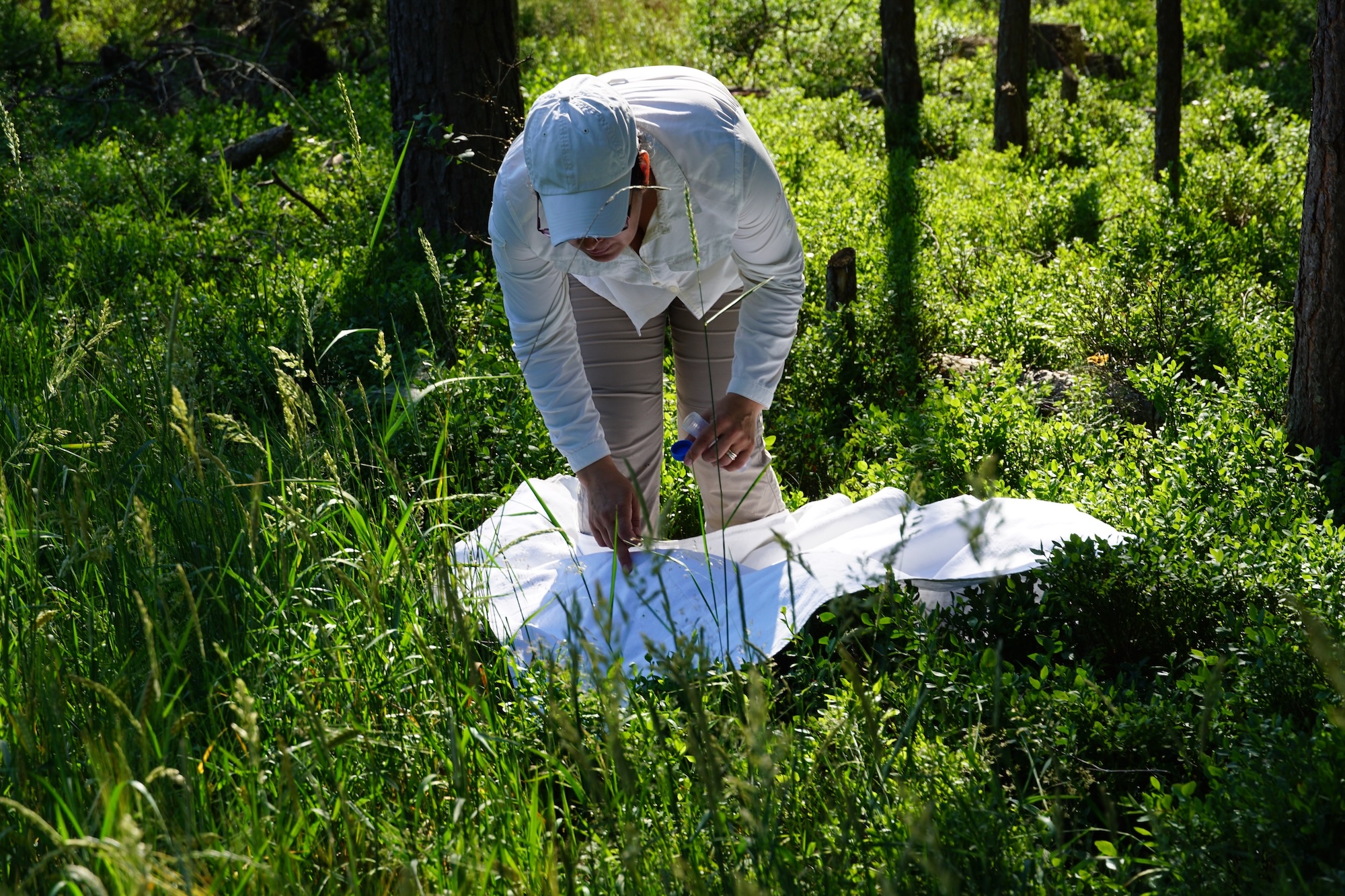
 Dr. Lidia Chitimia-Dobler (Fraunhofer ITMP) collecting ticks for research as part of the MONID HABITRACK project

Who can participate?

We are looking for up to 4,000 people between the ages of 5 and 69 (as of December 31, 2026) from the Amberg-Sulzbach and Schwandorf districts.

Participants will find out whether they already have antibodies against TBE or Lyme disease.

How does participation work?

Participation is free and can be done conveniently from home. After registering online, participants will receive a test kit. They will use it to collect a small blood sample from their fingertip. The sample is then tested in the lab for antibodies against the pathogens.

Would you like to support research on tick-borne infections in the region? If so, please register directly through the study website, where you’ll find more information about participating:

Get involved now

Prof. Noemi Castelletti, Ph.D., project coordinator and head of the Data Science Unit at the Institute of Infectious Diseases and Tropical Medicine at the LMU University Hospital Munich, calls for participation on behalf of the researchers: “The districts of Amberg-Sulzbach and Schwandorf are among those in Bavaria with particularly high numbers of TBE and Lyme disease cases. As a result, they are now serving as model districts to better understand transmission via ticks. We hope for active participation from the districts of Amberg-Sulzbach and Schwandorf. The more people from the region who participate in the MONID HABITRACK cohort study, the more meaningful the results will be. This will allow us to investigate more precisely how frequently tick-borne infections actually occur in these districts and which factors influence the risk of infection. Based on these findings, measures to protect against tick-borne infections will be improved. Another goal is to apply the insights gained to other regions.”


In addition to the Institute of Infectious Diseases and Tropical Medicine at LMU University Hospital, leading experts based in Bavaria are conducting research for the project, including those from the German Consultative Laboratory for TBE (DKF) in Munich, the Fraunhofer Institute for Translational Medicine and Pharmacology ITMP, Immunology, Infection, and Pandemic Research IIP in Penzberg/Munich, the Chair of Global Urbanization and Remote Sensing, Earth Observation Research Cluster at the Institute of Geography and Geology of Julius Maximilian University of Würzburg (JMU), and the Bavarian State Office for Health and Food Safety (LGL) with the National Reference Center for Borrelia.

About MONID HABITRACK

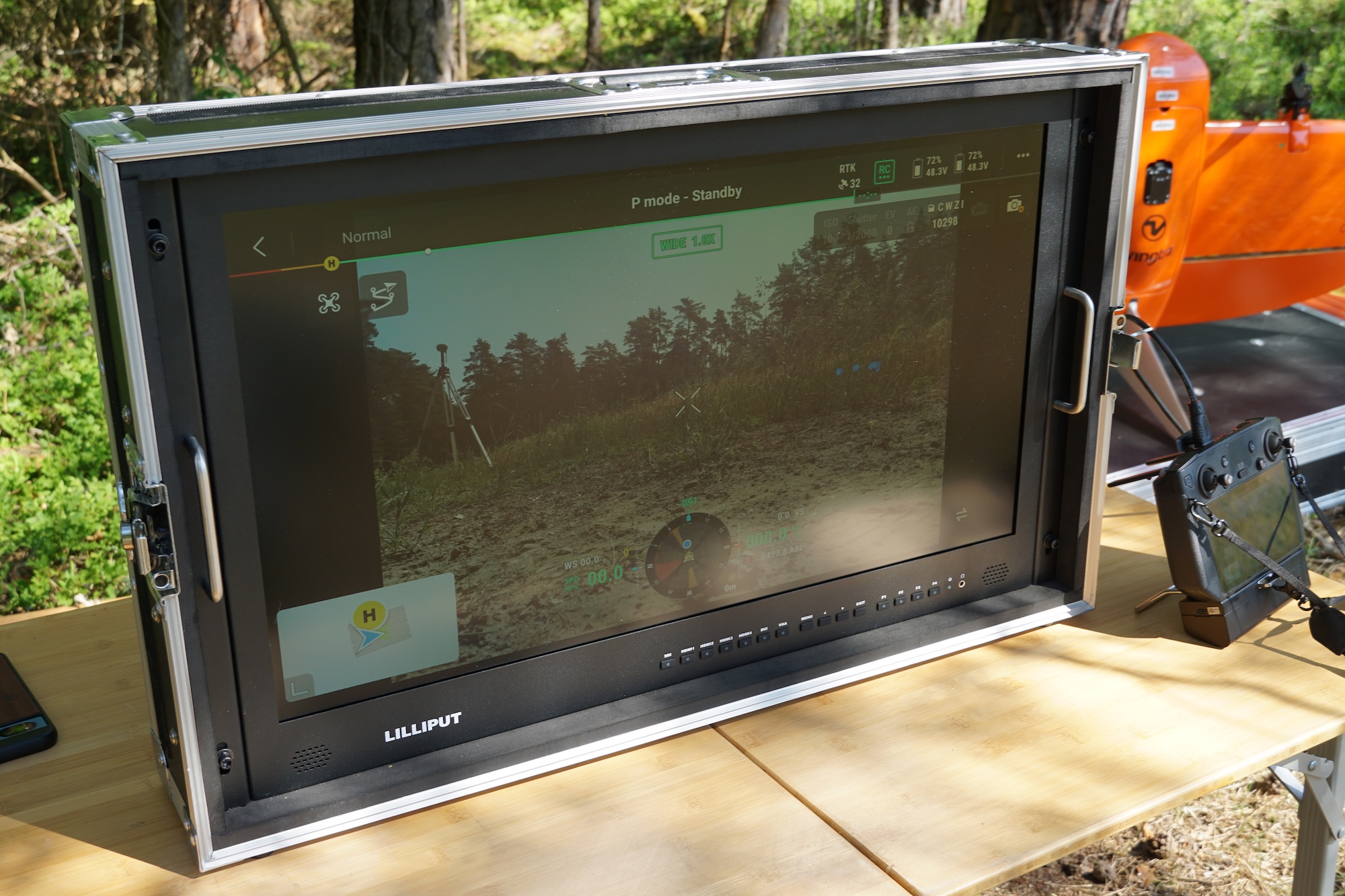
The antibody study is part of the MONID HABITRACK project, which was launched in January 2026. The goal of the project, which is funded with 1.8 million euros by the Federal Ministry of Research, Technology, and Space (BMFTR), is to more accurately predict the risk of infectious diseases transmitted by vectors such as ticks in the model region. To this end, the interdisciplinary team combines expertise in mathematical modeling, epidemiology, virology, entomology (the study of insects), and remote sensing, and utilizes innovative data and methods as well as drones and artificial intelligence.

The MONID HABITRACK project is funded by the Federal Ministry of Research, Technology, and Space (BMFTR) under grant number 031L0326A and is also part of the BMFTR-funded research network MONID (Modeling Network for Severe Infectious Diseases).

Scientific Contact

Prof. Noemi Castelletti, Ph.D.

Head of the Data Science Unit, Institute of Infectious Diseases and Tropical Medicine, LMU University Hospital Munich / University Medical Center of Johannes Gutenberg University Mainz; Head of the Biometrics Department

Christoph Sticha-Kaiser

Institute of Infectious Diseases and Tropical Medicine, LMU University Hospital Munich, Data Science Unit

Press Contact

Judith Eckstein

Institute of Infectious Diseases and Tropical Medicine, LMU University Hospital Munich

Originally translated with DeepL