News | 28/06/2024
NEGLECTED TROPICAL DISEASES

German research contribution to neglected tropical diseases (NTDs) is not increasing enough

More and long-term German investment in research centers in endemic countries needed
Although Germany is increasing its research into neglected tropical diseases (NTDs), this increase puts it below the average of the ten most productive countries in the world. In addition, research funding in this area has decreased since 2018. These are the findings of a study commissioned by the Federal Ministry of Education and Research (BMBF) under the leadership of the Bernhard Nocht Institute for Tropical Medicine (BNITM). The survey "An assessment of the contribution of German institutions to research on neglected tropical diseases" was presented in Berlin this evening. Among others, PD Dr. med. Inge Kroidl and PD Dr. med. Günter Fröschl from the Institute for Infectious Diseases and Tropical Medicine at the LMU Klinikum München contributed to the NTD expertise.
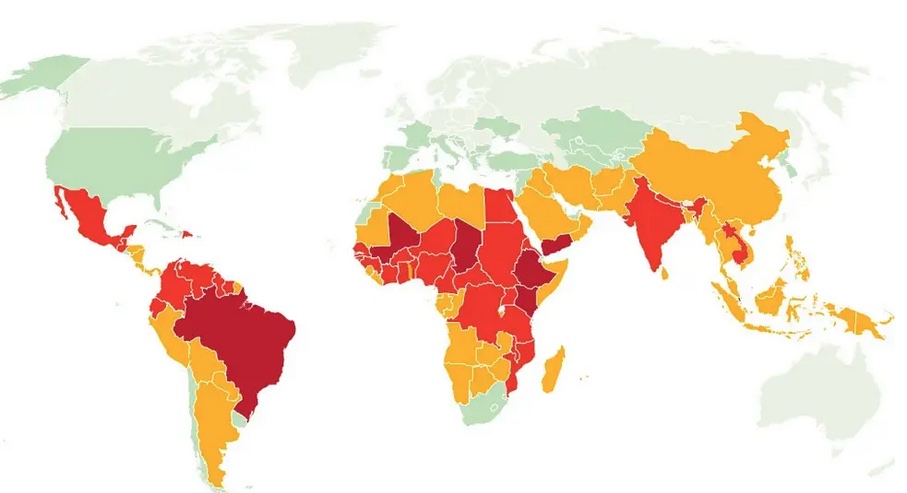
According to estimates by the World Health Organization (WHO), more than one billion people suffer from so-called neglected tropical diseases (NTDs). These mostly affect population groups that live in extreme poverty and have no access to adequate healthcare, education, water, hygiene and sanitation. The WHO currently lists 21 neglected tropical diseases, including snakebite poisoning and diseases caused by worms, protozoa, bacteria or viruses. Although there are treatment options or vaccinations for some of these diseases, they are difficult to obtain or unaffordable in most of the countries affected.

Back in 2018, NTD experts were commissioned by the Federal Ministry of Education and Research (BMBF) to determine for the first time what contribution German institutions make to research and development on neglected tropical diseases. The analysis was carried out in close cooperation with the Bernhard Nocht Institute for Tropical Medicine (BNITM), the German Network against Neglected Tropical Diseases (DNTDs), the German Society for Tropical Medicine, Travel Medicine and Global Health (DTG) and the German Society for Parasitology (DGP). This second survey is the first following the signing of the Kigali Declaration by the German government in 2022, in which Germany commits to the goal of contributing to the global fight against NTDs in the area of research and development.

In descending order, the most funding was provided for research into lymphatic filariasis, schistosomiasis, onchocerciasis and sleeping sickness. Most publications with German participation appeared on leishmaniasis, followed by dengue fever and schistosomiasis.

NTD expertise published

The survey "An assessment of the contribution of German institutions to research on neglected tropical diseases" was conducted by 31 NTD experts from 16 German research institutions and organizations. As far as possible, each expert tandem worked on a specific neglected tropical disease. They compiled evidence-based information, data and assessments from various sources. This included a systematic literature search for articles with at least one co-author from a German institution and a systematic search for publication metrics, patents and clinical trials. It proved difficult to determine the exact funding channels and amounts of German research: the results are based on trackers in voluntary databases as well as on information from German research institutions and bodies and two federal ministries. A further recommendation of the authors is therefore to set up a structured database for German NTD funding in Germany.

Original announcement and further information (BNITM website)