Helminth infections and co-infections
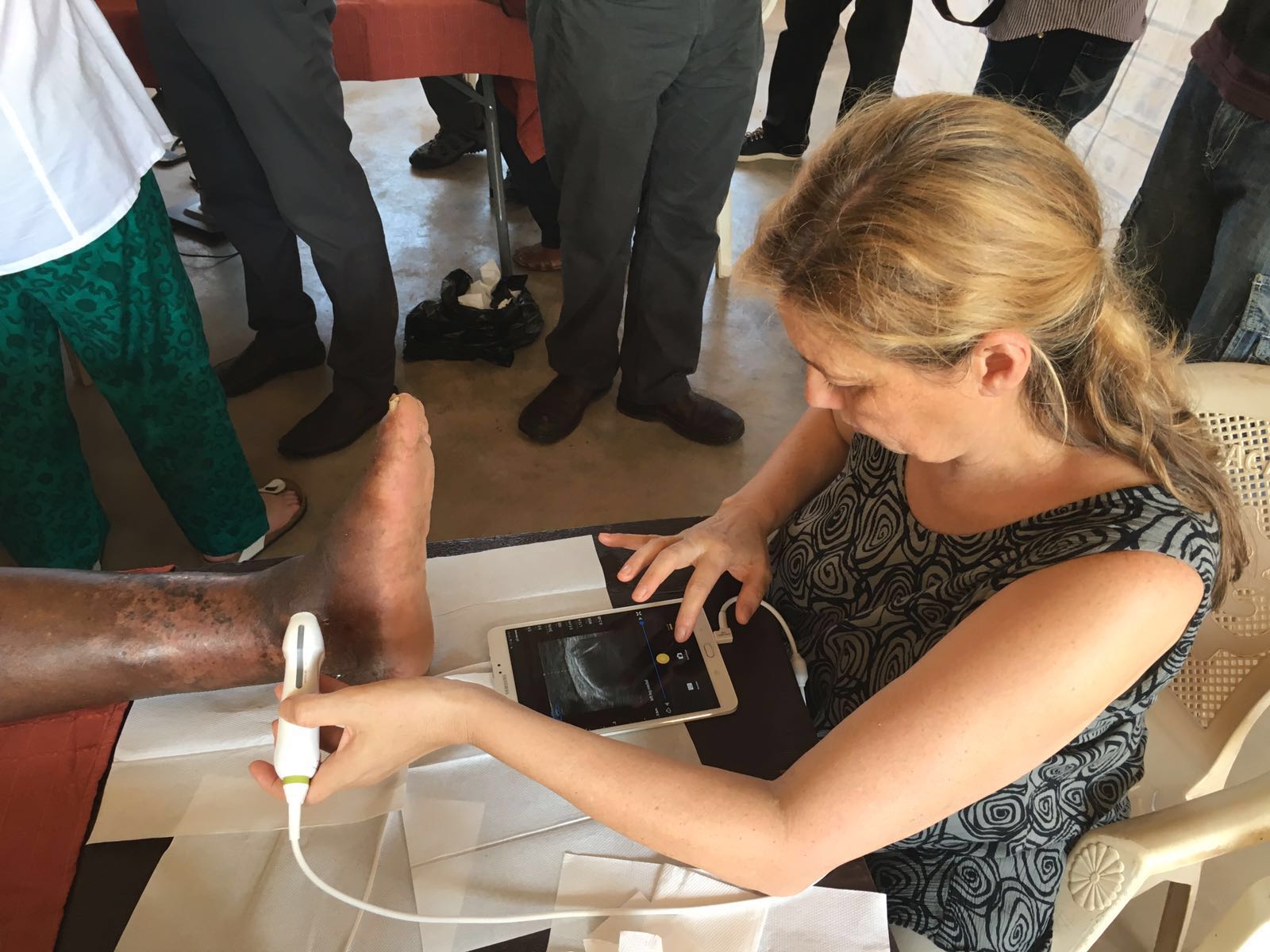
The group focuses on research into changes in the immune system caused by helminths and their consequences. Various studies are investigating the influence of Wuchereria bancrofti and Schistosoma haematobium on co-infections with HIV, HPV, SARS-CoV-2 or tuberculosis.
Helminths are parasitic worms that disproportionately infest the world's poor and cause chronic disease in a quarter of the world's population. Depending on their survival conditions and location in the host, helminths can cause a range of symptoms and pathologies. For example, liver fibrosis, bladder cancer and genital changes in schistosomiasis, or lymphoedema and hydrocele in lymphatic filariasis (LF) caused by Wuchereria bancrofti. In addition to the morbidity associated with the infections, immunological changes have also been described. These contribute to the worm's ability to create a situation that is tolerable for the host, allowing the helminth to survive for several years and continue to multiply.
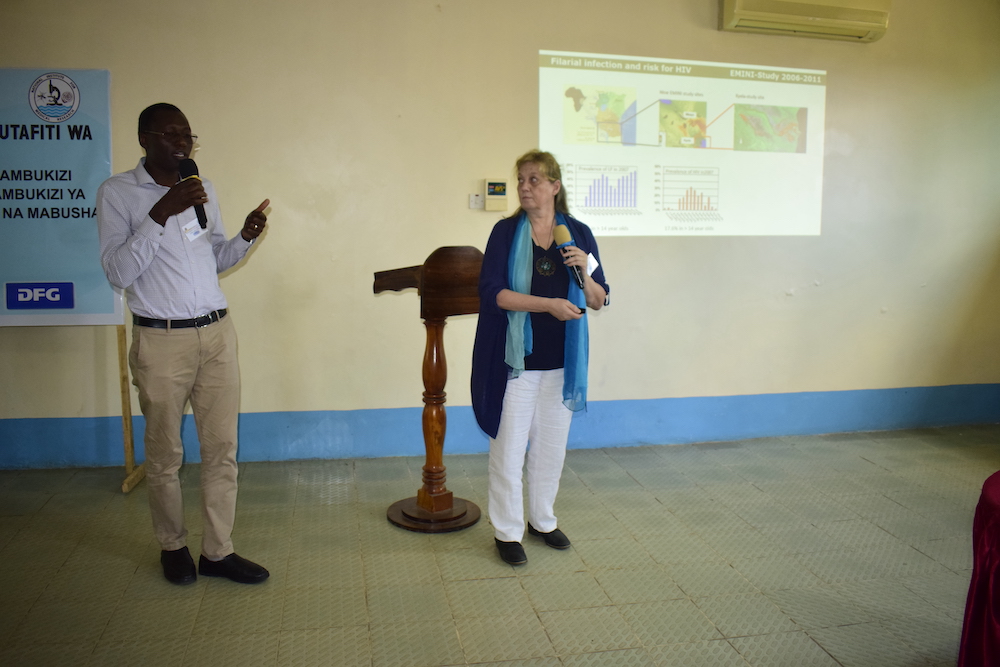
The disproportionately high prevalence of human immunodeficiency virus (HIV) in sub-Saharan African communities had previously led to the hypothesis that helminth infections could increase the risk of HIV transmission. This concept was originally based on the realization that helminth infections can trigger a Th2-type immune response in the host and simultaneously downregulate the host's Th1-type antiviral response, thus increasing a person's susceptibility to HIV infection and could therefore be a major factor in the HIV pandemic that has spread in sub-Saharan Africa. In a large epidemiological study of the normal population in Tanzania, this correlation was confirmed in 2016 by our working group for infections with the blood and tissue nematode W. bancrofti.
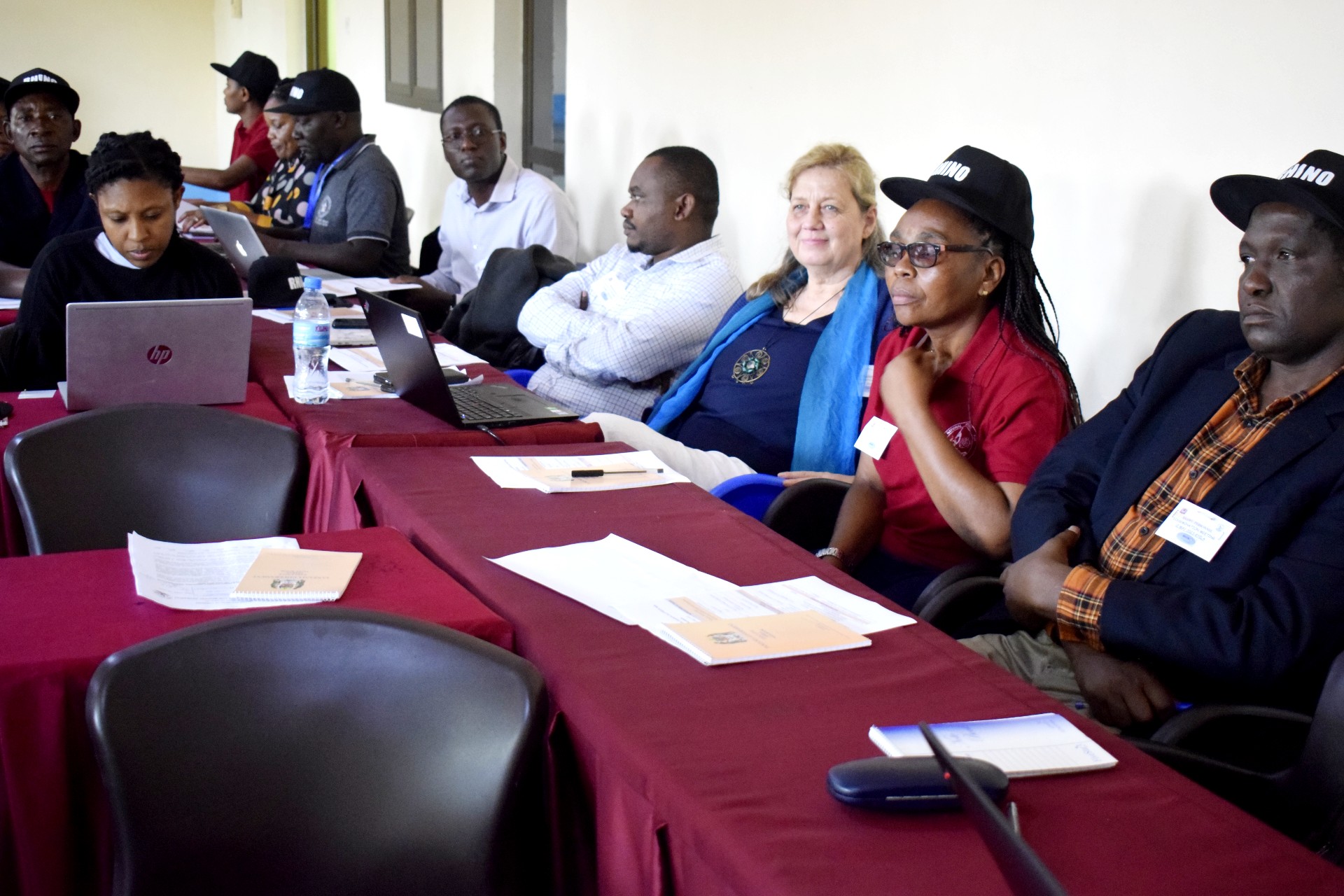
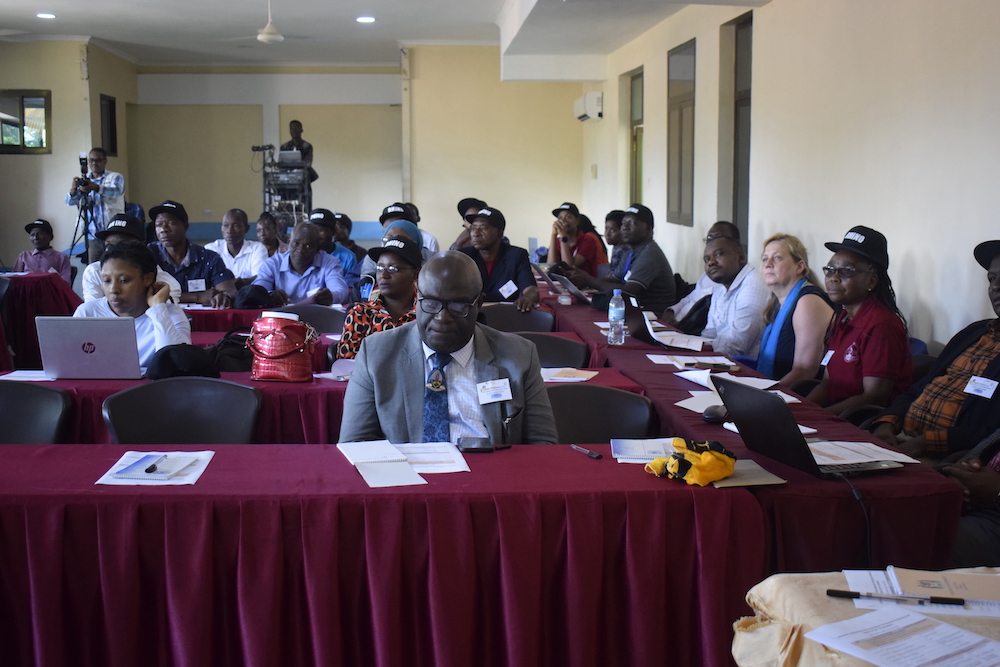
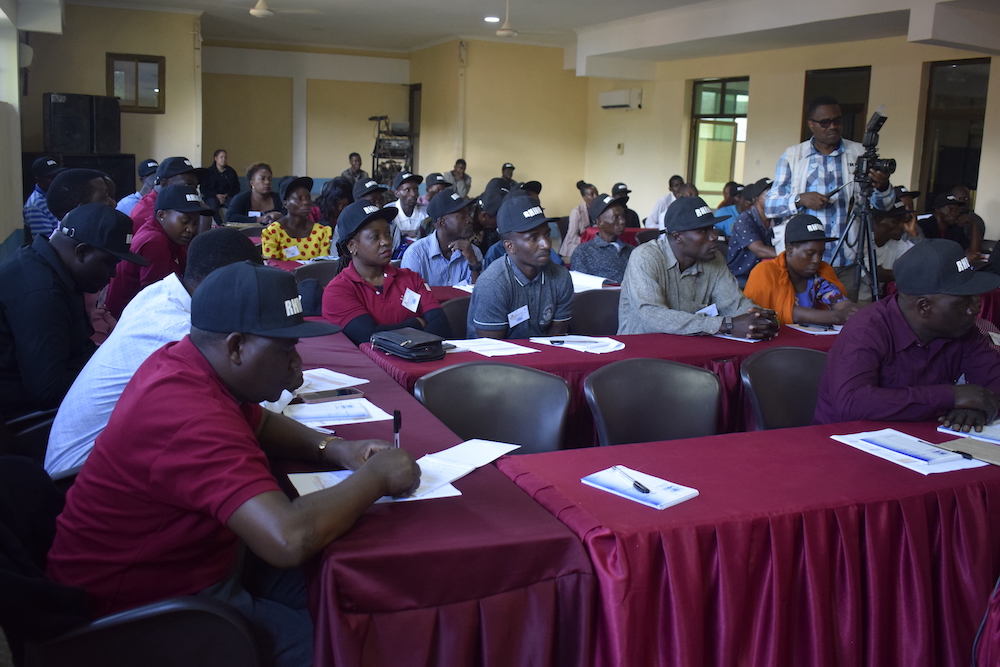
In the RHINO study (Risk of HIV Infections through Nematode Organism), examinations of peripheral blood and genital cells are carried out on study participants infected with Wuchereria bancrofti in order to characterize pathophysiological changes responsible for the increased susceptibility to HIV in more detail. Furthermore, a possible association with human papilloma viruses (HPV) is being investigated.
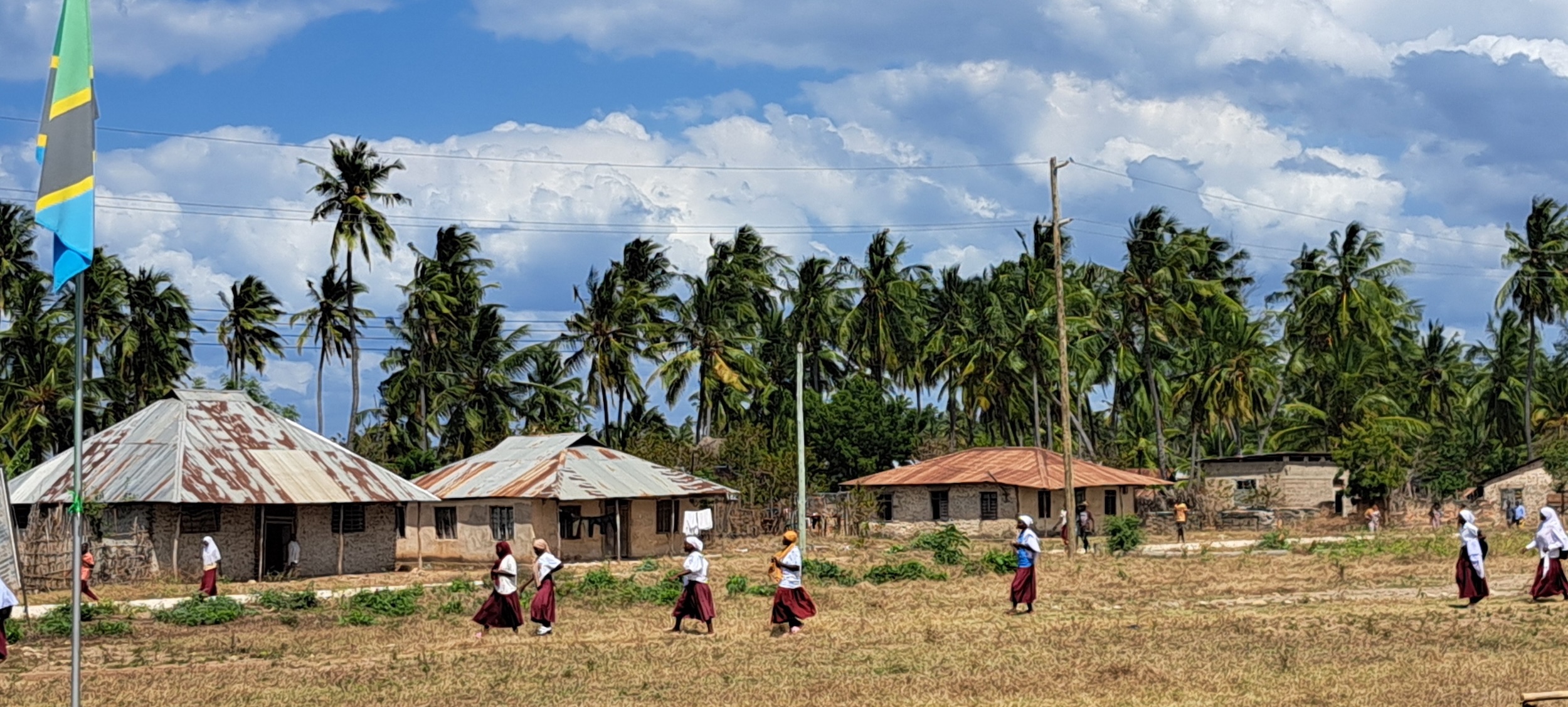
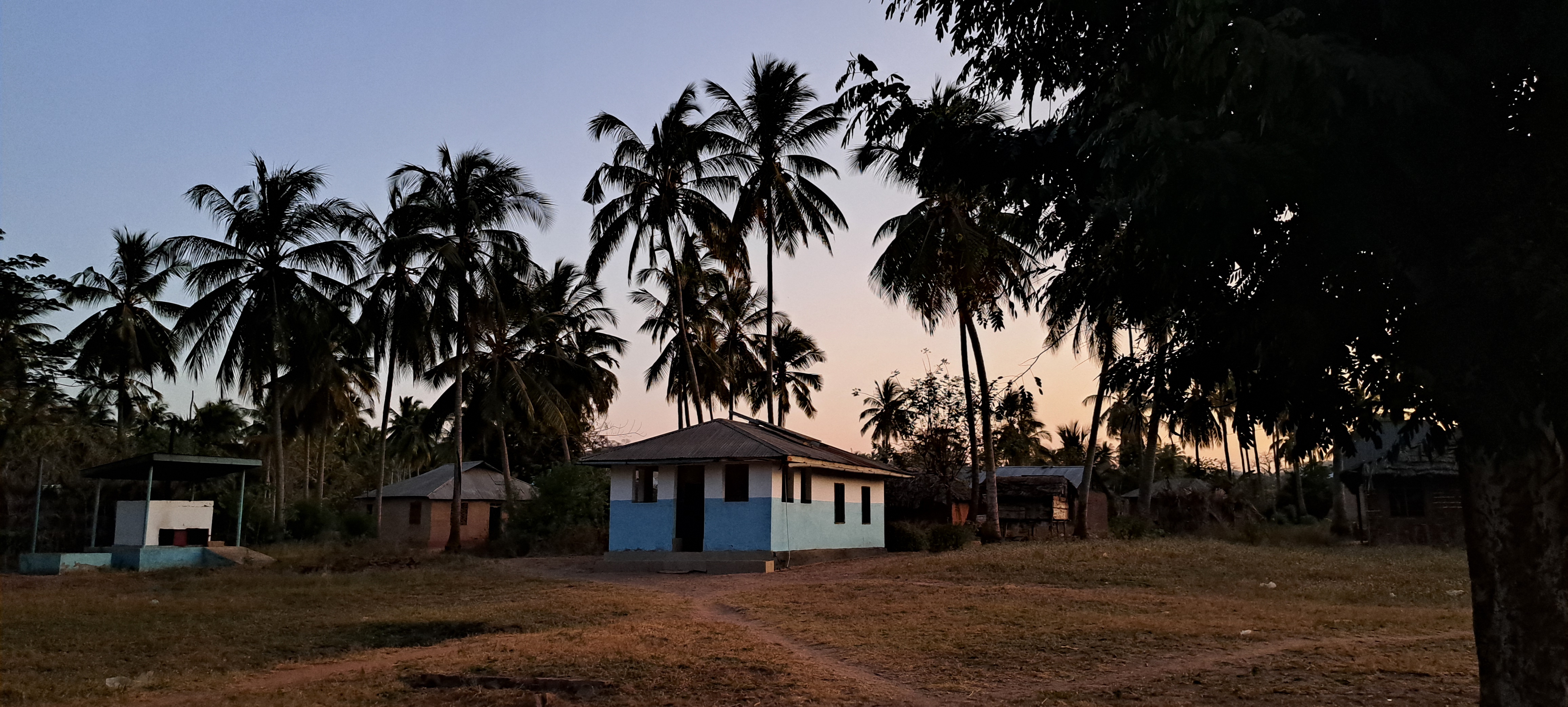
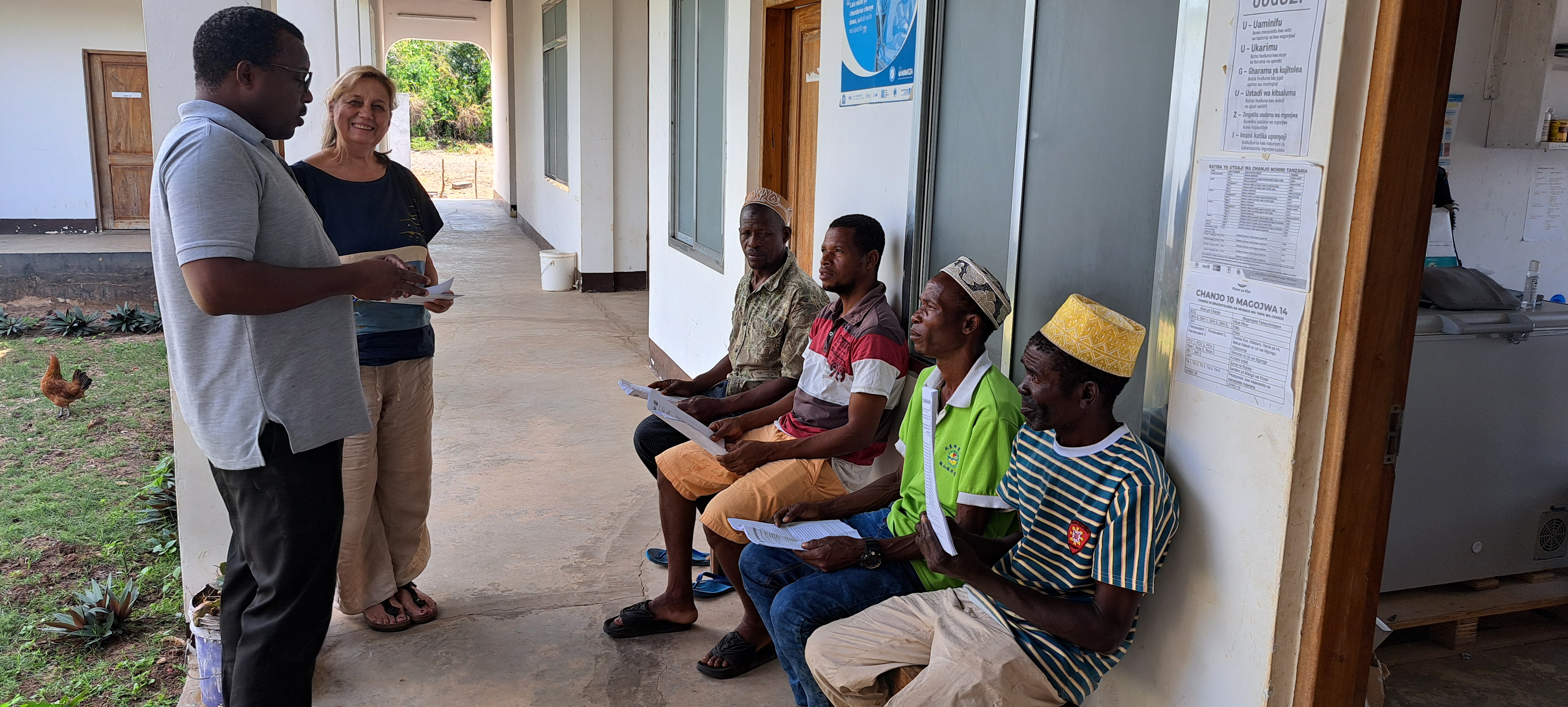
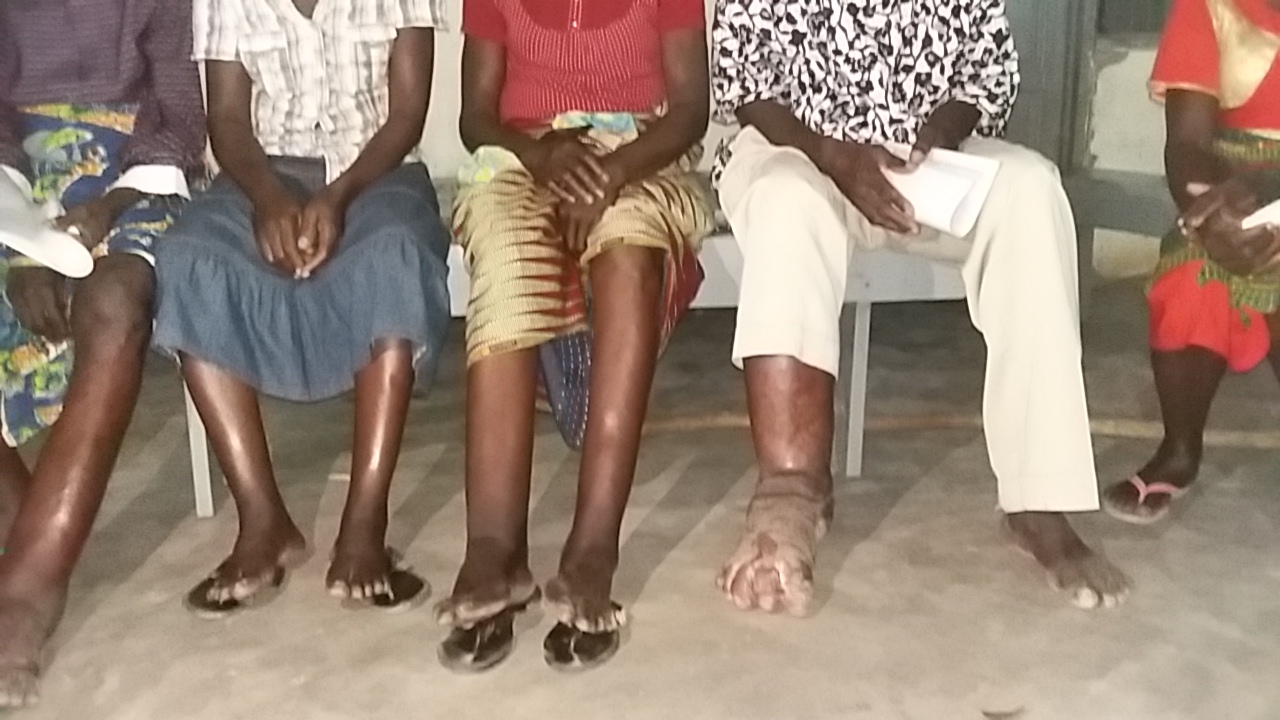
The TAKeOFF consortium, consisting of researchers from the Institute of Medical Microbiology, Immunology and Parasitology in Bonn and the LMU Klinikum München, as well as scientists from Tanzania, Ghana and Cameroon, has been in existence since 2016. In the first funding period of the "Research Networks for Health Innovations in Sub-Saharan Africa" of the Federal Ministry of Education and Research (BMBF) 2016-2021 (cf. Factsheet on the TAKeOFF consortium), the TAKeOFF consortium has mainly focused on the pathological changes of lymphatic filariasis (LF), caused by an infection with Wuchereria bancrofti [1-3], and podoconiosis [4], caused by silicates in the soil.
The existing drugs available in African countries in recent years for the treatment of LF, ivermectin and albendazole, mainly reduce the filarial larvae in the blood but have little effect on the life of the adult worm. The recurrent episodes of fever and attacks of lymphangioadenitis caused by the adult worm lead to the development of chronic lymphoedema in the long term. A clinical trial with doxycycline to slow down the progression of filarial-induced lymphoedema or to achieve an improvement was carried out in Tanzania and Ghana. Through networking between the TAKeOFF consortium and the Center for Disease Control (CDC) in Atlanta, this study was also examined in three other countries, Mali, Sri Lanka and India. In addition, a study on the effect of doxycycline on podoconiosis was conducted in Cameroon. The LMU team determined various markers of immune activation and immune exhaustion on peripheral CD4 and CD8 T cells during the study in order to determine the effect of doxycycline on the immunological situation.
In the second funding period of the BMBF research networks from 2023-2028, the patient cohorts recruited for the clinical trial will continue to be monitored to see whether there are any longer-term successes. Certain patterns have also emerged within the patient cohorts, such as the presence of concomitant non-communicable diseases (NCDs), whose influence on the progression of filarial lymphoedema will now be evaluated in detail. In addition, studies are planned on hot spots (areas with a high prevalence) that jeopardize the successes achieved in regions that have almost achieved elimination of the pathogen.
In TAKeOFF-2, we will address these hot spots with three different strategies. Firstly, a test & treat strategy will be implemented in which individual infected persons are sought and treated (Research Task (RT) 4). Secondly, xenomonitoring will be implemented to eliminate the vectors of transmission (RT 3). In addition, interviews and discussions will be held to dispel any fears that may stand in the way of taking the medication (RT 3). When recruiting patients for the test & treat strategy, blood samples are taken. These blood samples from study participants, who represent a spectrum of the local population, are suitable for further investigations for RT 7, which examines whether infections with filariae (LF or onchocerciasis) can influence immunity to SARS-CoV-2. Dr. Inge Kroidl from the LMU Klinikum is mainly responsible for RT 7 and is involved in the implementation and evaluation of the other activities mentioned above.
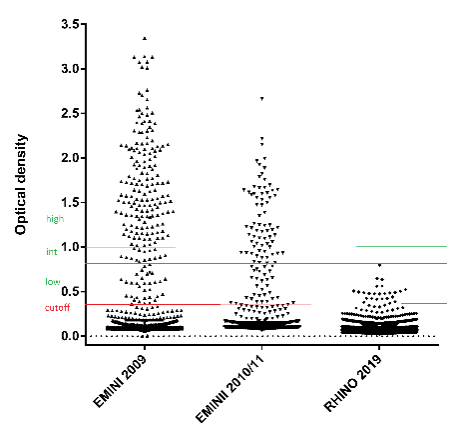
In the RHINO study(Riskof HIV Infectionsthrough Nematode Organism), investigations are being carried out on study participants infected with Wuchereria bancrofti (WB). Colleagues from the Institute of Medical Microbiology, Immunology and Parasitology in Bonn and scientists from Tanzania and Ghana are involved, together with our working group at the LMU Clinic.
In a large prospective study, an increased incidence of HIV was found in people infected with WB [1, 2]. In order to characterize pathophysiological changes that are responsible for this in more detail, cells of the peripheral blood and the genital mucosa of WB-infected persons are being examined more closely in the RHINO study [3]. There is also a follow-up study of the initial study participants [4].
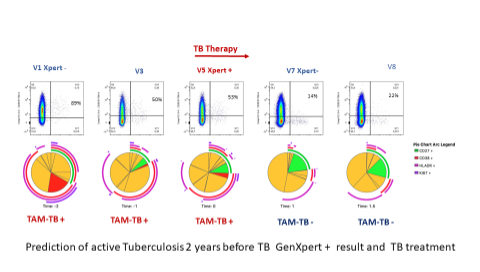
AFRICOS (2013-2028): The African Cohort Study (AFRICOS) has been prospectively enrolling adults in 11 settings in Uganda, Kenya, Tanzania and Nigeria since January 2013, with the primary aim of evaluating HIV treatment services and the general health of people living with HIV. 3500 people living with HIV infection and 500 people without this infection are examined and interviewed twice a year in the AFRICOS study. The AFRICOS study was initiated by the Warter Reed Army Institute for Medical Research (WRAIR) and is part of the PEPFAR program (President's Emergency Plan for AIDS Relief), which was initiated under President Bush. Our working group at the LMU Hospital has been a research partner since the beginning of the study and has mainly concentrated on the epidemiology of tuberculosis, early diagnosis, risk factors etc.. To this end, Chris Geldmacher's working group developed a T cell activation marker test for tuberculosis (TAM-TB). In Munich, cells from the study participants in the AFRICOS cohort were mainly analyzed by Mohamed Ahmed from the Infection and Immunity team and Sacha Horn from our research group [1] Further evaluations of the diagnostic value of the interferon-gamma release (IGRA) assay Quantiferon and the Xpert MTB/RIF in theAFRICOS cohort are in progress. Previous studies in Germany and Tanzania have described the value of various diagnostic tests for tuberculosis [2-5].