HIV, co-infections and vaccine studies
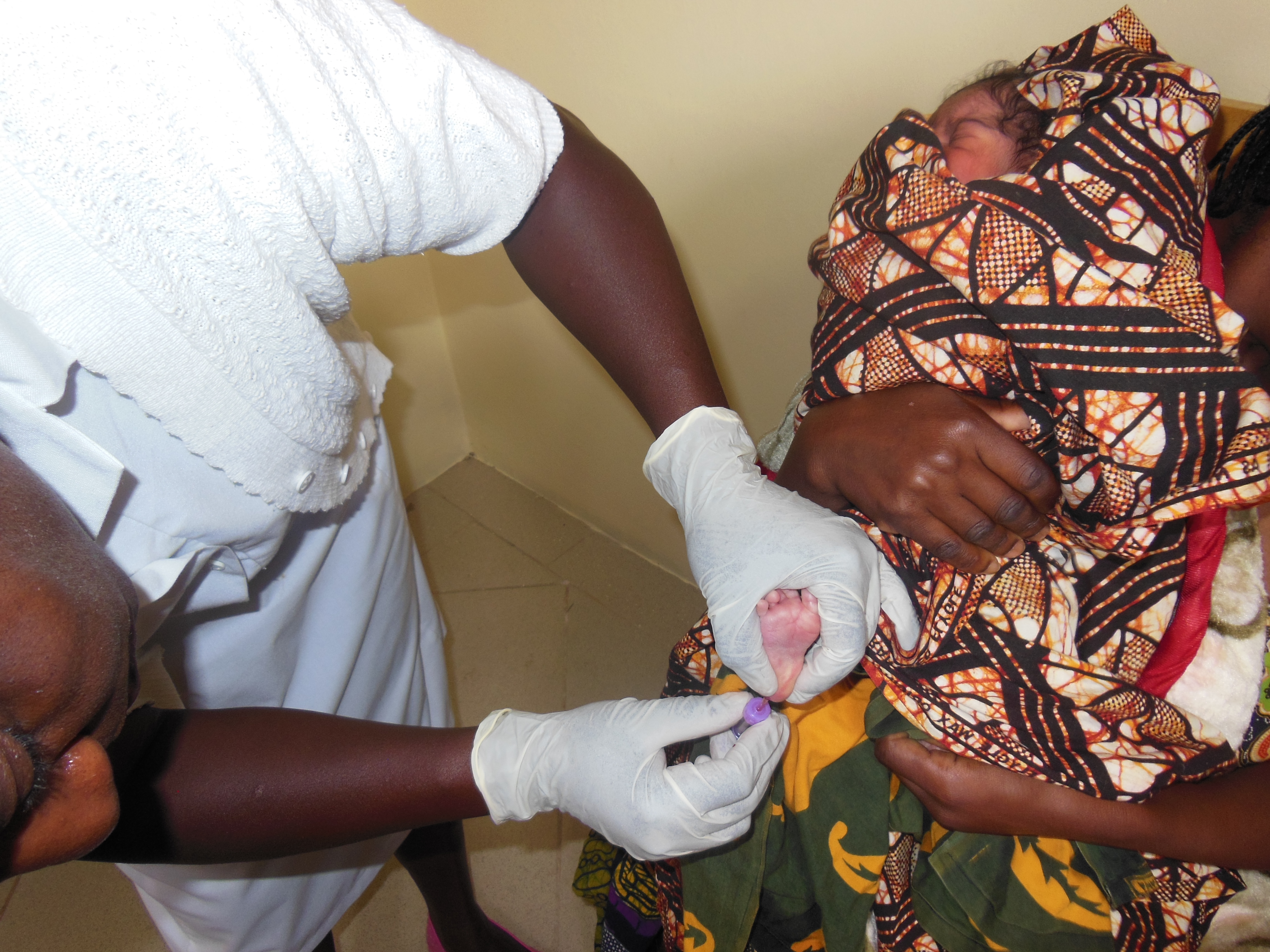
The group has various research focuses: These concern studies on mother-to-child transmission of HIV, as well as the evaluation of new HIV point-of-care (PoC) diagnostics for early identification of neonatal HIV infection and maternal risk factors for vertical HIV transmission in Africa. The LIFE study, funded by the European & Developing Countries Clinical Trials Partnership (EDCTP), is currently investigating the clinical impact of point-of-care (PoC) diagnostics on neonatal mortality and morbidity, as well as on HIV mother-to-child transmission rates in a cluster-randomized study design at 28 primary health centers in Mozambique and Tanzania.
A currently developing aspect is the use of broadly neutralizing HIV-specific antibodies as a preventive intervention for newborns to protect against mother-to-child HIV transmission. In this regard, the natural occurrence of neutralizing antibodies in HIV-infected persons in Tanzania is being investigated in collaboration with the German Center for Infection Research (DZIF) and the University of Cologne (working group of Prof. Florian Klein), as well as new surrogate markers for the spread of latent HIV reservoirs in collaboration with the virology department of the Max von Pettenkofer Institute in Munich (Prof. Oliver Keppler, Dr. Maximilian Münchhoff). Furthermore, with the support of the Vaccine Research Center (VRC) of the US National Institute of Health (NIH), funding was successfully obtained for a research project for the clinical investigation of preventive passive HIV immunization with neutralizing antibodies in HIV-exposed newborns in Africa.
Another focus is the development, tolerability and efficacy testing of preventive HIV vaccines, which has been carried out in various phase II studies in Africa in recent years. The EDCTP (European & Developing Countries Clinical Trials Partnership) funded PrEPVacc consortium has developed from these studies, consisting of European (Imperial College, UK; LMU Munich; Karolinska Institute, Sweden) and African partners (Uganda, Tanzania, South Africa, Mozambique). At the end of 2020, recruitment began for the long-planned, multicenter HIV vaccine phase IIb efficacy study, in which a prime-boost regimen (multiclade DNA, MVA vector, adjuvanted protein vaccine) is being investigated in combination with antiretroviral pre-exposure prophylaxis with the aim of preventing HIV infection.
Another focus is the investigation of infectious diseases, particularly in connection with HIV co-infection. In cooperation with the Department of Virology at the Technical University of Munich (Prof. Ulla Protzer), we are part of the DZIF-funded TherVacB research consortium, which is investigating the efficacy of a therapeutic hepatitis B vaccine in chronically infected hepatitis B patients. Part of this takes place at our Tanzanian partner. Furthermore, in collaboration with the working group of Prof. Christof Geldmacher of our institute, the interaction of HIV with the human papilloma virus (HPV), as well as the occurrence and course of HPV-associated cervical diseases in women in Tanzania are being investigated in the long-term, DFG-funded 2H study.
In the context of the COVID-19 pandemic, the focus of the working group in 2020 was temporarily shifted to clinical research into a COVID-19 vaccine. In this regard, protocols for Phase I/II and Phase IIB/III studies based on the CureVac mRNA vaccine were implemented, and a Phase I/II study with a DZIF-funded MVA vector vaccine was developed.
Dr. med. Arne Kroidl is also co-head of the research group on antimicrobial resistance (AMR) (see ASPIRE project) and involved in SARS-CoV-2 research projects (e.g. SARS-CoV-2 sero-incidence cohort in Jimma, Ethiopia, with PD Dr. Andreas Wieser) and research in the field of HPV (with research group Infection Immunology, Prof. Christof Geldmacher/Dr. Kathrin Held).



The ASPIRE Consortium is an African-European collaborative network supported by the Global Health European & Developing Countries Clinical Trials Partnership 3 (Global Health EDCTP3) conducting research projects in Ghana and Ethiopia. The focus of the ASPIRE Consortium is antimicrobial resistance (AMR) characterization and surveillance, hospital hygiene and infection prevention and control (IPC), antibiotic stewardship (ASP) support, and identification of novel and adapted interventions in the fight against AMR.
Combining expertise in clinical infectious disease, microbiology, infection prevention and control, health economics and eHealth systems, we cover a broad and multi-disciplinary range to design, support and conduct implementation research in African countries.
Our institute is a partner and the overall coordinator of the project.
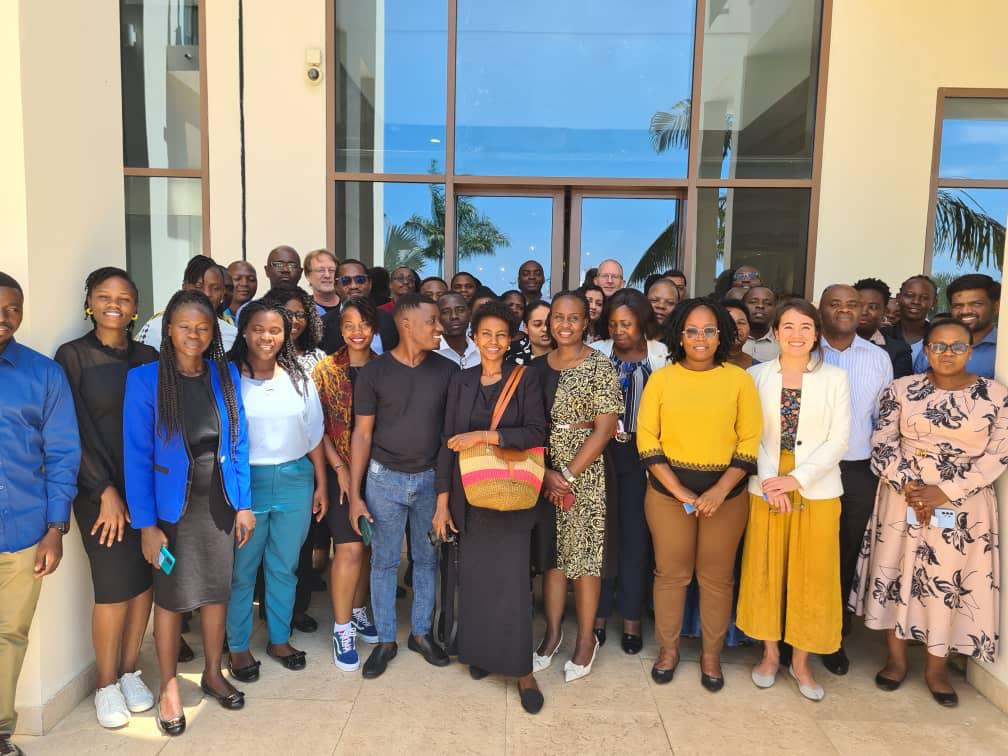
In January 2024, the NIMR - Mbeya Medical Research Center in Tanzania hosted the consortium kick-off meeting of the LIFE2Scale study. The cluster randomized study will be conducted at primary & district health facilities in Tanzania and Mozambique. It aims at optimizing program efforts towards the elimination of vertical HIV transmission (source: Kick-off meeting 2024, see X Account NIMR Mbeya)
In February 2024, the National Institute for Medical Research (NIMR) in Tanzania organized a country-wide multi-disciplinary workshop including researchers, a delegation from the Tanzanian Ministry of Health, implementing partners of PEPFAR (the President's Emergency Plan for AIDS Relief, a United States government initiative), laboratory experts, system analysts and software engineers(read more).