Mouse Behavioral Unit
Head: Prof. Dr. Moritz Rossner
Research Interests: Genetic Models of Psychiatric Risk Genes, Behavioral Analysis of Mouse Models
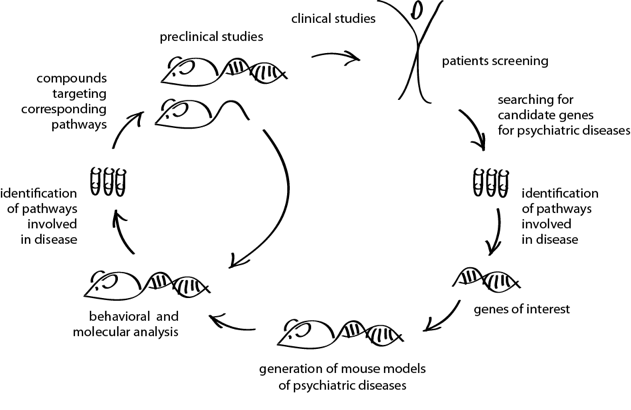
We focus on the analysis of genetic and environmental risk factors in mouse models, to study (i) disease mechanisms and (ii) to conduct preclinical therapy trials (Forward and Reverse Translational Medicine).
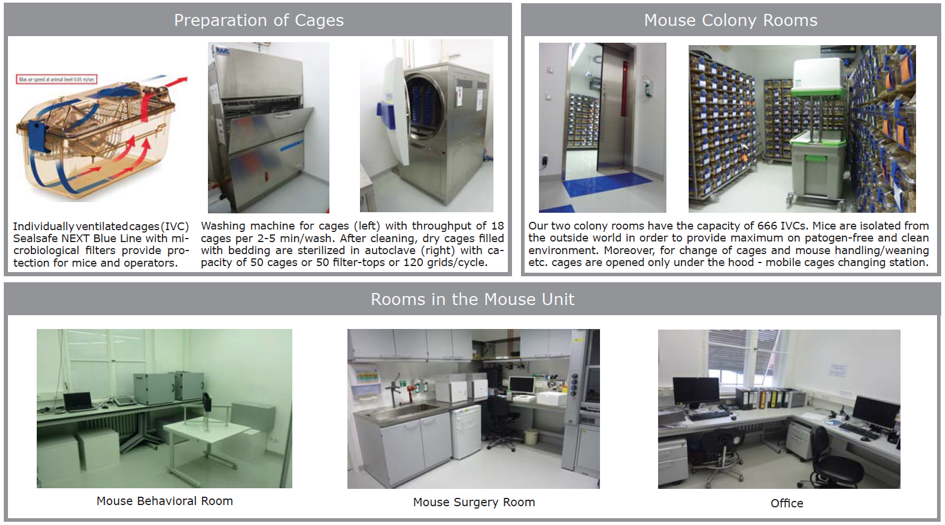
The mouse unit within the department is equipped with state-of-the-art equipment to house and analyze mouse models.
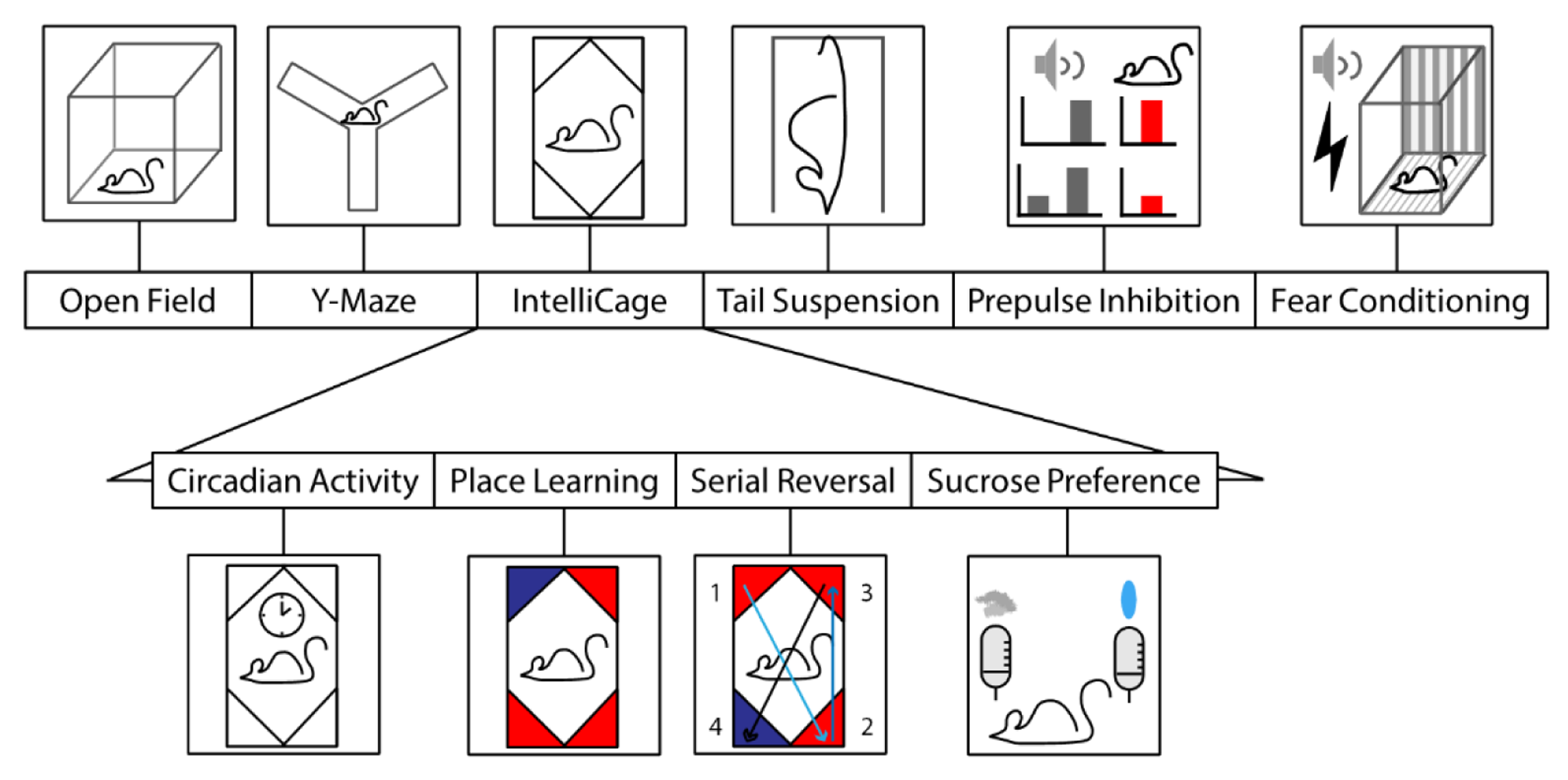
Modelling the entirety of symptoms of psychiatric disorders in mouse models is not possible. Instead, we screen for specific sets of behavioral traits, such as cognition, positive and negative valence, circadian activity and arousal in a series of tests as depicted in the figure below. We call this semi-automatized approach PSYCOP battery which stands for: Platform for SYstematic behavioral and COgnitive Profiling) (see Front. Behav. Neurosci., 14 January 2021 | https://doi.org/10.3389/fnbeh.2020.618180 for detailed description of all tests).
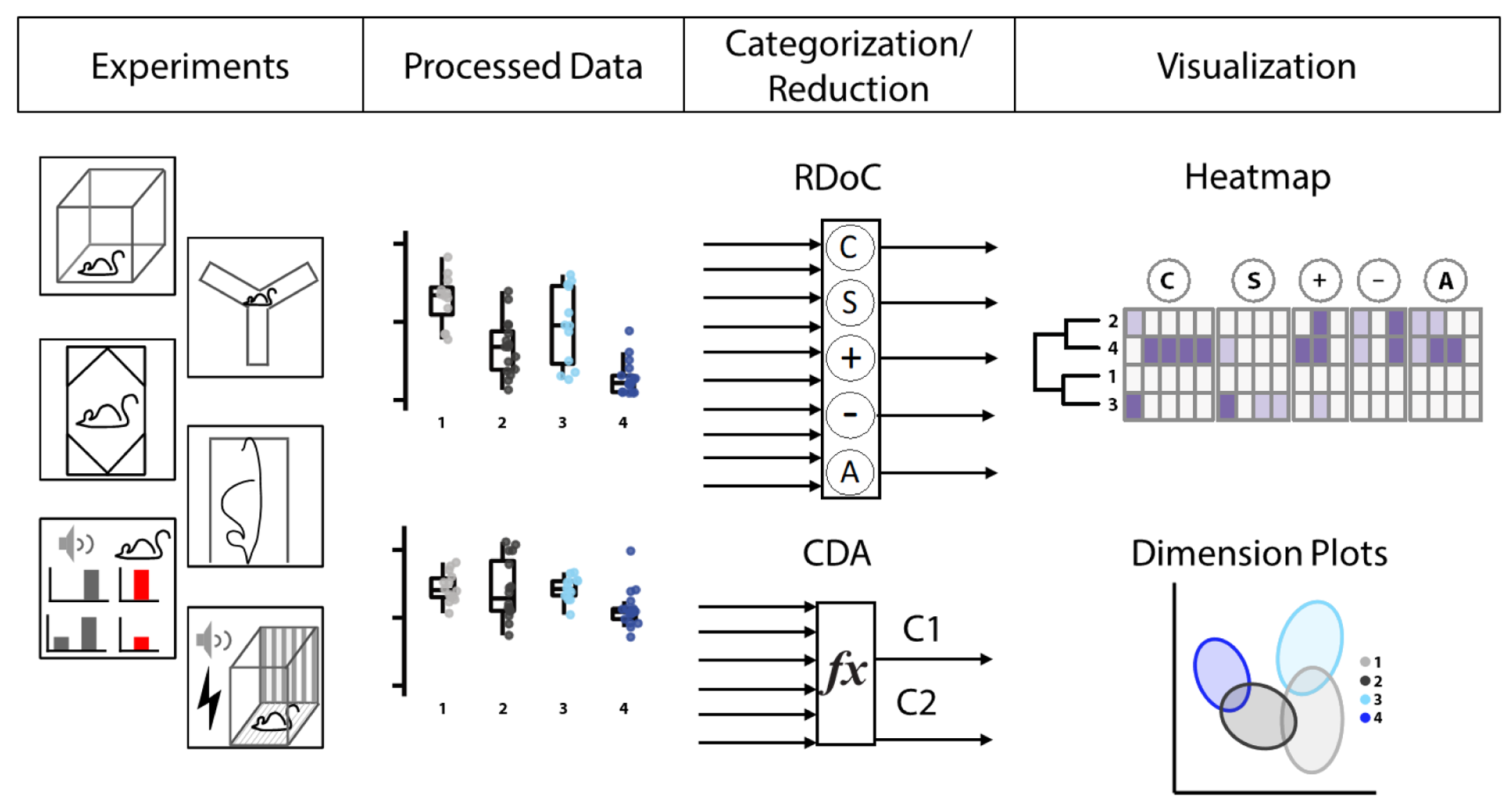
With our analysis strategy, we aim at translating the behavioral traits into so-called research domains to delineate defined biological systems that are thought to offer a more valid framework for translational research than clinical categorization (see NIMH. RDoC Matrix). Moreover, behavioral studies are often not reproducible. Major contributors to this problem are a low level of standardization between studies and high variability between experiments. We aim to improve on this by introducing the PsyCoP standardized and semi-automated behavioral profiling and script-based analysis platform for acquiring, analyzing, and visualizing behavioral data.