An electrophysiological examination (EPE) is a form of cardiac catheterization. During an electrophysiological examination, an arrhythmia is diagnosed and, if necessary, treated during the same examination. In the vast majority of cases, an ECG is required before such an examination to diagnose your arrhythmia. There are exceptions in which such ECG documentation can be dispensed with. It also depends on the type of arrhythmia whether it needs to be triggered in the EPU or whether ablation can be performed directly. We treat almost all arrhythmias under sedation, i.e. a light form of anesthesia, so that the examination is very gentle and painless for the patient.
We treat all types of rhythm disturbances at our center: These include supraventricular arrhythmias, i.e. those that originate in the ventricles of the heart. These include atrial fibrillation, atrial flutter, atrial tachycardia, AV nodal reentrant tachycardia and AV reentrant tachycardia / accessory pathways. On the other hand, these include ventricular arrhythmias, i.e. those that originate in the main chambers of the heart. These include ventricular tachycardia and ventricular extrasystoles.
State-of-the-art equipment is available for the treatment of these arrhythmias, which in particular places the highest demands on high-resolution 3D mapping systems. This enables extremely precise and low-radiation navigation of the catheters in the heart. We treat atrial fibrillation conventionally with radiofrequency current or cold (cryoballoon). In addition to sclerotherapy in the heart (endocardial), we also offer sclerotherapy outside the heart (epicardial) for severely ill patients. In critically ill patients, we work closely with our colleagues in anaesthesia and cardiac anaesthesia so that deeper anaesthesia and adequate circulatory support, if necessary with artificial heart procedures, are possible.
Our clinic is certified as a training center of the German Society for Cardiology - Cardiovascular Research e.V. in the category of invasive electrophysiology, active heart rhythm implants (Head: Prof. Dr. med. Heidi Estner, Deputy: PD Dr. med. Stephanie Fichtner).
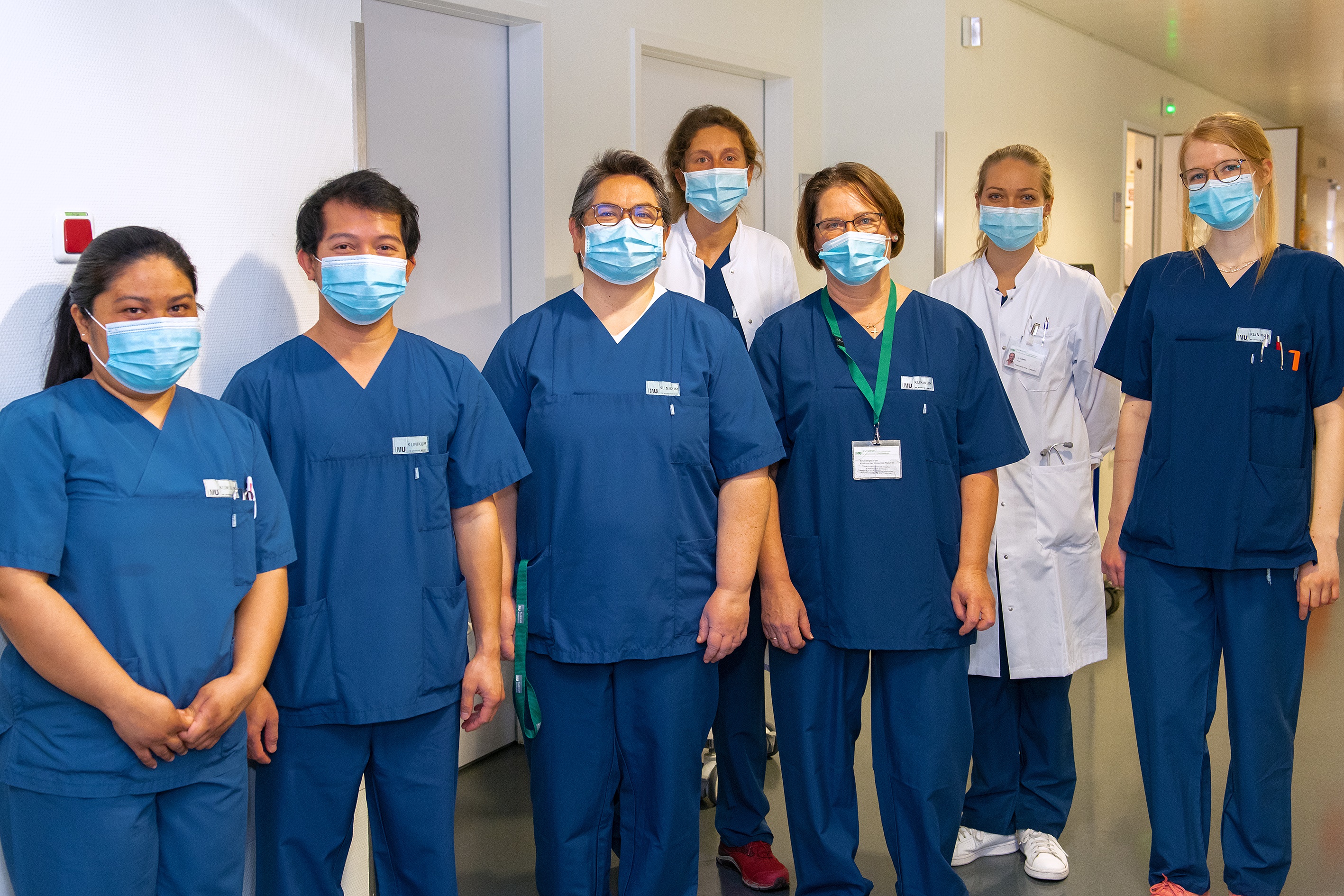
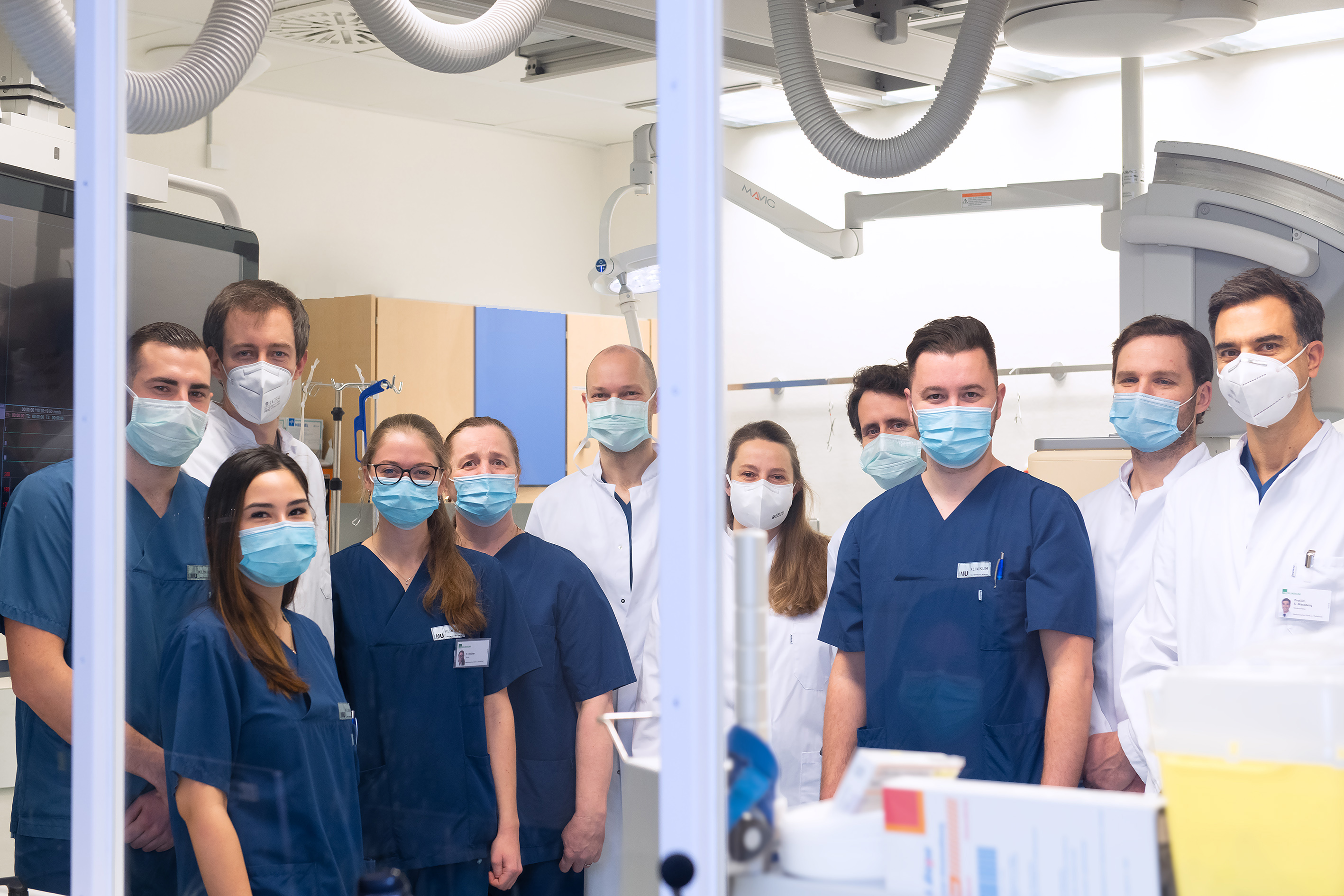
When preparing for the electrophysiological examination, you will be advised and treated by our specialized team of rhythmologists at the highest university level. In our specialized outpatient clinic (see Outpatient clinic for cardiac arrhythmias), we will explain the exact procedure and the different ablation methods to you in a consultation. If requested by our patients, we are happy to coordinate the therapy concepts offered with your treating cardiologist or internist.