AG Kaiser
Platelets and immune cells at the interface of inflammation and thrombosis
Traditionally, thrombosis and inflammation have been viewed as independent entities of acute defense responses to barrier injury: While the rapid induction of inflammatory responses is critical to combat invading pathogens and contribute to tissue homeostasis and regeneration, rapid thrombus formation during hemostasis prevents blood loss following vascular injury.
Although both thrombosis and inflammation are protective mechanisms by nature and can jointly contribute to the defense against microorganisms ("immune thrombosis"), their excessive activation and mutual reinforcement can contribute to the development of clinically relevant diseases such as cardiovascular diseases and sepsis.
The consequences of this excessive inflammatory state, known as "thromboinflammation", including disseminated coagulation and collateral damage to organs, have been described, but the underlying signaling pathways that tip the balance between the protective and harmful interplay of thrombosis and inflammation are not yet fully understood (Kaiser et al., Thrombosis Hemostasis 2025).
Several cell types and soluble factors play a crucial role in the regulation of both thrombus formation and inflammation. Our research group focuses on cell types involved in both processes: Platelets and innate immune cells, in particular neutrophil granulocytes. Both platelets and neutrophils continuously patrol the body, react quickly and flexibly to invading pathogens or sterile tissue damage and together influence immune responses and coagulation processes.
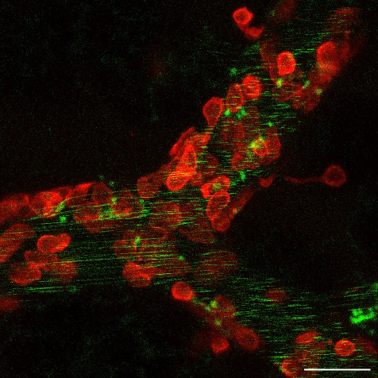
We investigate the complex interplay of these cells and their contribution to the initiation, progression and resolution of cardiovascular diseases and septic inflammation. To this end, we use modern omics technologies (single-cell RNA sequencing, mass spectrometry) on patient samples, functional in vitro assays and translationally relevant mouse models in combination with intravital microscopy.
Ongoing projects
Role of procoagulant platelet activation during septic inflammation
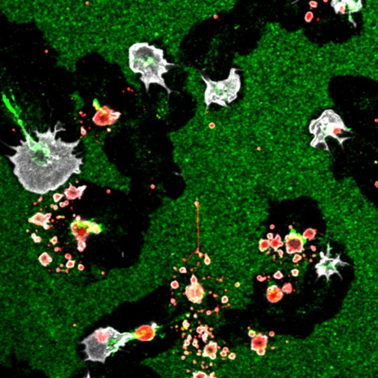
Circulating platelets are highly reactive and can be activated by a variety of sterile or septic mediators to perform their functions. In response to particularly potent agonists, platelets can undergo a remarkable transformation known as "procoagulatory activation" (PA). This is characterized by high intracellular calcium levels, the exposure of phosphatidylserine on their surface and morphological changes known as platelet ballooning.
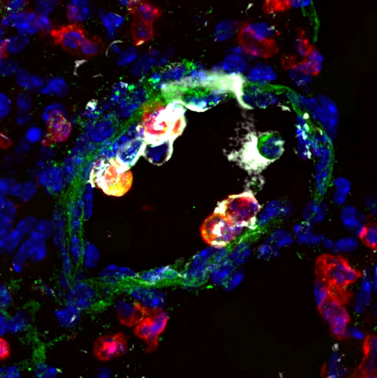
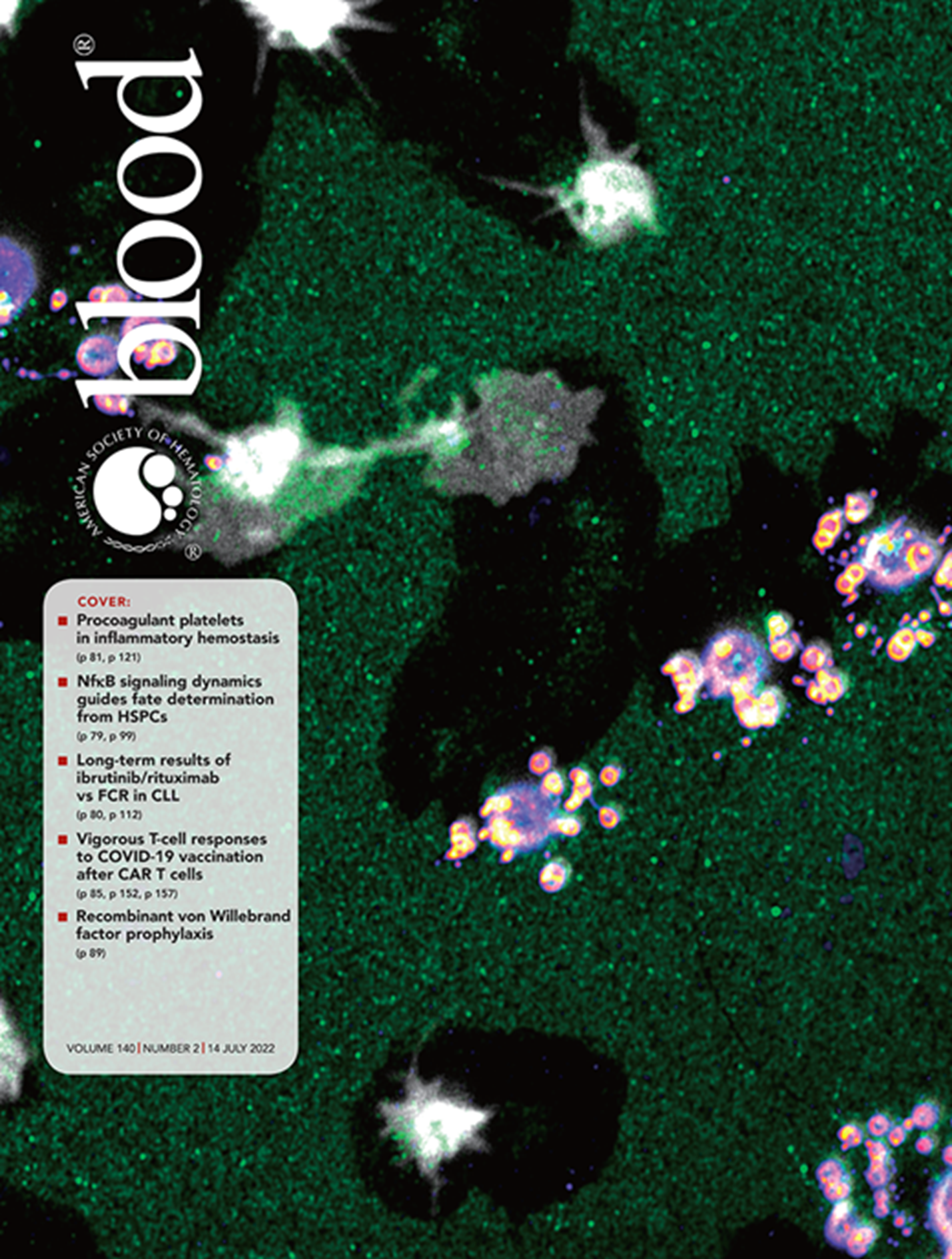
While procoagulatory activation is associated with thrombus formation in both mice and humans and is widely recognized as potentially deleterious (Kaiser et al., Blood 2024), we have recently shown that procoagulatory platelets are highly potent mediators of inflammatory hemostasis and contribute to the maintenance of vascular integrity during leukocyte extravasation (Kaiser et al., Blood 2022, 2023).
In close collaboration with the Nicolai group, we are now investigating the diverse role of procoagulatory platelets in inflammation to identify potential therapeutic targets within their signaling pathways (Kaiser and Nicolai, Nature Reviews Cardiology, 2025.
Elucidation of human immune responses in infective endocarditis
Infective endocarditis (IE), a bacterial infection of the heart valves, is a growing clinical problem with an ever-increasing incidence. Despite its insidious and often fatal course, therapeutic options are limited, as is the understanding of the pathophysiological mechanisms that control the human immune response to IE.
In collaboration with the Stark/Pekayvaz group and Prof. Kim Martinod (University of Rochester), we are characterizing patient samples from endocarditis patients (Kaiser et al., Science Advances, 2024; Pekayvaz et al., Nature Medicine, 2024) and using in vitro models("vegetation-on-a-chip") and a translational mouse model of IE to unravel the complex interplay between Staphylococcus aureus and host immunity.
Translational immunophenotyping in the spectrum of cardiogenic shock
Cardiogenic shock (CS) is a life-threatening condition characterized by inadequate tissue perfusion due to reduced cardiac output. It can be caused both by acute events such as myocardial infarction (AMI-CS) and by the chronic deterioration of existing heart failure.
Despite invasive therapeutic approaches, including the use of mechanical support systems such as veno-arterial extracorporeal membrane oxygenation (VA-ECMO), the mortality rate for CS remains high.
In collaboration with PD Dr. Dr. Benedikt Schrage (University Medical Center Eppendorf, Hamburg), we are characterizing peripheral immune responses across the severity spectrum of CS to identify prognostic markers and potential therapeutic targets.
Effects of cardiac interventions on platelet and neutrophil biology
Interventional cardiology and invasive electrophysiology increasingly rely on minimally invasive catheter procedures to perform complex interventions such as valve reconstruction and ablation.
Despite significant technical advances, peri-procedural thrombotic complications remain a potential risk.
We use a highly standardized set of ex vivo experiments to investigate the impact of these commonly performed procedures on platelet and neutrophil phenotypes and to identify potential risk factors for peri-procedural thrombotic and hemorrhagic complications.
Key publications/Key publications
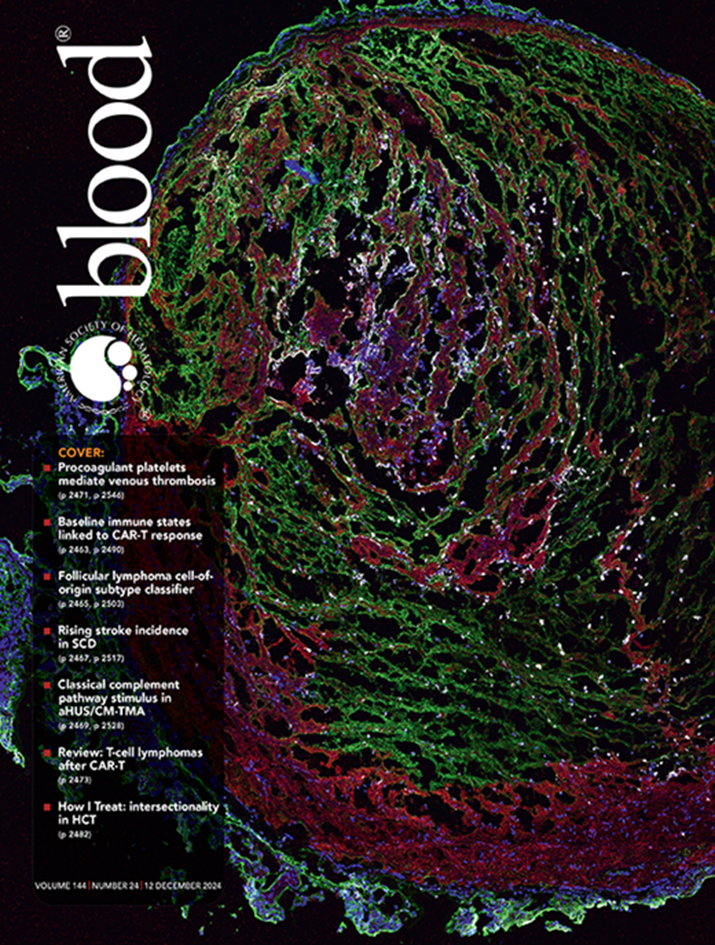
- Kaiser R✉, Dewender R, Mulkers M, Stermann J, Rossaro D, Di Fina L, Li L, Gold C, Schmid M, Kääb L, Eivers L, Akgöl S, Yue K, Kammerer L, Loew Q, Anjum A, Escaig R, Akhalkatsi A, Laun L, Kranich J, Brocker T, Mueller T, Krachan A, Gmeiner J, Pekayvaz K, Thienel M, Massberg S, Stark K, Kilani B*,✉, Nicolai L*,✉. "Procoagulant platelet activation promotes venous thrombosis." Blood. 2024 Dec 12;144(24):2546-2553. doi: 10.1182/blood.2024025476.
- Kaiser R*,✉, Gold C*, Joppich M*, Loew Q, Akhalkatsi A, Mueller TT, Offensperger F, Droste Zu Senden A, Popp O, di Fina L, Knottenberg V, Martinez-Navarro A, Eivers L, Anjum A, Escaig R, Bruns N, Briem E, Dewender R, Muraly A, Akgöl S, Ferraro B, Hoeflinger JKL, Polewka V, Khaled NB, Allgeier J, Tiedt S, Dichgans M, Engelmann B, Enard W, Mertins P, Hubner N, Weckbach L, Zimmer R, Massberg S, Stark K*, Nicolai L*, Pekayvaz K*,✉. "Peripheral priming induces plastic transcriptomic and proteomic responses in circulating neutrophils required for pathogen containment." Science Advances. 2024 Mar 22;10(12):eadl1710. doi: 10.1126/sciadv.adl1710.
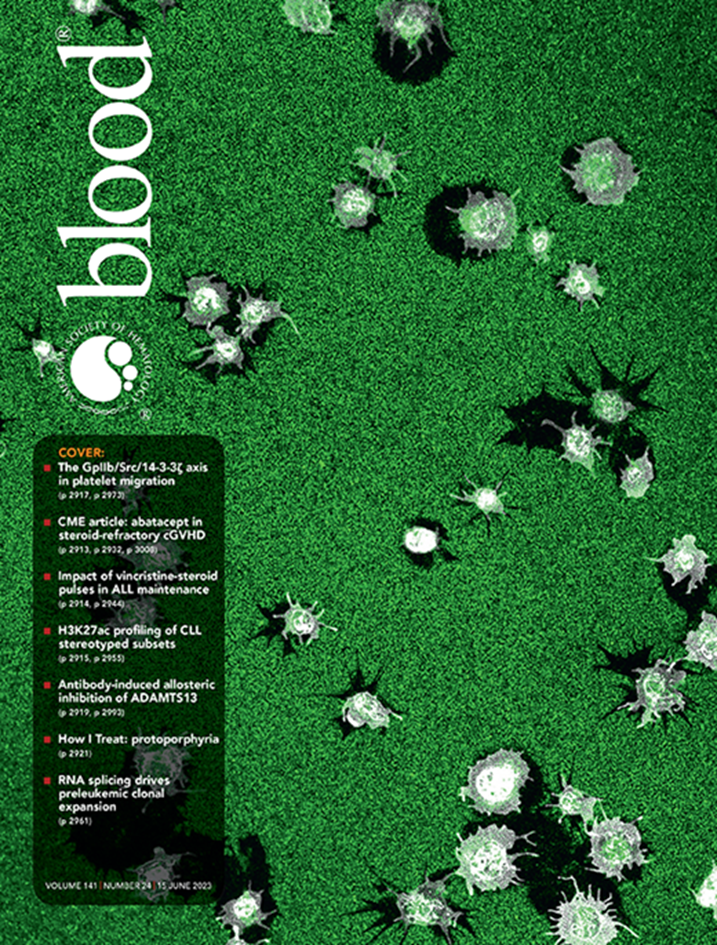
- Kaiser R✉, Anjum A, Kammerer L, Loew Q, Akhalkatsi A, Rossaro D, Escaig R, Droste A, Raude B, Lorenz M, Hold C, Pekayvaz K, Brocker T, Kranich J, Holch J, Spiekermann K, Massberg S, Gaertner F*, Nicolai L*,✉. "Mechanosensing via a GpIIb/Src/14-3-3ζ axis critically regulates platelet migration in vascular inflammation." Blood. 2023 Jun 15;141(24):2973-2992. doi: 10.1182/blood.2022019210.
- Kaiser R✉, Escaig R, Nicolai L. "Hemostasis without clot formation: how platelets guard the vasculature in inflammation, infection, and malignancy." Blood. 2023 Oct 26;142(17):1413-1425. doi: 10.1182/blood.2023020535.
- Kaiser R✉, Escaig R, Kranich J, Hoffknecht M, Anjum A, Polewka V, Mader M, Hu W, Belz L, Hold C, Titova A, Lorenz M, Pekayvaz P, Kääb S, Gaertner F, Stark K, Brocker T, Massberg S, Nicolai L✉. "Procoagulant platelet sentinels prevent inflammatory bleeding through GPIIBIIA." Blood. 2022 Jul 14;140(2):121-139. doi: 10.1182/blood.2021014914.
- Pekayvaz K*,✉, Leunig A*, Kaiser R, Joppich M, Brambs S, Janjic A, Popp O, Nixdorf D, Fumagalli V, Schmidt N, Polewka V.,Anjum A, Knottenberg V, Eivers L, Wange L, Gold C, Kirchner M, Muenchhoff M, Hellmuth J, Scherer C, Rubio.Acero R, Eser T, Deak F, Puchinger K, Kuhl N, Linder A, Saar K, Tomas L, Schulz C, Wieser A, Enard W, Kroidl I, Geldmacher C, Bergwelt-Baildon M, Keppler O, Munschauer M, Iannacone M, Zimmer, R, Mertins P, Hubner N, Hoelscher M, Massberg S, Stark K*, Nicolai L*,✉. "Protective immune trajectories in early viral containment of non-pneumonic SARS-CoV-2 infection." Nat Commun. 2022 Feb 23;13(1):1018. doi: 10.1038/s41467-022-28508-0.
- Nicolai L✉, Kaiser R, Escaig R, Hoffknecht ML, Anjum A, Leunig A, Pircher J, Ehrlich A, Lorenz M, Ishikawa-Ankerhold H, Aird WC, Massberg S, Gaertner F✉. "Single platelet and megakaryocyte morpho-dynamics uncovered by multicolor reporter mouse strains in vitro and in vivo." Haematologica. 2022 Jul 1;107(7):1669-1680. doi: 10.3324/haematol.2021.278896.
- Kaiser R*, Leunig A*,✉, Pekayvaz K*, Popp O, Joppich M, Polewka V, Escaig R, Anjum A, Hoffknecht ML, Gold C, Brambs S, Engel A, Stockhausen S, Knottenberg V, Titova A, Haji M, Scherer C, Muenchhoff M, Hellmuth JC, Saar K, Schubert B, Hilgendorff A, Schulz C, Kääb S, Zimmer R, Hübner N, Massberg S, Mertins P, Nicolai L*,✉, Stark K*. "Self-sustaining IL-8 loops drive a prothrombotic neutrophil phenotype in severe COVID-19." JCI insight. 2021 Sep 22;6(18):e150862. doi: 10.1172/jci.insight.150862.
*Shared first or last authors.
✉Corresponding authors.
For full publication record see: https://scholar.google.de/citations?hl=en&user=y9_JwHIAAAAJ
Project: The procoagulant platelet activation as an anti-inflammatory brake to modulate neutrophil recruitment in inflammation and infection
2023 - 2026
Junior Research Group
Project: Innovative therapeutic approaches in infective ENDOcarditis (IE) leveraging reveRSE translation
2026 - 2030
PD Dr. med. Rainer Kaiser
PI
Dr. med. Raphael Escaig
MD (Clinician Scientist, former MD student '21)
Dr. med. Lennart Kreutz
MD (Clinician Scientist)
Robin Dewender, M. Sc.
PhD student, '23
Maité Mulkers, M.Sc.
PhD student, '23
Anastassia Akhalkatsi
MD student, '22
Lea Di Fina
MD student, '23
Michael Schmid
MD student, '24
Lily Kääb
MD student, '24
Konstantin Hoffmann
MD student, '24
Justus Reittinger
MD student, '25
Maria Laura Schlageter Chihuan
MD student '25
Nellie Malaika Kwabla
MD student, '25
Johanna Knechtel
MD student, '25
Quentin Loew
MD student, '22
Augustin Droste zu Senden
MD student, '22
Lisa Kammerer
MD student, '22
Hannah Niederdorfer
MD student '25