Biosignals in the ECG identify high-risk patients with heart failure who benefit from preventive therapy measures
With every heartbeat, the heart is naturally electrically excited and the excitation is subsequently reversed. Heart failure (cardiomyopathy) due to a circulatory disorder (ischemia) or other non-ischemic causes often leads to a malfunction of the autonomic nervous system of the heart. The result is a destabilization of the heart's regression of excitation. This can lead to life-threatening cardiac arrhythmias. Direct measurement of autonomic activity in the heart is not possible as a clinical examination method due to its invasiveness. However, autonomic control processes can be characterized indirectly by patterns (biosignals) in the ECG. In recent years, ECG-based biosignal analysis has established itself as a standard procedure for identifying high-risk patients with ischemic and non-ischemic heart disease. However, until now it was not known how to preventively treat high-risk patients identified by biosignal analysis. Scientists from the German Centre for Cardiovascular Research (DZHK) and the LMU Klinikum were able to prove in two large clinical studies that ECG-based biosignal analysis can not only lead to the identification of high-risk groups, but can also be used for the individualized determination of preventive diagnostic and therapeutic measures.
The SMART-MI-DZHK9 study was a multicentre, open, clinical, randomized study funded by the German Centre for Cardiovascular Research (DZHK) and initiated at the LMU Clinic under the direction of Prof. Dr. A. Bauer and Prof. Steffen Massberg. 32 cardiac centers in Germany and one center in Innsbruck, Austria, participated in the SMART-MI-DZHK9 study. The study included patients who had survived a myocardial infarction and whose cardiac performance was still intact, but who exhibited infarct-related dysfunction of the autonomic nervous system of the heart. In the SMART-MI study, the researchers from Munich and Innsbruck investigated whether the use of implantable cardiac monitors enables more effective detection of treatment-relevant cardiac arrhythmias in the high-risk group of patients with autonomic dysfunction. The cardiac monitor implanted under the skin is as small as a fingernail. It is a passive device that continuously records electrical information from the heart over several years. Dangerous arrhythmias are automatically detected and transmitted telemetrically to a center. The results were first presented at a hotline session at the Congress of the European Society of Cardiology in August of this year and have now been published in the renowned journal Lancet Digital Health: The implantable monitor detected severe but mostly asymptomatic rhythm events in 60 out of 201 patients within 21 months. In the control group, which consisted of 199 heart attack patients without telemonitoring, only twelve such events were detected during the same period as part of the usual follow-up care
In contrast to patients who have survived a heart attack, identifying high-risk groups in patients with non-ischemic heart failure is particularly challenging. The DANISH study (Defibrillator Implantation in patients with Non-ischemic Heart-failure) was the largest clinical, randomized study to investigate the efficacy of primary prophylactic implantation of a defibrillator in 1,116 patients with heart failure of non-ischemic origin. The study was able to prove that the precautionary implantation of a defibrillator was not beneficial with regard to the 8-year overall mortality of the patients. Using ECG-based biosignal analysis, the scientists from the LMU Clinic in cooperation with scientists from the Medical University of Innsbruck and the University of Copenhagen were able to identify a new subgroup of the DANISH study in which the implantation of a defibrillator was associated with a significant 46% reduction in mortality. The work has recently been published in the important journal Circulation.
Original work:
Contact person:
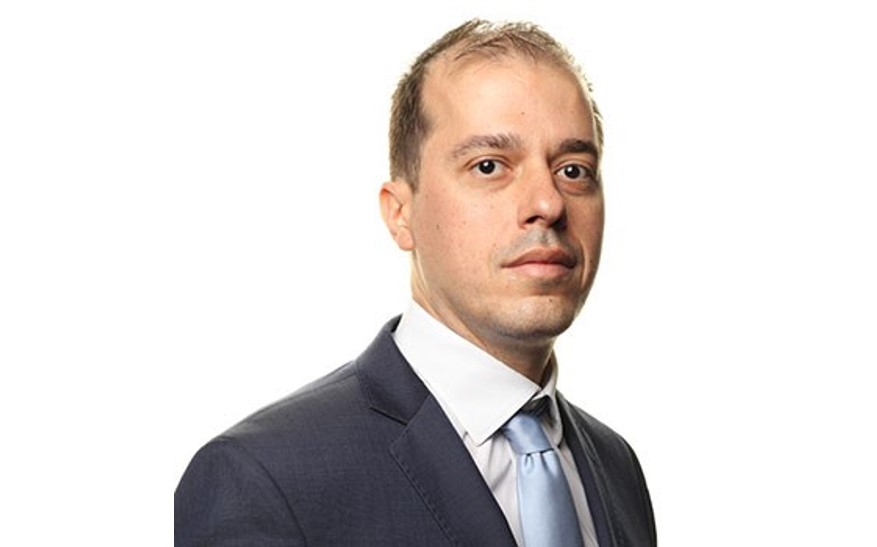
Priv.-Doz. Dr. med. Konstantinos Rizas
Senior Physician Medical Clinic and Polyclinic I, LMU Klinikum Munich