NEW INSIGHTS INTO BASIC MECHANISMS OF THE IMMUNE RESPONSE IN BACTERIAL SEPSIS
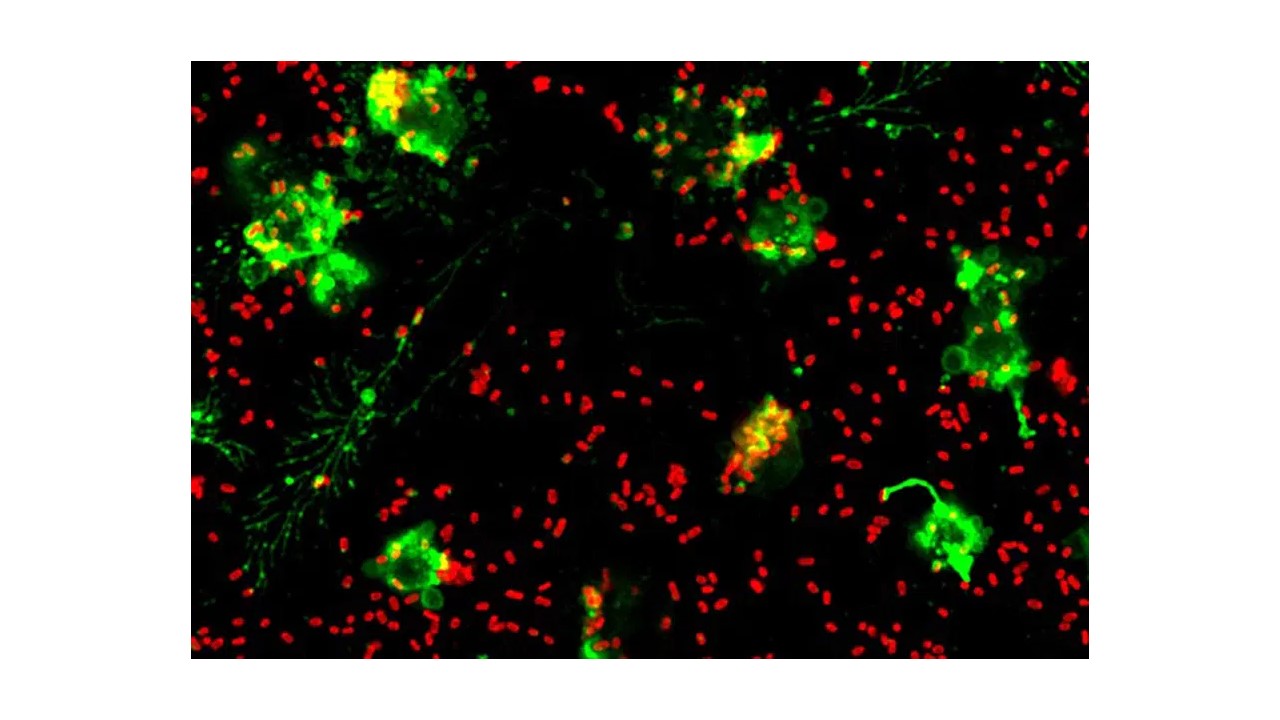
Bacterial infections are still one of the most common causes of death in industrialized nations in the 21st century. The body's immediate response to invading bacteria is largely mediated by a cell type known as the neutrophil granulocyte, which is part of the white blood cells circulating in the blood. In classical immunology, however, neutrophil granulocytes have so far been regarded as stereotypically acting "foot soldiers" that, compared to other immune cells, show little adaptability in the context of bacterial infections.
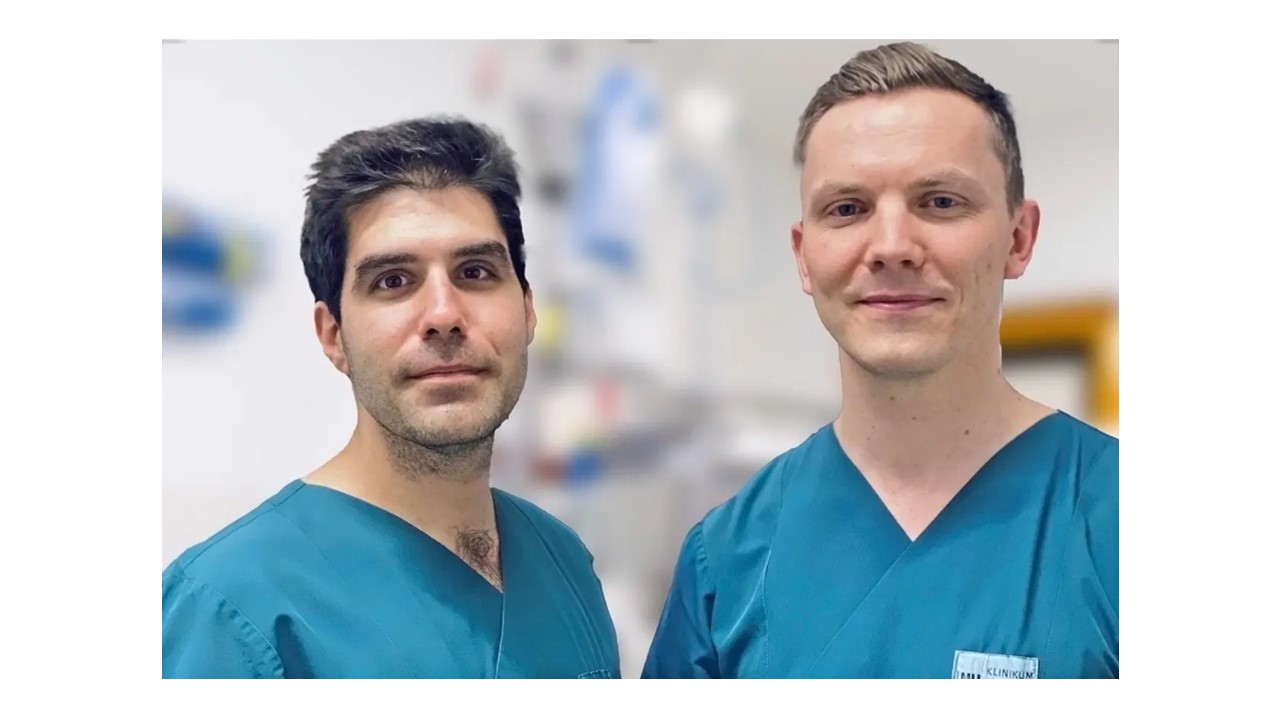
Researchers led by Dr. Rainer Kaiser and Dr. Kami Pekayvaz from the LMU Medical Center's Department of Medicine I have now uncovered mechanisms that challenge the dogma of the stereotypical neutrophil and instead highlight a high degree of neutrophil plasticity in the response to bacterial infections. To this end, the researchers used blood samples from patients with acute bacterial infections and examined them using the latest experimental methods such as RNA single-cell sequencing. This enabled the interdisciplinary team to identify infection-specific changes at RNA and protein level in neutrophils that appear to be essential for the defense against bacterial infections. Part of these changes is the upregulation of antimicrobial genes such as the activation marker CD177/NB-1, with the help of which neutrophils can, for example, reach the site of infection more effectively and neutralize invading pathogens. These mechanisms, which were first demonstrated in humans, could also be transferred to a mouse model of bacterial infection: Pharmacological blockade of the signaling pathways identified in humans led to a significant weakening of the immune response here, which favored the spread of bacterial pathogens in the blood and organs.
"Our results underline the complexity of the innate immune response and show that neutrophil granulocytes are very plastic cells with a high degree of adaptability," says Dr. Kaiser. "The functional relevance of the mechanisms described in our study contribute to a deeper understanding of infection defense against bacterial pathogens. Modulation of the signaling pathways we identified could represent a new therapeutic option for severe bacterial infections, especially sepsis," says Dr. Pekayvaz.

Dr. Kaiser and Dr. Pekayvaz are Clinician Scientists who were supported by the PRIME program funded by LMU and the German Research Foundation. The translational study led by the two young scientists, which was conducted in cooperation with several clinical institutes of the LMU Klinikum, the Institute of Computer Science at LMU, the Max Delbrück Center Berlin and Charité Berlin, was published on March 22 in the internationally renowned journal Science Advances.
Publication:
R. Kaiser*, C. Gold*, M. Joppich*, Q. Loew, A. Akhalkatsi, T. Mueller, F. Offensperger, A. Droste zu Senden, O. Popp, L. di Fina, V. Knottenberg, A. Martinez-Navarro, L. Eivers, A. Anjum, R. Escaig, N. Bruns, E. Briem, R. Dewender, A. Muraly, S. Akgöl, B. Ferraro, J. Hoeflinger, V. Polewka, N. Ben Khaled, J. Allgeier, S. Tiedt, M. Dichgans, B. Engelmann, W. Enard, P. Mertins, N. Hubner, L. Weckbach, R. Zimmer, S. Massberg, K. Stark*, L. Nicolai* and K. Pekayvaz*: "Peripheral priming induces plastic transcriptomic and proteomic responses in circulating neutrophils required for pathogen containment"
Contact person:
Dr. med. Rainer Kaiser
Clinician Scientist, Medical Clinic I, LMU Hospital
Mr. Dr. med. Pekayvaz, Kami
Clinician Scientist, Medical Clinic I, LMU Hospital