In Germany alone, around 300,000 people suffer a heart attack every year. The treatment of patients has now reached a high level, so that at least the mortality rate has fallen in recent years. Nevertheless, many of those affected develop heart failure after the event because the heart muscle does not recover optimally.
According to findings from animal studies, the inflammatory reaction plays an important role after an infarction and has a decisive influence on whether the functions of the heart muscle are restored. "A misdirected or excessive immune response can jeopardize this recovery of heart function," says Dr. Kami Pekayvaz, first author of the new study and Clinician Scientist at the LMU Medical Center's Department of Medicine I.
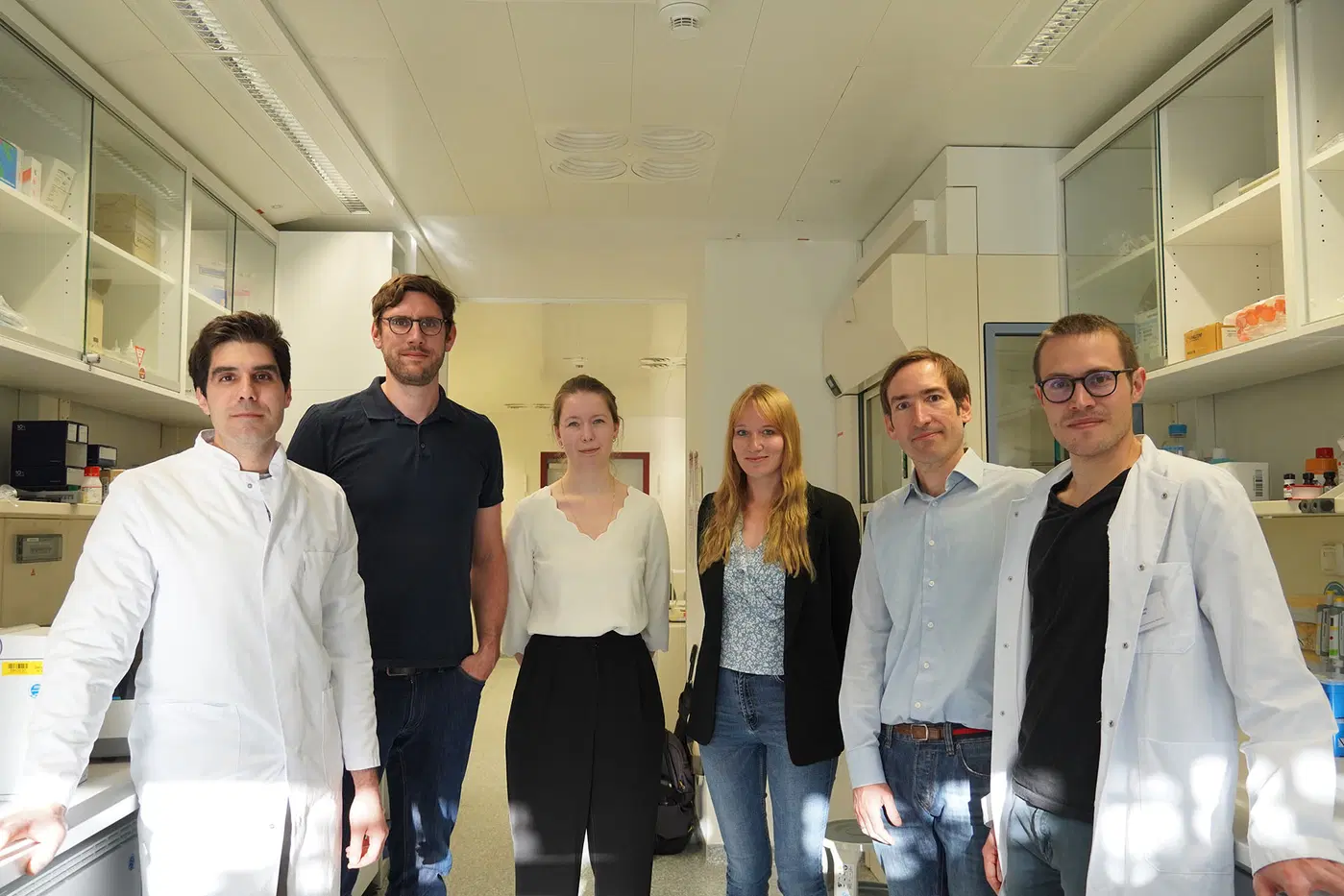
A team led by Dr. Kami Pekayvaz, Viktoria Knottenberg, PD Dr. Leo Nicolai and Prof. Konstantin Stark from the Medical Clinic I of the LMU Hospital Munich and Corinna Losert and Dr. Matthias Heinig from Helmholtz Munich have analyzed for the first time how the immune system "behaves" after a heart attack in humans. The researchers examined the blood samples of heart attack patients who were treated at the LMU Hospital and showed different courses.
An atlas of immune responses
The immune cells in the blood were analyzed cell by cell with regard to their RNA composition. RNA is produced when cells translate the information of their genes into proteins - a so-called transcriptome analysis can reveal the current state and characteristics of a cell. In addition, the blood plasma was examined for various messenger substances using protein analyses, which provide indications of inflammation, for example. These analyses are among the most modern possible methods, so-called multi-omics methods.
A specific bioinformatics method (MOFA, for Multi-Omics Factor Analysis) recognized overarching patterns in the mass of data obtained. "This method is ideal for identifying and summarizing many smaller effects that are coordinated in the same direction," says Dr. Matthias Heinig, head of a bioinformatics working group at Helmholtz Munich. This made it possible to create a kind of atlas of immune responses after a heart attack. "These patterns can explain differences between the clinical and temporal courses of the patients," says Prof. Konstantin Stark, Senior Consultant in Cardiology at the LMU Hospital. This means that certain of these "immune signatures" are associated with a better recovery of heart function, others with a poorer one.
This atlas of the immune response in myocardial infarction is highly relevant for further basic cardiovascular research and potentially indicates that multi-omics analyses of blood samples could be used to assess the clinical course of a heart attack patient. However, the concept of MOFA-based diagnostics in cardiovascular diseases must be tested in further studies - and this is what the Munich researchers intend to do in the coming years.